Table of Contents >> Show >> Hide
- Rock Shrimp 101: The Basics
- Where Do Rock Shrimp Live?
- What Do Rock Shrimp Taste Like?
- Rock Shrimp vs. Regular Shrimp: What’s the Difference?
- Nutrition and Health Notes
- Buying Rock Shrimp: What to Look For
- How to Cook Rock Shrimp (Without Overthinking It)
- Sustainability and Responsible Choices
- Frequently Asked Questions
- Conclusion: The Tiny “Lobster Impersonator” Worth Knowing
- Experiences People Commonly Have With Rock Shrimp
If regular shrimp had a tough older cousin who spent summers lifting weights and winters living under a sand dune, it would be the rock shrimp.
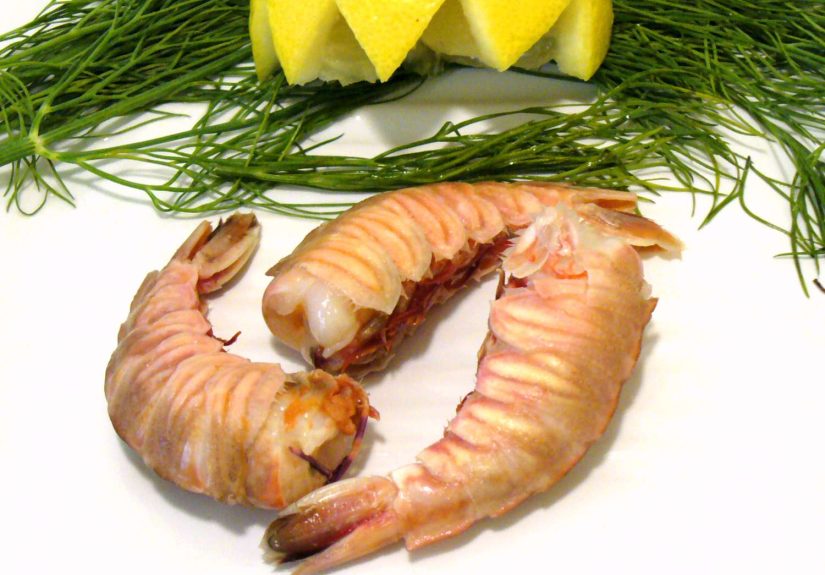
Rock shrimp are real shrimp (not a marketing prank), but they’re famous for one very un-shrimp-like feature: a thick, rigid shell that feels
more “pebble armor” than “easy peel.” That hard shell is exactly how they got their nameand it’s also why rock shrimp often show up in seafood
cases already peeled and ready to cook.
Here’s the fun part: despite the name, rock shrimp are surprisingly tender and sweet once cooked. Many people describe the bite as “lobster-ish”
(in a good way), which makes rock shrimp a smart pick when you want something a little special without going full fancy-seafood-drama. In this
guide, we’ll break down what rock shrimp are, where they come from, what they taste like, how to cook them, and what to look for when buying them.
Rock Shrimp 101: The Basics
“Rock shrimp” commonly refers to shrimp in the Sicyonia group, especially the species often identified in U.S. fisheries as
rock shrimp (Sicyonia brevirostris) and related “brown rock shrimp” categories used in seafood management and labeling.
They look a bit like typical shrimp, but the shell is thicker and more rigid than what you’re used to with the familiar pink “cocktail shrimp.”
Rock shrimp are typically smaller than jumbo shrimp, but don’t let size fool you. What you’re buying is texture and flavor: cooked rock shrimp
can be firm and springycloser to lobster tail than to the softer bite of many shrimp varieties. Because peeling them by hand can be a chore,
rock shrimp are often sold peeled and deveined, or as “rock shrimp meat,” which makes them an easy win for quick weeknight meals.
Why the shell matters
The shell is the headline. With regular shrimp, peeling is mildly annoying. With rock shrimp, peeling can feel like you’re trying to unzip a
tiny medieval suit of armor. That’s why processors often use specialized equipment to remove the shell efficiently, and why you may see rock shrimp
priced differently than similarly sized shrimp that are easier to peel.
Where Do Rock Shrimp Live?
Rock shrimp are found off the U.S. Atlantic and into the Gulf region, with fisheries and sightings documented from the Mid-Atlantic down through
Florida and beyond. They tend to prefer sandy bottoms in deeper water, and they’re known for burrowingso yes, these shrimp are
basically tiny sand ninjas.
Habitat and behavior (aka: shrimp lifestyle goals)
- Depth: Commonly in deeper offshore waters, often well beyond the “wading around in flip-flops” zone.
- Bottom type: Sandy bottoms are a favorite, because burrowing is part of their routine.
- Daily schedule: More active at night, more hidden during the daylike a teenager, but with gills.
For consumers, the takeaway is simple: rock shrimp are typically harvested offshore and are more common in commercial seafood channels than in
“I caught this at the pier” stories.
What Do Rock Shrimp Taste Like?
Rock shrimp are prized for a sweet, briny flavor and a firm, resilient texture. If you’ve ever had lobster tail
and thought, “I wish this were a little easier on my grocery budget,” rock shrimp can scratch that itchespecially in dishes where texture is the
star (like stir-fries, tacos, pasta, or crispy fried bites).
Because they’re firmer than many shrimp, rock shrimp hold up well to high-heat cooking. They’re also less likely to turn mushy in soups and stews
if you add them near the end and cook just until done.
Rock Shrimp vs. Regular Shrimp: What’s the Difference?
1) Shell toughness
Regular shrimp shells peel fairly easily. Rock shrimp shells are thicker and more rigid. That difference affects how they’re processed, sold, and
cooked at home.
2) Texture and “bounce”
Rock shrimp are commonly described as firmer and meatier. If regular shrimp are the “tender” option, rock shrimp are the
“satisfying chew” optionmore like lobster or crab in mouthfeel.
3) How they’re sold
Because peeling is tough, rock shrimp are frequently sold peeled/deveined or as tail meat. If you do buy them shell-on, plan for either a little
patience or a solid game plan (we’ll get to that in the cooking section).
Nutrition and Health Notes
Rock shrimp nutrition looks broadly similar to other shrimp: high in protein, relatively low in calories, and naturally low in
carbohydrates. Exact numbers vary by preparation and whether the product includes added ingredients (like sodium solutions used to retain moisture).
Protein, calories, and key nutrients
In general nutrition references for cooked seafood, shrimp are listed as a lean protein option with meaningful amounts of nutrients like selenium
and vitamin B12. If you bread and fry them, of course, the nutrition profile changes (deliciouslybut still changes).
Mercury and seafood guidance
Shrimp are typically considered a lower-mercury seafood choice, and U.S. consumer guidance often encourages eating a variety of
seafood while paying attention to species that are higher in mercury. If you’re choosing seafood for a household with kids or someone who is pregnant,
it’s smart to follow U.S. guidance on serving sizes and recommended weekly frequency.
Allergies: the big warning label moment
Shrimp are crustacean shellfish, which are one of the major food allergens in the U.S. If you or someone in your household has a
shellfish allergy, rock shrimp are not the place to “test the waters.” Treat it seriously and follow medical guidance.
Buying Rock Shrimp: What to Look For
You’ll most often find rock shrimp in one of three forms:
- Peeled and deveined (fresh or frozen): The easiest option for most home cooks.
- Shell-on: Less common, but sometimes available at seafood counters.
- Prepared items: Breaded rock shrimp, seasoned rock shrimp, or restaurant-style portions.
Freshness clues that matter
When buying fresh (or thawed-at-the-counter) seafood, aim for a clean, ocean-like smellnot sour, not ammonia-like, not “something’s off.”
For frozen, choose packages that look well sealed, without a thick layer of frost or ice crystals that suggest temperature swings.
Storage basics
Keep seafood cold, refrigerate promptly, and follow safe thawing practices (refrigerator thawing is the safest bet). When in doubt, prioritize food
safety over optimism. Your stomach will thank you for not being brave.
How to Cook Rock Shrimp (Without Overthinking It)
Rock shrimp cook quickly. Like all shrimp, the goal is “just done,” not “could double as a pencil eraser.” Cook until the flesh is opaque and firm.
If you’re using a thermometer for seafood, follow U.S. food-safety guidance for proper doneness.
If you bought shell-on rock shrimp
- Rinse and pat dry. Remove excess moisture for better browning.
- Par-cook to loosen the shell. A brief blanch (30–60 seconds) can make shells easier to handle.
- Use kitchen shears. Snip along the underside to open the shell. Peel carefully.
- Devein if needed. Many products are sold already deveined, but check.
If that sounds like a project: you’re not imagining things. Buying peeled rock shrimp is popular for a reason.
Best cooking methods for rock shrimp
- Quick sauté: Fast, flavorful, weeknight-friendly.
- Grilling (skewers): Great texture, minimal fuss.
- Light breading + pan-fry or air-fry: Crispy outside, sweet inside.
- Poach gently: For salads, bowls, and cold preparations (fully cooked first).
Three specific, real-life meal ideas
1) Garlic-Lemon Rock Shrimp Skillet
Sauté rock shrimp in olive oil with minced garlic. Finish with lemon juice, a pinch of crushed red pepper, and chopped parsley. Serve over rice or
tossed with pasta. The firm texture makes this feel “restaurant-y” with almost no effort.
2) Rock Shrimp Tacos with Crunchy Slaw
Season shrimp with smoked paprika, cumin, salt, and pepper. Sauté quickly. Stuff into warm tortillas with cabbage slaw, avocado, and a squeeze of lime.
Rock shrimp’s meatier bite keeps the taco from feeling flimsy (no offense to flimsy tacos).
3) Crispy Rock Shrimp Bites (Oven or Air Fryer)
Toss peeled rock shrimp in a light coating of seasoned breadcrumbs (or crushed cornflakes), spray lightly with oil, and bake/air-fry until crisp.
Serve with a tangy yogurt-based dip, lemon, or cocktail sauce. Great for game night, movie night, or “I need something crunchy right now” night.
Common mistakes (and how to avoid them)
- Overcooking: Pull them as soon as they’re opaque and firm.
- Skipping drying: Pat dry before sautéing so they brown instead of steaming.
- Over-seasoning: Rock shrimp are naturally sweetlet that show up.
Sustainability and Responsible Choices
Shrimp sustainability can be complicated because it depends on where the shrimp are from and how they’re caught.
In the U.S., shrimp fisheries are managed with rules that may cover seasons, gear, protected areas, and other measures. Rock shrimp are included in
regional management approaches alongside other shrimp species.
If sustainability is a priority for your household, look for origin and fishery information when you buy. Consumer-facing seafood guides and ratings
may list “rock shrimp” with different recommendations depending on the region and gear type, so the most helpful habit is asking one simple question:
“Where is this from?”
- At the seafood counter: Ask the country/state of origin and whether they know the catch method.
- For frozen: Read the label for origin and processing notes.
- When dining out: Restaurants that know their sourcing usually love telling you.
Frequently Asked Questions
Are rock shrimp actually shrimp?
Yes. They’re shrimpjust with a thicker, tougher shell and a firmer, meatier bite.
Do rock shrimp taste like lobster?
Many people describe rock shrimp as “lobster-like,” mainly because of the texture. Flavor-wise, they’re sweet and briny like shrimp, but the chew
is what makes the lobster comparison show up.
Why are rock shrimp often sold peeled?
Because the shell can be so rigid that peeling is time-consuming. Processors often do it with specialized equipment so you don’t have to.
Can I substitute rock shrimp for regular shrimp?
Absolutely. Use them anywhere you’d use shrimpjust watch cooking time, because their firmer texture can tempt people to cook longer than necessary.
You still want “just cooked,” not “shrimp jerky.”
Conclusion: The Tiny “Lobster Impersonator” Worth Knowing
Rock shrimp are a lesser-known seafood gem: a real shrimp with a famously tough shell and a surprisingly sweet, firm bite once cooked. They’re often
sold peeled for convenience, they shine in high-heat recipes, and they bring a “meatier” texture that can make simple meals feel a little more special.
Buy them from a source that provides clear origin info, cook them just until opaque and firm, and let their natural sweetness do the heavy lifting.
Experiences People Commonly Have With Rock Shrimp
For a lot of home cooks, the first “experience” with rock shrimp happens at the seafood counterbecause the name sounds like something you’d use in a
landscaping project. People often do a double take, then ask the most natural question: “Is this a shrimp… or a tiny lobster?” That confusion is fair.
Rock shrimp don’t always look dramatically different once they’re peeled, but the moment you see shell-on rock shrimp, the nickname makes sense. The
shell can look and feel almost rigid compared with typical shrimp, and the idea of peeling a whole pound by hand suddenly becomes a character-building
activity.
Another common rock shrimp moment is the “texture surprise.” Someone orders rock shrimp at a restaurantmaybe in tacos, maybe fried, maybe tossed into a
pastaand expects the usual soft shrimp bite. Instead, they get a firmer, springier chew that reminds them of lobster tail. The reaction is often:
“Wait… what is this?” followed quickly by: “Okay, I get it.” Rock shrimp tend to win people over in recipes where texture matters, like crispy bites or
quick stir-fries, because the shrimp hold their shape and don’t disappear into the dish.
If you buy rock shrimp frozen and peeled, the home-cooking experience is usually easy-mode: thaw, pat dry, season, cook fast. Where people run into
trouble is treating them like a slow-cook ingredient. Rock shrimp still cook quickly, and overcooking can turn any shrimp into something rubbery.
Many cooks learn the “pull them early” lesson the first time they sauté rock shrimp: the best results happen when you stop cooking the second they look
opaque and firm, then let carryover heat finish the job. It’s the same skill you build with scallopsconfidence plus a timer.
There’s also the very real experience of rock shrimp becoming a “secret weapon” for picky eaters. Some people who claim they “don’t like shrimp” are
actually reacting to a soft texture or a strong seafood aroma from overcooked shrimp. Rock shrimp’s firmer bite can feel more familiarcloser to chicken
pieces in a stir-fry or lobster in a buttery rollso it can be an easier entry point. Of course, shrimp are still shrimp, so anyone with a shellfish
allergy should avoid them completely, but for texture-focused eaters, rock shrimp can be a pleasant surprise.
Finally, a lot of rock shrimp experiences revolve around convenience. Because rock shrimp are often sold peeled and deveined, they become a reliable
“backup protein” in the freezersomething you can turn into dinner in 15 minutes when the fridge is doing that classic thing where it contains nothing
but condiments and hope. People toss rock shrimp into rice bowls, pasta, salads, or quick tacos, and they appreciate that the shrimp feel a little
“special” without requiring complicated prep. In other words, rock shrimp are the kind of ingredient that makes you feel like you planned aheadeven if
you absolutely did not.