Table of Contents >> Show >> Hide
- Why crying makes your eyes swell
- How to get rid of swollen eyes from crying quickly
- 1. Use a cold compress first
- 2. Stay upright and elevate your head
- 3. Try gentle lymphatic-style massage
- 4. Use artificial tears if your eyes feel dry or irritated
- 5. Rinse your face and eyelids with cool water
- 6. Take out contact lenses for a while
- 7. Use caffeine-based eye products carefully
- 8. Go easy on salt and late-night fluid retention triggers
- 9. Get some sleep
- What not to do when your eyes are puffy from crying
- How long do swollen eyes from crying last?
- When swollen eyes may be something more than crying
- Best routine if you need to de-puff fast
- Final thoughts
- Experiences: What swollen eyes from crying actually feels like in real life
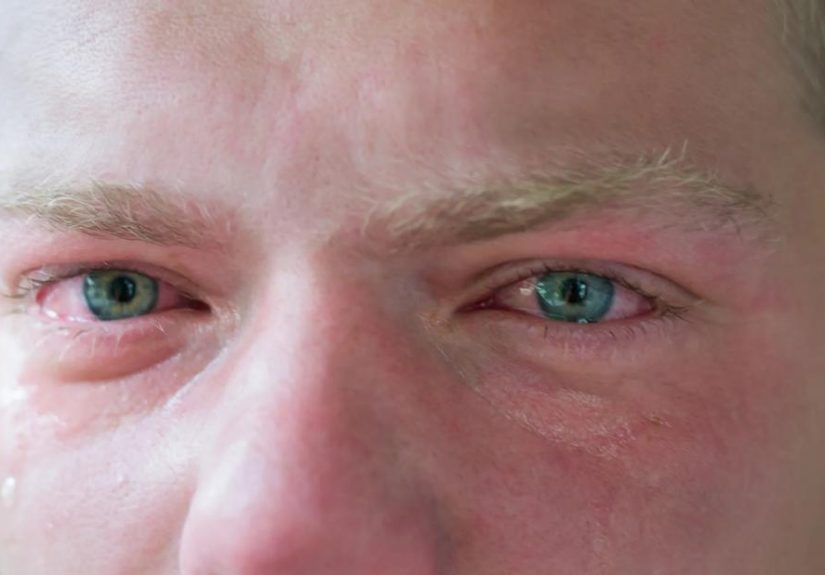
You had a cry. Maybe it was triggered by a breakup, a brutal work email, a family fight, or a movie that somehow turned a cartoon dog into an emotional wrecking ball. Then morning arrives, and your eyes look like they lost a boxing match with your feelings. The good news: puffy eyes after crying are usually temporary, common, and fixable with a few simple steps.
If you want to get rid of swollen eyes from crying fast, the best approach is not exotic, expensive, or hidden in some luxury eye serum. It is usually a mix of cold therapy, gentle drainage, rest, hydration, and not making the area angrier than it already is. The skin around the eyes is thin and delicate, so it tends to hold onto fluid and show inflammation more dramatically than the rest of your face. In other words, your eyelids are drama queens. Respectfully.
This guide breaks down why crying causes puffiness, what actually helps, what to avoid, and when swollen eyes may be a sign of something other than an emotional Tuesday.
Why crying makes your eyes swell
Swollen eyes after crying happen for a few very normal reasons. First, emotional tears can overwhelm your tear drainage system. When tears do not drain quickly, some fluid lingers around the eyelids and under-eye area. Second, crying often causes blood vessels around the eyes to widen, which can lead to redness and puffiness. Third, many people rub their eyes while crying, which irritates the skin and makes swelling worse.
That combination explains why you can feel emotionally lighter and still look like your face is buffering.
How to get rid of swollen eyes from crying quickly
1. Use a cold compress first
If you do only one thing, make it this. A cool compress helps reduce inflammation and temporarily narrows blood vessels, which can lessen puffiness and redness. Wet a clean washcloth with cool water, wring it out, and place it over your closed eyes for 10 to 15 minutes. You can repeat this a few times throughout the day.
A chilled gel eye mask works, too. So do refrigerated spoons, if you want to feel oddly fancy. Just do not place ice directly on your skin. The eye area is delicate, and “frostbite chic” is not a recognized skincare trend.
2. Stay upright and elevate your head
Gravity can actually help you here. Lying flat may let fluid collect around your eyes, which can make swelling more noticeable. Sit upright for a while after crying, and if you are heading to bed, sleep with your head slightly elevated on an extra pillow. That small change can make a big difference by morning.
This is especially helpful if your crying session happened late at night, which is when puffiness loves to settle in and overachieve.
3. Try gentle lymphatic-style massage
Once the worst of the puffiness has calmed down, a very gentle massage may help move some of the trapped fluid away from the eye area. Using your ring finger, lightly tap from the inner corner of the under-eye area outward toward the temples. Keep the pressure soft. Think “butterfly landing,” not “scrubbing a countertop.”
You can also roll a chilled jade roller or metal roller very lightly across the under-eye area. Massage should never hurt, and if your eyes are still irritated, skip it until they feel calmer.
4. Use artificial tears if your eyes feel dry or irritated
This sounds backward, but watery eyes and dry eyes can happen together. After crying, your eyes may feel stingy, scratchy, or tired. Lubricating eye drops, often called artificial tears, can help soothe dryness and flush away surface irritation. Choose a simple lubricating drop rather than a “get the red out” product unless a clinician has told you otherwise.
If you already deal with allergies or dry eye, this step can be especially useful because crying can aggravate both.
5. Rinse your face and eyelids with cool water
A quick rinse with cool water can help wash away salt from tears, calm irritated skin, and make you feel a little more human. Splash gently rather than aggressively scrubbing. If your eyelids feel sticky or irritated, use a soft, clean cloth and light pressure.
Sometimes the simplest fix is also the one your grandmother would approve of.
6. Take out contact lenses for a while
If you wear contact lenses, give your eyes a break after crying. Your eyes may be more irritated, and contacts can add friction when the eye surface already feels sensitive. Switch to glasses until the redness and puffiness improve. If you also notice discharge, pain, or increasing redness, keep the contacts out and pay attention to other symptoms.
7. Use caffeine-based eye products carefully
Some eye creams and masks contain caffeine, which can temporarily reduce the look of puffiness by constricting blood vessels. These products can help a little, especially when combined with cooling. But they are a supporting actor, not the whole movie. If you are deciding between an expensive eye gel and a cold washcloth, the washcloth is still the better bargain.
Chilled caffeinated tea bags are another popular option. They may help because they are cold and contain caffeine, but the cooling effect is likely doing most of the heavy lifting. If you try this, make sure the tea bags are clean, cool, and not dripping into your eyes like a tiny spa accident.
8. Go easy on salt and late-night fluid retention triggers
If your eyes are already puffy, a super salty dinner right before bed is not exactly teamwork. Salt can contribute to fluid retention, which may make under-eye swelling look worse the next morning. You do not need to eat like a monk, but choosing lighter foods and staying reasonably hydrated can help your face look less puffy overall.
Hydration matters because tired, irritated eyes tend to feel worse when the rest of you is running on caffeine, stress, and exactly three sips of water.
9. Get some sleep
Yes, sleep is annoyingly effective. If your eyes are swollen from crying, sleep gives your body time to settle inflammation, rebalance fluids, and recover from whatever emotional marathon just happened. Poor sleep can make under-eye swelling look more pronounced, so even a short nap may help.
Think of it as emotional rebooting, but with blankets.
What not to do when your eyes are puffy from crying
Some habits can turn temporary puffiness into a longer, angrier problem. Try to avoid these:
Rubbing your eyes
This is the big one. Rubbing increases irritation, worsens swelling, and can make redness stick around longer. It also feels helpful for about four seconds and then betrays you.
Putting ice directly on the skin
Cold helps. Direct ice does not. Always wrap cold packs in a cloth.
Using steroid eye drops without medical advice
If you have allergies, medicated drops can be useful, but steroid drops are not something to play around with casually. The wrong eye drop can make the wrong problem worse.
Keeping contacts in irritated eyes
If your eyes feel scratchy, dry, or extra red, contacts can add to the irritation.
Assuming every swollen eye is “just crying” forever
Most puffy eyes after crying go away on their own. But if swelling is severe, painful, one-sided, or keeps returning, it may be something else entirely.
How long do swollen eyes from crying last?
For most people, swollen eyes from crying improve within a few hours and are much better within a day. If the crying happened right before bed, puffiness may be most noticeable the next morning. A cool compress, elevation, and time usually do the trick.
If your eyes are still very swollen after 24 to 48 hours, or if the swelling keeps coming back without obvious crying, it is worth considering other causes such as allergies, a stye, blepharitis, conjunctivitis, dry eye, or another eyelid issue.
When swollen eyes may be something more than crying
Sometimes your eyes are not just puffy. They are trying to file a formal complaint. Seek medical attention if you have any of the following:
- Eye pain, not just puffiness
- Vision changes or blurry vision that does not clear quickly
- Significant redness in one eye
- Pus, thick discharge, or crusting
- Fever or facial swelling
- Swelling after an injury
- Difficulty moving the eye
- Symptoms that keep getting worse instead of better
- Severe irritation while wearing contact lenses
These symptoms may point to an infection, allergy flare, blocked gland, injury, or another eye condition that deserves proper care.
Best routine if you need to de-puff fast
If you have 20 minutes and would like your face to look less like it just listened to an emotional breakup playlist on repeat, try this quick routine:
- Rinse your face with cool water.
- Apply a cool compress over closed eyes for 10 minutes.
- Sit upright and avoid rubbing.
- Use lubricating eye drops if your eyes feel dry or stingy.
- Lightly tap under the eyes from inner corners outward.
- Put on glasses instead of contacts for the day.
- Get some rest and drink water.
Will this erase all signs of crying instantly? Probably not. But it can absolutely take your eyes from “obvious emotional plot twist” to “maybe I just have allergies.”
Final thoughts
The best ways to get rid of swollen eyes from crying are refreshingly low-tech: cool the area, reduce irritation, help fluid move along, and give your eyes a little time. Puffy eyelids are usually a normal, short-lived response to tears, especially if you rubbed your eyes or cried before bed.
So yes, your eyes may look puffy today. That does not mean they will look that way tomorrow. Treat them gently, skip the dramatic rubbing, and let cold compresses do what overpriced miracle products keep promising. Sometimes recovery really is just a washcloth, a pillow, and a little patience.
Experiences: What swollen eyes from crying actually feels like in real life
Anyone who has ever cried hard enough to need a recovery snack knows the experience is not just physical. It is oddly practical. You cry because you are overwhelmed, sad, frustrated, relieved, or all four at once. Then the tears slow down, your brain is still trying to process your life, and suddenly you notice your eyes feel hot, tight, heavy, and weirdly tired. You look in the mirror and think, “Wow. My face has really committed to the theme.”
For many people, the puffiness shows up fastest in the lower eyelids. The skin looks fuller, your eyes may seem smaller, and the redness can make you look as though you slept in your mascara even if you do not wear any. If the crying happened late at night, the next morning is often the real surprise. You wake up feeling emotionally steadier, but your reflection is still carrying yesterday’s meeting notes.
A common experience is that one eye looks worse than the other. That usually happens because people rub one side more, sleep on one side, or have subtle differences in drainage and swelling. It is irritating, but also very human. Faces are not perfectly symmetrical on a normal day, and they definitely are not after a long cry.
Another real-life detail people notice is the strange combination of watery eyes and dryness at the same time. After crying, your eyes can feel damp, gritty, and irritated all at once. That is why a cool compress and lubricating drops often feel so much better than just wiping your face and hoping for the best. The skin around the eyes tends to feel tender, too, especially if tissues, sleeves, or pillowcases were involved in the emotional cleanup effort.
There is also the social side of it. Puffy eyes can make people feel self-conscious before work, school, errands, or video calls. That is often why fast fixes matter so much. Most people are not trying to look flawless. They just want to look a little more rested and a little less like they lost an argument with life at 1:17 a.m.
The reassuring part is that swollen eyes from crying usually respond well to basic care. A cold washcloth, a few minutes upright, less rubbing, and a little patience often make a visible difference. In everyday experience, that is the real takeaway: this kind of puffiness may feel dramatic in the moment, but it usually fades faster than your brain tells you it will. Your feelings can be big without your face staying stuck there forever.