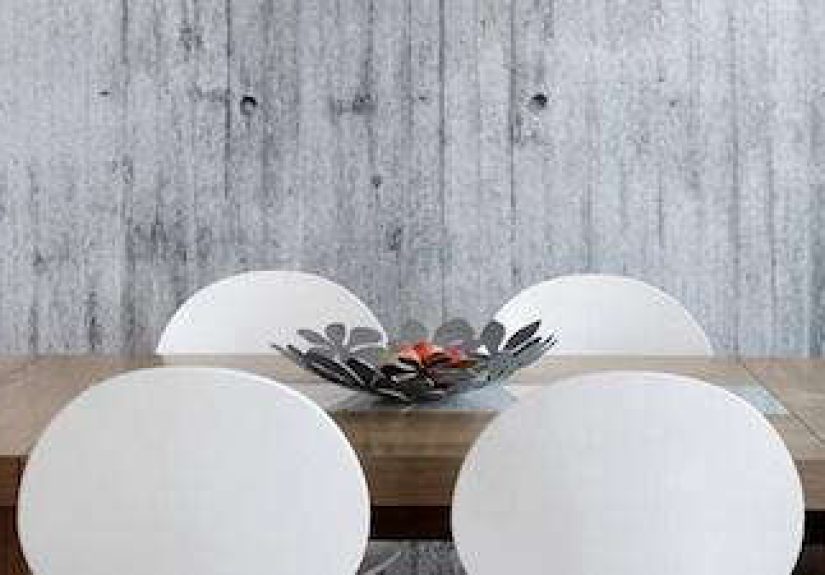
Table of Contents >> Show >> Hide
- What “Concrete Wallpaper” Really Means (and What It Doesn’t)
- Concretewall’s “Secret Sauce”: Real Walls, No Repeats, Custom Scale
- Where It Works: Walls, “Window Moments,” and Floors That Play Along
- Choosing the Right Concrete Look: Undertone, Scale, and “Story”
- Installation That Doesn’t End in Tears: A Practical Walkthrough
- Care, Cleaning, and “Please Don’t Scrub It Like a Cast-Iron Pan”
- Indoor Air and Safety: The Unsexy (But Important) Stuff
- Room-by-Room Style Examples That Actually Work
- Frequently Asked Questions
- Real-World Experiences: What It’s Like Living With a Concretewall-Style Concrete Wallpaper
- Conclusion
Concrete is the introvert of design materials: it doesn’t beg for attention, but somehow ends up running the whole room.
The problem is that real concrete (1) weighs as much as your weekend plans, (2) is permanent in a way that landlords and indecisive
decorators find emotionally threatening, and (3) does not arrive with a “peel here” tab.
Enter concrete-look wallpaperspecifically the concrete wall covering line from Concretewall, a brand built around
photographing real, character-rich concrete surfaces and turning them into mural-scale wall coverings that feel industrial, modern, and
pleasantly “I have my life together” without requiring a cement mixer.
In this guide, we’ll break down what concrete wallpaper is, how Concretewall’s approach is different, where it actually works (yes, even
beyond a basic accent wall), and how to pull off the look on walls, window-adjacent moments, and floorswithout your home
resembling an abandoned parking garage (unless that’s your vibe, in which case: respect).
What “Concrete Wallpaper” Really Means (and What It Doesn’t)
Concrete wallpaper is a wall covering designed to mimic the look of poured or weathered concretethink tonal variation,
subtle mottling, hairline cracks, formwork marks, old patch jobs, and the kind of “patina” you normally pay extra for in boutique hotels.
It’s a popular subset of industrial interior design, because it delivers that raw-material feeling without committing to
structural construction.
What it doesn’t do: increase your home’s load-bearing capacity, replace a slab foundation, or magically make your plumbing exposed
in a chic way. It’s still wallpaper. But the best versions behave more like a wall muralespecially when they’re custom
printed and scaled to your wallso the effect is immersive rather than “I found a gray roll on clearance.”
Why the look keeps showing up everywhere
Concrete has become a design neutrallike white paint, but with better storytelling. Industrial style, in particular, borrows from factories
and warehouses and leans on materials like metal, brick, and concrete for visual grit and authenticity. When done well, it
reads as calm, modern, and confidentnever fussy, never precious, and rarely offended by your dog.
Concretewall’s “Secret Sauce”: Real Walls, No Repeats, Custom Scale
Many concrete-look wallpapers rely on repeating patterns. That’s fine for geometrics and florals, but concrete is one of those surfaces your
brain expects to be non-repeating. When the same crack shows up every 25 inches like a clone army, the illusion collapses faster
than a soufflé in a bouncy castle.
Concretewall’s core promise is authenticity: their designs are crafted from real walls, and they emphasize that
patterns don’t repeat. In plain English: your wall looks like an actual photographed slabat full scalerather than a tiled
graphic. Orders are also sized to the client’s specifications, which helps reduce waste and makes the finished wall feel intentional instead
of “close enough.”
Materials and finish: why texture matters
Concretewall describes their wall covering as a premium non-woven vinyl with a sandy surface meant to
replicate stone-like texture. That matters because concrete isn’t just a colorit’s a surface. The slight grit helps kill glare and makes
the print feel more believable, especially in bright rooms.
A quick note on commercial friendliness
Concretewall also highlights compliance with fire testing standards used for interior finishes (useful for retail, hospitality, and offices).
Translation: this isn’t just a “cute renter DIY” product categoryit’s positioned for serious spaces that need specs, repeatable quality, and
the ability to cover large walls without visual weirdness.
Where It Works: Walls, “Window Moments,” and Floors That Play Along
1) Walls: the obvious win (and still the best one)
Concrete wallpaper shines on:
- Accent walls behind a sofa, bed, or dining banquette
- Hallways (the runway of your homegive it drama)
- Home offices where you want a clean, modern backdrop on video calls
- Retail-style “feature” zones like bar areas, reading nooks, or entry walls
The big design trick: concrete is visually “cool,” so balance it with warm materialswood, leather, linen, brass, and plants. The goal is
boutique hotel, not dungeon chic.
2) Windows: not wallpaper on glass (usually), but the concrete vibe near windows
Let’s be precise: most wallpapers are designed for walls, not glass. But you can extend the concrete aesthetic around windows in smarter ways:
- Window-adjacent panels: wrap the wall area around windows in the same concrete mural so the openings feel “carved” out of
a larger slab. - Decorative window film: use a frosted or textured film for privacy (bathroom windows, street-facing panes) while staying in
a minimalist, architectural mood. It’s not the same as concrete, but it supports the same modern language. - Hardware and trim: matte black, dark bronze, or brushed stainless finishes echo the industrial palette.
If you go the window film route, follow installation guidance carefullyespecially in high-humidity areas where condensation can mess with
adhesion. (Your bathroom window is not the place for “winging it.”)
3) Floors: pair the look, don’t force the wallpaper
Using standard wallpaper on floors is a short road to disappointment (and sticky socks). Instead, treat “floors” as part of a coordinated
concrete story:
- Real concrete floors: polished or stained concrete can look incredible, but it’s hard underfoot and may require sealing and
ongoing maintenance. - Concrete-look flooring: luxury vinyl tile (LVT) or vinyl plank can mimic concrete tones while being warmer and more forgiving.
- Rugs as a buffer: add texture and comfort while letting the wall remain the star.
The best combos are simple: concrete wall + warm wood floor, or concrete wall + concrete-look vinyl floor with plenty of textiles to soften it.
Choosing the Right Concrete Look: Undertone, Scale, and “Story”
Undertone is everything
Concrete can lean blue-gray, green-gray, warm greige, or even slightly taupe.
Match the undertone to your fixed elementsflooring, cabinets, countertopsso the wall looks intentional.
Scale: mural beats micro-pattern
The whole point is believability. Larger, continuous imagery reads more like a real surface, especially when it doesn’t repeat. If you’re
deciding between a busy faux texture and a mural-style slab: pick the slab.
Character level: “new pour” vs “beautifully imperfect”
Concrete can look pristine or historic. Some Concretewall designs lean into visible detailscracks, old paint traces, patch marksso your wall
has a narrative. That’s perfect for industrial and modern spaces, but if your home is more “quiet luxury,” choose a calmer concrete with
softer movement.
Installation That Doesn’t End in Tears: A Practical Walkthrough
Wallpaper success is mostly preparation. The glamorous part is the “after.” The important part is the “before,” which is less glamorous and
involves cleaning, smoothing, and saying goodbye to that one mystery wall bump you’ve been ignoring since 2019.
Step 1: Get the wall truly ready
- Clean the surface so dust and grease don’t fight the adhesive.
- Smooth bumps and fill holes; concrete looks unforgiving over texture.
- Prime if needed, especially on porous drywall repairs or tricky surfaces.
Step 2: Plan your layout like a grown-up
Even with custom panels, you want to know where seams landespecially near corners, windows, and doors. Dry-fit the idea in your head (or on a
sketch) so you don’t end up with a dramatic crack line perfectly centered behind your TV mount.
Step 3: Hang with patience, not adrenaline
For non-woven wall coverings, the common method is “paste the wall”adhesive goes on the wall, then panels go up, aligned carefully and smoothed
from center outward to push out air. Work slowly, keep your blade sharp for trimming, and wipe stray paste before it dries and turns shiny.
When to call a pro
If you’re doing a giant statement wall, a commercial space, or anything with lots of angles and openings, hiring a professional installer can
be cheaper than re-ordering panels after a “learning experience.”
Care, Cleaning, and “Please Don’t Scrub It Like a Cast-Iron Pan”
Concrete-look wallpaper is popular partly because it’s forgiving visuallysmudges don’t scream the way they do on bright white walls. Still,
cleaning should match the material.
- Dust first (microfiber cloth or gentle vacuum brush).
- For vinyl-based wallpapers, a lightly damp sponge with mild soap is often recommendedtest in an inconspicuous spot.
- Avoid abrasive pads and harsh cleaners unless the manufacturer explicitly approves them.
In kitchens and entryways, the concrete look is actually a smart pick because it hides everyday life: fingerprints, scuffs, and the occasional
“I carried a plant indoors and it fought back.”
Indoor Air and Safety: The Unsexy (But Important) Stuff
Any time you’re installing wall coverings, adhesives and new materials can affect indoor airespecially in small rooms. The safest approach is
simple: follow product directions, ventilate well during and after installation, and take breaks if you’re working with strong-smelling paste.
If you’re especially sensitive (or installing in a nursery, classroom, or healthcare setting), look for low-emitting materials and be extra
disciplined about ventilation. Design is supposed to make you feel better, not like you’re marinating in “new project smell.”
Room-by-Room Style Examples That Actually Work
Living room: gallery wall energy without the chaos
Put concrete wallpaper behind the sofa, then layer in warm woods (oak coffee table), soft textiles (bouclé or linen), and one oversized art
piece. Add a plant. Congratulations: your room now looks like it’s been featured somewhere expensive.
Bedroom: headboard wall, but make it architectural
Concrete behind the bed looks best with clean-lined bedding and warm lighting. Pair with black metal sconces or brass hardware for contrast.
Keep the rest of the room quiet so the “slab” reads intentional, not busy.
Kitchen: industrial without turning your home into a restaurant
Use concrete wallpaper on a breakfast nook wall, pantry door zone, or a small coffee bar corner. Combine with wood shelves, matte black
hardware, and a simple runner rug.
Bathroom: use it where it won’t get soaked
Wallpaper in bathrooms can work, but placement matters. Choose walls that won’t be directly hit by water, ensure ventilation is solid, and
prioritize materials and adhesives rated for higher humidity. If you want the concrete vibe on glass, consider decorative window film
for privacy instead of forcing wallpaper onto a shower window like it’s a dare.
Office or studio: camera-friendly minimalism
Concrete wallpaper is a top-tier video-call background because it reads modern and neutral, with enough texture to look intentional on camera.
Add a simple shelf, a task lamp, and one piece of art. That’s it. Don’t overdecorateconcrete likes breathing room.
Frequently Asked Questions
Is concrete wallpaper renter-friendly?
It can be, depending on the adhesive system and the wall condition. Removable wallpapers are generally marketed toward renters, but results vary
based on paint type and texture. Always test a small area firstyour future security deposit will thank you.
Will it hide wall imperfections?
Minor scuffs, yes. Texture bumps, no. Concrete designs can disguise some flaws, but wallpaper still telegraphs big wall texture and dents.
Smoothing and priming are the real heroes.
Does it look “cold”?
It canif you pair it with nothing but black furniture and a single lonely chair. Balance it with warm woods, textiles, layered lighting, and
plants, and it reads calm and elevated instead of chilly.
Can I match it with concrete-looking floors?
Yes, but mix textures so the room doesn’t feel flat. If the wall is concrete-look, choose flooring that’s either warm (wood) or concrete-toned
with variation, then soften everything with rugs and upholstery.
Real-World Experiences: What It’s Like Living With a Concretewall-Style Concrete Wallpaper
People usually pick concrete wallpaper for one of two reasons: they love modern, architectural spacesor they want their home to stop looking like
“every apartment listing photo from 2014.” Either way, the first experience is often surprise at how much the wall changes the behavior
of a room. A concrete-look mural tends to quiet visual noise. Patterns feel less busy than florals or geometrics, so your furniture and art read
cleaner. The room can feel bigger, even if nothing moved, because your eyes aren’t bouncing off high-contrast motifs. It’s the design equivalent
of switching from a group chat to “Do Not Disturb.”
In living rooms, a common reaction is: “Why does my couch look more expensive?” Concrete backgrounds make shapes and materials popleather looks
richer, wood looks warmer, and metal accents look more intentional. People who were nervous about concrete feeling cold often change their mind
once they add warm lighting. A pair of soft-glow lamps or wall sconces can turn a gray slab effect into something cozy and gallery-like. The
bigger lesson: concrete wallpaper loves layered light. Overhead-only lighting can make the wall feel flat; warm pools of light
make the texture feel dimensional.
In bedrooms, the experience is usually about mood. A concrete headboard wall can feel calmingalmost spa-likebecause it’s neutral but not blank.
The wall becomes a “frame” for the bed. People who like minimalist spaces report that it scratches the itch for interest without adding clutter.
And for those who are not minimalists (hello, maximalist nightstand stacks), it provides a steady background that keeps the room from feeling
chaotic. One practical note you hear a lot: concrete wallpaper hides small scuffs better than painted drywall, which is great if you’re the kind
of person whose laundry basket has a personal vendetta against baseboards.
Kitchens and entryways create the most “real life” feedback. The good news: concrete patterns are forgiving with fingerprints and daily grime,
especially compared with bright paint. The caution: you still need to clean appropriately. Owners tend to do best when they dust regularly and
spot-clean gently rather than scrubbing aggressively. Another common experience is decision relief: once the concrete wall is up, it becomes the
anchor that makes other choices easiercabinet hardware, art frames, bar stoolsbecause the palette is already set. Concrete quietly acts like a
stylist.
For offices and studios, people consistently mention camera confidence. A concrete wall reads professional and modern on video without pulling
focus. It’s more interesting than flat gray paint, but it won’t steal attention like a bold pattern. One freelancer described it as “a
background that looks designed, even when my desk is… emotionally messy.” The only repeated regret tends to be rushing installation or skipping
wall prep. When seams line up beautifully and the wall is smooth, the result feels high-end. When prep is sloppy, the wall becomes a permanent
reminder that shortcuts are never actually short.