Table of Contents >> Show >> Hide
If you spend any time in national parks, campgrounds, or trailheads, you’ve probably met the humble vault toilet. It’s that small concrete or fiberglass building in the parking lot with a mysterious vent pipe on top and a door that creaks like a horror movie. It may not be glamorous, but vault toilets quietly solve a big problem: how to give people a bathroom in the middle of nowhere without plumbing or running water.
In this guide, we’ll break down exactly what a vault toilet is, how it works, what to expect when you use one, and how these waterless restrooms help protect the environment. We’ll also compare vault toilets with other outdoor restroom options and share real-world tips and experiences so your next visit is a lot less intimidatingand maybe even surprisingly pleasant.
What Is a Vault Toilet?
A vault toilet is a type of non-flush, waterless toilet that stores human waste in a large, sealed underground tank called a vault. Instead of flushing waste away with water, everything drops directly into this underground holding tank, where it stays until a service truck comes to pump it out and haul it to a wastewater treatment facility.
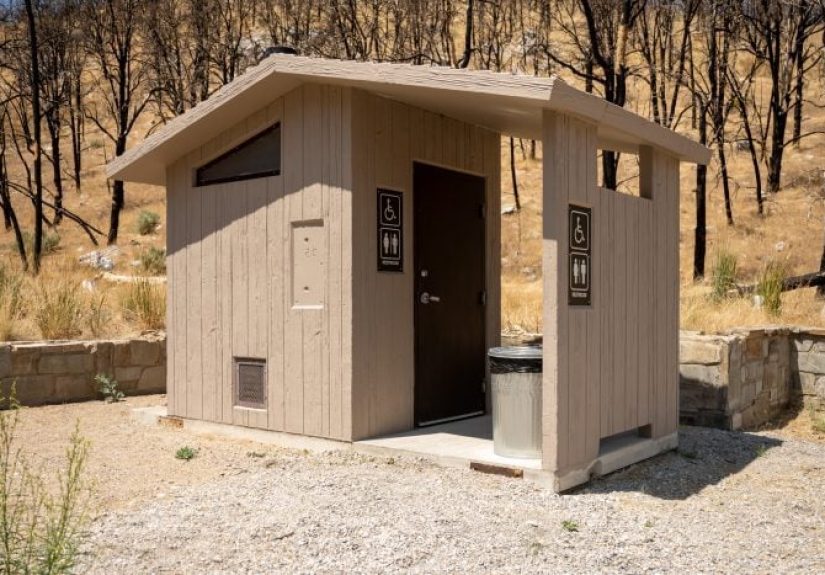
From the outside, a vault toilet usually looks like a small standalone building or outhouse. Inside, there’s a simple toilet seat (and sometimes a urinal) mounted above the vault. There’s no sink, no plumbing, and no flushing mechanism. What you do see is usually a sturdy door, handrails for accessibility, and a tall vent stack outside that helps control odors and gases.
Vault Toilet vs. Pit Toilet vs. Composting Toilet
People often confuse vault toilets with other rustic bathroom setups, so here’s how they differ:
- Pit toilet (pit privy): Waste goes into an unlined or partially lined hole in the ground. It’s simple and cheap but offers less protection against groundwater contamination.
- Vault toilet: Waste is collected in a watertight vault (often reinforced concrete or heavy-duty plastic). The tank is pumped out and the contents are treated off-site.
- Composting toilet: Designed to break down waste into compost using microorganisms, ventilation, and sometimes bulking materials like sawdust.
Because vault toilets use sealed tanks and haul waste away, they’re considered a step up from basic pit toilets in terms of groundwater protection and long-term hygiene.
How a Vault Toilet Works
Although it looks simple, a vault toilet is a surprisingly smart bit of engineering. Here’s what’s going on behind that squeaky door.
The Anatomy of a Vault Toilet
Most vault toilet systems have two main parts:
- The vault: A watertight underground tank, often 750–1,000 gallons or more, made from reinforced concrete or cross-linked polyethylene. It’s buried below the toilet building and designed so trucks can access a pumping port.
- The superstructure: The aboveground building that houses the toilet seat. It’s typically built from concrete, fiberglass, or durable composite materials that can handle snow, sun, and everything in between.
Inside the restroom, the toilet opening is directly connected to the vault. Outside, the vault has a sealed access hatch for pumping and a vent pipe that carries gases up and away from people’s noses.
Odor Control and Ventilation
Let’s be honest: the number-one fear people have about vault toilets is the smell. That’s why modern designs put a lot of effort into odor control. A well-designed vault toilet typically includes:
- A tall, dark-colored vent stack that uses solar heating and wind to create a draft, pulling odors up and out of the vault instead of into the restroom.
- Good door and seat seals to help keep air moving in the right direction.
- Strategic building orientation so that sunlight and prevailing winds help ventilate the vault naturally.
Some systems also use biological additives, filters, or upgraded ventilation hardware to reduce odor even further. When everything is working correctly, the smell is usually noticeable but manageablemore “forest restroom” and less “toxic disaster.”
Maintenance and Pump-Outs
Since the vault is just a big holding tank, it needs to be pumped out regularly. How often depends on:
- The size of the vault
- How popular the site is (busy campground vs. quiet trailhead)
- Seasonal use (summer crowds vs. winter closures)
A vacuum truck connects to a service port, pumps out the waste, and hauls it to a municipal wastewater treatment plant. During servicing, crews also clean surfaces, refill toilet paper, and check for damage or vandalism. This simple, repeatable process is a big reason why agencies like the National Park Service, U.S. Forest Service, and local park districts rely so heavily on vault toilets.
Where You’ll Find Vault Toilets
Vault toilets show up anywhere people need to gobut plumbing can’t. Common locations include:
- Campgrounds and RV parks in state and national parks
- Trailheads for hiking, biking, and off-road vehicle routes
- Boat launches and fishing access sites
- Scenic overlooks and roadside pullouts in remote areas
- Seasonal or temporary event areas where permanent plumbing doesn’t make sense
If you see a tiny building in a remote parking area with a vent pipe sticking out of the roof, chances are good it’s a vault toilet.
Pros and Cons of Vault Toilets
Vault toilets fill a specific niche in outdoor sanitation. Here’s how they stack up.
Advantages of Vault Toilets
- No water required: Since vault toilets are completely waterless, they’re perfect in arid climates, high elevations, or places without reliable water lines.
- Protects the environment: The watertight vault helps prevent raw sewage from seeping into soil and groundwater, especially compared with makeshift holes or poorly built pits.
- Lower infrastructure costs: No sewer connection, no septic drain field, no water supply line. Installation still isn’t cheap, but it’s usually far less than running full utilities.
- Durable and simple: Fewer moving parts mean less that can break. Properly maintained vault toilets can last for many years.
- Scalable for remote recreation: Land managers can add vault toilets at high-use spots without overhauling entire infrastructure systems.
Drawbacks to Be Aware Of
- Odors if poorly designed or maintained: When vents clog or tanks are overdue for pumping, the smell can be… memorable.
- Limited amenities: Many vault toilets don’t have sinks, hand dryers, or electric lighting, especially in very remote areas.
- Access for pump trucks required: Sites must be reachable by service vehicles, which can be tricky in rugged terrain or after heavy weather.
- User experience varies: Some vault toilets are spotless and modern; others look like they’ve seen one too many holiday weekends.
Despite these drawbacks, vault toilets are often the best balance between cost, environmental protection, and practicality in remote locations.
How to Use a Vault Toilet (Without Drama)
Using a vault toilet isn’t complicated, but a little knowledge and etiquette go a long wayfor you, for the next person, and for the environment.
Step-by-Step Basics
- Bring supplies: Many vault toilets provide toilet paper, but it’s always smart to carry a backup roll, hand sanitizer, and wipes (for hands only, not flushing).
- Check the stall: Make sure the floor is reasonably clean, the seat is intact, and there’s enough toilet paper.
- Use the seat like a normal toilet: Sit, do your business, and try not to stare into the abyss longer than necessary.
- Close the lid after use: This helps with odor control and keeps insects from coming up from the vault.
- Sanitize your hands: Use hand sanitizer if there’s no sink or running water available.
What You Should Not Put in a Vault Toilet
The vault toilet is not a trash can. Tossing random items into the vault makes pumping harder, increases maintenance costs, and can damage equipment. Unless posted otherwise, you should only put:
- Human waste
- Toilet paper provided in the restroom
Do not dispose of these in a vault toilet:
- Diapers or wipes (even “flushable” ones)
- Feminine hygiene products
- Trash, food, or pet waste bags
- Chemicals, oils, paints, or cleaners
Most parks have separate trash cans and sometimes special waste disposal pointsuse those instead of turning the vault into a surprise piñata for the pump truck crew.
Safety and Accessibility Tips
Modern vault toilet buildings are often designed to be accessible, with:
- Ramps or level entrances
- Grab bars and adequate turning space inside
- Wide doors and appropriate seat height
Still, conditions can vary, especially at older sites. If you’re traveling with children, older adults, or someone with mobility challenges, it’s smart to:
- Pack a small flashlight or use your phone lightmany vault toilets rely on natural light only.
- Bring sanitizing wipes or a disposable seat cover if someone is sensitive about surfaces.
- Help kids understand that the “big dark hole” is safe, but they should stay seated and not lean over the opening.
Vault Toilets, the Environment, and Regulations
One of the biggest reasons agencies invest in vault toilets is environmental protection. In high-use recreation areas, unregulated human waste can contaminate water sources, spread disease, and damage fragile ecosystems. Vault toilets are designed to:
- Contain waste securely in watertight vaults, reducing risks to groundwater.
- Centralize management so waste can be treated properly at approved facilities.
- Support Leave No Trace principles by giving visitors a clear, designated place to go.
Local health departments, environmental agencies, and building codes usually regulate how vault toilets are sited, constructed, and maintained. Many must also meet accessibility standards so people of all abilities can use them safely.
Real-World Experiences with Vault Toilets
To round things out, let’s talk about what it’s actually like to live with vault toiletswhether you’re a camper, a road-tripper, or the unofficial “family trip planner” who always has to think about where the next bathroom stop will be.
Your First Time Using a Vault Toilet
For many people, the first encounter with a vault toilet happens at a trailhead after a long drive. You open the door, feel a wave of cool or warm air (depending on the season), and suddenly realize there’s no flush handle in sight. It can be a little intimidating, but once you know what to expect, it’s much easier.
Most modern vault toilets are cleaner than their reputation suggestsespecially in well-maintained national and state parks. You might see some spiderwebs, dust, and the occasional bug, but the floor is often swept, the toilet paper stocked, and the seat intact. The biggest “mental hurdle” tends to be the dark vault below. The trick is simple: focus on the seat, not the pit. Sit, do your thing, sanitize, and head out to enjoy the view.
Many frequent campers develop a vault toilet routine: carry a small “bathroom kit” with hand sanitizer, a roll of toilet paper in a zip bag, and a compact pack of tissues. With that setup, even a minimalist vault restroom feels perfectly manageable.
Family Trips and Kid Reactions
If you’re camping with kids, introducing them to a vault toilet can range from hilarious to dramatic. Some kids are fascinated (“It goes all the way down there?!”), others are terrified (“It’s going to swallow me!”). A little prep talk helps:
- Explain that it’s just like a regular toilet but without water.
- Reassure them the seat is safe and the building is solid.
- Let them use a headlamp or flashlightturning it into a “bathroom adventure” can make it fun.
Parents often find that once the first visit is done, kids adapt quickly. Some even brag later about how “hardcore” their camping bathroom was. From a practical standpoint, knowing there’s a predictable, designated toilet at camp takes a lot of stress out of family tripsespecially compared with digging cat holes in the dark.
What Rangers and Maintenance Crews Wish You Knew
Talk to people who maintain vault toilets, and you’ll hear the same message: visitors make or break the experience. When users treat the vault toilet like a shared resource instead of a target for their worst habits, everyone wins.
The biggest headaches come from trash in the vaultdiapers, cans, bottles, food, wipes, and even random camping gear. These items don’t break down, clog hoses, and make servicing longer, smellier, and more expensive. Crews also have to deal with graffiti, damaged doors, and broken seats, all of which shorten the life of the facility.
On the flip side, it doesn’t take much to be a “vault toilet hero”:
- Pack out your trash instead of leaving it in corners or tossing it into the vault.
- Teach your group the basics of what belongs in the toilet and what doesn’t.
- Report serious problems (like a full vault, broken door, or no toilet paper) to park staff when you can.
For land managers, a well-placed, well-maintained vault toilet can dramatically improve the health of nearby streams and lakes and reduce the amount of “surprise” waste left along trails. For visitors, it means you don’t have to bring a shovel for every bathroom break. That’s a win on both sides.
Why Vault Toilets Matter More Than You Think
It’s easy to overlook vault toiletsuntil you really need one. These unassuming buildings quietly support outdoor recreation, rural tourism, and road-trip culture every single day. They make it possible for thousands of people to enjoy wild places without slowly turning those places into unflushed disasters.
So the next time you pull up to a trailhead and see that little concrete building with a vent pipe, remember: it’s not just a “gross bathroom in the woods.” It’s an engineered, regulated, and carefully managed piece of infrastructure that keeps your favorite spots safer, cleaner, and more accessible. A quick, respectful visit is a small price to pay for everything it does in the background.
Conclusion: Getting Comfortable with Vault Toilets
Vault toilets may not be anyone’s favorite part of a camping trip, but they’re a practical, eco-conscious solution for places where flush toilets simply aren’t possible. By understanding what a vault toilet is, how it works, and how to use it properly, you can make your next outdoor adventure more comfortableand help protect the landscapes you love.
They save water, protect groundwater, and give hikers, campers, anglers, and road-trippers a dependable place to go when nature calls. Treat them well, pack a bit of extra hygiene gear, and you’ll find that the “scary little building” at the edge of the parking lot is actually one of the unsung heroes of outdoor recreation.