Table of Contents >> Show >> Hide
- What “Anti-Radar Missile” Actually Means (and Why It’s a Big Deal)
- Why Putting U.S. HARMs on a MiG-29 Was So Weirdand So Impressive
- So… How Does It Work Without Turning This Into a “How-To” Manual?
- What This Changes on the Battlefield: The Value of Making Radars Nervous
- Limitations: This Isn’t a Magic Wand (and Nobody Should Pretend It Is)
- The Bigger Story: Ukraine’s “Franken-Fleet” Strategy
- Quick FAQ: The Questions Everyone Asks After Reading the Headline
- Experiences: What It’s Like When You Turn a Cold War Jet Into a Modern Radar Hunter (About )
- Conclusion: A DIY SEAD Capability With Real Strategic Weight
- SEO Tags
If you ever wanted proof that “necessity is the mother of invention,” Ukraine has been running a full-time laboratory
since 2022except the lab is a war zone, the engineers wear flight suits, and the final exam is “don’t get shot down.”
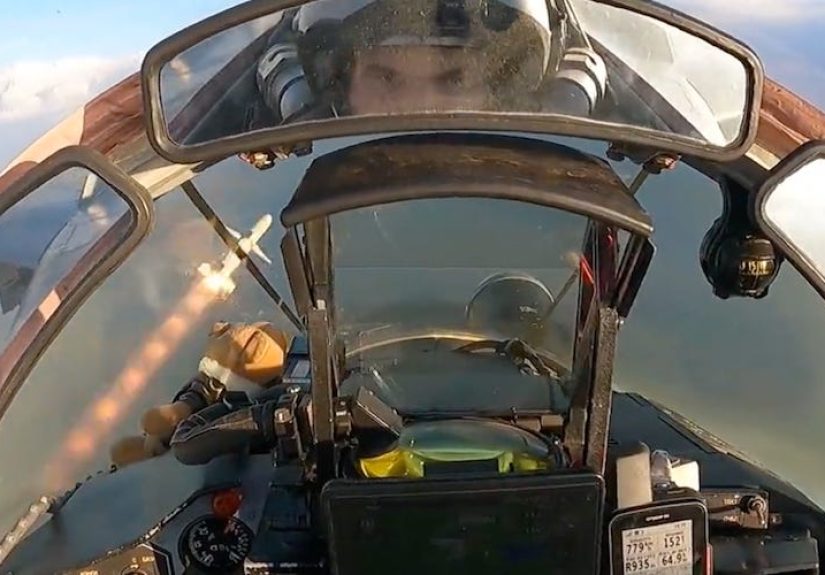
One of the most eyebrow-raising examples: Ukraine adapting U.S.-made anti-radar missilesmost commonly reported as the
AGM-88 HARMonto Soviet-designed MiG-29 fighter jets. In plain English: a Cold War jet learned a new, very Western trick.
This wasn’t just a flashy weapons mash-up for aviation nerds. It signaled something bigger: Ukraine could take a
complicated NATO weapon meant for Western aircraft and make it work on legacy jetsfast. And because anti-radiation
missiles are built to hunt radar, this mattered in the most practical way possible: it helped Ukraine contest Russian
air defenses, create “windows” for other strikes, and force radar operators to think twice about turning on their gear.
What “Anti-Radar Missile” Actually Means (and Why It’s a Big Deal)
Modern air defense systems rely on radar to detect aircraft, guide surface-to-air missiles, and coordinate a layered
“keep-out” zone. Anti-radiation missiles are designed to target those radar emissions. When a radar transmits, it’s
basically shouting, “I’m right here!” to the right kind of seeker. The AGM-88 HARM family is among the best-known
examples: it’s intended to home in on radar sources and either destroy them outright or pressure them into shutting down.
That second effectforcing radars to go darkcan be just as valuable as a direct hit. A radar operator who turns off
the system to avoid being targeted may temporarily reduce coverage, break tracking, or lose the ability to guide
interceptors. In a fight where air defenses are dense and dangerous, creating even short gaps can change what aircraft
and long-range weapons can safely do.
SEAD vs. DEAD: The Alphabet Soup That Explains the Strategy
You’ll see two terms a lot in reporting and defense analysis:
- SEAD (Suppression of Enemy Air Defenses): making air defenses less effective, even temporarily.
- DEAD (Destruction of Enemy Air Defenses): physically taking systems off the board.
Anti-radiation missiles can support both. In a perfect world (for the attacker), they help destroy key radars. In the real
world, they often do something more immediate: they make radar operators flinch, relocate, and hesitatewhich is still
operationally useful.
Why Putting U.S. HARMs on a MiG-29 Was So Weirdand So Impressive
Western weapons are usually built to talk to Western aircraft through standardized interfacesthink specific wiring,
software, and mission-computer logic. The MiG-29 was designed in the Soviet ecosystem. Different architecture, different
avionics assumptions, different everything. This is the part where, historically, someone says, “That’s not compatible,”
and then goes back to their coffee.
Ukraine didn’t have the luxury of “not compatible.” According to public U.S. government statements and defense reporting,
the U.S. provided air-launched anti-radiation missiles and Ukraine successfully integrated and employed them on Ukrainian
aircraft, including MiG-29s. The timeline described publicly was measured in months, not yearsan unusually fast pace for
weapons integration work.
The Integration Problem in Human Terms
To launch a sophisticated missile, the aircraft typically needs to do more than just physically carry it. It may need to:
- Provide electrical power and the right signals at the pylon.
- Support a safe release sequence (so you don’t “launch” it by dropping it like a bad day at the gym).
- Communicate mission data (depending on mode and variant).
- Give the pilot usable cockpit cues (so it’s not “press button and hope”).
If you’re flying an F-16 configured for this mission, the ecosystem is mature: avionics, tactics, and targeting aids are
designed around it. Ukraine’s MiG-29s didn’t have that built-in advantage. Public commentary from U.S. officials and
analysts suggested Ukraine would not get the exact same “full-fat” capability you’d see on Western aircraftbut could
still achieve meaningful SEAD effects.
So… How Does It Work Without Turning This Into a “How-To” Manual?
Let’s keep this responsibly high-level: public reporting has described Ukraine’s MiG-29/HARM pairing as a practical,
sometimes simplified integrationenough to let the missile do its job, without replicating every Western sensor and
targeting feature. Think “effective workaround,” not “perfect factory install.”
In broad terms, anti-radiation missiles are most useful when:
- Radar emitters are active and discoverable.
- The pilot has some awareness of where threats are likely operating.
- There’s a plan to exploit the suppression window (other aircraft, drones, missiles, or artillery timing).
This is why the integration story is as much about operations as wiring. Even a limited ability to launch an
anti-radiation missile can create a chain reaction: radars shut down, air-defense units relocate, coverage gets spotty,
and planners can schedule follow-on strikes when the “umbrella” is wobbling.
What the MiG-29 Gives Ukraine (Even Before You Add the Missile)
The MiG-29 isn’t a brand-new aircraft, but it’s still fast, survivable in the right hands, and widely available in
Ukraine’s fleet and among partner nations that once operated Soviet equipment. It’s also a platform Ukrainian pilots
already knowmeaning less time training and more time flying.
Adding an anti-radiation missile expands what a MiG-29 sortie can accomplish. Instead of only defending airspace or
doing limited strike roles, the aircraft can contribute to the “make enemy air defenses miserable” mission setone of the
hardest, highest-risk jobs in air warfare.
What This Changes on the Battlefield: The Value of Making Radars Nervous
Air defenses thrive on confidence: confidence that they can see you, track you, and guide interceptors before you can do
anything about it. Anti-radiation missiles attack that confidence. Even when they don’t destroy a system, they can
reshape behavior.
1) Forcing “Radar Discipline” (a.k.a. The World’s Worst Game of Hide-and-Seek)
If a radar stays on too long, it may become targetable. If it turns off too early, it may lose tracking and fail to
defend. That dilemma can reduce effectiveness, complicate coordination, and slow decision-makingespecially in contested
areas where seconds matter.
2) Creating Short Windows for Other Weapons
Suppression windows don’t have to last long to be useful. The goal is often to open a gap, then exploit it quickly.
That could mean:
- Standoff strikes hitting infrastructure, logistics, or command nodes.
- Drone operations getting a better chance of reaching targets.
- Aircraft conducting other missions with reduced risk for a brief period.
3) Forcing Air Defense Units to Relocate (and Revealing Their Habits)
Mobile air defense systems aren’t invincible; they rely on movement, camouflage, and smart timing. A credible anti-radar
threat increases the “move or die” pressure. Every move costs time and coordinationand sometimes exposes patterns that
can be exploited later.
Limitations: This Isn’t a Magic Wand (and Nobody Should Pretend It Is)
Even the best weapons don’t erase the realities of a modern integrated air defense environment. Public reporting and
defense analysis repeatedly emphasized the constraints Ukraine faces when using Western weapons on Soviet-era aircraft.
Here are the big oneswithout the hype.
Ukraine’s MiG-29s Don’t Become F-16s Overnight
Western aircraft configured for SEAD often use dedicated sensors and targeting aids. A MiG-29 launching an anti-radiation
missile may lack some of the “find, classify, prioritize, and manage” tooling that makes Western SEAD so lethal.
Practically, that can mean fewer engagement options, less pilot situational awareness, or a heavier reliance on broader
intelligence and planning.
Air Defenses Adapt
Radar operators learn. They change emission patterns. They use decoys. They reposition. They coordinate with other
sensors. And they try to ambush aircraft with passive or alternative tracking methods. In other words: once an opponent
realizes you’ve brought an anti-radar stick to the fight, they start bringing anti-anti-radar ideas.
Availability and Sustainment Matter
Precision weapons are not infinite. Each missile used is one less on the shelfunless supply continues. Integration also
has sustainment tail: training, maintenance, compatible pylons, safe handling, and the operational tempo of an air force
fighting under constant threat.
The Bigger Story: Ukraine’s “Franken-Fleet” Strategy
The MiG-29/HARM pairing is a headline-grabbing example of a broader pattern: Ukraine mixing Western munitions and concepts
with legacy platforms. It’s not always elegant. It’s often improvised. But it reflects an air force trying to stay
relevant against a larger opponent with deeper inventories.
This also helps explain why analysts often discuss the role of Western aircraftlike F-16snot as a single “game changer,”
but as part of an ecosystem shift. If you can field aircraft built for NATO weapons and sensors, you reduce the need for
clever workarounds and increase repeatable capability.
Why This Matters for F-16 Conversations
A MiG-29 carrying a U.S. anti-radiation missile is impressive because it’s hard. But “hard” isn’t a long-term strategy.
F-16s and other NATO aircraft can potentially offer:
- More standardized integration of Western munitions.
- Better compatibility with targeting and electronic-warfare systems.
- More sustainable pipelines for training and maintenance (depending on support).
That said, even with new aircraft, the air defense environment doesn’t magically become safe. The core challengecontested
skiesremains. The question is whether Ukraine can expand options, increase sortie effectiveness, and reduce risk per
mission.
Quick FAQ: The Questions Everyone Asks After Reading the Headline
Did the U.S. publicly confirm these missiles were sent and used?
Yes. U.S. officials publicly acknowledged providing air-launched anti-radiation missiles and stated Ukraine successfully
employed them and integrated them onto Ukrainian aircraft in 2022.
Is this only about MiG-29s?
Reporting and public statements also discussed integration with other Ukrainian aircraft types. The MiG-29 became the
poster child because it’s a widely recognized Ukrainian fighter and appeared in widely circulated imagery and reporting.
Does this mean Ukraine can wipe out Russian air defenses?
No. It means Ukraine gained an additional tool for suppressing and complicating Russian air defense operations. In a
modern war, “making the enemy less effective” is often the measurable win.
Experiences: What It’s Like When You Turn a Cold War Jet Into a Modern Radar Hunter (About )
The most underrated part of the MiG-29/HARM story isn’t the missile. It’s the people doing the “un-sexy” work around it:
the maintainers, planners, and pilots who have to turn a bold idea into a repeatable mission. Open reporting about
Ukraine’s air war has consistently highlighted a reality that doesn’t fit neatly into a viral headline: adaptation is a
grind, not a montage.
Start with the ground crews. Integrating a new weapon is not just “bolt it on and take a selfie.” Even when the physical
mounting is solved, there’s the daily rhythm of inspections, safe handling, loading procedures, and the constant worry
that one missed step can ruin the sortieor worse. In a high-tempo environment, crews often work with limited time,
limited spares, and airfields that have to assume they’re being watched. Every tool has to go back where it belongs;
every checklist matters more when you don’t have the luxury of errors.
Then there’s planning. Anti-radiation weapons live and die by context. The “experience” here is less Top Gun and more
chessplayed at speed, with incomplete information, and a penalty for guessing wrong. Where are the radars likely to be?
Which areas have been active recently? What else is scheduled to strike, and when? The mood in these planning loops
tends to be practical: nobody is chasing perfect. They’re chasing “good enough to force the other side to blink.”
In the cockpit, it’s a different kind of tension. Even experienced pilots describe air-defense suppression missions as
among the most stressful sorties in any air force. You’re intentionally operating near systems designed to kill you,
often while flying low or using terrain and timing to reduce exposure. The “feel” of these missions isn’t heroic in a
cinematic wayit’s disciplined. Short radio calls. Minimal drama. A strong preference for living to fly again tomorrow.
And when it works, the victory doesn’t always look like a fireball. Sometimes it’s the absence of a lock-on tone. The
sudden silence where a radar used to be. The knowledge that another strike package had an easier path because a threat
had to shut down or move. In modern air war, success is often measured in negative space: what didn’t happen, what
couldn’t track you, what was forced to retreat.
The lasting “experience” Ukraine seems to be building is cultural as much as technical: a habit of rapid iteration.
Try something. Learn fast. Adjust. Do it again. That mindsetmore than any single missilemay be the most durable
capability Ukraine has demonstrated.
Conclusion: A DIY SEAD Capability With Real Strategic Weight
Ukraine putting U.S. anti-radar missiles onto MiG-29s wasn’t just a clever hackit was a signal of operational
improvisation under pressure. Public U.S. statements indicated these missiles were supplied, integrated, and used, and
reporting described a fast integration timeline that helped Ukraine contest Russian radar-based air defenses.
The outcome isn’t a Hollywood “air defenses deleted” moment. It’s more realisticand arguably more important: a new tool
that can suppress, disrupt, and complicate enemy air defense operations, creating opportunities for other strikes and
reducing risk in select windows. In a war where air defenses are a major factor every single day, making radars nervous
can be a strategic advantage.