Table of Contents >> Show >> Hide
Some garden trends whisper. This one arrives like a banana leaf slapping dramatically in a warm breeze. Trending on Gardenista: Intel from the Tropics is not just a stylish headline; it is a design mood, a planting strategy, and, for many gardeners, a very persuasive excuse to buy “just one more” monstera. What makes the tropical look so irresistible is that it offers something many modern outdoor spaces desperately need: bold shape, lush texture, and a sense of vacation without requiring a boarding pass.
The original Gardenista roundup captured that spirit beautifully. It gathered lessons from tropical houseplants, relaxed landscapes, airy indoor-outdoor architecture, tiny balconies, botanical textiles, and even edible weeds. That mix tells you everything you need to know about why the tropical aesthetic still lands so well today. It is not only about flashy plants. It is about atmosphere. It is about softness, abundance, and the kind of garden that looks like it knows how to exhale.
In practical terms, the tropical trend works because it translates. You do not need to live in Hawaii, South Florida, or on a cinematic veranda where someone hands you iced tea unprompted. You can borrow tropical principles in a townhouse courtyard, a suburban patio, a narrow balcony, or even a bright living room corner. The secret is not copying a rainforest literally. The secret is understanding what the tropics do best: oversized foliage, layered greens, warm-climate confidence, and a blur between indoors and out.
Why the Tropical Look Keeps Winning
Tropical gardening has staying power because it solves two problems at once. First, it creates visual impact fast. Large leaves, dramatic silhouettes, and saturated color make a space feel designed even before every detail is perfected. Second, it is emotionally effective. Tropical gardens feel generous. They soften walls, hide awkward edges, and replace stiffness with movement. A single bird of paradise or elephant ear can do more for a patio than a dozen polite little plants trying not to offend anyone.
Gardenista has long treated tropical plants as more than novelty items. The appeal comes from plants that act as living architecture: monstera leaves with natural perforations, philodendrons that trail or climb, palms that turn a plain corner into a scene, and caladiums that perform like painted paper lanterns. When you combine those shapes with furniture, shade, texture, and a few edible or fragrant touches, you get a space that feels immersive rather than merely decorated.
That is also why tropical style plays so well with current design culture. People want outdoor rooms, not just yards. They want balconies that feel useful, patios that feel personal, and interiors that do not stop abruptly at the back door. The tropical lens supports all of that. It invites layered planting, forgiving informality, and sensory richness. In other words, it is stylish without looking like it spent six exhausting hours trying to be stylish.
The Core Ingredients of “Intel from the Tropics”
1. Big Foliage Beats Tiny Fussiness
If there is a single tropical commandment, it is this: go bigger with leaves and smaller with fuss. Bold foliage delivers instant drama. Monstera, philodendron, alocasia, colocasia, canna, ginger, and bird of paradise all bring strong shapes that read from across the yard. Gardenista’s long-running fascination with tropical field guides makes sense here. Tropical plants often become statement pieces naturally. They do not need a lot of apologetic explanation. They just show up looking expensive.
2. Indoor-Outdoor Living Should Feel Blurry
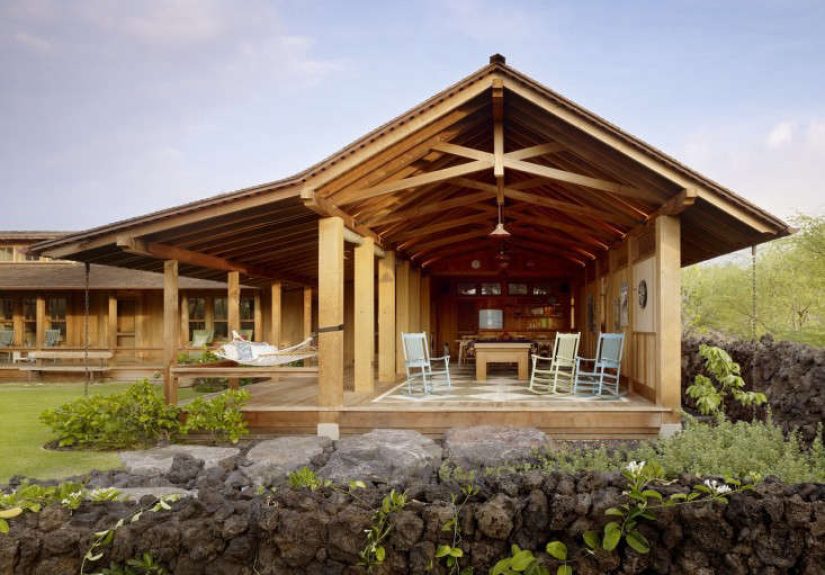
One of the most striking ideas in the original roundup was the featured Hawaii project that embraced the soft boundary between house and landscape. That design logic matters. Tropical gardens look best when they feel connected to everyday life. The patio should not feel like a separate kingdom requiring a visa. Use repeating materials, related colors, or matching containers so your indoor room and outdoor space seem to belong to the same story.
3. Small Spaces Still Count
The tiny-balcony angle from the roundup remains especially relevant. A tropical garden does not require acreage. In fact, tropical styling can be excellent in compact spaces because lush planting makes a small footprint feel intentional and enclosed. A balcony with hanging foliage, a narrow shelf of pots, and one strong focal plant can feel more transportive than a giant yard with three tired shrubs and a folding chair that gave up in 2019.
4. Tropical Style Loves Contrast
Tropical gardens are not monotone jungles. The best ones layer shiny and matte leaves, broad and feathery textures, upright forms and spillers, hot colors and cool greens. University gardening advice often emphasizes mixing shape, texture, and color in containers, and that principle is gold for tropical design. Large elephant ears beside fine ferns, crotons with caladiums, mandevilla climbing above trailing foliage, or a glossy philodendron next to textured begonias all create energy without chaos.
The Plants Doing the Heavy Lifting
Monstera and Philodendron: The Reliable Celebrities
There is a reason these plants continue to headline tropical interiors and sheltered patios. Monstera has iconic perforated leaves and a sculptural quality that feels instantly lush. Philodendron is beloved because it is forgiving, adaptable, and excellent at creating that “indoor jungle” atmosphere without requiring the gardener to earn an honorary botany degree. Together, they represent the easiest on-ramp into tropical style: dramatic, green, and surprisingly practical.
Bird of Paradise, Palms, and Bananas: Resort Energy
If you want the patio to feel like it charges extra for sparkling water, this is your trio. Bird of paradise brings architectural leaves and unmistakable tropical flair. Palms add vertical softness and movement. Banana plants create instant abundance, even when grown mainly for foliage. These are the plants that turn “nice outdoor area” into “someone is definitely about to serve grilled pineapple nearby.”
Alocasia, Colocasia, and Caladium: Foliage With a Flair for Theater
Elephant ears and their cousins are tropical design MVPs because they deliver scale. Alocasia and colocasia produce bold, oversized leaves that read almost like sculpture, especially in containers. Caladiums, meanwhile, offer color without the pressure of constant bloom. Pink, white, green, and red patterns can brighten shady corners and echo surrounding flowers. When your garden needs a little more drama and a little less beige, these are excellent suspects.
Mandevilla, Lantana, and New Guinea Impatiens: Color That Can Handle Summer
Tropical style is not only about leaves. Gardeners also need flowers that can keep pace with heat. Mandevilla is a standout for trellises and large pots, bringing long-season color and a climbing habit that adds height. Lantana thrives in sunny containers and attracts butterflies, while New Guinea impatiens provide dependable color in filtered light or shade. These are useful when you want a tropical look that still feels lively from late spring through early fall.
Spider Plant, Croton, Begonia, and Shade Companions
Not every tropical space is blazing with sun. Shadier setups benefit from clever supporting players. Spider plants can brighten darker corners and spill beautifully from containers. Crotons inject carnival-like color into mixed plantings. Certain begonias offer striking foliage texture and can transition indoors when temperatures drop. Shade-tolerant tropical combinations work best when foliage does the main talking and flowers step in as accents rather than trying to run the whole show.
How to Recreate the Look at Home
Start with one anchor plant. This is your tropical headline act: a monstera, bird of paradise, canna, banana, palm, or elephant ear. Put it in a container large enough to look deliberate. Bigger pots dry out more slowly, make maintenance easier, and visually ground the planting. Then add companion plants with different textures. Think one glossy leaf, one feathery leaf, and one trailing or mounding form. This creates fullness without making the container look like it lost an argument at the nursery.
Next, think in layers rather than rows. Tropical gardens feel best when plants overlap and soften edges. A rigid lineup of evenly spaced pots tends to look formal and a little nervous. Instead, cluster containers. Let one foliage plant lean visually into another. Add a stool, bench, or lantern among the planters so the scene reads as a room. Tropical style is strongest when it feels inhabited, not staged for a stern inspection.
For balconies and tight patios, borrow the small-space lessons that Gardenista surfaced years ago. Use vertical space. Hanging plants, rail planters, corner stands, and narrow shelves make a compact footprint feel richer. Choose furniture with a light frame so the greenery remains the star. A tiny space can still feel lush if every pot earns its keep and no square foot is wasted on random clutter pretending to be “storage.”
Finally, add one sensory extra. That might be fragrant foliage, a textile with botanical energy, a small edible container, or even a bowl of citrus on the table. The original roundup’s mix of fabrics, edible weeds, and design details is a reminder that tropical style is not just visual. It works best when it invites touching, tasting, smelling, and lingering.
Care Tips That Separate Lush From Limp
Tropical plants may look glamorous, but their needs are not mysterious. They want warmth, appropriate humidity, good drainage, and a potting mix that suits container life. That last point matters. Containers need drainage holes. Always. Not “in theory.” Not “I am sure it will be fine.” Always. One of the most common container mistakes is using a decorative pot with poor drainage and then trying to fix it with a layer of gravel at the bottom. That old trick sounds clever and often makes drainage worse, not better.
Use a quality potting mix rather than ordinary garden soil, and match it to the plant. Tropical foliage generally appreciates a mix that holds moisture without becoming swampy. Monsteras and philodendrons like evenly moist but well-draining conditions. If roots sit in water, the plant will not reward your affection. It will retaliate with yellowing leaves and emotional distance.
Humidity matters more than many beginners realize. Many tropical houseplants are happier around moderate humidity than in bone-dry indoor air. If your home feels like it has been auditioning for desert status, grouping plants, using pebble trays, or running a humidifier can help. At the same time, avoid making everything soggy. Tropical does not mean drowned. It means warm, moist air and roots that can still breathe.
Light is another balancing act. A lot of tropical plants prefer bright indirect or filtered light rather than punishing afternoon sun. Outdoors, dappled shade can be ideal for many foliage plants. Indoors, a bright room near a window often works better than a dark corner where you keep hoping positive thoughts will count as photosynthesis. For flowering tropicals like mandevilla or some bird of paradise setups, more sun is useful, but even then, container moisture needs close attention in summer.
When temperatures cool, make a plan. Many tropical plants can summer outdoors and then move inside when nights dip. Some gardeners bring whole containers indoors; others store tubers from plants like caladiums and cannas for replanting later. This is one of the smartest ways to enjoy tropical abundance without treating plants as a single-season fling. Commitment issues are expensive at the garden center.
Why “Intel from the Tropics” Still Feels Fresh
The original Gardenista concept worked because it treated the tropics as inspiration, not imitation. It pulled together architecture, plants, furnishings, and edible ideas into one loose, generous vision. That is still the smartest way to use tropical style today. You do not need to fake a rainforest. You need to understand the tropical grammar: bold leaves, layered textures, warm-weather resilience, relaxed transitions, and spaces that encourage lingering.
And there is another reason the theme holds up. Tropical gardening is hopeful. It suggests growth, motion, and relief from visual austerity. In a world full of flat surfaces, notifications, and furniture described as “streamlined” when “a bit joyless” might be more accurate, the tropical garden offers fullness. It says yes to shade, yes to pattern, yes to abundance, yes to the plant that takes up more room than originally negotiated.
That, ultimately, is the real intel from the tropics. A garden can be practical and lush. It can be edited and still feel generous. It can work in a balcony, a courtyard, a backyard, or beside a sofa. And when it is done well, it does not just look greener. It makes life around it feel a little slower, softer, and more alive.
Experiences From Living With the Tropical Look
The most surprising thing about trying a tropical garden at home is how quickly the mood changes. At first, it may just look like a few handsome plants in pots. Then the leaves start to overlap. The light hits the glossy surfaces in late afternoon. A trailing vine reaches farther than expected. Suddenly the patio stops feeling like leftover square footage and starts behaving like a destination. You sit outside longer. You notice the breeze more. Even your coffee tastes more competent.
There is also a real pleasure in how tropical plants make beginners feel successful early on. A small herb pot can be charming, but a monstera or elephant ear gives instant gratification. It looks like something happened. It looks like progress. That matters, especially for people who want an outdoor space to feel inviting quickly. One large tropical plant can create structure in a weekend, while a more traditional border may take a full season to look settled.
Another memorable part of the experience is learning how much texture matters. Many gardeners start with color in mind, but tropical spaces teach you to see shape first. The broad paddle of a banana leaf, the cutout drama of monstera, the upright energy of bird of paradise, the painted surfaces of caladiums, the airy softness of a fernthese combinations create richness even when everything is green. Once you notice that, you start shopping differently. Flowers are no longer the only stars. Leaves become the whole cast.
Small-space tropical gardening can be especially addictive. A balcony with one tall plant, one trailing plant, and a chair can feel disproportionately luxurious. You begin to understand why people become obsessed with tiny outdoor corners. The space does not need to be large to feel immersive; it only needs enough layering to block out the ordinary view for a minute. A narrow railing, a hanging planter, a floor pot, and a side table can create a private atmosphere that feels far bigger than the dimensions suggest.
There are, of course, lessons. Tropical plants are excellent teachers of humility. Ignore drainage, and they will make their opinions known. Forget humidity for too long indoors, and leaf edges start crisping like tiny passive-aggressive notes. Underestimate a fast grower, and you may discover your “cute accent plant” now resembles a leafy relative who has moved in indefinitely. But these are useful lessons. They make you observe more carefully and respond faster.
One of the best experiences with tropical planting is the seasonal transition. Moving pots outdoors in warm weather feels ceremonial, like reopening a favorite room. Bringing them back inside before cold nights arrive can feel a bit like rescuing cast members from the end of summer. Either way, the process builds a relationship with the plants. You stop seeing them as disposable decor and start reading them for signals: thirst, light preference, growth spurts, and the occasional theatrical flop.
Tropical gardens also change how entertaining feels. Guests tend to gravitate toward lush corners. People sit longer near layered greenery. A simple drink on a patio framed by bold leaves feels more special than the same drink beside a blank wall and one confused shrub. The tropical look makes ordinary rituals feel slightly upgraded, which may be the most underrated quality in garden design.
Perhaps the most lasting experience, though, is that tropical spaces teach generosity. They are not stingy gardens. They do not thrive on scarcity or rigid perfection. They ask for room, overlap, shade, moisture, and a little confidence. And in return, they create spaces that feel abundant even when the budget is modest. That is why the tropical trend keeps coming back. It is not only beautiful. It is emotionally convincing. It tells us that a garden can be lush, forgiving, and alive with possibilityand honestly, that is the kind of intelligence worth stealing.