Table of Contents >> Show >> Hide
- Why Mounjaro Needs Proper Storage
- How to Pack Mounjaro for Travel
- Understanding Temperature Limits
- Tips for Traveling by Air
- Traveling by Car
- Hotel Tips for Storing Mounjaro
- International Travel Considerations
- What to Do If Your Mounjaro Gets Too Warm or Too Cold
- Extra Tips from Seasoned Travelers
- of Real-Life Travel Experiences with Mounjaro
- Conclusion
If you’ve ever tried traveling with medication that needs to stay cold, you already know it’s basically like packing a tiny, very demanding diva in your suitcase. And when that medication is Mounjaroa temperature-sensitive injectable used for type 2 diabetes and increasingly for weight managementtravel prep becomes a whole new level of adulting. The good news? With the right planning, you can vacation, work-trip, or cross the globe without stressing about your medication’s safety. And yes, you can even enjoy that airport latte without anxiously checking your cooler bag every five seconds.
Why Mounjaro Needs Proper Storage
Mounjaro (tirzepatide) is sensitive to temperature fluctuations. According to standard pharmaceutical guidance and major U.S. health resources, it must be stored in the refrigerator between 36°F and 46°F (2°C–8°C). This temperature range keeps the medication stable, effective, and safe. Going above or below that range for too long can reduce potencyor, worst case, make the medication unusable.
If you’re traveling and don’t have access to a fridge 24/7, don’t panic. The pens can be kept at room temperature (up to 86°F or 30°C) for up to 21 days. That gives you some flexibility, especially on shorter trips.
How to Pack Mounjaro for Travel
When traveling by car, train, or plane, Mounjaro must be handled like a delicate little treasure. Think of it as your VIP passenger. Here’s how to keep it safe:
1. Use an insulated cooler bag
Travel experts and diabetes organizations recommend a small medical-grade cooler bag with gel ice packs. Don’t use loose ice from a hotel machinethat melts too fast and can cause moisture damage. Instead, freeze gel packs the night before (or ask your hotel to freeze them for you).
Place Mounjaro inside the cooler, but make sure the medication is NOT in direct contact with the ice pack. Wrap the pen in a soft cloth or use a built-in divider so it doesn’t accidentally freeze. Freezing can permanently damage the medication.
2. Keep it with younot in checked baggage
The cargo hold is a wild place full of temperature extremes. Checked luggage could get too hot, too cold, lost, or stuck on the wrong flight to Honolulu. Always keep Mounjaro in your carry-on or personal item.
3. Carry original packaging and prescription labels
Traveling domestically or internationally? TSA and customs may want to verify that your medication is legitimate. The original box with the prescription label is your golden ticket. If you already tossed it (we’ve all been there), ask your pharmacy for a printout.
4. Bring backup supplies
- Extra pen(s), depending on how long you’ll be away
- Your doctor’s contact info
- A travel letter explaining your need for injectable medication
- Extra alcohol swabs and pen needles
- Portable thermometer (optional but helpful)
Understanding Temperature Limits
Room Temperature Storage
Mounjaro can stay at room temperature (up to 86°F / 30°C) for a maximum of 21 days. This is perfect for short trips, cooler climates, or hotel stays where you have fridge access but need flexibility.
However, room temperature means REAL room temperatureyour medication is not built to survive sitting in a hot car, beach bag, or sunlit windowsill.
Cold Storage and Freezing Risk
Keeping the medication too cold is just as harmful as letting it get too warm. Freezing destroys the delicate chemical structure, and once frozen, the pen can’t be restored. Even hovering near freezing temps can compromise it.
This is why cooler bags must be packed strategically, and ice packs wrapped. If the pen feels overly cold or has ice crystals, do not use it.
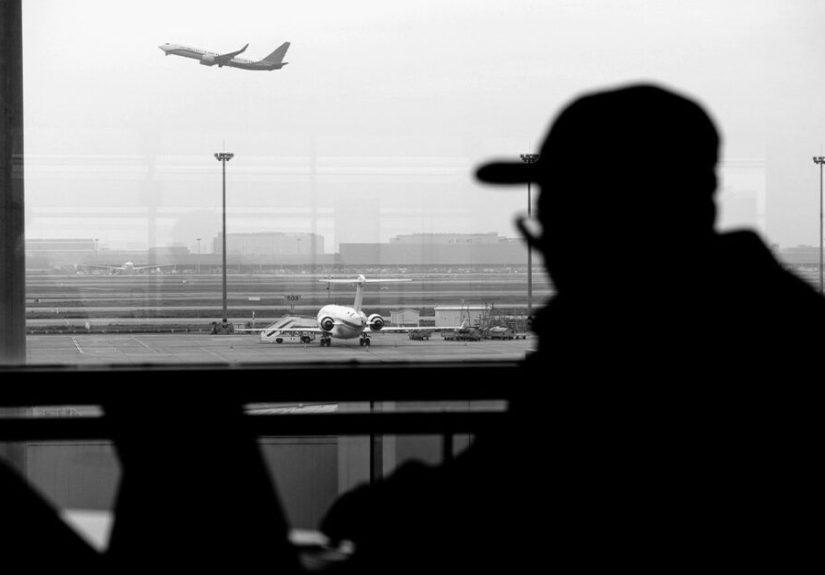
Tips for Traveling by Air
TSA Approval
Injectable medications and cooling supplies are TSA-approved. You may bring gel packs, cooling bags, and sharps in your carry-on. If an agent questions the items, simply tell them it’s for temperature-sensitive prescription medication.
Security Screening Tips
- Tell the TSA officer before screening that you have medically necessary liquids or supplies.
- Medications are allowed through screening even if they exceed the usual liquid limits.
- You may request a visual inspection instead of sending the medication through the X-ray machine.
During Long Flights
On international or long-haul flights, bring extra gel packs. If they thaw, ask the flight attendant for icebut keep the ice inside a sealed bag to avoid leakage.
Traveling by Car
Road trips can be Mounjaro-friendly if you plan ahead. Avoid leaving your medication in the car while you grab lunch or do sightseeingthe inside of a parked vehicle can exceed 100°F within minutes, even on mild days.
Store the cooler bag inside the cabin (not the trunk) and refresh gel packs with hotel freezers whenever possible.
Hotel Tips for Storing Mounjaro
1. Always check the mini-fridge temperature
Hotel mini-fridges are notorious for either being lukewarm or freezing everything into a popsicle. Check that the fridge is within 36–46°F (2–8°C). If it feels too cold, place the pen in a small insulated lunch bag inside the fridge.
2. Ask the hotel to store your medication
Many hotels offer refrigerator service for medications. They can store it in their medical fridge at the front desk or kitchen area. Just remember to pick it up before you leave (yes, people forget!).
3. Bring a portable travel refrigerator (optional)
If you travel frequently, a portable mini medical refrigerator is a game changer. These devices maintain stable temperatures without ice, making long trips easier.
International Travel Considerations
Customs & Security Abroad
Rules vary. Some countries require a doctor’s note; others may require documentation for needles. A printed prescription and a travel letter from your healthcare provider will minimize headaches.
Time Zone Changes
If you inject Mounjaro at the same time each week, plan for time zone differences. For extreme differences (8+ hours), ask your doctor how to adjust your schedule safely.
Access to Refrigeration
Don’t assume every accommodation abroad has a fridge. Always check before booking. If uncertain, choose lodging that guarantees refrigeration.
What to Do If Your Mounjaro Gets Too Warm or Too Cold
If your medication goes outside the safe temperature range, here’s a quick rule:
- If frozen: Do not use. It’s no longer safe.
- If overheated above 86°F: Likely unsafecontact a pharmacist or your healthcare provider.
- If room temperature for less than 21 days: Generally safe.
- If in doubt: Replace the pen. Better safe than sorry.
Extra Tips from Seasoned Travelers
- Use a temperature log sticker on the pen to track exposure.
- Always pack more cooling supplies than you think you need.
- Don’t rely on airport lounges for refrigerationthey may not allow meds in staff coolers.
- Keep the medication close to your body when moving through hot environments like airports or tropical outdoor areas.
of Real-Life Travel Experiences with Mounjaro
People who travel regularly with Mounjaro often develop their own clever hackssome born from genius, others born from panic. One traveler shared that she once sprinted through the Phoenix airport clutching her medication like a football because she realized she left her cooler bag in a sunny area near the window. Another noted that Florida humidity may feel fantastic for beach photos but is a sworn enemy to temperature-sensitive medications.
One common tip from travelers across health forums is to test your cooler bag setup at home before your trip. Place the medication in the cooler with gel packs and a thermometer, and monitor how long the temperature stays within range. This simple experiment gives you peace of mind when you’re thousands of miles from your fridge.
Another traveler swears by using two small coolers instead of one large one. When the first set of gel packs warms up, she switches to the second while refreezing the first set (often asking restaurants or hotels to help). This creates a rotation system that keeps the medication safe without worrying about time limits. It’s especially helpful on road trips or camping adventures where you might be away from a freezer for long stretches.
People who travel internationally often recommend keeping a screenshot of your prescription on your phone. While always keeping the physical box is best, having digital proof can speed up conversations with customs agents who may not be familiar with Mounjaro. Travelers in Europe, Asia, and South America report smooth border crossings when they can clearly show documentation.
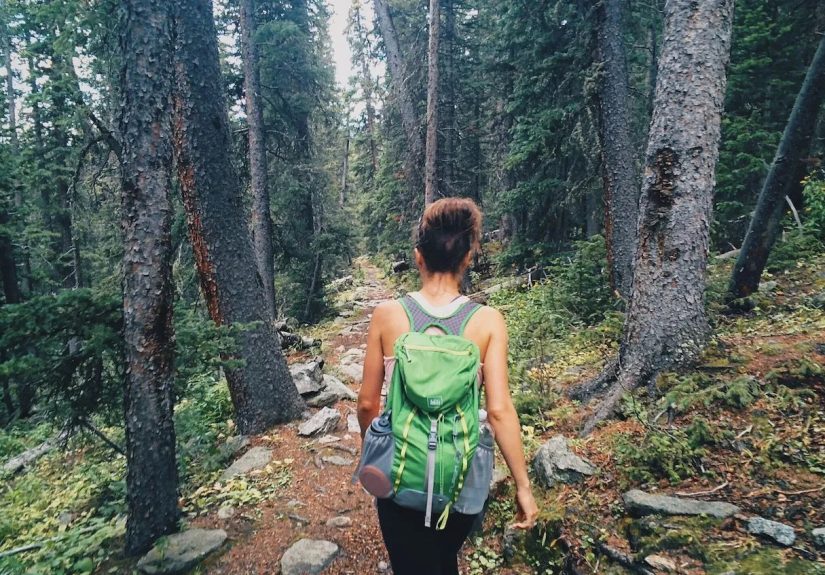
Another piece of advice? Don’t underestimate how hot a backpack can get outdoors. If you’re sightseeing in Rome or hiking in Arizona, even a cooler bag inside your backpack can warm quickly. One traveler said she adds an umbrella as a “mobile shade tool” to keep the bag cool while exploring sunny destinations. Not only does this help the medicationit also prevents overheated snacks and melted chocolate bars.
Cruisers share their own unique challenges. Cruise cabin mini-fridges vary wildly in temperature. Many seasoned travelers bring a small fridge thermometer to verify temps. Some have even spoken to the crew about storing medication in the ship’s medical refrigerator, which most staff are happy to help with.
Finally, travelers agree on one universal truth: once you develop a reliable medication-travel system, the anxiety disappears. Mounjaro becomes just another travel itemlike sunscreen, headphones, or the one outfit you swear you’ll need but never wear. With preparation and smart storage practices, you can focus on the fun of your trip, not the temperature of your medication.
Conclusion
Traveling with Mounjaro doesn’t have to be stressful. With a bit of planning, the right cooling tools, and smart packing strategies, you can protect your medication and enjoy your trip with confidence. Whether you’re hopping on a plane, taking a road trip, or crossing time zones, proper storage ensures your treatment stays safe, effective, and ready when you need it.