Table of Contents >> Show >> Hide
- How Gout and Food Are Connected
- 1. Organ Meats: The Gout Supervillains
- 2. Red Meat and Certain Game Meats
- 3. Certain Seafood and Shellfish
- 4. Beer, Liquor, and Heavy Alcohol Use
- 5. Sugary Drinks and High-Fructose Corn Syrup
- 6. Rich, High-Fat Foods and Full-Fat Dairy
- 7. Refined Carbs and Ultra-Processed Foods
- 8. High-Purine Vegetables and Legumes: Handle With Care, Not Fear
- 9. Individual “Wildcard” Triggers (Like Tomatoes)
- What Should You Eat Instead?
- Practical Tips for Eating With Gout
- Real-World Experiences: Living With Gout Triggers Day to Day
- Conclusion: Build a Diet That Works With You, Not Against You
If you live with gout, you already know that one bad meal can turn into a multi-day “why did I eat that?” situation. The good news: what you put on your plate can make a real difference. The tricky part is that some of the most delicious foods – think juicy steaks, rich gravies, and ice-cold beer – are also some of the biggest gout villains.
In this guide, we’ll break down the top foods to avoid when you have gout, why they’re a problem, and what to eat instead. We’ll lean on what major medical organizations and arthritis experts say about gout and diet, including guidance from places like Mayo Clinic, Cleveland Clinic, Johns Hopkins, Healthline, WebMD, and the Arthritis Foundation.
We’ll keep it simple, science-based, and just a little bit funnybecause if you’re going to say goodbye to bacon double cheeseburgers, you deserve at least a few jokes along the way.
How Gout and Food Are Connected
Gout is a type of inflammatory arthritis caused by a buildup of uric acid in your blood. When uric acid levels get too high, sharp crystals form in the joints, especially the big toe, ankle, or knee. That’s when you get the classic gout flare: sudden, intense pain, swelling, and redness.
Uric acid is produced when your body breaks down purines, which occur naturally in your cells and in many foods. You can’t avoid purines completely (and you don’t need to), but eating a lot of purine-rich foods or drinking a lot of alcohol and sugary drinks can push your uric acid levels over the edge and trigger flares.
Medications are often needed to control gout, but diet and lifestyle changes are a powerful backup team. So let’s look at the top foods to avoidor at least seriously limitwhen you’re trying to tame gout.
1. Organ Meats: The Gout Supervillains
Why organ meats are a problem
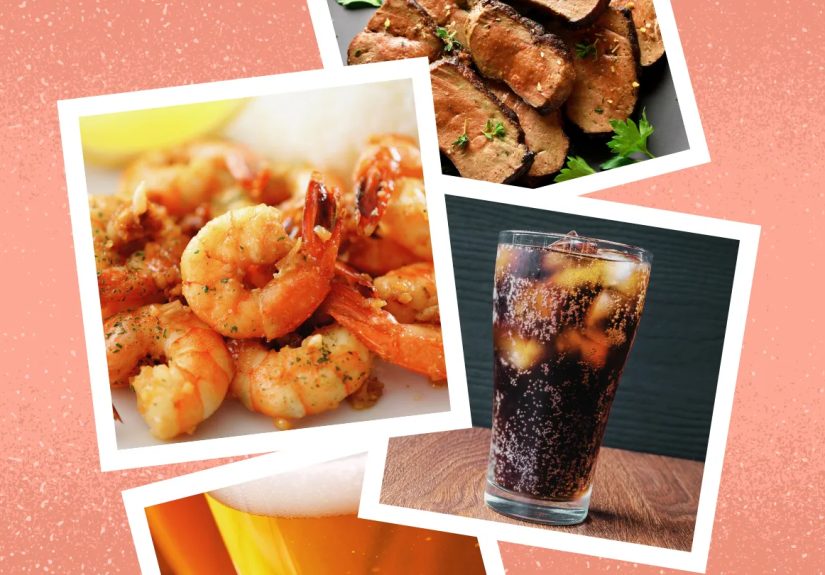
If gout had a Most Wanted list, organ meats would be at the top. Liver, kidneys, sweetbreads, hearts, brains, and other “variety meats” are loaded with purines, which means they can send your uric acid levels soaring. Health authorities and major medical sites consistently recommend avoiding organ meats entirely if you have gout.
Common organ meats to avoid
- Liver (beef, chicken, pork, etc.)
- Kidneys
- Sweetbreads (thymus or pancreas)
- Heart
- Tripe, tongue, and other offal
If you grew up eating liver and onions or enjoy pâté on special occasions, this might hurt a little. But for most people with gout, organ meats are simply not worth the risk.
2. Red Meat and Certain Game Meats
Red meat and gout risk
Red meats like beef, lamb, and pork aren’t as extreme as organ meats, but they’re still relatively high in purines and have been linked to a higher risk of gout and more frequent flares.
Game meats (like venison) and rich meat dishes can be particularly risky. Many guidelines suggest limiting total meat portions to about 4–6 ounces (113–170 grams) a day if you have goutand often less if you’re prone to frequent flares.
High-risk red and game meats
- Beef (steaks, burgers, roasts)
- Lamb and mutton
- Pork and bacon
- Venison and other game meats
- Meat gravies, meat-based broths, and meat stocks (they can be concentrated in purines)
You don’t necessarily have to go fully vegetarian, but swapping some red meat meals for poultry, fish (the right kinds), or plant-based protein can really help.
3. Certain Seafood and Shellfish
Not all seafood is created equal
Seafood is tricky. Some types are fairly safe, others are gout land mines. Purine-rich fish and shellfish have been associated with increased gout risk in large population studies.
Seafoods to limit or avoid
- Anchovies
- Sardines
- Mussels
- Scallops
- Trout
- Tuna
- Herring and mackerel
- Shrimp, lobster, crab (especially in large portions)
That doesn’t mean you can never eat seafood again. Many experts suggest small portions occasionally, especially if your gout is well controlled. But if every shrimp cocktail leads straight to a flare, your body is sending a very clear text: “Please don’t.”
4. Beer, Liquor, and Heavy Alcohol Use
Why alcohol hits gout so hard
Alcohol is a double problem for gout. Your body treats alcohol as a toxin and prioritizes clearing it, which slows down uric acid removal. On top of that, beer and some spirits come with extra purines or can directly increase uric acid production.
Highest-risk drinks
- Beer (regular and strong beers are especially problematic)
- Grain liquors like whiskey, vodka, and gin
- Frequent or heavy alcohol use of any kind
Many guidelines recommend avoiding alcohol completely during a flare and keeping it very limited between flares. Some people can tolerate small amounts of wine better than beer or liquor, but this is highly individual. When in doubt, water is your best friend.
5. Sugary Drinks and High-Fructose Corn Syrup
The sugar–uric acid connection
Sugary drinks may look innocent compared to a steak, but they can be just as rough on gout. Fructosefound in table sugar and especially in high-fructose corn syrupgets broken down in a way that increases uric acid production.
Drinks and foods to avoid
- Soda and soft drinks sweetened with sugar or high-fructose corn syrup
- Energy drinks and sweetened iced teas
- Fruit punches and juices high in added sugar
- Packaged pastries, breakfast cereals, and snacks with high-fructose corn syrup
Even 100% fruit juice can be an issue if you drink large amounts, since natural fructose still affects uric acid. Most experts advise limiting juice to small servings and focusing on whole fruit instead.
6. Rich, High-Fat Foods and Full-Fat Dairy
High-fat foods don’t just strain your heartthey can also worsen gout. Saturated fats may interfere with your body’s ability to get rid of uric acid, and being overweight is itself a major risk factor for gout.
Foods to cut back on
- Butter and heavy cream
- Full-fat ice cream and rich desserts
- Fatty cuts of meat and deep-fried foods
- Fast food meals loaded with saturated fat and sodium
On the flip side, low-fat dairy products such as skim milk and low-fat yogurt may actually help lower uric acid and reduce gout risk, according to several studies and clinical guidelines.
7. Refined Carbs and Ultra-Processed Foods
While refined carbohydrates aren’t usually high in purines, they can still contribute to weight gain, insulin resistance, and metabolic issues that make gout harder to manage. Many packaged foods also sneak in added sugars and unhealthy fats.
Examples to limit
- White bread, white pasta, and many baked goods
- Cakes, cookies, donuts, and pastries
- Chips, crackers, and salty snacks
- Frozen dinners and fast-food combos
Whole grains (like brown rice, quinoa, and oats) are generally better options and fit well into gout-friendly eating plans.
8. High-Purine Vegetables and Legumes: Handle With Care, Not Fear
Here’s where things get interesting. Some vegetables and legumessuch as mushrooms, peas, lentils, spinach, and asparagusdo contain more purines than others. However, research suggests that plant-based purines don’t seem to trigger gout attacks the way meat and seafood do.
Most major guidelines say these foods are usually safe in moderation and are part of a healthy gout-friendly diet. Still, a small number of people notice that certain veggies or beans set off flares. If that’s you, it’s reasonable to limit those specific foods while keeping the rest of your diet balanced.
Higher-purine plant foods to watch
- Lentils, chickpeas, and some dried beans
- Mushrooms
- Asparagus
- Spinach and certain leafy greens
- Peas and bean sprouts
Don’t cut all of these automatically. Instead, pay attention to your body. If you notice a patternsay, a flare every time you eat a huge bowl of lentil soupscale back and talk to your healthcare provider.
9. Individual “Wildcard” Triggers (Like Tomatoes)
Some foods are controversial in the gout world. Tomatoes, for example, are low in purines but a study found they were frequently reported as a personal trigger by people with gout, possibly due to effects on uric acid metabolism.
Other potential wildcards may include certain nightshade vegetables, specific condiments, or heavily seasoned foods. They may not show up on standard “high purine” lists, but that doesn’t mean they’re harmless for everyone.
The bottom line: keep a simple food and symptom diary. If you consistently flare after a particular foodwhether it’s tomatoes, a certain sauce, or that “secret recipe” chiliadd it to your personal list of gout triggers, even if it’s not on anyone else’s list.
What Should You Eat Instead?
So far, this might sound like a long list of “nope.” Let’s balance it with some “yes, please.” Many gout-friendly diets resemble the Mediterranean patternplenty of plants, lean protein, and healthy fats. Health organizations commonly recommend:
Gout-friendly choices
- Low-fat dairy: Skim or low-fat milk, yogurt, kefir, and small amounts of low-fat cheese.
- Plant proteins: Tofu, tempeh, nuts, seeds, and moderate portions of beans and lentils (if tolerated).
- Whole grains: Brown rice, quinoa, oats, barley, and whole-wheat bread in reasonable portions.
- Fruits and vegetables: A wide variety, with an extra gold star for cherries and citrus fruits, which may help lower uric acid and reduce flares in some people.
- Healthy fats: Olive oil, avocado, nuts, and seeds.
- Water and unsweetened drinks: Staying hydrated helps your kidneys flush out uric acid.
Think of it this way: instead of asking, “What can’t I eat?” try asking, “How can I build a plate that keeps gout quiet most of the time?”
Practical Tips for Eating With Gout
- Watch portion sizes, not just foods. Even moderate-purine foods can cause problems if you eat huge portions.
- Don’t crash diet. Rapid weight loss can temporarily raise uric acid levels and trigger flares, so aim for gradual, steady changes.
- Spread protein through the day. Instead of one massive meat-heavy dinner, aim for smaller, balanced meals.
- Combine diet with medication. For many people, the best control comes from both uric-acid–lowering medication and a smart eating pattern.
Important note: This article is for education, not a substitute for professional medical advice. Always talk with your healthcare provider or a registered dietitian before making major dietary changes, especially if you’re on gout medications or have kidney or heart conditions.
Real-World Experiences: Living With Gout Triggers Day to Day
Reading a “foods to avoid with gout” list is one thing. Trying to live with it when your friends are ordering burgers and beers is another story. Here’s what managing gout often looks like in real life, based on common experiences and patterns people report to their doctors and dietitians.
The “weekend trap”
A lot of people with gout notice a pattern: they eat reasonably during the week, then the weekend hits. A friend’s BBQ, a game night, a few beers, some wings, maybe a steakand by Monday morning, their big toe feels like it’s on fire.
This doesn’t mean you can never have fun again. But it does mean that stacking multiple triggers (red meat + beer + sugary desserts) in a short period of time can be a perfect storm. A more gout-friendly weekend might mean:
- Choosing grilled chicken or a veggie burger instead of a huge steak.
- Nursing one drink and switching to sparkling water with lime.
- Skipping the super-sweet desserts and sharing a smaller portion.
People often find that when they cut back on “stacking” triggers, they can still enjoy social events without paying as heavy a price afterward.
The restaurant challenge
Dining out with gout is basically a skill you can learn. Many gout patients end up with a mental checklist: avoid organ meats, watch the red meat, skip fried appetizers, and beware of sugary drinks.
For example, at a typical American restaurant you might:
- Choose grilled salmon (if you tolerate it) or a chicken dish instead of a burger piled with bacon.
- Ask for sauces and gravies on the side (they can be concentrated in purines and salt).
- Swap fries for a salad or veggies, especially if you’re already having a meat entrée.
- Order water, unsweetened iced tea, or sparkling water instead of soda or multiple beers.
Over time, these choices start to feel normal rather than restrictive, especially when you notice fewer flares.
Learning your personal “red lines”
Not every person with gout reacts exactly the same way to every food. Some people can eat small servings of shrimp without issues but flare badly after two beers. Others tolerate lean beef occasionally but get in trouble if they eat sugary desserts every day.
A practical strategy many patients use is to keep a simple log for a few weeks: write down what you eat, what you drink, and when flares happen. Patterns usually appear faster than you’d expect. You might discover:
- A flare often follows two or more high-risk meals in a row.
- Certain “gray area” foodslike tomatoes or lentilsonly bother you when combined with alcohol or meat.
- Staying well hydrated noticeably reduces how intense flares feel.
Once you know your personal red lines, you can plan around them. Maybe you decide you’re willing to risk a rare steak once every few monthsbut you’ll skip alcohol entirely that day, load up on water, and keep the rest of the week very gout-friendly.
Small wins that add up
Another common experience: the big improvements come from small, repeated choices.
- Swapping soda for water or flavored seltzer most days of the week.
- Choosing low-fat yogurt and fruit for breakfast instead of pastries.
- Cutting your meat portion in half and filling the rest of your plate with vegetables and whole grains.
- Scheduling regular movementlike daily walkswhich helps with weight management and overall joint health.
Individually, these changes might not feel dramatic. But together, they can mean fewer gout attacks, less pain, and more control over your day.
Working with your healthcare team
Many people say the biggest turning point came when they stopped trying to “tough it out” and started working closely with a doctor and, in some cases, a dietitian. Medication to lower uric acid, combined with a realistic eating pattern, often transforms gout from a chaotic, painful problem into something much more manageable.
And that’s really the goal: not perfection, but fewer surprises, less pain, and more confidence that you understand how your body responds to the foods you eat.
Conclusion: Build a Diet That Works With You, Not Against You
Managing gout isn’t about memorizing a scary list of banned foodsit’s about learning which foods push your uric acid levels up, which ones are safer, and how your own body responds. In general, the top foods to avoid when you have gout include organ meats, large amounts of red meat and certain seafood, beer and liquor, sugary drinks, and heavily processed, high-fat foods.
At the same time, you have plenty of delicious options: low-fat dairy, fruits and vegetables, whole grains, plant-based proteins, and healthy fats. Combine those with plenty of water and reasonable portions, and you’re already doing a lot to protect your joints.
You don’t have to eat perfectly, and you definitely don’t have to figure it out alone. But every smart food choice is one less chance for those needle-sharp crystals to crash your day.