Table of Contents >> Show >> Hide
- Why tick bites are showing up in the ER more often
- When a tick bite becomes an ER problem (and when it doesn’t)
- The tick basics that help you prevent bites
- Prevent tick bites: the “before, during, after” strategy
- Yard prevention: stop ticks before they reach your front door
- What to do if you find a tick attached
- Tick-borne illnesses: the quick (not scary) reality check
- Smart prevention for families, kids, and outdoor athletes
- Tick myths that need to retire immediately
- Conclusion: prevention is boringand that’s the point
- Real-world experiences and lessons (extra)
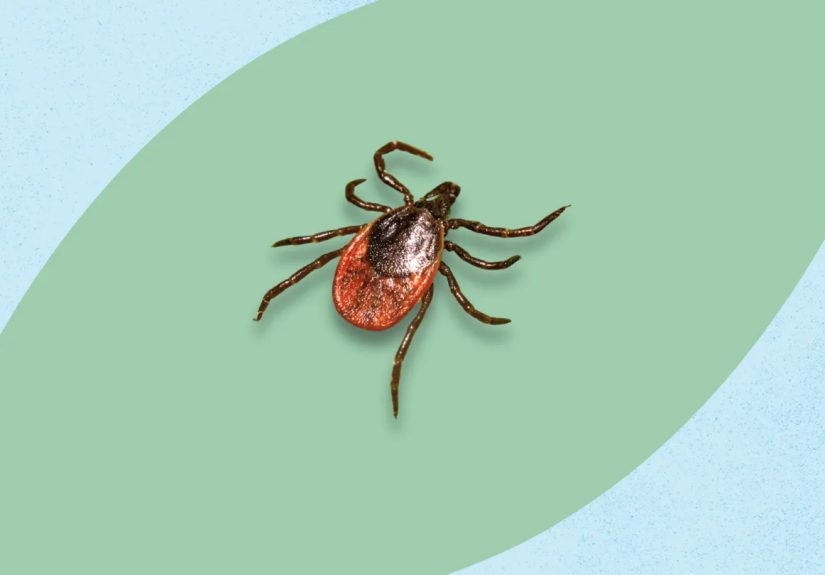
Ticks are tiny, quiet, and wildly overconfident for something that looks like a sesame seed with legs.
And lately, they’ve been sending more people to the emergency roomnot because every tick bite is a crisis,
but because enough of them can turn serious (and because nobody wants a bloodsucking hitchhiker
setting up camp in their skin).
The good news: you can dramatically lower your odds of getting bitten. The better news:
prevention doesn’t require becoming a full-time forest hermit with a lint roller addiction (though that would help).
This guide breaks down why ER visits are climbing, what actually raises your risk, and the smartest, most realistic
steps to keep ticks off you, your kids, and your petswithout turning summer into a hazmat drill.
Why tick bites are showing up in the ER more often
National emergency-department tracking has shown that tick-bite visits aren’t rare, especially during peak months.
In recent years, public-facing data tools and news reporting have highlighted seasonal surges that can approach
record levels in late spring and early summer, with children and older adults often hit hardest.
That doesn’t mean ticks suddenly “got worse” overnightit means more exposure, more awareness, and more people
deciding “I’d rather a clinician remove this than my cousin with tweezers and confidence.”
Three big drivers behind the ER bump
- Longer, busier tick seasons: In many parts of the U.S., ticks are active across more months of the year.
When people spend more time outdoorshiking, camping, gardening, youth sportstick encounters go up. - More “I found it and panicked” visits: A tick attached to skin is unsettling (understatement of the year).
People seek care for safe removal, peace of mind, and guidance on what symptoms to watch for. - Real medical risks: Some ticks can transmit infections (like Lyme disease or Rocky Mountain spotted fever),
and in rarer cases, bites can trigger allergic reactions or other complications.
When a tick bite becomes an ER problem (and when it doesn’t)
Most tick bites are not emergencies. Many cause mild redness or itchingannoying, not life-altering.
But some situations deserve urgent care because timing matters for treatment and safety.
If you’re unsure, it’s always reasonable to call a clinician or nurse line for guidance.
Go to urgent care or the ER right away if you notice:
- Trouble breathing, swelling of the face/lips, widespread hives, or faintness (possible severe allergic reaction).
- Sudden weakness, trouble walking, drooping facial muscles, or worsening numbness (rare, but needs urgent evaluation).
- High fever, severe headache, confusion, stiff neck, or severe vomitingespecially after a known tick bite.
- A rapidly spreading rash or a rash plus fever and feeling very ill.
- Inability to remove the tick (especially if it’s embedded in a hard-to-reach area like the scalp, groin, or behind the ear).
Usually okay to monitor at home (with a plan) if:
- The tick is removed promptly and completely, and you feel well.
- You have only mild redness at the bite site that doesn’t expand.
- You have no fever and no spreading rash.
Monitoring matters because symptoms of tick-borne illness can show up days to weeks later.
Taking a photo of the bite area on day one can make changes easier to spot (and easier to explain to a clinician).
The tick basics that help you prevent bites
You don’t need to memorize every tick species in North America (unless that’s your hobbyno judgment).
But it helps to know how ticks “hunt”: they don’t jump or fly. They climb onto grass, brush, or leaf litter,
then grab onto clothing or skin when you pass by. That means prevention is mostly about
blocking contact, repelling, and finding ticks earlybefore they stay attached long enough to transmit germs.
High-risk places where ticks love to hang out
- Wooded edges and brushy transition zones (where lawn meets forest)
- Leaf piles, tall grass, and overgrown groundcover
- Stone walls and wood piles (rodents like them; ticks like rodents)
- Backyards near parks or undeveloped lots
Prevent tick bites: the “before, during, after” strategy
Before you go out: dress like you want to win against nature
- Wear long sleeves and long pants when you’ll be in brush, tall grass, or woods.
- Tuck pants into socks (yes, it looks nerdy; yes, it works).
- Choose light-colored clothing so ticks are easier to spot.
- Consider permethrin-treated clothing and gear for hiking, camping, hunting, yard work, or outdoor jobs.
(Permethrin is for clothing/gearnot for skinso follow labels carefully.)
Use a repellent that actually works
For skin, choose an EPA-registered insect repellent and use it exactly as directed.
Common effective ingredients include DEET, picaridin, IR3535,
and oil of lemon eucalyptus/PMD. “Natural” isn’t automatically betterwhat matters is whether a product is tested and properly labeled.
- Apply to exposed skin and (if the label allows) over thin clothing areas where ticks might crawl.
- Don’t spray under clothing unless the label specifically says you can.
- For kids: an adult should apply it; avoid hands, eyes, and mouth. Wash it off after coming inside.
- For teens: keep a small bottle in your bagticks don’t care that you’re “just stepping out for a minute.”
During the outing: make the trail your friend
- Stay in the center of trails and avoid brushing against tall grass and shrubs.
- Take quick “tick breaks”a 10-second glance at pants, socks, and sleeves can catch a crawler early.
- Don’t sit directly on leaf litter (use a blanket or sit on rocks/benches when possible).
After you come inside: this is where prevention really wins
The fastest path to “no tick-borne illness” is removing ticks early.
A tick check isn’t glamorous, but neither is an ER visit on a Sunday night.
- Shower within two hours of coming indoors when possible. It can help wash off unattached ticks
and it’s a perfect time to check your skin. - Do a full-body tick check. Use a mirror (or a helpful family member) and focus on warm, hidden areas:
underarms, in/around ears, belly button, behind knees, around the waist, between legs, and in hair/scalp. - Throw clothes in the dryer on high heat before washing if you can. Heat helps kill ticks on clothing
(washing alone may not). - Check pets after they’ve been outdoors. Ticks can ride inside on fur and attach later.
Yard prevention: stop ticks before they reach your front door
You don’t need to pave your lawn into a parking lot. Small landscaping changes can reduce tick habitat and
shrink the “tick-friendly zone” near where people actually hang out.
Simple yard changes with big payoff
- Mow regularly and keep grass short, especially along fence lines and edges.
- Remove leaf litter and brush piles; keep groundcover from getting dense and damp.
- Create a barrier (often recommended: a strip of wood chips or gravel) between lawn and wooded edges.
- Move play areas (swings, sandbox, seating) away from brushy borders.
- Store wood neatly and discourage rodents (ticks love the animals ticks love).
If you use professional pest control, ask specifically about tick-focused strategies and safety for children and pets.
Not every yard treatment is equal, and integrated approaches (habitat + behavior + targeted control) tend to work better than any single trick.
What to do if you find a tick attached
First: breathe. Second: remove it promptly. A plain, fine-tipped set of tweezers is a great tool.
Avoid folk remedies like petroleum jelly, heat, nail polish, or “let’s just see if it falls off.”
Those can irritate the tick and may increase risk.
How to remove a tick safely
- Use clean, fine-tipped tweezers and grasp the tick as close to the skin as possible.
- Pull upward with steady, even pressure. Don’t twist or jerk.
- Clean the bite area and your hands with soap and water or rubbing alcohol.
- Dispose of the tick. If you want to save it for identification, place it in rubbing alcohol or a sealed bag/container.
(Tick testing generally isn’t recommended for making treatment decisionswhat matters most is your symptoms.)
What to watch for over the next few weeks
If you develop fever or a rash within several days to weeks, contact a healthcare provider.
With Lyme disease specifically, early symptoms can appear within days to weeks, and the classic expanding rash
(erythema migrans) doesn’t always show upor doesn’t always look like a perfect bull’s-eye.
Tick-borne illnesses: the quick (not scary) reality check
Ticks can spread different germs depending on the region and the tick species.
Lyme disease is the most well-known in the U.S., but it’s not the only one.
The key point is not to panicit’s to recognize when symptoms mean “call someone today.”
Common symptoms that deserve medical advice
- Fever, chills, unusual fatigue, body aches
- Headache that’s intense or doesn’t improve
- New rash (especially expanding, spotted, or widespread)
- Joint pain or swelling that’s new
Two conditions worth knowing by name
- Rocky Mountain spotted fever (RMSF): This illness can become severe, and early treatment matters.
Clinicians often treat based on suspicion rather than waiting for perfect test timing. - Alpha-gal syndrome (red meat allergy): In some people, a tick bite can trigger an allergy to alpha-gal,
a molecule found in most mammals. Reactions can be mild or severe and may happen hours after eating red meat
(and sometimes dairy/gelatin).
Bottom line: a tick bite doesn’t guarantee illness. But if you feel genuinely sick after oneespecially with fever,
rash, or severe headacheget medical guidance promptly.
Smart prevention for families, kids, and outdoor athletes
If you’re a parent, coach, or just the responsible friend who carries Band-Aids,
tick prevention works best when it’s built into routineslike seatbelts and sunscreen.
Make it easy (so people actually do it)
- Pack a “bug bag”: repellent, tweezers, alcohol wipes, small zip bag, and a lint roller.
- Set a timer: “Tick check + shower” becomes automatic after practices, hikes, or yard time.
- Normalize the weird socks thing: “Pants in socks” can be a team rule for trail days.
- Teach the hot spots: behind knees, waistband, scalp, and behind ears are classics.
Tick myths that need to retire immediately
- Myth: “Ticks fall from trees.”
Reality: Most latch on from grass, brush, and low plants. - Myth: “If it’s small, it can’t hurt you.”
Reality: Tiny nymph ticks can transmit disease and are easy to miss. - Myth: “Burn it off.”
Reality: Heat is risky and can make things worse. Use tweezers and steady pulling. - Myth: “Antibiotics after every bite.”
Reality: Preventive antibiotics are only recommended in specific, higher-risk situationsyour clinician can decide based on tick type, attachment time, and local risk.
Conclusion: prevention is boringand that’s the point
The best tick-bite outcome is the one that never happens. And the path there is surprisingly practical:
repel, cover, check, shower, and remove quickly if needed. If ER visits are rising, it’s a reminder that ticks
are part of the outdoor reality in many U.S. regionsbut it’s also proof that people are paying attention.
Think of tick prevention like locking your car. You don’t do it because danger is guaranteedyou do it because it’s easy,
it works, and it prevents the one outcome you really don’t want. Put a repellent by the door, keep tweezers in your kit,
and treat tick checks like brushing teeth: not thrilling, but highly effective.
Real-world experiences and lessons (extra)
To make this topic feel less like a checklist and more like real life, here are common “tick moments” people describe
plus the practical lesson each one teaches. These are composite scenarios based on typical patterns clinicians and public
health guidance discuss, not personal anecdotes from a single individual.
1) “I thought it was a freckle.”
A teen comes home from soccer practice and notices a tiny dark speck near the waistband. It’s flat, doesn’t itch,
and looks like it’s always been thereuntil it moves. Cue the dramatic pause.
The lesson: nymph ticks can be extremely small, and the places you’d least expect (waistbands, sock lines,
sports bra edges, behind knees) are exactly where they like to hide. A fast, routine tick checkespecially around
tight clothing seamscatches these before they’re attached long enough to cause trouble.
2) “We were only outside for 20 minutes.”
A parent lets the kids play in the backyard while dinner cooks. No hiking. No “woods.” No problemuntil a tick
turns up behind an ear during bath time. The lesson: backyards can be tick habitat, especially near brushy edges,
leaf piles, or tall grass. Prevention isn’t just for camping trips; it’s for regular life. Keep a repellent where
you keep sunscreen, and make “bath/shower + check” a normal after-outdoor routine in spring and summer.
3) “I pulled it off, but I’m still freaking out.”
Someone removes a tick and then spirals on the internet for an hour: “Do I need antibiotics? Was it attached for
5 minutes or 5 days? Is that redness normal?” The lesson: it’s smart to have a simple post-bite plan.
Write down the date, where you were, and roughly how long you think it might have been attached. Take a photo of the bite
and (if you saved it) the tick. Then watch for fever or a rash over the next few weeks. If symptoms show up, call a clinician.
Having a plan reduces panic and helps medical providers make clearer decisions if you do need care.
4) “My kid got bitten on the scalp. Nightmare.”
Scalp ticks are a special kind of chaoshard to see, hair in the way, and kids understandably not thrilled about
someone poking their head with tweezers. The lesson: for children, pay extra attention to the head and neck area,
especially after playing near shrubs or low branches. A shower plus a quick scalp check with a comb can prevent a lot
of late-night stress. If removal feels difficult, it’s reasonable to seek urgent carebetter a quick visit than an
incomplete removal attempt that irritates the skin.
5) “We did everything right… and still found one.”
Even with repellent and long socks, ticks sometimes sneak throughbecause nature has had millions of years to refine
the art of being annoying. The lesson: prevention is layered. Repellent helps. Clothing helps. Staying on trails helps.
But the finishing move is always the tick check and early removal. Think of it like a safety net: you’re not relying on
one trick; you’re stacking odds in your favor.
If there’s one takeaway from these real-life scenarios, it’s this: the goal isn’t perfectionit’s consistency.
A few small habits (repellent by the door, permethrin-treated gear for high-risk outings, shower + check after outdoor time,
and knowing how to remove a tick correctly) can keep you out of the ER and keep your outdoor time enjoyable.