Table of Contents >> Show >> Hide
- Why These 30 New Pics Work So Well
- The Real Truth Behind “Perfect” Professional Photos
- What Beginners Can Learn From This Photographer’s Workflow
- Why the Series Feels Honest Instead of Cynical
- The Bigger Takeaway: Professional Photos Are Built, Not Found
- Experiences Every Photographer and Viewer Will Recognize
- Conclusion
There are two kinds of people on the internet: the ones who look at a flawless portrait and think, “Wow, what a magical location,” and the ones who squint suspiciously and mutter, “That bush is doing a lot of heavy lifting.” This photo series is for both of them.
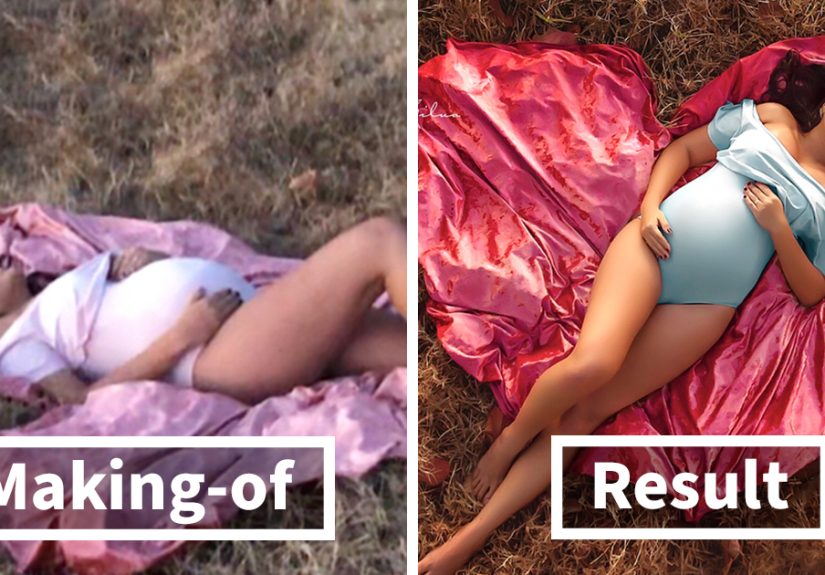
In a fresh batch of 30 behind-the-scenes images, photographer Gilmar Silva pulls back the curtain on the kind of polished professional photos that usually appear online as if they were created by pure talent, perfect weather, and a helpful angel holding a reflector. Instead, he shows the real setup: the awkward angles, the improvised props, the ordinary backgrounds, and the editing work that transforms a simple scene into something dramatic and memorable.
That is exactly why these images are so satisfying. They do not ruin the magic of professional photography. They explain it. And once you understand what goes into a “perfect” picture, the final image becomes even more impressive. What looks effortless is often carefully built from light, composition, timing, lens choice, subject direction, and post-production. In other words, the secret ingredient is not cheating. It is craft.
This is what makes Silva’s photo series more than a viral gallery. It is a reminder that great photography is rarely about having a luxury studio, a dream destination, or a mountain of expensive gear. More often, it is about noticing possibilities in places other people ignore. A patch of shade becomes soft portrait light. A plain wall becomes a clean backdrop. A muddy corner becomes a cinematic frame. The “truth” behind the photos is not that the final image is fake. It is that creativity is doing a lot of the heavy lifting.
Why These 30 New Pics Work So Well
The appeal of this kind of gallery is simple: people love contrast. Show them the final polished image alone, and they admire it. Show them the messy setup beside it, and suddenly they are invested. The gap between the raw scene and the finished portrait creates a tiny moment of disbelief. Wait, that became this?
That reaction is what makes behind-the-scenes photography content so addictive. It combines education, entertainment, and a little ego correction. Social media trains us to consume finished images as if they happened naturally. Silva’s work interrupts that illusion in the best possible way. He shows that professional photos are constructed, not stumbled into.
Across these 30 new pics, the lesson stays consistent: a camera does not just record reality. In the hands of a skilled photographer, it interprets reality. Every decision matters. Move the subject three feet. Change the angle. Use a longer lens. Turn the face toward softer light. Crop out the visual clutter. Retouch distractions. Suddenly, an ordinary location feels editorial.
The Real Truth Behind “Perfect” Professional Photos
1. Light Is Doing Most of the Work
If photography had a main character, it would be light. The best professional portraits do not begin with Photoshop. They begin with the direction, softness, and quality of light. Good light shapes a face, separates a subject from the background, and creates mood before editing even begins.
That is why many of Silva’s setups look surprisingly basic in the behind-the-scenes view. A simple outdoor location can produce beautiful results when the light is flattering. Shade softens harsh sun. Reflected light brightens shadows. Backlight adds glow. A tiny shift in position can turn a flat image into one with depth and dimension.
This is the part casual viewers often underestimate. They see a final image and assume the magic happened later on a computer. Sometimes editing helps a lot, sure. But if the light is wrong from the beginning, post-production becomes a rescue mission instead of a finishing step. Great photographers know that fixing light on set is easier than apologizing to your editing software at midnight.
2. Angles Change Everything
One of the biggest revelations in behind-the-scenes photography is how strange the camera position can look in real life. Photographers crouch, lean, stretch, twist, and occasionally make themselves look like they lost a bet. There is a reason for that: angle changes shape.
A lower angle can make a subject feel more powerful. Shooting through foreground objects can add depth. A tighter frame removes distractions and makes a modest setting look intentional. Even something as simple as turning a subject slightly away from the camera can make a portrait feel more natural and flattering.
This is why the “truth” behind polished photos is often less glamorous than expected. The scene may not be extraordinary at all. The photographer simply knows where to stand. That sounds basic, but it is not. Recognizing the right angle is one of the most valuable skills in portrait photography, and it is often what separates a snapshot from a portfolio image.
3. Posing Is Not Fake. It Is Communication
A lot of people hear the word “posed” and immediately think “stiff.” Good photographers know better. Posing is not about making someone look unnatural. It is about guiding posture, expression, and body placement so the subject looks comfortable and confident on camera.
That guidance matters because cameras flatten depth and exaggerate awkwardness. Hands suddenly seem enormous. Shoulders stiffen. Chins disappear into necks. Humans, sadly, do not come with built-in portrait mode. A professional photographer helps solve these problems in real time by adjusting stance, turning the torso, shifting the weight, relaxing the hands, and keeping the eyes engaged.
In galleries like this one, the final image often looks spontaneous, but that spontaneity is usually carefully directed. And that is not a contradiction. It is a skill.
4. Editing Finishes the Story
Let us say the quiet part out loud: yes, professional photos are edited. No, that does not automatically mean they are deceptive. Editing is a normal part of digital photography, just as darkroom work was part of film photography. The real question is not whether editing happens. It is how much, why, and to what end.
In portrait work, editing often involves color correction, exposure balancing, cropping, contrast adjustments, skin cleanup, and removal of distracting elements. In other words, editing usually enhances what the photographer already built in camera. It is the polish, not the entire performance.
That is part of what makes Silva’s series refreshing. By showing the setup and the result side by side, he reframes editing as one step in a larger creative process. The final image is not born from a fake reality. It is shaped from a real one.
What Beginners Can Learn From This Photographer’s Workflow
For anyone who wants to improve their own photography, these 30 new pics are packed with practical lessons. The first is that you do not need a breathtaking location to create a strong image. You need to learn how to isolate your subject, simplify the frame, and use what is available.
The second lesson is that limitations are not always bad. In fact, they often sharpen creativity. A small space forces better composition. Limited gear forces better observation. Harsh conditions force better problem-solving. Many polished portraits are built not because everything was ideal, but because the photographer adapted intelligently.
The third lesson is that process matters. Great photographers are not just pressing a button. They are constantly making micro-decisions: where the subject stands, where the light falls, what stays in frame, what gets removed, what emotion the image should carry, and how the edit should support that mood. That is what viewers are really seeing in this series. Not just talent, but decision-making.
Why the Series Feels Honest Instead of Cynical
There is a version of “the truth behind photos” content that feels smug, as if the goal is to mock polished imagery or prove that beauty is fake. This series works because it avoids that trap. Silva is not saying photography is a lie. He is saying photography is work.
That distinction matters. When a photographer reveals the process, it can actually increase trust. Viewers stop seeing the final image as some impossible standard and start seeing it as the result of planning, effort, and technique. That is healthier for audiences and more respectful to the craft.
It also speaks to a bigger cultural shift. Online audiences are increasingly interested in process, not just outcomes. They want the sketch before the painting, the rehearsal before the performance, the kitchen chaos before the plated dessert. Photography is no exception. Behind-the-scenes content makes polished work feel human again.
The Bigger Takeaway: Professional Photos Are Built, Not Found
If this gallery proves anything, it is that “perfect” professional photos are usually a mix of vision and problem-solving. The background may be ordinary. The pose may need coaching. The light may need taming. The final edit may take patience. None of that makes the image less impressive. It makes it more impressive.
There is something oddly encouraging about that. It means good photography is not reserved for people with dream studios and endless budgets. It belongs to people who pay attention, practice relentlessly, and learn how to turn limitations into style. That is the truth behind the perfection, and honestly, it is better than the myth.
So yes, these 30 new pics pull back the curtain. But they also do something more useful: they remind us that a great photograph is not magic pretending to be effortless. It is effort that has been refined until it looks like magic.
Experiences Every Photographer and Viewer Will Recognize
One reason galleries like this hit so hard is that they match what many photographers experience in real life. The final photo may look luxurious, calm, and beautifully composed, while the actual shoot feels like a mix of improvisation, weather negotiations, and hoping nobody notices you are balancing a reflector against a backpack. That contrast is not unusual. It is the job.
Photographers know the feeling of arriving at a location that looked amazing in their head and deeply average in person. The light is harsher than expected. The background is busier. The subject is nervous. The wind has chosen violence. And yet, once the camera comes up, the brain starts solving problems. Maybe there is a shaded corner. Maybe the shot works tighter. Maybe the wall nobody noticed becomes the backdrop that saves the session. That ability to adapt is one of the most underrated parts of professional photography.
There is also the experience of directing people who are absolutely convinced they are “not photogenic.” Nearly every photographer has heard that line, usually within the first three minutes. What follows is part technical skill and part emotional coaching. You adjust the pose, relax the shoulders, give the hands something to do, keep the energy moving, and slowly the subject stops performing discomfort and starts participating. Then comes the moment they look at the back of the camera and say, “Wait, that’s actually me?” That reaction never gets old.
Another familiar experience is discovering that small details can make or break a frame. A slightly crooked collar. A phone in a back pocket. A branch growing out of someone’s head. A bright object in the corner that suddenly becomes the loudest thing in the picture. Viewers often assume photographers are obsessed with tiny things for dramatic effect, but those tiny things really do matter. The camera is brutally honest about clutter.
Editing brings its own set of experiences. This is where photographers often relive the shoot and decide what the image was trying to become all along. Maybe the color temperature needs warmth. Maybe the crop needs more tension. Maybe a distraction needs to disappear because it pulls the eye away from the story. Good editing feels less like fabrication and more like clarification. It helps the viewer notice what the photographer noticed in the first place.
Even viewers with no photography background recognize something in these before-and-after comparisons. They reflect a truth that goes beyond cameras: polished outcomes usually hide messy processes. The finished product looks smooth, but the road to get there rarely is. That is why Silva’s work feels relatable. The photos are not just about lenses, lighting, or editing tricks. They are about effort, experimentation, and the gap between what people see and what it took to make it happen.
And maybe that is the most satisfying part of all. Once you understand the process, you do not admire the final image less. You admire it more. Because now you can see the invisible work inside it.
Conclusion
This photographer’s 30 new pics do more than expose the setup behind polished portraits. They celebrate the creative decisions that make professional photography work in the first place. Gilmar Silva’s behind-the-scenes approach is compelling because it turns “perfect” photos from intimidating mysteries into understandable achievements. The backgrounds are not always glamorous. The process is not always neat. The poses are not always spontaneous. But the results are proof that vision, light, composition, and editing can turn almost any location into something striking.
For readers, the takeaway is both practical and refreshing. Professional images are not effortless miracles, and they are not empty illusions either. They are crafted. That makes them more inspiring, not less. Once you see the truth behind the perfection, you stop chasing fantasy and start appreciating skill. And that is a much better lens through which to view photography.