Table of Contents >> Show >> Hide
- What Evaporated Milk Actually Is (and Why Recipes Love It)
- Before You Swap: A 20-Second Checklist
- The “Perfect” Substitute Depends on the Recipe
- Top Substitutes for Evaporated Milk (Ranked, With Real Ratios)
- 1) Half-and-Half (Best All-Around, Easiest 1:1 Swap)
- 2) Whole Milk + Heavy Cream (Best “Make It Taste Right” Option)
- 3) Heavy Cream (Richest OptionGreat When You Can Handle the Extra)
- 4) Whole Milk (Most Convenient, Slightly Thinner)
- 5) Powdered Milk (Best Pantry Hack)
- 6) Full-Fat Canned Coconut Milk (Best Dairy-Free 1:1 Substitute)
- 7) Oat Milk or Soy Milk (Best Neutral Plant MilksWith a Trick)
- 8) Lactose-Free Dairy (Best If You Need “Real Milk” Behavior)
- Quick Substitution Table (1 Cup Evaporated Milk)
- How to Make Evaporated Milk at Home (When You Want the Real Deal)
- Common Mistakes (So Your Substitute Doesn’t Betray You)
- Specific Examples: What to Use in Popular Recipes
- FAQ: Quick Answers to Common Questions
- Conclusion: The “Perfect Substitute” Is the One That Matches Your Goal
- Real-Life Kitchen Experiences and Lessons (Because This Always Happens at the Worst Time)
You’re mid-recipe, feeling like a domestic superhero… and then it happens: the can of evaporated milk is missing. Not “missing” like it grew legs, but missing like you definitely remember buying it and yet your pantry is staging a tiny rebellion. The good news? You don’t need to abandon your pumpkin pie dreams (or your creamy mac and cheese ambitions). With the right swap, your dish can still taste like you meant to do it that way.
This guide breaks down the best substitute for evaporated milk based on what you’re makingdesserts, sauces, soups, or coffee plus quick ratios, smart adjustments, and a few “please don’t do this” mistakes that can turn dinner into a science experiment.
What Evaporated Milk Actually Is (and Why Recipes Love It)
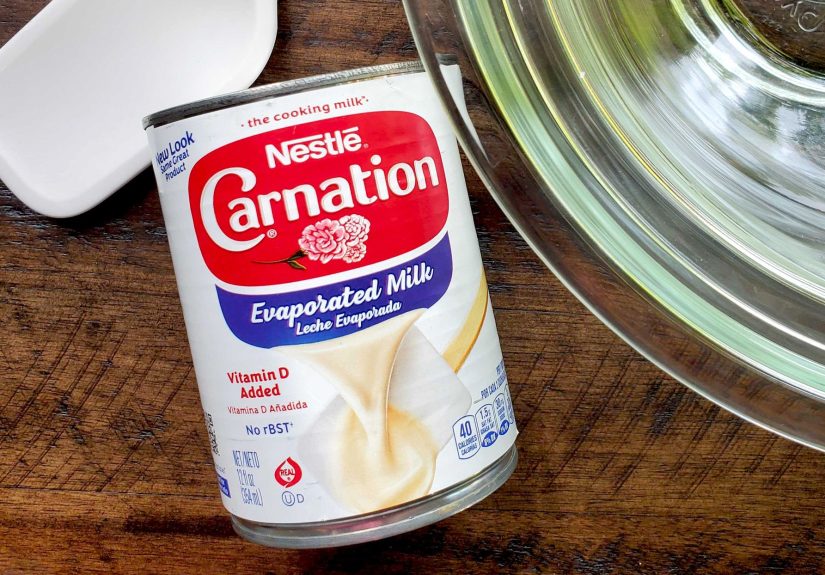
Evaporated milk is unsweetened milk that’s been heated until a big chunk of its water content evaporates. What’s left is a thicker, creamier, more concentrated milk with a mellow “cooked dairy” flavor that plays well in both sweet and savory recipes. It’s the ingredient equivalent of a supportive friend: steady, reliable, and great at holding things together when heat and acid show up.
The most important thing to remember: evaporated milk is not sweetened condensed milk. They may live on the same grocery shelf, but they are not interchangeable unless your goal is to accidentally invent dessert chili.
Before You Swap: A 20-Second Checklist
- Sweet or savory? Savory dishes need an unsweetened substitute.
- How creamy does it need to be? Custards and pies usually want more fat and body than soups.
- Will it be boiled or simmered? Some dairy swaps handle heat better than others.
- Any dietary needs? Lactose-free and dairy-free options can work beautifullyif you choose the right style of milk.
- Is evaporated milk the main character? If it’s a key flavor/texture, choose a closer match (half-and-half, cream + milk, or homemade).
The “Perfect” Substitute Depends on the Recipe
There isn’t one single substitute that wins every timebecause recipes use evaporated milk for different reasons: sometimes for richness, sometimes for stability, sometimes to make a sauce silky without going full heavy cream. The “perfect substitute” is the one that matches your recipe’s goal.
Best swaps by situation
- Most baked goods & custardy desserts: half-and-half (1:1) or milk + cream blend
- Soups, casseroles, savory sauces: half-and-half (1:1) or whole milk (1:1, slightly thinner)
- Coffee and drinks: half-and-half (1:1) or whole milk with a splash of cream
- Dairy-free baking & creamy soups: full-fat canned coconut milk (1:1) or reduced oat/soy milk
- Pantry-only emergency: powdered milk mixed “extra strong”
Top Substitutes for Evaporated Milk (Ranked, With Real Ratios)
1) Half-and-Half (Best All-Around, Easiest 1:1 Swap)
If you want the closest everyday match without doing math on a sticky measuring cup, choose half-and-half. It lands in the creamy middle ground between milk and cream, so it mimics evaporated milk’s richness better than plain milk.
How to use: Substitute 1 cup half-and-half for 1 cup evaporated milk.
Best for: pumpkin pie, flan-style desserts, creamy soups, casseroles, mashed potatoes, sauces.
2) Whole Milk + Heavy Cream (Best “Make It Taste Right” Option)
If you have both whole milk and heavy cream, you can blend your way to a richer substitute that behaves more like evaporated milk in texture. This is especially helpful in desserts, where “kind of creamy” isn’t the vibe.
How to use (easy version): Mix 3/4 cup whole milk + 1/4 cup heavy cream to replace 1 cup evaporated milk.
Best for: custards, pies, cheesecakes, puddings, creamy casseroles.
3) Heavy Cream (Richest OptionGreat When You Can Handle the Extra)
Heavy cream is thicker and higher-fat than evaporated milk, so it can make your dish richer than intended. Sometimes that’s a problem. Sometimes that’s the best news you’ve heard all day.
How to use: For many recipes, you can swap 1:1, but consider thinning it for balance: try 3/4 cup heavy cream + 1/4 cup water for a closer consistency.
Best for: ultra-creamy sauces, decadent desserts, anything you want to feel like it’s wearing a velvet robe.
4) Whole Milk (Most Convenient, Slightly Thinner)
Whole milk works when evaporated milk isn’t doing a “texture-leading role.” Your dish may be a little less rich, and some custards may set softer, but in many soups, casseroles, and baked goods it’s totally acceptable.
How to use: Substitute 1 cup whole milk for 1 cup evaporated milk.
Best for: soups, casseroles, sauces that already have other thickeners (roux, flour, cornstarch, cheese).
5) Powdered Milk (Best Pantry Hack)
Powdered milk is a sleeper superstar because you control the water. Reconstitute it normally and you get regular milk; use less water and you get something closer to evaporated milk.
How to use (extra-strong): Mix powdered milk with about 25–30% less water than the package suggests. Let it sit a few minutes, then whisk again until smooth.
Best for: baking, sauces, soups, and any time you want a shelf-stable option that still tastes like dairy.
6) Full-Fat Canned Coconut Milk (Best Dairy-Free 1:1 Substitute)
For a dairy-free evaporated milk substitute, full-fat canned coconut milk is often the most reliable because it brings body and fat. It can add a light coconut notesometimes noticeable, sometimes subtleso think about whether coconut is welcome in the recipe.
How to use: Substitute 1 cup full-fat canned coconut milk for 1 cup evaporated milk.
Best for: curries, creamy soups, dairy-free mac and cheese, desserts that pair well with coconut (pumpkin, chocolate, caramel, tropical flavors).
7) Oat Milk or Soy Milk (Best Neutral Plant MilksWith a Trick)
Not all plant milks cook the same. In general, plain, unsweetened oat milk or soy milk are good picks for cooking because they’re relatively neutral. If you want them to act more like evaporated milk, concentrate them.
How to use (quick concentrate method): Simmer the plant milk gently until reduced by about 30–40%, then cool before using. This boosts body and helps it behave more like evaporated milk in sauces and desserts.
Best for: dairy-free baking, creamy soups, sauces, and casseroles when you want less coconut flavor.
8) Lactose-Free Dairy (Best If You Need “Real Milk” Behavior)
If lactose is the issue (not dairy itself), lactose-free whole milk and lactose-free half-and-half can be excellent. Use the same ratios as their standard versions.
How to use: 1:1 for lactose-free half-and-half; 1:1 for lactose-free whole milk (slightly thinner).
Quick Substitution Table (1 Cup Evaporated Milk)
| Substitute | Use This Amount | Best For | Notes |
|---|---|---|---|
| Half-and-half | 1 cup | Most recipes (sweet & savory) | Closest simple swap; great texture |
| Whole milk + heavy cream | 3/4 cup milk + 1/4 cup cream | Custards, pies, baking | Richer, more evaporated-milk-like body |
| Whole milk | 1 cup | Soups, casseroles, sauces | Slightly thinner; may reduce richness |
| Heavy cream (thinned) | 3/4 cup cream + 1/4 cup water | Very creamy sauces, desserts | Prevents “too rich” outcomes |
| Powdered milk (extra-strong) | Powder + ~25–30% less water | Pantry baking, sauces | Whisk well; let hydrate before using |
| Full-fat coconut milk | 1 cup | Dairy-free cooking & desserts | May add coconut flavor |
| Reduced oat/soy milk | Simmer down by 30–40% | Dairy-free sauces & baking | Use unsweetened; cool before adding to eggs |
How to Make Evaporated Milk at Home (When You Want the Real Deal)
If you have plain milk and a little patience, you can make a homemade version that behaves like evaporated milk because… it is evaporated milk. The trick is gentle heat and timenot a furious boil that scorches the bottom and makes your kitchen smell like regret.
Homemade evaporated milk method
- Pour 2 1/4 cups of milk (whole milk is best) into a heavy-bottomed saucepan.
- Bring it to a gentle simmer over medium heat, then reduce heat to medium-low.
- Simmer slowly, stirring occasionally, until it reduces to about 1 cup. This often takes around 20–30 minutes.
- Cool before using in recipesespecially custards where hot milk can scramble eggs.
Why this works: you’re removing water, concentrating milk solids, and creating that thicker, creamier texture that recipes depend on.
Common Mistakes (So Your Substitute Doesn’t Betray You)
Mistake #1: Using sweetened condensed milk
Sweetened condensed milk is loaded with sugar. If you use it in place of evaporated milk, your savory dish can turn oddly sweet, and your dessert can become cloying and heavy. Double-check the label before you pour.
Mistake #2: Choosing sweetened or flavored plant milk
Vanilla almond milk in a chowder is… a plot twist. Use plain, unsweetened plant milks for savory recipes.
Mistake #3: Pouring a thin substitute into a recipe that needs body
If evaporated milk is central to the texture (think custards, pie fillings, puddings), plain milk can make the final set softer. Choose half-and-half, a milk + cream blend, or homemade evaporated milk for those.
Mistake #4: Not cooling concentrated milk before egg-based mixtures
If you reduce milk on the stove (dairy or plant-based), let it cool a bit before whisking into eggs. Otherwise, you may invent “sweet scrambled pie.”
Specific Examples: What to Use in Popular Recipes
Pumpkin pie (or sweet potato pie)
- Best: half-and-half (1:1) or 3/4 cup whole milk + 1/4 cup heavy cream
- Dairy-free: full-fat coconut milk (1:1). Expect a gentle coconut noteoften delicious with pumpkin spice.
- Tip: if your filling looks looser than usual, bake fully and allow a complete cool-set before judging.
Mac and cheese sauce
- Best: half-and-half (1:1) or whole milk (1:1) if the sauce has plenty of cheese and gentle heat
- Dairy-free: reduced oat milk (30–40% reduction) or coconut milk for extra body
- Tip: keep heat low when cheese is involvedhigh heat is where sauces get grainy and dramatic.
Soups and casseroles
- Best: half-and-half (1:1) or whole milk (1:1)
- Tip: if you use whole milk and want more richness, add a tablespoon of butter or a splash of cream.
Coffee and creamy drinks
- Best: half-and-half (1:1)
- Also works: whole milk + a splash of cream
- Tip: for plant-based, choose barista-style oat milk if you have it, or use unsweetened oat milk warmed gently.
FAQ: Quick Answers to Common Questions
Can I use regular milk instead of evaporated milk?
Yes, especially in soups, casseroles, and sauces. In desserts where evaporated milk is key to the set and richness, you’ll usually get a better result with half-and-half, milk + cream, or homemade evaporated milk.
What’s the best dairy-free substitute for evaporated milk?
Full-fat canned coconut milk is often the closest 1:1 option for body and richness. If you don’t want coconut flavor, reduce unsweetened oat milk or soy milk to concentrate it.
Will my recipe taste different with a substitute?
Sometimes. Milk-based swaps tend to taste very similar. Coconut milk may add a mild coconut note. Reduced plant milks can taste a bit “toastier” or more concentrated, which is usually a win in creamy dishes.
Is evaporated milk the same as condensed milk?
No. Evaporated milk is unsweetened; sweetened condensed milk has added sugar and behaves very differently in recipes.
Conclusion: The “Perfect Substitute” Is the One That Matches Your Goal
If you want one answer you can tape inside your cabinet: half-and-half is the best all-purpose substitute for evaporated milk. It’s easy, it’s creamy, and it behaves well in most sweet and savory recipes.
Want the closest “why does this taste exactly right?” result? Use 3/4 cup whole milk + 1/4 cup heavy cream, or make homemade evaporated milk by gently reducing regular milk. Need dairy-free? Reach for full-fat coconut milk (1:1) or reduce unsweetened oat/soy milk.
In other words: you’re not stuck. You’re just improvising like a confident cook who totally planned this.
Real-Life Kitchen Experiences and Lessons (Because This Always Happens at the Worst Time)
The evaporated milk shortage never strikes on a random Tuesday when you’re making a sensible bowl of oatmeal. It strikes when you’ve already preheated the oven, your spices are lined up like a tiny edible choir, and someone has texted, “Can’t wait for your famous pie!” That’s why it helps to recognize the patterns of real-life cooking panicand have a calm plan.
Experience #1: The holiday baking “I swear I bought it” moment. This is the classic: you’re making pumpkin pie, the recipe calls for evaporated milk, and you discover your pantry contains three open bags of chocolate chips and exactly zero cans of what you actually need. In this situation, half-and-half is usually the fastest fix because you can pour it straight in. The lesson: when time is tight, choose a 1:1 substitute (half-and-half or coconut milk) over something that requires reduction or extra steps.
Experience #2: The “thin filling” fear spiral. Many cooks swap in regular milk and then panic because the mixture looks looser. That’s not always a disaster. Some pies and custards set mostly from eggs, heat, and cooling time. The smart move is to bake fully and let the pie cool completely before judging. The lesson: texture in the bowl is not always texture on the plate. Let chemistry finish its job.
Experience #3: The mac and cheese rescue mission. People often want evaporated milk for mac and cheese because it helps make a creamy sauce without feeling heavy. If you swap in heavy cream without thinning, the sauce can become richer than intended and may mute sharper cheese flavors. Half-and-halfor whole milk with just a splash of creamtends to keep the sauce silky while still letting cheddar taste like cheddar. The lesson: more fat isn’t always “better,” it’s just “more.” Balance matters.
Experience #4: Cooking for someone who’s dairy-free. A lot of dairy-free substitutions fail because they’re too watery or too sweet (looking at you, vanilla-flavored everything). Full-fat coconut milk is usually a dependable win for body, but it can add coconut flavor. If that’s not desired, reducing unsweetened oat milk or soy milk can help. The lesson: dairy-free success comes from matching body and unsweetened neutrality, not just swapping “milk for milk.”
Experience #5: The “why is my sauce grainy?” mystery. This is especially common when a substitute meets high heat. Dairy and plant milks can behave differently when boiled hard or when combined with acid. Keeping heat gentle and adding dairy near the end of cooking prevents many texture problems. If a recipe uses cheese, low heat is your best friend. The lesson: technique is half the substitute. Sometimes the fix isn’t a new ingredientit’s turning the burner down.
In the end, evaporated milk substitutions are less about perfection and more about intention. Ask what the evaporated milk is doingadding richness, improving texture, stabilizing a sauceand choose the swap that does that job. Once you start thinking that way, the missing can becomes a minor inconvenience, not a culinary catastrophe.