Table of Contents >> Show >> Hide
- What is tendinitis?
- Common types of tendinitis
- Tendinitis symptoms: what does it feel like?
- What causes tendinitis?
- How tendinitis is diagnosed
- Treatment for tendinitis
- How long does tendinitis take to heal?
- How to prevent tendinitis
- When should you see a doctor?
- What people often experience with tendinitis in real life
- Final thoughts
- SEO Tags
Tendinitis, also spelled tendonitis, sounds like one of those annoying little health problems you should be able to ignore until it quietly disappears. Unfortunately, tendons did not get that memo. When a tendon becomes irritated, swollen, overloaded, or worn down, it can make everyday tasks feel surprisingly rude. Reaching for a coffee mug, climbing stairs, typing, gripping a pan, swinging a racket, or hopping out of bed can suddenly feel like your body is filing a formal complaint.
This guide breaks down tendinitis symptoms, types, causes, treatment options, and recovery tips in plain English. We’ll also clear up a common point of confusion: not every painful tendon is truly inflamed. In many long-lasting cases, the problem is more accurately described as tendinopathy, which refers to tendon pain and dysfunction that may involve degeneration rather than pure inflammation. In other words, the spelling is messy, the tendon is grumpy, and the treatment usually involves patience, smart activity changes, and time.
What is tendinitis?
A tendon is a thick, strong band of tissue that connects muscle to bone. It helps your body move by transferring force from muscle to skeleton. When that tissue gets irritated or overloaded, it can become painful. Traditionally, this has been called tendinitis or tendonitis. The condition often develops after repetitive motion, overuse, a sudden increase in activity, poor mechanics, or an acute strain.
Here is the quick vocabulary cheat sheet:
- Tendinitis / tendonitis: often used to describe new or short-term tendon irritation and inflammation.
- Tendinosis: a more chronic tendon problem involving wear, microtears, and tissue breakdown.
- Tendinopathy: the broad umbrella term many clinicians now use for painful tendon conditions.
- Tenosynovitis: inflammation of the tendon’s sheath, the thin covering around certain tendons.
So yes, your painful tendon may technically belong to one of several categories. But for most people searching online at 2 a.m. while holding an ice pack, “tendinitis” is still the common catch-all term.
Common types of tendinitis
Tendinitis can happen almost anywhere a tendon lives, but some areas are frequent flyers because they deal with repetitive stress, sports, lifting, gripping, and awkward posture.
1. Achilles tendinitis
This affects the tendon that connects your calf muscles to your heel. It is common in runners, people who suddenly ramp up exercise, and anyone whose calves are tight enough to qualify as stubborn. Symptoms often include pain or stiffness in the back of the heel, especially in the morning or after activity.
2. Patellar tendinitis
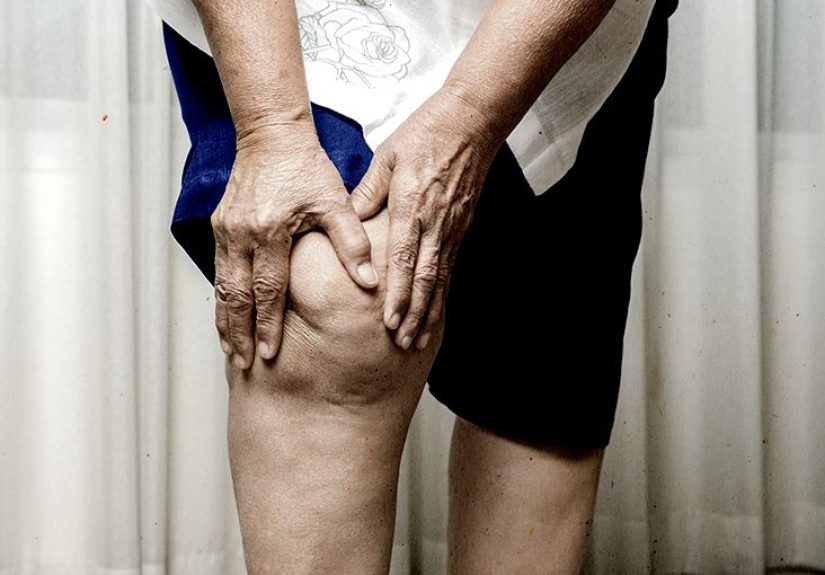
Often called jumper’s knee, this involves the tendon below the kneecap. It commonly affects people who jump, sprint, squat, or train hard on repeat. Pain is usually felt at the front of the knee and may flare with stairs, running, or landing from jumps.
3. Rotator cuff or shoulder tendinitis
The shoulder is a classic troublemaker because it is mobile, complex, and very good at getting irritated. Rotator cuff and biceps tendon problems can cause pain when lifting the arm, reaching overhead, or sleeping on the affected side.
4. Tennis elbow and golfer’s elbow
These tendon problems affect the elbow. Tennis elbow usually causes pain on the outside of the elbow, while golfer’s elbow causes pain on the inside. You do not need to play tennis or golf to earn either one. A mouse, screwdriver, hammer, phone, or a truly aggressive gardening session can do the job.
5. De Quervain’s tendinitis
This painful thumb-side wrist condition affects tendons near the base of the thumb. It often shows up in people who do frequent gripping, lifting, texting, gaming, or repetitive hand motions. New parents know this one all too well because lifting a baby repeatedly with the thumb angled out can be a recipe for wrist misery.
6. Wrist, foot, hip, and biceps tendinitis
Other common locations include the wrist, foot and ankle, hip area, and biceps tendon. The exact symptoms depend on the location, but the pattern is familiar: pain with movement, tenderness, stiffness, and reduced function.
Tendinitis symptoms: what does it feel like?
The symptoms of tendinitis can vary depending on the tendon involved, but a few signs show up again and again:
- Pain and tenderness along a tendon, usually near a joint
- Pain that gets worse with movement or activity
- Morning stiffness or stiffness after rest
- Swelling or a feeling of fullness around the area
- Warmth or mild redness in some cases
- Weakness or reduced ability to grip, lift, push, pull, or bear weight
- Thickening of the tendon in more chronic cases
- Pain at night, especially with shoulder or elbow problems
Some people describe tendinitis pain as a dull ache that gets louder with activity. Others say it feels sharp when they start moving, then eases a little, then returns later with interest and poor timing. A runner may notice Achilles stiffness with the first steps out of bed. An office worker may feel wrist pain after hours of typing. A painter may struggle with shoulder pain halfway through an overhead project and suddenly wonder why ceilings exist.
What causes tendinitis?
The most common cause of tendinitis is overuse. When you repeat the same motion over and over without giving the tendon enough recovery time, tiny injuries can build up faster than the tissue can repair itself. That is when discomfort starts tapping you on the shoulder, elbow, knee, or heel.
Main causes and risk factors
- Repetitive movements at work, in sports, or during hobbies
- Sudden increases in exercise, intensity, distance, weight, or frequency
- Poor technique or faulty body mechanics
- Inadequate warm-up or limited flexibility
- Age-related tendon changes
- Improper footwear, equipment, or workstation setup
- Medical conditions such as diabetes or rheumatoid arthritis
- Previous tendon injury
- Certain medications, including some fluoroquinolone antibiotics
Chronic tendon problems are often less about one dramatic injury and more about a long-running argument between your tendon and your routine. The tendon says, “Please recover.” The schedule says, “Best I can do is more stair sprints.”
How tendinitis is diagnosed
Most of the time, a healthcare professional can diagnose tendinitis through a medical history and physical exam. They will ask when the pain started, what activities make it worse, whether you heard a pop, and whether the problem is affecting daily life, work, or sports.
During the exam, they may check:
- Where the pain is located
- Whether the tendon is tender to touch
- Range of motion
- Strength
- Swelling, warmth, or thickening
- Pain with specific movements or loading tests
Imaging is not always necessary, but it can help in certain situations:
- X-rays can rule out arthritis, bone issues, or calcifications
- Ultrasound can show tendon thickening, inflammation, or tears
- MRI may be used if a tear or a more serious injury is suspected
If symptoms are severe, unusual, or associated with fever, redness, infection, or sudden loss of function, the provider will also consider other diagnoses. Tendinitis may be common, but it is not the only reason a body part can become loudly uncooperative.
Treatment for tendinitis
The good news is that most cases of tendinitis improve with conservative treatment. The less fun news is that “conservative” usually means you need to slow down, modify activity, and stop negotiating with pain.
1. Rest and activity modification
This is usually the first step. That does not always mean total bed rest. It means giving the irritated tendon a break from the movement that keeps aggravating it. Swap running for cycling, overhead lifting for waist-level work, or heavy gripping for lighter tasks.
2. Ice, compression, and elevation
For newer injuries, ice can help reduce pain and swelling. Compression wraps and elevation may also help depending on the body part. Some clinicians suggest heat later for more chronic overuse discomfort, but ice is usually the go-to for recent flare-ups.
3. Pain relief
Over-the-counter pain relievers or anti-inflammatory medicines may help some people, if appropriate for their health situation. These can ease symptoms, but they do not fix the underlying load problem on their own. Translation: pain relief is a helper, not a magician.
4. Splints, braces, or supportive gear
Depending on the location, a wrist splint, elbow strap, walking boot, heel lift, orthotic, or supportive footwear may reduce stress on the tendon while it calms down.
5. Physical therapy
Physical therapy is often a cornerstone of treatment, especially for stubborn or recurring cases. Therapy may include:
- Gentle stretching
- Progressive strengthening
- Eccentric loading exercises for some tendon problems
- Mobility work
- Technique correction
- Posture and biomechanics training
- Gradual return-to-activity planning
This matters because a painful tendon usually needs more than silence. It often needs a smart, progressive reload plan so it can tolerate activity again instead of throwing a fit every Monday.
6. Injections or other procedures
In some cases, a clinician may recommend a corticosteroid injection, especially when there is significant inflammation around certain tendon sheaths or nearby tissues. However, injections are not ideal for every tendon and should be considered carefully based on location and diagnosis. Some specialists may also discuss other non-surgical treatments for chronic tendon pain, depending on the case.
7. Surgery
Surgery is usually reserved for severe or persistent cases, or when there is a partial or full tendon tear, significant structural damage, or symptoms that do not improve with appropriate non-surgical care. Thankfully, most people do not need surgery for routine tendinitis.
How long does tendinitis take to heal?
There is no universal timeline because tendons enjoy being complicated. Mild cases may improve within days to a few weeks. More persistent or chronic tendon problems can take several weeks to months, especially if the tendon has been irritated for a long time or if the person keeps returning to the same aggravating activity too quickly.
Healing tends to go better when you:
- Address the cause, not just the pain
- Return to activity gradually
- Stick with rehab exercises
- Fix technique, equipment, posture, or training errors
- Do not treat “feels a little better” as permission for chaos
How to prevent tendinitis
You cannot bubble-wrap every tendon in your body, but you can lower your risk.
- Increase activity gradually instead of going from couch to hero in one weekend
- Warm up before sports or repetitive physical work
- Use proper technique and body mechanics
- Take breaks during repetitive tasks
- Strengthen muscles around vulnerable joints
- Improve flexibility where needed
- Use supportive shoes or equipment
- Adjust your workspace if typing, mousing, or gripping all day
- Pay attention to pain early before it becomes a full-time personality trait
When should you see a doctor?
Self-care may help mild cases, but medical attention is a smart move if:
- Your symptoms do not improve after a few days or a couple of weeks
- Pain is getting worse instead of better
- The problem is interfering with work, sleep, sports, or everyday tasks
- You have major swelling, redness, or warmth
- You cannot bear weight or move the area normally
- You heard or felt a pop
- You have sudden severe pain, bruising, or obvious weakness
- You also have fever or signs of infection
A torn tendon is a different problem from a merely irritated one. If you hear a snap, suddenly lose function, or cannot walk properly after heel pain, do not try to out-stubborn the injury.
What people often experience with tendinitis in real life
The medical definition of tendinitis is useful, but it does not always capture the lived experience of it. In real life, tendinitis often begins quietly. It is not always a dramatic sports injury with a whistle and a slow-motion replay. Sometimes it starts as a small annoyance you brush off for a week or two. A shoulder feels weird when reaching into the back seat. A wrist stings after long workdays. A heel protests during the first ten steps every morning, then behaves just enough to make you think everything is fine. That “it only hurts a little” phase is where many people accidentally sign up for a much longer relationship with tendon pain.
One common experience is the weekend athlete spiral. Someone starts playing tennis again, joins a pickleball league, picks up basketball, or decides this is the month they become “a running person.” At first, the soreness feels normal. Then the elbow, knee, or Achilles starts sending clearer messages. The discomfort is usually most noticeable during the activity, then after the activity, then somehow while opening jars, walking downstairs, or reaching for shampoo. People often describe frustration more than panic. They still feel strong enough to move, but the tendon keeps reminding them that strength and tissue tolerance are not exactly the same thing.
Another familiar story involves work-related repetitive strain. Office workers may notice wrist, thumb, elbow, or shoulder pain after hours of typing, clicking, scrolling, or holding awkward positions. Hairstylists, mechanics, warehouse employees, line cooks, cashiers, painters, musicians, and healthcare workers often describe a similar pattern: the pain builds gradually, tends to flare during busy stretches, and becomes hard to ignore once it starts affecting sleep or grip strength. Many people say the most surprising part is how such a small area can disrupt so much of the day. A sore tendon can turn opening doors, carrying groceries, and lifting a skillet into strangely dramatic events.
Parents and caregivers often report another version of tendon trouble. Repeated lifting, carrying, twisting, and holding can irritate the wrist, thumb, shoulder, or elbow. New parents in particular may develop thumb-side wrist pain from lifting a baby over and over with the same hand position. It can feel unfairly specific: “I can hold my coffee, but I cannot pick up a diaper bag without regretting every life choice.”
People dealing with chronic tendon pain also describe the mental side of recovery. The hardest part is often not the pain itself, but the stop-and-start nature of healing. Tendons may improve, then flare again when activity returns too quickly. That can make people feel like they are back at square one, even when they are not. Progress with tendon rehab is often uneven. Good weeks happen. Flare-ups happen. The key lesson many people learn is that recovery is less about doing nothing forever and more about loading the tendon wisely, consistently, and patiently.
Perhaps the most universal experience is this: once people understand what tendinitis is, they stop blaming themselves for not “toughing it out” and start treating the problem more strategically. That shift matters. Tendons usually respond best to respect, not heroics.
Final thoughts
Tendinitis is common, painful, and often very treatable. Whether it affects your shoulder, elbow, wrist, thumb, knee, hip, or Achilles tendon, the pattern is usually similar: too much stress, not enough recovery, and a tendon that starts objecting. Early treatment often includes rest, activity modification, ice, supportive gear, and physical therapy. More stubborn cases may need imaging, injections, or surgery, but most people improve without an operation.
If you catch symptoms early and respond with smart treatment rather than denial, your odds of recovery are much better. Your tendon does not need a motivational speech. It needs a reasonable plan.