Table of Contents >> Show >> Hide
- What Is the Tdap Vaccine?
- What Does Tdap Protect Against?
- Who Should Get a Tdap Vaccineand When?
- How Well Does the Tdap Vaccine Work?
- Tdap Side Effects
- Who Should Not Get Tdap (or Should Talk to a Provider First)?
- Tdap Cost in the U.S. (and How to Pay Less)
- Where to Get a Tdap Shot
- FAQ: Common Questions People Actually Ask
- Real-Life Experiences: What Getting a Tdap Shot Is Usually Like (About )
The Tdap vaccine is basically a three-in-one safety upgrade for your immune system. It helps protect you from
tetanus (the “rusty nail” villain), diphtheria (a throat-and-airway troublemaker), and
pertussis (whooping coughaka the cough that does not know when to stop).
If you’re thinking, “But I’m an adultI don’t eat dirt anymore,” fair point. Still, tetanus bacteria live in soil and dust, and
pertussis spreads through everyday breathing and coughing. And if you’re pregnant or around babies, Tdap is one of the simplest ways
to help protect the tiniest humans (who can’t get their own whooping cough shots right away).
What Is the Tdap Vaccine?
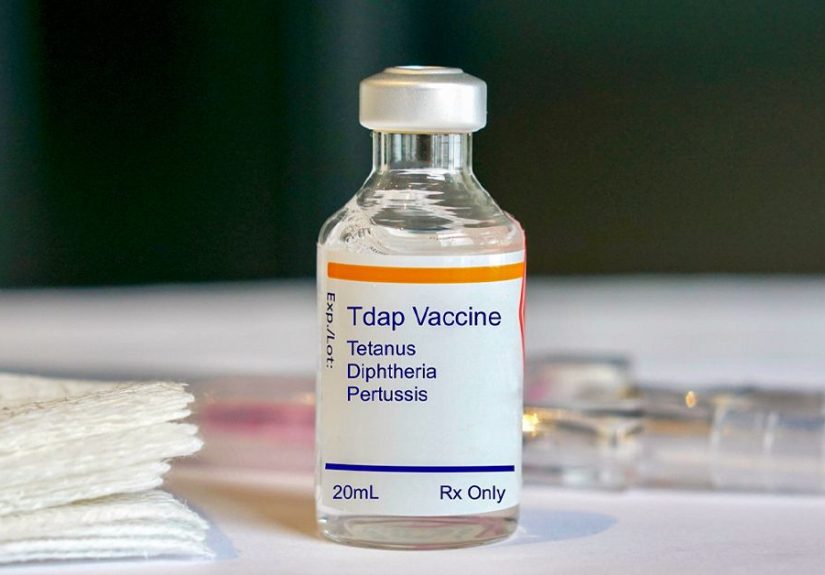
Tdap stands for Tetanus, diphtheria, and acellular pertussis.
It’s a booster vaccine used for older kids, teens, and adults. “Acellular” means the pertussis portion uses purified components,
not whole bacteriaso it’s designed to train your immune system without giving you the disease.
Tdap vs. DTaP vs. Td: What’s the Difference?
- DTaP: For infants and young children (typically under age 7). It has higher amounts of diphtheria and pertussis components.
- Tdap: For older children (7+), adolescents, and adults. It has “reduced” amounts of diphtheria and pertussis components compared with DTaP.
- Td: A booster that covers tetanus and diphtheria only (no pertussis).
Many adults alternate Td or Tdap for 10-year boosters, depending on guidance and availability.
In the U.S., common brand names for Tdap include Boostrix and Adacel. Your clinic or pharmacy
usually chooses based on age indications, supply, and protocolyour immune system doesn’t care about the logo.
What Does Tdap Protect Against?
Tetanus
Tetanus isn’t contagious from person to person. You typically get it when bacteria enter the body through a woundthink punctures,
cuts, burns, or injuries contaminated with soil or dust. The toxin can cause painful muscle stiffness and spasms. The “lockjaw” nickname
is memorable for a reason.
Diphtheria
Diphtheria is a respiratory illness that can cause a thick coating in the throat, trouble breathing, and serious complications.
It’s rare in the U.S. today largely because vaccination workskind of like how you rarely see dinosaurs in your yard, but you’re still
glad the fence is up.
Pertussis (Whooping Cough)
Pertussis spreads easily through respiratory droplets. In adults it can look like “the worst cough of my life” that lasts for weeks,
but in babies it can be dangerous and even life-threatening. Because newborns are too young for full protection from their own vaccine series,
preventing exposure matters a lot.
Who Should Get a Tdap Vaccineand When?
Tdap timing depends on your age, vaccine history, pregnancy status, and sometimeslife’s little plot twistswhether you’ve had a wound that needs tetanus protection.
Preteens and Teens
A routine Tdap dose around ages 11–12 is standard in the U.S. It boosts immunity as protection from childhood vaccines naturally wanes over time.
Adults Who’ve Never Had Tdap
If you never got a Tdap booster as a teen (or you’re not sure), the usual move is: get one dose of Tdap now.
After that, you’ll typically get a tetanus/diphtheria booster every 10 years (either Td or Tdap, depending on guidance and availability).
Pregnancy: Tdap During Every Pregnancy
In the U.S., the recommendation is Tdap during each pregnancy, ideally between 27 and 36 weeks
(often earlier in that window). This helps your body make pertussis antibodies that can pass to the baby before birthgiving the newborn
a temporary layer of protection during those early weeks of life.
After an Injury: The “Do I Need a Tetanus Shot?” Moment
If you have a cut, puncture wound, or other injury, clinicians often ask when your last tetanus-containing vaccine was.
As a rule of thumb:
- Clean, minor wounds: A booster may be recommended if it’s been about 10+ years.
- Dirty or high-risk wounds (soil, saliva, deep punctures, etc.): A booster may be recommended if it’s been about 5+ years.
If your vaccine history is incomplete or unknown, your provider may recommend a vaccine series and, in some cases for high-risk wounds,
additional preventive treatment. Translation: don’t try to “walk it off” with vibes alone.
Healthcare Workers, Caregivers, and Close Contacts of Infants
If you’re around patients or babies, being up to date matters. Pertussis can spread before someone realizes what they’ve caught,
and infants are at the highest risk for severe illness.
How Well Does the Tdap Vaccine Work?
Tdap is considered very effective at preventing tetanus and diphtheria, especially when you stay current with boosters.
Pertussis protection is more complicated: immunity after Tdap tends to wane after a few years.
That “waning” detail is one reason public health guidance focuses so heavily on the pregnancy doseit’s aimed at protecting
newborns when they’re most vulnerable. For most adults, routine boosters are still recommended every 10 years to maintain tetanus and diphtheria protection,
and providers can use either Td or Tdap for those boosters.
Tdap Side Effects
Most people do fine with Tdap. Side effects, if they happen, are usually mild and short-livedmore “annoying speed bump”
than “medical drama.”
Common Side Effects
- Pain, redness, or swelling where the shot was given
- Mild fever
- Headache
- Tiredness or body aches
- Nausea, stomach upset, or diarrhea (less common, but possible)
Less Common (But Important) Reactions
- Fainting: This can happen after many vaccines (and even after blood draws). Sitting for a few minutes afterward can help.
- Large local reactions: Sometimes the arm gets very sore or swollen. It usually improves within a few days.
- Severe allergic reaction (very rare): Trouble breathing, facial/throat swelling, hives, fast heartbeat, dizziness, or weakness.
This is an emergencyseek immediate medical help.
Who Should Not Get Tdap (or Should Talk to a Provider First)?
Certain situations call for caution. The most important ones involve severe allergic reactions and serious neurologic reactions after prior doses.
Typical Contraindications
- A severe allergic reaction (like anaphylaxis) after a prior dose or to a vaccine component
- A history of encephalopathy (a serious brain condition) within about a week after a previous pertussis-containing vaccine,
when no other cause was identified
Common Precautions (“Let’s Discuss This First”)
- Moderate or severe acute illness (you may be advised to wait until you’re better)
- History of Guillain-Barré syndrome within several weeks after a tetanus-toxoid-containing vaccine
- A history of a severe “Arthus-type” local reaction after tetanus/diphtheria vaccines (your clinician may recommend waiting longer before the next booster)
- Specific allergies (for example, latex sensitivity may matter for certain products and packaging)
Bottom line: if you’ve had a serious reaction to a vaccine before, don’t guesstell your provider exactly what happened and when.
That detail helps them choose the safest plan.
Tdap Cost in the U.S. (and How to Pay Less)
The cost of a Tdap shot depends on where you get it (doctor’s office vs. pharmacy vs. clinic),
your insurance, and how it’s billed. You may pay anywhere from $0 to
roughly $50–$100+ out of pocket at retail pricingsometimes more in certain settings.
When Tdap Is Often $0
- Private insurance: Many plans cover ACIP-recommended vaccines without cost-sharing when you use an in-network provider.
(Always confirm network status“free” is sometimes picky about paperwork.) - Medicare Part D: Tdap is generally covered with no out-of-pocket cost under Part D coverage rules for recommended adult vaccines.
- Vaccines for Children (VFC) program: Eligible children can get recommended vaccines at no charge through VFC-enrolled providers.
(An administration fee may apply, but providers can’t deny a VFC vaccine if the family can’t pay the fee.)
Ways to Lower Your Out-of-Pocket Cost
- Check a pharmacy’s cash price vs. a clinic’s office visit + vaccine billing
- Use a prescription discount program or coupon if you’re paying cash
- Call your local health department or community clinic for low-cost immunization options
- If you’re pregnant, ask your OB office where it’s covered best (OB clinic vs. pharmacy)
Where to Get a Tdap Shot
In the U.S., you can usually get Tdap at:
- Primary care offices
- OB/GYN clinics (especially during pregnancy)
- Urgent care centers
- Retail pharmacies
- Public health clinics
Quick Prep Tips
- Bring your vaccine record if you have it (or check your state immunization registry if available)
- Wear sleeves that roll up easily (fashion is temporary; easy deltoid access is forever)
- Plan to move your arm afterwardgentle motion can reduce soreness
FAQ: Common Questions People Actually Ask
Do I really need a booster every 10 years?
U.S. guidance commonly recommends a tetanus/diphtheria booster every 10 years for adults. Some research debates the exact interval for tetanus and diphtheria,
but the “every 10 years” schedule remains a practical standardand it helps keep people protected and prepared for wound situations.
If pertussis protection wanes, why not boost more often?
Even though pertussis immunity wanes after a few years, routine extra boosters just for pertussis aren’t generally recommended for the whole population.
Public health strategy emphasizes protecting infants through pregnancy vaccination and keeping the standard tetanus/diphtheria booster schedule.
Can I get Tdap with other vaccines (like flu or COVID-19)?
Often, yes. Many vaccines can be given at the same visit (in different injection sites). Your provider can advise based on your health history and what’s due.
Is Tdap safe during breastfeeding?
Tdap is commonly given to postpartum people who didn’t receive it during pregnancy, and breastfeeding is not typically a reason to avoid vaccination.
If you have specific concerns, ask your OB or pediatricianthey’ve heard every version of this question, including the ones that start with “I saw on TikTok…”
Real-Life Experiences: What Getting a Tdap Shot Is Usually Like (About )
People often expect a Tdap appointment to be a big productionlike an all-day event with dramatic music and slow-motion paperwork.
In reality, the most time-consuming part is usually answering the questions you’ve answered before (“Any allergies?” “Any reactions to vaccines?” “Any chance you’re sick today?”)
while trying to remember whether your last tetanus shot happened in 2016… or 2006… or during the Obama administration.
At the pharmacy, a common experience is convenience with a side of small talk. Many people describe it as:
sign in, confirm insurance (or cash price), roll up sleeve, quick injection, and a short waiting period afterward. The shot itself is fast
the “sting” is often compared to a quick pinch. The real headline is usually what happens later: arm soreness that can feel like you did
one heroic push-up too many.
Arm soreness stories are practically universal. People frequently say the injection site feels tender for a day or two,
especially when lifting the arm overhead or reaching into a back seat. Some describe mild swelling or warmth. A lot of folks swear by
gentle movement (not intense workouts) and staying hydrated. The most popular “why did I do this?” moment tends to show up at bedtime when
you roll onto the vaccinated side and your shoulder files a complaint with HR.
Fatigue is another common theme. Not everyone feels it, but some people report feeling a bit “blah” the next day
like their body is quietly running background updates. Others feel totally normal and wonder if the nurse accidentally vaccinated their hoodie instead.
Mild headache or low-grade fever can happen too, and most people describe it as manageable and short-lived.
Pregnancy experiences often come with a different emotional tone. Many pregnant people say the decision feels more meaningful because it’s not just
“my booster”it’s part of a plan to protect the baby during those early weeks when newborn immune systems are still getting their bearings.
A common experience is getting Tdap during a routine prenatal visit: quick shot, quick reassurance, back to discussing baby names and whether the car seat
manual is written in an ancient language.
Then there’s the “wound visit” version of the story. Someone steps on something sharp, gets scratched by a rusty nail (or an aggressively judgmental fence),
and ends up at urgent care. In these cases, people often describe a quick check of vaccine history and a booster if it’s been long enough. Many leave feeling
relievednot because shots are fun, but because tetanus is one of those diseases you really don’t want to learn about through personal experience.
The most consistent “afterward” experience people report is simple peace of mind:
one quick appointment, a sore arm, and the comfort of knowing they’ve refreshed protection against three serious diseasesespecially when babies,
older adults, or healthcare settings are part of their everyday life.