Table of Contents >> Show >> Hide
- What Makes a Striped Kilim Pillow Different?
- Why Stripes and Kilim Are Such a Good Match
- How to Style Striped Kilim Pillows Without Making Your Sofa Panic
- Best Places to Use Striped Kilim Pillows
- Choosing the Right Striped Kilim Pillow
- Decor Styles That Love Striped Kilim Pillows
- Care Tips: Keep the Look, Lose the Panic
- Common Mistakes to Avoid
- Are Striped Kilim Pillows Worth It?
- Experience and Everyday Living With Striped Kilim Pillows
- Conclusion
Some home accessories whisper. Striped kilim pillows do not. They stroll into a room with texture, color, history, and just enough swagger to make a sofa look far more expensive than it has any right to. If your couch has been feeling emotionally unavailable, a striped kilim pillow may be exactly the relationship upgrade it needs.
These pillows have become a favorite in American homes because they do several jobs at once. They add pattern without needing a full room makeover, they bring in the handmade look people crave, and they work across design styles that do not usually get along at family dinner. Rustic? Yes. Modern? Also yes. Boho? Obviously. Even a clean, minimal room can handle one, because a flatwoven textile with stripes and subtle geometry reads as layered rather than loud when styled well.
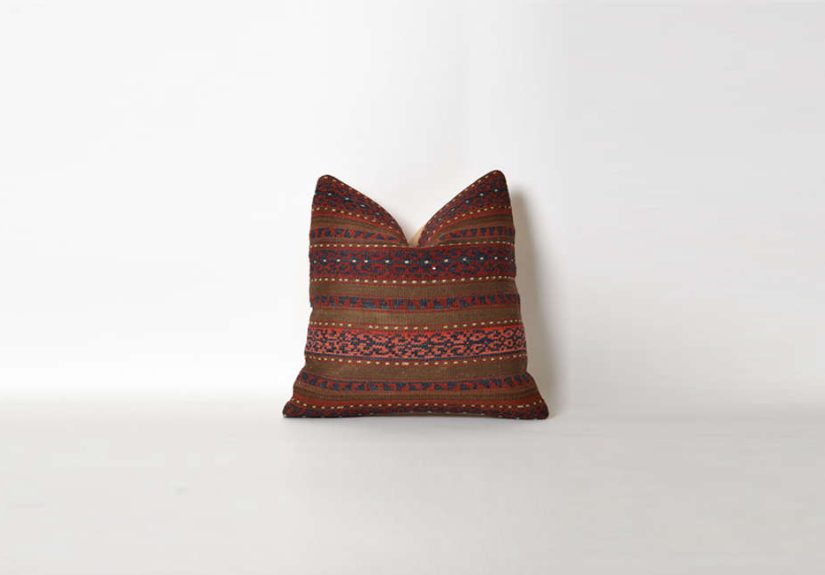
In the simplest terms, kilim refers to a flatwoven textile. Traditional kilims are known for their low-profile weave, bold color, and geometric pattern language. When that look is adapted into a pillow, you get something rich in visual interest but practical enough for everyday living. Striped kilim pillows can be made from vintage textiles, newly woven wool, cotton blends, or kilim-inspired fabrics that borrow the look of traditional flatweaves. The result is a pillow that feels collected, not cookie-cutter.
What Makes a Striped Kilim Pillow Different?
A striped kilim pillow is not just a striped pillow wearing a cool name tag. The difference is in the structure and the surface. Kilim-style textiles are flatwoven, which means they do not have the plush pile you get from shaggy or tufted fabrics. Instead, the beauty comes from interlaced yarns, visible texture, and pattern woven right into the fabric rather than printed on top.
Signature features to look for
- Flatwoven texture: The fabric feels structured, tactile, and a little nubby in the best possible way.
- Stripes with personality: You may see simple linear bands, broken stripes, stepped motifs, or stripes mixed with diamonds and angular details.
- Handcrafted character: Slight variation is part of the charm. If every line is perfectly robotic, the pillow may lose some of that collected, artisan feel.
- Natural-looking fibers: Many quality options feature wool, cotton, wool blends, or sturdy woven synthetics for indoor-outdoor use.
- Tailored finishing: Hidden zippers, cotton backs, knife-edge seams, fringe, and tassels are all common details.
That flatweave look is a big part of why striped kilim pillows feel so grounded. They bring visual movement without the fuzz, flounce, or fluff explosion that can make a room feel overstyled. In other words, they are patterned, but emotionally stable.
Why Stripes and Kilim Are Such a Good Match
Stripes are having a design moment again, and not in a stern boarding-school way. Today’s stripes are more relaxed, more layered, and more expressive. They can feel playful, tailored, earthy, graphic, or vintage depending on the scale and color palette. When stripes meet kilim texture, the pattern becomes warmer and more dimensional.
That matters because many homeowners want rooms that feel curated rather than flat. A striped kilim pillow adds movement across a sofa or bed, but the woven texture keeps the pattern from looking slick or overly manufactured. It is a little like the difference between a handwritten note and a generic text. Both communicate, but one has soul.
Stripes also make kilim pillows easier to use than more chaotic all-over motifs. A stripe gives the eye direction. It can visually widen a bench, stretch a bed, or break up a large block of solid upholstery. If you are decorating with neutral furniture, striped kilim pillows are often the fastest way to make the room feel intentional.
How to Style Striped Kilim Pillows Without Making Your Sofa Panic
The best rooms rarely rely on matching sets. Designers usually mix color, scale, and texture so a space feels layered rather than showroom-perfect. Striped kilim pillows fit beautifully into that approach because they can act as a bridge between solids and bolder prints.
1. Start with a throughline
Pick one repeated element that connects the pillows to the rest of the room. That could be terracotta pulled from artwork, black stripes echoed in a rug, or warm camel tones repeated in a leather chair. This is what keeps the mix from looking random.
2. Vary the pattern scale
If your striped kilim pillow has narrow, busy lines, pair it with a larger-scale floral, a chunky woven solid, or a quiet linen pillow. If the stripe is bold and wide, let the supporting pillows be more subtle. Pattern mixing works best when everything is not yelling at the same volume.
3. Use texture as your secret weapon
Flatwoven kilim pillows look especially good next to velvet, linen, boucle, cotton slub, leather, or washed canvas. Even if the palette stays neutral, that contrast in materials makes the arrangement feel richer.
4. Try the “sisters, not twins” approach
You do not need identical pillows to make a room feel cohesive. Two striped kilim pillows in related colors can look better than a perfectly matched pair because they feel found, not ordered from a catalog during a late-night scrolling spree.
5. Keep one visual resting place
If the pillows are busy, let something nearby stay calm. A solid throw, a simple sofa, or a low-key wall color will help the pattern shine without overwhelming the space.
Best Places to Use Striped Kilim Pillows
These pillows are surprisingly flexible. Their shape, scale, and texture let them work across rooms that need a little warmth or a little edge.
On the sofa
This is the classic move. A striped kilim lumbar pillow on a neutral linen sofa adds depth instantly. On a leather couch, kilim texture softens the visual heaviness and makes the whole setup feel more lived-in. If your sofa is already striped, choose kilim pillows with related colors but a different stripe scale or a more geometric weave.
On the bed
One long striped kilim lumbar pillow can anchor a bed beautifully, especially against white or oatmeal bedding. If you want a more layered look, combine it with euro shams and one or two smaller solids. The kilim piece becomes the jewelry instead of the entire outfit.
On accent chairs and benches
This is where striped kilim pillows really show off. A single pillow on a reading chair, entry bench, or window seat can make the whole corner feel styled. Because kilim pillows often have a crafted look, they help small furniture moments feel less forgotten.
In outdoor-adjacent spaces
Some kilim-inspired pillows are made from durable recycled or performance materials for patios, porches, and sunrooms. If you love the look but have kids, pets, snacks, or all three, these can give you the style without the constant stress of guarding them like museum artifacts.
Choosing the Right Striped Kilim Pillow
Not every pillow deserves your sofa. Some are beautiful in theory and weirdly sad in person. Here is how to choose one that actually works.
Pay attention to material
Wool-forward covers usually have the most authentic kilim feel. They offer depth, texture, and that slightly rustic hand many people love. Cotton can feel softer and more casual. Wool-cotton blends are a happy medium. Indoor-outdoor options often use recycled synthetic fibers that mimic the look of a flatweave while being easier to clean.
Look at the back panel
Many better-made kilim-style covers feature a woven front and a cotton or linen back. That is normal and practical. The back does not need to compete with the front. It just needs to play nice with your furniture and zip closed without drama.
Think about shape
Square pillows are versatile, but striped kilim lumbars are especially strong. The elongated shape shows off the stripe pattern beautifully and works well on beds, benches, and deeper sofas.
Choose a palette with range
The most useful striped kilim pillows usually contain two to five colors rather than one very rigid combination. That range helps them connect with other pieces in the room. Earthy rust, camel, charcoal, indigo, cream, muted green, and dusty rose are all especially easy to work with.
Embrace variation
Handcrafted or handwoven-style pillows often have slight irregularities. Good. That is not a defect; that is the whole point. If you want something that feels one-of-a-kind, a little variation is a feature, not a scandal.
Decor Styles That Love Striped Kilim Pillows
One of the reasons striped kilim pillows stay relevant is that they do not belong to only one trend cycle.
Bohemian and eclectic spaces
This is their natural habitat. Layer them with vintage rugs, wood tones, plants, and collected art, and they look completely at home.
Modern rustic interiors
In a room with oak, walnut, leather, and matte black finishes, a striped kilim pillow adds warmth and visual break-up without making the space feel precious.
Minimalist rooms
A single kilim pillow can act as the statement piece in an otherwise restrained palette. The low-profile texture and linear pattern give the room depth without clutter.
Southwestern-inspired homes
Warm clay tones, sand colors, black accents, and woven stripes are a natural fit here. The pillow brings in the desert spirit without turning your house into a theme restaurant.
Traditional spaces needing a refresh
Even classic rooms benefit from a little woven pattern. A kilim pillow on a tailored armchair can wake up a traditional space and make it feel more current.
Care Tips: Keep the Look, Lose the Panic
Care depends on the exact material, but striped kilim pillows usually reward a gentle approach. Think “respectful houseguest,” not “throw it in with the gym towels and hope for the best.”
- Read the care label first, because wool blends and artisan-made covers often require spot cleaning or dry cleaning.
- Blot spills quickly instead of rubbing them deeper into the weave.
- Vacuum lightly or brush gently to remove dust from textured surfaces.
- Use inserts that properly fill the cover so the textile does not sag and look tired.
- Rotate pillows if they live in one sunny spot all day, especially if the colors are rich and saturated.
If you are buying for a family room that sees real life, not just decorative fruit bowls and aspirational silence, consider removable covers or kilim-inspired indoor-outdoor fabrics. They can take more wear while still delivering the look.
Common Mistakes to Avoid
Buying all the same pillow: A room needs rhythm, not clones.
Ignoring texture: Kilim shines most when paired with complementary materials, not a sea of equally flat fabrics.
Choosing a palette that fights the room: Pull colors from what you already own so the pillow looks integrated.
Overstuffing the sofa: Decorative pillows are wonderful, but people should still be able to sit down without negotiating terms.
Treating handmade variation like a flaw: A little irregularity is exactly what makes these pieces feel special.
Are Striped Kilim Pillows Worth It?
If you want a small décor update with disproportionate payoff, yes. Striped kilim pillows can make a room feel warmer, more layered, and more personal in about thirty seconds. They deliver color, pattern, craftsmanship, and versatility without requiring new furniture, paint, or a personality transplant for your living room.
The best ones are especially good investments because they age well stylistically. A trendy novelty pillow may have a short, glittery lifespan. A striped kilim pillow, on the other hand, tends to stick around because it connects to broader design themes: natural texture, artisanal detail, global influence, and timeless stripes.
In short, they are practical enough for real homes, stylish enough for design lovers, and charming enough to make even the most basic sofa look like it has stories to tell.
Experience and Everyday Living With Striped Kilim Pillows
Living with striped kilim pillows is a little different from simply owning decorative pillows. They tend to change the mood of a room in a way that feels immediate and oddly satisfying. A beige sofa that once looked fine suddenly looks intentional. A guest room that used to feel like a holding cell for spare furniture begins to read as cozy and collected. Even a plain wood bench near the front door can take on that “someone here has excellent taste and maybe labels their pantry jars” energy once a good kilim lumbar lands on it.
One of the most noticeable things is how these pillows make a room feel more traveled, even if you have not left your zip code lately. Because kilim-inspired weaves are tied to long traditions of flatwoven textiles, they carry a sense of heritage and handwork. You do not need to turn your house into a global bazaar to appreciate that. One striped kilim pillow mixed with a linen throw and a ceramic lamp is often enough to create that collected look people spend years trying to fake.
They are also deeply useful in homes that feel too polished or too stiff. Sometimes a room has all the correct pieces but no pulse. The furniture matches, the walls are lovely, and yet the space somehow feels like it is waiting for permission to become human. A striped kilim pillow helps because it introduces texture that is a little imperfect and pattern that is a little alive. It breaks the showroom spell.
In everyday use, the texture is part of the pleasure. Flatwoven pillows do not sink and slouch the way some ultra-soft pillows do. They hold their shape better, which means they often look neater for longer. On a bed, that structured look feels crisp and styled. On a sofa, it gives the arrangement a bit of backbone. If you like your house to look relaxed but not asleep, this is a good thing.
There is also the color story. Striped kilim pillows often combine tones in a way that feels more nuanced than a simple solid pillow. Maybe there is rust next to blush, charcoal next to cream, or faded indigo crossed with tan and moss. That range makes it easier to connect different elements in the room. Suddenly your wood coffee table, your old rug, and the art above the sofa look like they were all introduced at the same party instead of arriving separately and refusing eye contact.
For people who like to refresh their homes seasonally, these pillows are especially fun. In cooler months, striped kilim pillows pair beautifully with wool throws, leather accents, and moodier palettes. In warmer weather, they still work with lighter linens, natural baskets, and sun-washed woods. You do not have to redecorate from scratch. You just shift the supporting cast.
And yes, there is a slightly emotional component. Good textiles do that. They make spaces feel less generic and more personal. A striped kilim pillow can remind you that home does not have to be perfect to feel beautiful. It just needs texture, warmth, and a few pieces with character. Preferably pieces that can survive a movie night, a nap, and a mildly chaotic dog.
That is probably the best real-world argument for them. They are decorative, but they are not flimsy. They are stylish, but they are not fussy. They bring presence without demanding constant praise. In a world full of trends that burn bright and disappear by next Tuesday, striped kilim pillows feel refreshingly grounded. They do not beg for attention. They simply make the whole room better, which is honestly a very classy move.
Conclusion
Striped kilim pillows earn their place because they combine craftsmanship, versatility, and style in one compact package. They can warm up modern rooms, sharpen relaxed spaces, and give neutral furniture a stronger point of view. Whether you choose a wool-forward vintage-inspired cover or a durable kilim-look lumbar for high-traffic living, the appeal stays the same: texture, pattern, and personality that feel timeless rather than try-hard.
If your room needs a quick upgrade that looks thoughtful instead of trendy, start here. A well-chosen striped kilim pillow does what all great home décor should do: it makes your space feel a little more like you, only better dressed.