Table of Contents >> Show >> Hide
- What Is the Stingray Rocker?
- The Design Tricks That Make It More Than “Just a Rocking Chair”
- Materials, Finishes, and Versions
- How Big Is the Stingray Rocker?
- Where It Works Best in a Home
- Buying Guide: New, Discontinued, and Secondhand Reality
- Care and Maintenance: Keep It Looking Sharp
- The “Why” Behind the Rocking
- Real-World Experiences With the Stingray Rocker (What Living With It Feels Like)
- SEO Tags
Some chairs politely sit there and wait to be used. The Stingray Rocker does not. It shows up like a sea creature that wandered into your living room, claimed a corner, and somehow made everything around it look more interesting. It’s sculptural, a little futuristic, andmost importantlybuilt to be lived in, not just stared at from a safe distance like museum art you’re not allowed to touch.
If you’ve ever wanted a rocking chair that doesn’t scream “front porch retirement plan,” this is the plot twist. Designed by Danish designer Thomas Pedersen and produced by Fredericia, the Stingray Rocker blends modern materials (like high-grade polypropylene and steel) with a lounging-first shape that encourages you to sit upright, lean back, curl up sideways, or do that “I’m only resting my eyes for 12 minutes” pose. (We all know how that ends.)
In this guide, we’ll break down what the Stingray Rocker is, why it feels different from typical rockers, how to style it, what to check if you’re buying one secondhand, and how to keep it looking goodwhether it lives indoors, on a covered patio, or in the one room where your pets have declared themselves interior designers.
What Is the Stingray Rocker?
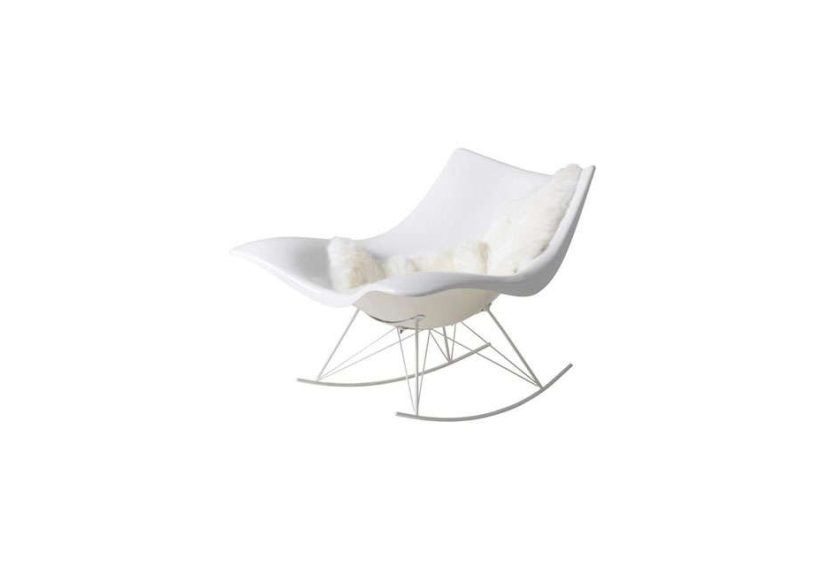
The Stingray Rocker (sometimes listed as the Stingray rocking chair or Stingray chair) is a modern rocking lounge chair known for its wide, wing-like shell and minimalist rocking base. The name is not random: “stingray” is the visual cue, but the bigger point is function. Pedersen developed the concept while at the Aarhus School of Architecture, aiming for a chair that could support multiple sitting positionsthen landed on a rocking base that keeps the profile light and the experience calming.
Fredericia’s production versions are commonly identified as Model 3500. Depending on the edition, you’ll see a polypropylene shell in matte or glossy finishes, a steel base (painted or chrome), and optional add-ons like a neck cushion or a cozy throw (often shown as sheepskin or “lambskin” styling).
The Design Tricks That Make It More Than “Just a Rocking Chair”
Most rocking chairs are built around one “correct” posture: sit back, rock gently, repeat. The Stingray Rocker is more like a lounge chair that happens to rock. That’s why people describe it as having a 360-degree choice of seating positionsnot because it spins, but because the shell shape supports comfort from a surprising number of angles. You can:
- Sit upright with back support and elbows resting on the wide sides.
- Lean back for a more reclined, “I’m reading… slowly” posture.
- Perch sideways with legs draped over one wing (a favorite for casual conversation corners).
- Curl up with knees bent, especially if you add a throw and neck cushion.
The rocker base keeps the chair visually “floating,” which is a big part of its appeal: it looks bold, but not bulky. It’s also an example of modern Danish design that takes the classic rocker silhouette (and even nods to iconic mid-century rocking forms) and updates it into something that feels contemporary in both shape and material.
Materials, Finishes, and Versions
Because “Stingray Rocker” listings vary, it helps to know what’s typical and what’s edition-specific. Here’s the practical breakdown.
Polypropylene shell: why it works
The shell is often described as high-grade polypropylene. Translation: a durable plastic engineered for hard-wearing use. Polypropylene is popular in modern furniture because it’s lightweight, easy to wipe clean, and can hold crisp shapes without needing thick padding. On the Stingray, that matters because the shell does most of the ergonomic worksupporting your body through curves and wings rather than a pile of cushions.
Steel base vs. stainless steel base
Many indoor versions use a painted or chrome steel base. Some editions can be mounted on a stainless steel frame for outdoor useespecially for covered outdoor spaces where you want a design-forward rocker that isn’t made of thirsty wood.
Accessories and softening options
If you love the chair’s sculptural look but want a softer “sink-in” vibe, accessories do the heavy lifting. A neck cushion can make longer reading sessions feel more supportive, and a sheepskin/lambskin-style throw adds warmth, texture, and a little drama (the good kind).
How Big Is the Stingray Rocker?
The Stingray Rocker is not a dainty accent chair. It’s a lounge-scale piece that needs breathing room. Typical published dimensions cluster around:
- Width: about 47 inches (120 cm)
- Depth: about 45 inches (114 cm)
- Height: about 33 inches (83.5–85 cm)
- Seat height: varies by listing; often mid-to-high teens in inches (roughly 13–18 inches, depending on edition and measurement point)
For placement, plan for rocking clearance. A simple rule: give it at least a couple of feet behind and in front so it can move without bonking a wall, table, or unsuspecting shin. If you’re creating a reading corner, pair it with a small side table that sits slightly forward and to the sideso you’re not playing “rocking chair Jenga” every time you reach for water.
Where It Works Best in a Home
The Stingray Rocker is versatile, but it shines in spaces where you want a statement and a functional seat. Here are smart placements that tend to work well:
1) The reading corner that actually gets used
A rocker is practically begging to be paired with reading light + side table + throw. Because the Stingray supports lounging in multiple positions, it’s especially good for long sessionsnovels, podcasts, doomscrolling (no judgment), or the kind of “quick email check” that turns into a 40-minute life audit.
2) A modern nursery or “calm-down” zone
Rocking is a classic soothing motion, and modern rockers have become popular beyond traditional nursery gliders. The Stingray’s wide form can feel cozy and containedlike a personal cocoon that also looks cool enough to stay in the room long after the nursery phase.
3) Bedroom seating that feels intentional
In design-forward homes, you’ll sometimes see the Stingray used as a bedroom lounge chairan alternative to a bench or generic armchair. It gives you a place to sit, read, or put on shoes, while doubling as a sculptural element that makes the room feel styled (even if the closet is chaos).
4) Covered patios and outdoor rooms
If your version is on a stainless frame (or you’re using it in a protected space), it can work outdoors in the same way a modern lounge chair would: as a conversation piece that’s also nap-friendly.
Buying Guide: New, Discontinued, and Secondhand Reality
Depending on where you shop, you may see the Stingray Rocker listed as discontinued, while other sources reference later “new editions” and updated options. In practice, many buyers encounter it through design retailers, resale marketplaces, and auctions.
If you’re shopping secondhand, treat it like you would any collectible modern design piece: verify, inspect, and don’t be afraid to ask for photos of the underside.
What to check before you buy
- Label or maker’s mark: Listings often mention an underside manufacturer’s label.
- Shell condition: Look for deep scratches, stress marks, or dull spots (especially on glossy finishes).
- Base condition: Check for rust, chips, or wobble; verify the rockers feel smooth, not gritty.
- Upholstery/veneer editions: If your listing includes veneer or upholstery, inspect seams, fabric wear, and edge chipping.
- Accessories: Neck cushion and sheepskin throws are sometimes pictured but not includedconfirm what’s actually part of the sale.
Also consider shipping logistics. This chair is wide and deep, which can make freight or white-glove delivery worth itespecially if you’d rather not attempt “car Tetris” with something shaped like a futuristic manta ray.
Care and Maintenance: Keep It Looking Sharp
The Stingray’s materials are generally practical, but “practical” still appreciates basic care. The biggest goal is to clean without scratching or dulling finishes.
Cleaning the polypropylene shell
- Start by removing dust and grit (a soft cloth or gentle brush).
- Wipe with mild soap and water.
- Rinse/wipe again with clean water and dry with a soft towel.
- Avoid abrasive pads that can haze the surfaceespecially on glossy shells.
Cleaning the metal base
For painted or chrome bases, keep it simple: mild soap and water, then dry. If you’re dealing with minor rust on outdoor metal, some guides recommend white vinegar solutions and gentle scrubbingbut always test a small spot first and avoid harsh chemicals that can damage finishes.
If you use a sheepskin/lambskin-style throw
Follow the care instructions that come with the specific throw. In general, keep it dry, shake it out outdoors, and spot-clean carefully. The chair looks great with texture, but texture needs a little respect (and occasionally a lint roller).
The “Why” Behind the Rocking
Rocking isn’t just nostalgiait’s biology. Research discussed in major science outlets has linked gentle rocking motion with falling asleep faster and changes in sleep-related brain activity, with studies suggesting benefits for sleep quality and even memory performance. That doesn’t mean a chair cures insomniabut it helps explain why rocking can feel so calming, even when you’re fully awake.
In plain English: the Stingray Rocker isn’t only a visual statement. The motion can make the chair feel like a stress-reducer you can put in your floor plan. And honestly, anything that makes a living room feel a little more human is doing important work.
Real-World Experiences With the Stingray Rocker (What Living With It Feels Like)
Let’s talk about the part that doesn’t show up in product photos: day-to-day reality. The Stingray Rocker is the kind of chair people remember, but it’s also the kind of chair that changes how a corner of a room behaves. Here are experiences that tend to come up when designers (and normal humans with normal lives) integrate it into an actual home.
The first week: “Where do we put this thing?”
Because it’s wide and lounge-deep, the Stingray Rocker doesn’t politely slip into leftover space. It needs a spot with intention. Most people land on one of two options: a reading corner (with a side table and lamp) or a bedroom/den corner where it can act like functional sculpture. The biggest “aha” moment is realizing it doesn’t want to be pushed tight against a wall. Give it clearance to rock, and it suddenly feels naturallike it belongs there, instead of looking like it’s waiting for a moving truck to come back.
How it actually gets used
The multi-position lounging is real. People rotate through postures depending on what they’re doing: upright for laptop time, slightly reclined for reading, sideways for conversation, and “full lounge mode” for decompressing. If you add the neck cushion, the chair feels more supportive for long sits; without it, you may find yourself folding a throw into a makeshift headrest. Either way, this chair tends to become a default seatthe one someone “just sits in for a second” and then refuses to leave.
Conversation starter energy (without trying too hard)
In many homes, the Stingray Rocker becomes the unofficial tour stop. Guests notice it, ask what it is, and (if they’re brave) try it. It’s a funny pattern: people approach it like art, then sit down and realize it’s comfortable. That shiftfrom “design object” to “wait, this is actually cozy”is basically the chair’s whole personality. It can carry a minimalist space by adding a single bold silhouette, or it can hold its own in a layered room as the “weird-but-right” piece that keeps things from feeling too matchy-matchy.
Pets, kids, and the laws of gravity
Real homes include movement, mess, and small beings who treat furniture like a climbing gym. The Stingray’s shell is generally easy to wipe down, which helps. The wide wings sometimes invite pets to perch, and the rocking motion can become a novelty (for them and for you). The main practical lesson is to keep the area around it clear. A rocker will find the one toy, charging cable, or stray shoe you forgot was there. The solution isn’t complicated: give it a clean “rocking zone,” and it behaves.
Maintenance reality: easier than you’d expect
Owners often worry that a design-forward chair will be high-maintenance, but the common polypropylene-and-metal combination is pretty forgiving. Regular dusting plus mild soap-and-water wipes handle most of what everyday life throws at it. The only consistent caution: avoid abrasive cleaners or rough scrubbers that can dull glossy finishes. If your chair includes upholstery or veneer, the experience shifts toward standard fabric/wood carebut the plastic-shell versions are generally the simplest to live with.
The long-term vibe
Plenty of trendy chairs look great for a season and then start feeling like a costume. The Stingray Rocker has lasted in the design conversation because it isn’t only chasing “cool.” It’s solving a real problemhow to lounge comfortably in a chair that still looks modernwhile adding the gentle, almost meditative effect of rocking. It’s a seat, a statement, and a small daily ritual: sit down, rock a little, exhale, rejoin society.