Table of Contents >> Show >> Hide
- What “Solid Brass” Actually Means (And Why Your Magnet Has Opinions)
- Why Brass Makes a Great Bottle Opener
- Popular Styles of Solid Brass Bottle Openers
- Design Details That Separate “Nice” From “Why Does This Hurt?”
- Lead, Coatings, and Safety: The Not-So-Party Part (But Important)
- Care, Cleaning, and Patina: Shiny Trophy or Vintage Legend?
- Where a Solid Brass Bottle Opener Fits in Your Life (Besides “That Drawer”)
- Buying Tips: How to Choose the Right Brass Bottle Opener
- FAQ
- Real-Life Experiences With a Solid Brass Bottle Opener (About )
- Conclusion
There are two kinds of bottle openers in this world: the one you can find when you need it, and the one that vanishes the moment
someone says, “Who’s got an opener?” A solid brass bottle opener belongs firmly in the first categorybecause it has
the audacity to be heavy, obvious, and a little bit fancy.
Whether you’re popping craft soda, sparkling water, or the occasional “I survived Tuesday” beverage, brass brings that old-school bar
vibe: durable, warm-toned, and the kind of tool that looks better with a little age. Let’s break down what “solid brass” really means,
why it’s a smart choice, how to pick a great one, and how to keep it looking exactly the way you wantpolished like a trophy or
weathered like a legend.
What “Solid Brass” Actually Means (And Why Your Magnet Has Opinions)
“Brass” isn’t a single metalit’s an alloy (a mix) primarily of copper and zinc. That blend is what gives brass its
golden color and its reputation for being tough, workable, and pleasantly weighty in the hand.
A solid brass bottle opener means the opener is made from brass throughoutnot just coated in a thin brass layer.
That matters because plated openers can chip, wear through, and reveal an underlying metal that may rust or discolor. Solid brass, by
contrast, wears more like a good leather jacket: it develops character instead of falling apart.
Quick ways to tell solid brass from “brass-ish”
-
The magnet test: Brass isn’t magnetic. If a magnet sticks hard, you’re likely looking at steel with a brass-colored
finish. - The weight test: Solid brass usually feels surprisingly substantial for its sizelike it’s quietly judging lighter tools.
-
The scratch-in-a-hidden-spot test: If you can safely test a tiny, inconspicuous area, solid brass stays the same color
beneath the surface. Plating may reveal a different metal tone underneath.
Why Brass Makes a Great Bottle Opener
Bottle openers live a hard-knock life. They get tossed into drawers, dropped on patios, jammed into picnic baskets, and occasionally
used as an emergency “I can totally fix this” lever. Brass handles that chaos well.
1) It’s durable without being fussy
Brass holds up to repeated prying motion, and it resists rusting in normal household conditions. You may see tarnish, but that’s
surface chemistrynot structural failure. (Rust is what steel does; brass prefers a dramatic glow-up called patina.)
2) The weight improves leverage and comfort
A little mass can make the popping motion feel smoother. With a heavier opener, you often need less “wrist drama” to lift a crown cap.
It’s a subtle ergonomic win, especially if you’re opening a bunch of bottles for a party, a barbecue, or an overly enthusiastic root-beer tasting.
3) Patina turns “used” into “vintage cool”
Brass naturally darkens and can develop deeper gold, brown, or even greenish tones over time depending on moisture and handling. Some
people polish brass regularly for a bright shine. Others love the aged look. The best part: you get to choose the vibe.
Popular Styles of Solid Brass Bottle Openers
“Bottle opener” sounds simple until you realize there are styles with nicknames, history, and very strong opinions from bartenders.
Here are the main shapes you’ll see in brass, plus what they’re best at.
Bar blade (a.k.a. speed opener / bar key)
This is the flat, easy-to-grip opener used in barsbuilt for speed, one-handed use, and a clean pop. Many versions have a round hole
at one end, which can help with grip tricks, hanging storage, and even pulling a bottle up from an ice bin by the neck.
“Church key” style
Traditionally associated with classic openers, the “church key” form often includes a bottle-cap lifter and sometimes a can-piercing end
(more vintage than necessary for modern life). If you like retro tools with a story, this shape scratches that itch.
Keychain / pocket openers
These are compact and easy to carry. The trade-off is leverage: tiny openers can be less comfortable if you’re opening multiple bottles.
Great for a travel bag, a cooler strap, or the person who always ends up hosting the picnic “somehow.”
Wall-mounted openers
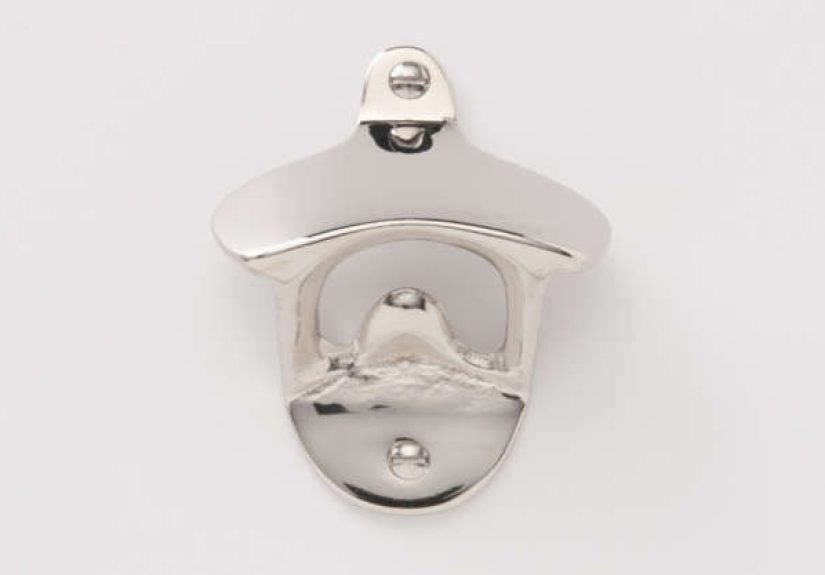
If you want the opener to stop playing hide-and-seek, mount it. Solid brass wall-mounted openers are popular for patios, home bars,
workshops, and garages. They’re also a sneaky way to make your space look intentional, like you definitely meant to be this organized.
Design Details That Separate “Nice” From “Why Does This Hurt?”
Two brass openers can look similar in photos and feel wildly different in real use. Here’s what to pay attention to when you’re picking
one out (or judging the one you already own with a raised eyebrow).
1) The cap-lifting lip and contact edge
A good opener grabs the underside of the cap cleanly and lifts without slipping. If the lip is too shallow, you’ll fight the cap. If the
edge is too sharp, it may dig into your hand or mar surfaces when it falls off the counter like a tiny golden meteor.
2) Handle shape and thickness
Thick, smoothly contoured handles tend to feel better than thin, sharp-edged piecesespecially if you’re opening bottles back-to-back.
Some brass openers add subtle finger grooves, a flared end for grip, or a wider profile for comfort.
3) Finish: polished, brushed, or raw
- Polished brass looks bright and classic, but will show fingerprints and tarnish faster.
- Brushed/satin finishes hide smudges better and often feel less slippery.
- Raw/unlacquered brass develops patina quicklyideal if you love that aged look.
4) One-piece construction vs. multi-part
Many high-quality brass openers are one-piece (cast or machined). Fewer seams generally means fewer weak points. For wall-mounted
styles, check that mounting hardware and screw holes are robust, aligned, and designed for the surface you’ll use.
Lead, Coatings, and Safety: The Not-So-Party Part (But Important)
Here’s the practical reality: some traditional “free-machining” brass alloys include a small amount of lead to make manufacturing
easier and improve machinability. That’s why you may see warnings (especially California Proposition 65 warnings) on certain brass items.
What this means for a brass bottle opener
-
Use as intended. A bottle opener contacts the cap, not the beverage. Still, it’s smart not to put it in your mouth,
use it as an improvised spoon, or let kids treat it like a teether (please don’t). - Wash hands after heavy handling (especially if a product includes a warning label), and keep it clean like any kitchen/bar tool.
-
If you’re highly cautious, look for products described as “lead-free brass” or made with alternative materials (like stainless steel),
especially if the opener will be used in settings with children.
Bottom line: a solid brass opener is typically safe for normal opener use, but product labels exist for a reasonread them, follow
basic hygiene, and don’t turn your opener into a multipurpose utensil just because it looks heroic.
Care, Cleaning, and Patina: Shiny Trophy or Vintage Legend?
Brass maintenance is all about your preferred aesthetic. Want shine? You’ll clean more often. Want patina? You’ll clean gently and
avoid harsh polishing. Either way, the goal is to remove grime and protect the surface without turning your opener into a chemistry experiment gone wrong.
Step 1: Figure out if it’s coated
Some brass items are lacquered or sealed to slow tarnish. If it’s coated, aggressive polishing can damage the coating and create
uneven dull spots. If you’re unsure, start with the gentlest method.
Everyday cleaning (patina-friendly)
- Wipe with a soft cloth after use (especially if hands were greasy or sticky).
- Use mild dish soap and warm water, then dry thoroughly.
- If you love patina, avoid abrasive cleaners and strong acids.
Gentle brightening (without stripping all character)
A surprisingly popular method is ketchupyes, the same condiment that has witnessed a thousand fries. It’s mildly acidic
and can lift tarnish gently. Apply a thin layer, wait a bit, rinse, and buff dry. It won’t always make brass mirror-bright, but it can
reduce dullness while leaving some age behind.
For a full “make it shine” polish
If you want the opener to look brand-new, use a classic DIY paste approach. A common method is a mixture of vinegar, salt, and flour
to form a spreadable paste. Apply, let it sit briefly, rinse well, and dry. Another approach uses lemon and salt for spot cleaning.
Keep the rubbing gentlebrass is durable, but you don’t need to sand it like you’re refinishing a ship.
What to avoid
- Long soaks in harsh chemicals (especially if the opener has any coating).
- Very abrasive pads that can scratch or remove finishes.
- Dishwashers unless the manufacturer explicitly says it’s dishwasher-safe (heat + detergents can accelerate tarnish).
Where a Solid Brass Bottle Opener Fits in Your Life (Besides “That Drawer”)
A solid brass opener is one of those small upgrades that makes a space feel more put-together. It’s functional décor. It’s a tiny tool
with big “adulting” energy. And it has a knack for becoming “the opener everyone reaches for,” even if there are five others nearby.
Great use cases
- Home bar: Pair it with a jigger, shaker, and a good ice tray. Suddenly your kitchen counter has main-character confidence.
- Outdoor setup: Keep one near the grill, the cooler, or a patio drink station. Bonus points for a wall-mounted style.
- Gifts: Brass looks premium without being flashygreat for housewarmings, weddings, birthdays, and “thanks for hosting” moments.
- Workshops/garages: Because sometimes a soda after a project tastes like victory.
Buying Tips: How to Choose the Right Brass Bottle Opener
Ask yourself these questions
- Do I want shiny or patina? Polished brass looks stunning but needs more upkeep. Unlacquered brass ages faster (in a good way).
- Will it live at home or travel? Go larger for comfort at home; go compact for keychains and coolers.
- Do I want bartender-style speed? Consider a bar blade style if you want fast, one-handed opening.
- Is this a gift? Look for engraving space, a classic silhouette, or a presentation-worthy finish.
- Any label warnings? Read product notes and follow care guidanceespecially regarding handwashing and intended use.
FAQ
Will a solid brass bottle opener rust?
Brass doesn’t rust like iron-based metals. It can tarnish and develop patina, but that’s a surface change rather than structural corrosion in typical home environments.
Why do some brass openers darken quickly?
Handling, skin oils, humidity, and air exposure can accelerate tarnish. Unlacquered brass is designed to age; polished/lacquered brass ages more slowly.
Can I keep brass shiny all the time?
Yesjust plan on occasional polishing and more frequent wiping. If you prefer low maintenance, embrace patina or choose a brushed finish that hides fingerprints.
Is a brass opener better than stainless steel?
“Better” depends on your priorities. Stainless steel is low-maintenance and resists discoloration. Brass offers weight, style, and a distinctive aging process.
Many people choose brass because it feels like a permanent object, not a disposable gadget.
Real-Life Experiences With a Solid Brass Bottle Opener (About )
I used to think a bottle opener was a bottle openeruntil I hosted a backyard cookout and watched three different people attempt to open
a glass soda with a flimsy novelty opener shaped like a guitar. The guitar looked cool. The soda did not open cool. It opened with
the energy of a tiny negotiation: “If I twist this… and leverage that… and apply the force of my whole personality…” When someone
finally produced a solid brass bottle opener, the cap popped off with one smooth motion and a satisfying click that felt like
closure.
That’s the underrated magic of brass: confidence. A solid brass opener has enough weight that it stays put on the table
instead of skittering into the unknown. It’s easy to grab without looking. It doesn’t feel like it might bend mid-pop. And when you
hand it to a friend, they don’t ask for instructions. Tools that don’t require an owner’s manual are always the best kind of tools.
On a camping trip, the brass opener became the unofficial “ceremonial object” of the cooler. Someone would say, “Who’s got the opener?”
and the answer was always, “The heavy one.” That’s the thing: it’s memorable. It’s not a piece of stamped metal you confuse with a
keychain. Even with cold hands, even sitting around a picnic table that wobbles like it’s auditioning for a slapstick routine, brass
is easy to handle. And because it doesn’t rust the way steel can, you’re not pulling a flaky orange surprise out of your bag later.
Then there’s the patina story. At first, I wanted it shinylike a miniature brass trophy for “Most Likely to Open Bottles.” But after a
few months of use, the opener darkened in the spots where fingers naturally rest. It picked up a softer glow, less mirror-like and more
“vintage bar in a good movie.” That worn-in look didn’t feel dirty; it felt earned, like the opener had done its job and collected a few
tales along the way.
The funniest part is how a small tool becomes a tiny ritual. At a dinner party, someone inevitably comments on it: “Oh, this is nice.”
And suddenly you’re talking about materials, finishes, and whether you’re Team Shiny or Team Patina, as if you’re discussing interior
designbecause you are, in the most practical way possible. The opener ends up living out in the open, not hidden in a drawer, because
it looks good and works better than the random freebies. That’s the best compliment a household tool can get: it earns countertop privileges.
If you’re upgrading a home bar or looking for a small gift that feels thoughtful, a solid brass bottle opener is quietly perfect. It’s
useful every time, it ages gracefully, and it turns a basic momentopening a drinkinto a small, satisfying “click” of quality.
Conclusion
A solid brass bottle opener is one of those simple upgrades that pays you back daily: better grip, smoother leverage,
long-term durability, and a look that ranges from polished classic to beautifully weathered. Choose a style that matches how you open
bottles (bar blade for speed, wall-mount for “never lose it again,” pocket size for travel), decide whether you want shine or patina,
and give it the same basic care you’d give any frequently handled tool. In return, it will do exactly one joband do it exceptionally well.