Table of Contents >> Show >> Hide
- What is skin cancer, really?
- Skin cancer symptoms: the most common signs people notice
- Types of skin cancer: what they look like (and how they behave)
- “Is this normal?” Skin changes that deserve a closer look
- How doctors confirm skin cancer
- Treatment overview: what happens after diagnosis
- Prevention: small habits, big payoff
- When to see a dermatologist (aka: don’t negotiate with a suspicious spot)
- Real-World Experiences: What People Notice (and Learn)
- Conclusion
Your skin is the largest organ you own, and unlike your phone, it won’t buzz when something’s wrong.
Skin cancer often starts quietlyjust a spot, bump, or “huh, that’s new” patch that lingers.
The good news: most skin cancers are highly treatable when found early. The tricky part is noticing them
before they start causing trouble.
This guide breaks down the most common skin cancer symptoms, the main types of skin cancer,
and the warning signs that should get you to a dermatologist sooner rather than later.
Expect practical tips, clear examples, and a tiny pinch of humorbecause if we’re going to talk about suspicious moles,
we may as well keep it human.
Medical note: This article is for education, not diagnosis. If you’re worried about a spot, get it checkedskin exams are faster than doom-scrolling.
What is skin cancer, really?
Skin cancer happens when skin cells grow out of control. Most cases are linked to ultraviolet (UV) radiation
from the sun or tanning beds. UV damage accumulates over time, which is why skin cancer can show up years after those
“I only burned a little” beach days (spoiler: it was never “a little”).
Skin cancer isn’t one single thingit’s a family of conditions. The big three you’ll hear about most often are:
basal cell carcinoma (BCC), squamous cell carcinoma (SCC), and melanoma.
There are also rarer types like Merkel cell carcinoma, which is less common but more aggressive.
Skin cancer symptoms: the most common signs people notice
Skin cancer symptoms can be subtle. Many people feel totally fineno fever, no fatigue, no dramatic soundtrack.
The skin changes are the clue.
General warning signs (any type)
- A new growth that wasn’t there before
- A spot that changes in size, shape, color, or texture
- A sore that won’t heal (or heals and then returns like a bad sequel)
- Bleeding, crusting, oozing, or recurring scabbing without a clear reason
- Itching, tenderness, or pain in a persistent spot
- A patch that looks like a scar but you don’t remember the injury
Where to look (because skin cancer doesn’t care about convenience)
Many skin cancers appear on sun-exposed areas: face, scalp, ears, neck, forearms, hands, shoulders, and legs.
But they can also show up in less-obvious placesunder nails, on the soles of feet, in the genital area,
or inside the mouth. Yes, it’s rude.
Types of skin cancer: what they look like (and how they behave)
Basal cell carcinoma (BCC): the “slow-but-sneaky” one
Basal cell carcinoma is the most common skin cancer. It usually grows slowly and rarely spreads far,
but it can still cause significant local damage if ignoredespecially on the nose, eyelids, and ears.
Common BCC symptoms and appearances:
- A shiny, pearly bump (sometimes pink, skin-colored, brown, or glossy black depending on skin tone)
- Visible tiny blood vessels on the surface (a “spidery” look)
- A flat, scaly patch that can look like eczema but doesn’t respond like eczema
- An open sore that crusts, bleeds, and doesn’t fully heal
- A waxy or scar-like area with a rolled edge
Real-life example: A bump on the cheek that bleeds when shaving and keeps forming a scab.
It doesn’t hurt, so it gets ignoreduntil it’s noticeably larger six months later.
Squamous cell carcinoma (SCC): the “can get serious” one
Squamous cell carcinoma is the second most common. It often starts on sun-exposed areas and can
be more likely than BCC to invade deeper tissues or spread, especially if neglected or in higher-risk locations
(like the lip or ear) or in people with weakened immune systems.
Common SCC symptoms and appearances:
- A rough or scaly red patch that may crust or bleed
- A firm bump or nodule
- A wart-like growth that thickens over time
- An open sore or ulcer that doesn’t heal
- A persistent lesion on the lip that may look like a chronic sore
Helpful clue: SCC often feels “different”thicker, rougher, or more tender than surrounding skin,
like a stubborn patch of sandpaper that refuses to leave.
Melanoma: the “take it seriously” one
Melanoma is less common than BCC and SCC but causes a large share of skin-cancer deaths.
The reason is simple: melanoma is more likely to spread to lymph nodes and internal organs if not caught early.
Early detection dramatically improves outcomes, which is why the warning signs matter so much.
The ABCDE rule for melanoma warning signs
Dermatologists often teach the ABCDE rule to spot suspicious moles or pigmented lesions:
- A Asymmetry: one half doesn’t match the other
- B Border: edges are ragged, notched, or blurred
- C Color: multiple colors (tan, brown, black, red, white, blue) or uneven shading
- D Diameter: often larger than 6 mm (about a pencil eraser), though smaller melanomas exist
- E Evolving: changing in size, shape, color, or symptoms (like itching or bleeding)
Other melanoma clues (beyond ABCDE)
- The “ugly duckling” sign: one spot looks noticeably different from all your other moles
- A new dark streak under a nail that isn’t from trauma
- A pink or skin-colored bump (amelanotic melanoma can lack pigment)
- Changes on palms, soles, and nail bedsespecially important for people with darker skin tones
Real-life example: You’ve had freckles forever, but one spot on your shoulder suddenly gets darker,
develops a jagged edge, and seems to grow over a few months. That’s not “just aging”that’s a dermatologist appointment.
Rare but important: Merkel cell carcinoma
Merkel cell carcinoma (MCC) is uncommon, but it’s worth knowing because it can grow quickly.
It often appears as a firm, painless, fast-growing nodule on sun-exposed skin and can be red, pink,
or skin-colored. Because it may not look “scary,” it can be overlooked.
“Is this normal?” Skin changes that deserve a closer look
Here’s a simple rule that’s surprisingly effective: new, changing, or unusual spots deserve attention.
If your skin is doing something it doesn’t typically doespecially for weekspay attention.
High-priority warning signs
- A sore that doesn’t heal within a few weeks
- A spot that bleeds easily or repeatedly crusts over
- A mole or lesion that’s rapidly changing
- A growth with irregular pigment or multiple colors
- A lesion that’s painful, numb, or associated with nerve symptoms
- Swollen lymph nodes with a suspicious skin lesion nearby (not common, but worth urgent evaluation)
Skin of color: a quick, crucial note
Skin cancer can occur in every skin tone. In people with darker skin, melanoma may be more likely to appear
in less sun-exposed areas like the soles, palms, and nail beds (acral lentiginous melanoma).
Also, some non-melanoma skin cancers can appear as pigmented (brown, black, or bluish) lesions,
which can be mistaken for benign spots. Bottom line: if it’s new or changing, it countsregardless of color.
How doctors confirm skin cancer
No one can reliably diagnose skin cancer by vibes alone. Even experienced clinicians confirm suspicious lesions with a
skin biopsy, meaning a small sample (or the whole spot) is removed and examined under a microscope.
What a biopsy visit is usually like
- Quick exam, often with a dermatoscope (a special magnifying light)
- Numbing injection (brief pinch, then you’re golden)
- Removal of a small sample or the whole lesion
- Bandage + simple wound-care instructions
- Pathology results in the following days (time varies)
If you’re thinking, “That sounds stressful,” you’re not wrong. But it’s still less stressful than ignoring a suspicious
spot for two years and then googling at 2 a.m.
Treatment overview: what happens after diagnosis
Treatment depends on the type, size, location, and whether the cancer has spread. Many skin cancers are treated with
a procedure that removes the lesion with a margin of normal-appearing skin.
Common treatments
- Excisional surgery: removing the cancer with a margin
- Mohs surgery: layer-by-layer removal (often used on the face or for high-risk lesions)
- Cryotherapy: freezing certain precancerous lesions (like actinic keratoses) or select superficial cancers
- Topical treatments: for some superficial cancers or precancers, under medical guidance
- Radiation therapy: sometimes used when surgery isn’t ideal
- Systemic therapy: immunotherapy/targeted therapy/chemotherapy for advanced cases (more common in melanoma or rare aggressive cancers)
The headline: early detection usually means simpler treatment. That’s why “watching it for a while”
is not the same as “getting it checked.”
Prevention: small habits, big payoff
The best skin cancer prevention plan is boringand that’s a compliment. It’s the daily stuff that works:
consistent sun protection and avoiding tanning beds.
Sun-smart essentials
- Use sunscreen that is broad-spectrum and at least SPF 30 (many public health sources note SPF 15+ as a minimum; dermatologists commonly recommend SPF 30+)
- Apply enough (most adults need roughly a shot-glass amount for the body) and reapply about every 2 hours, or after swimming/sweating
- Wear protective clothing: long sleeves, UPF-rated items, wide-brim hat, UV-blocking sunglasses
- Seek shadeespecially during peak sun hours
- Avoid indoor tanning (it’s UV radiation with a marketing budget)
Self-checks: a monthly habit that can literally save your skin
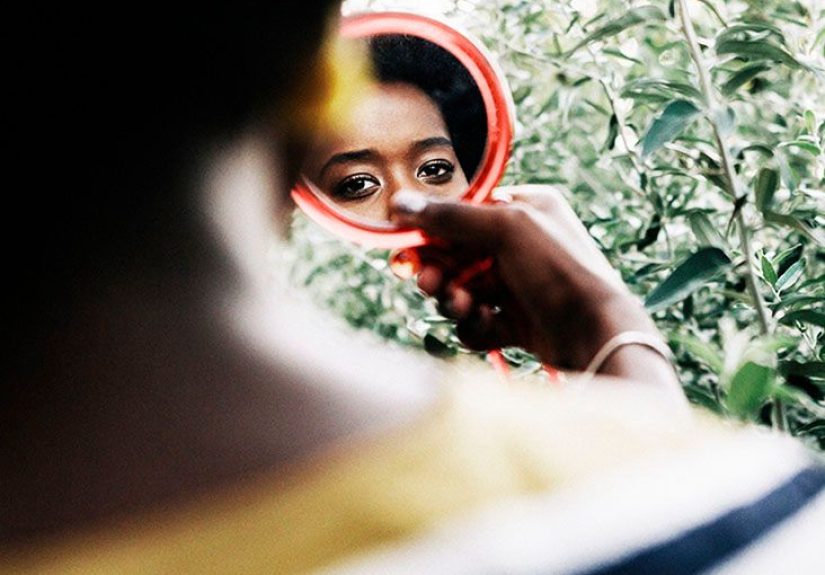
A monthly skin self-exam helps you notice changes early. Use bright light, a full-length mirror,
and a hand mirror. Check scalp, behind ears, back, buttocks, between toes, and under nails.
If you’re thinking, “That’s a lot,” you’re rightso make it routine.
Pro tip: Take photos of moles you’re watching (with consistent lighting) to track changes over time.
Your future self will appreciate the receipts.
When to see a dermatologist (aka: don’t negotiate with a suspicious spot)
Make an appointment if you notice:
- Any ABCDE changes in a mole or spot
- A lesion that bleeds, crusts, or won’t heal
- A rapidly growing bump
- A new pigmented streak under a nail without injury
- Anything that looks like an “ugly duckling” compared with your other moles
Also consider professional skin checks if you have higher risk factors:
lots of moles, a personal or family history of skin cancer, frequent sunburns, indoor tanning history,
significant sun exposure (outdoor work), or immune suppression.
Real-World Experiences: What People Notice (and Learn)
To make this topic feel less like a textbook and more like real life, here are common experiences people report around
skin cancer symptoms and warning signsthe moments that turn “probably nothing” into “okay, I’m calling.”
These aren’t one person’s story; they’re patterns that show up again and again in clinics.
One of the most common experiences starts with a tiny annoyance: a spot that keeps scabbing.
People notice it after shaving, washing their face, or putting on makeupsomething bleeds more easily than it should.
The spot may “heal,” but then returns like it has a subscription. This cycle is a classic way non-melanoma skin cancers
(especially BCC) get dismissed. There’s rarely pain, so the brain files it under “not urgent,” right next to “buy more paper towels.”
Another frequent experience is confusion with other skin conditions. A scaly patch may look like dry skin, eczema, or a stubborn rash.
People try moisturizers, hydrocortisone, switching soaps, cutting out gluten (because the internet said so), and nothing truly fixes it.
When a rough patch stays put for weeks or slowly thickens, that’s when SCC moves into the conversation.
The “aha” moment is often: “Wait… normal rashes don’t keep coming back in the exact same spot.”
With melanoma, the experience is often more visual and more emotional. Someone notices a mole that looks different from the others,
the classic “ugly duckling.” It might be darker, oddly shaped, or suddenly changing after years of being stable.
Sometimes a partner spots it firstespecially on the back or scalpleading to the romantic sentence:
“Babe, I love you, and also your mole is acting suspicious.” In many cases, photos become the turning point.
Comparing a spot to a picture from six months ago can reveal subtle growth or color change that’s hard to catch day-to-day.
People with darker skin tones often describe a different frustration: they didn’t think skin cancer applied to them,
or they weren’t told what to look for. A changing spot on the sole of the foot may be blamed on friction,
a nail streak on a manicure mishap, or a pigmented bump mistaken for a benign mole. When clinicians emphasize checking palms,
soles, and nail beds, it can be a lightbulb momentfollowed by a very reasonable “why didn’t anyone tell me this sooner?”
Then there’s the biopsy experience: most people expect it to be dramatic. In reality, it’s often quicknumb, snip, bandage, done.
The hardest part is waiting for results. Many describe a strange mix of calm and spiraling: calm because the procedure was simple,
spiraling because the word “cancer” is a psychological megaphone. If results show a skin cancer, relief and fear can coexist:
relief that it was caught, fear about what comes next. And then comes a very practical realizationsun protection is not cosmetic,
it’s maintenance. People start keeping sunscreen by the door, wearing hats they used to avoid, and finally understanding that
shade is not an insult to summer. It’s strategy.
The most consistent takeaway from real-world experiences is simple: the earlier you act, the easier the fix tends to be.
Skin cancer doesn’t always look “scary.” It often looks… mildly annoying. So if something on your skin is new, changing,
or refusing to behave, don’t argue with it. Get it checked and move on with your lifepreferably wearing SPF.