Table of Contents >> Show >> Hide
- Why pork tenderloin is the weeknight MVP
- Ingredients
- Glaze variations (pick your favorite personality)
- Step-by-step: simple glazed pork tenderloin
- Doneness, safety, and the “please don’t overcook this” section
- Common mistakes (and how to dodge them like a pro)
- What to serve with glazed pork tenderloin
- Storage, leftovers, and the art of not drying it out twice
- FAQs
- Conclusion
- Real-life kitchen experiences: what usually happens when you make this
- SEO Tags
Some dinners are a whole production: three pans, seven timers, and one person (you) quietly negotiating with smoke alarms. This is not that dinner. This is the simple glazed pork tenderloin recipe you make when you want something that tastes “restaurant-y” but behaves like a weeknight mealquick, forgiving, and shiny enough to make you feel like you have your life together.
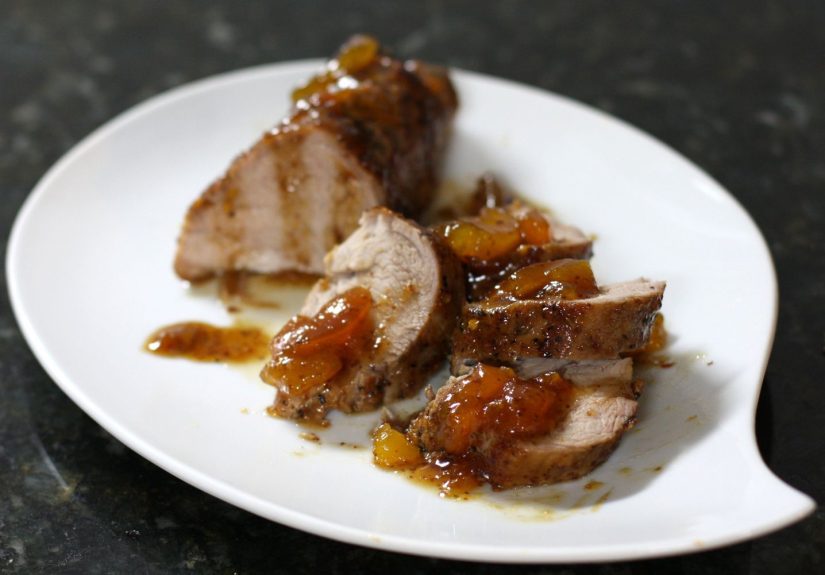
Pork tenderloin is lean, mild, and fast-cooking. The glaze is the personality: sweet, salty, tangy, a little garlicky, and just sticky enough to cling like it pays rent. The trick is simple: sear for flavor, roast for tenderness, glaze at the end for gloss. Let’s cook.
Why pork tenderloin is the weeknight MVP
Pork tenderloin is a long, slender muscle that cooks quickly because it’s small and doesn’t have much fat. That’s good news for speed, but it also means the margin between “juicy” and “why is this so dry?” is basically one distracted text message. The solution is a thermometer and a glaze that adds moisture and big flavor.
- Fast: Most tenderloins finish in 15–25 minutes in a hot oven.
- Flexible: Works in a skillet, on a sheet pan, or on the grill.
- Company-impressive: Sliced medallions + glossy glaze = instant “wow.”
Ingredients
For the pork
- 2 pork tenderloins (about 1–1¼ lb each), trimmed
- 1½ tsp kosher salt
- 1 tsp black pepper
- 1 tsp garlic powder (or 2 cloves fresh garlic, minced)
- ½ tsp smoked paprika (optional, but highly recommended for “grill vibes”)
- 1 tbsp neutral oil (avocado, canola, vegetable)
For the simple glaze
- ⅓ cup honey
- ¼ cup low-sodium soy sauce
- 2 tbsp Dijon mustard
- 2 tbsp apple cider vinegar (or rice vinegar)
- 4 cloves garlic, minced
- 1 tbsp brown sugar (optionaluse if you want extra “sticky”)
- ½ tsp red pepper flakes (optional, for a gentle kick)
- 1 tbsp butter (optional, for a glossy finish)
Helpful extras
- 1 sprig rosemary or thyme (nice, not necessary)
- 1 tsp cornstarch + 1 tbsp water (if you like a thicker, clingier glaze)
Glaze variations (pick your favorite personality)
The base glaze above is a sweet-salty classic. But tenderloin is basically a blank canvas with great posture, so you can swap flavors without messing up the method.
1) Maple-Dijon
Replace honey with ⅓ cup maple syrup and use apple cider vinegar. Add a pinch of black pepper and a tiny splash of Worcestershire. The vibe is “cozy fall dinner,” even if it’s June.
2) Orange-marmalade glow-up
Replace honey with ½ cup orange marmalade, keep soy sauce + vinegar, and add a pinch of red pepper flakes. Citrus makes the glaze taste brighter and less “dessert-y.”
3) Jam-and-mustard (the “pantry flex”)
Use ⅓ cup jam (raspberry, apricot, cherryanything that isn’t “pickle-flavored”) plus Dijon and a splash of soy sauce. It turns into a glossy sauce that tastes like you planned ahead. You did. Sort of.
4) Balsamic brown-sugar
Swap cider vinegar for balsamic vinegar, use brown sugar, and add minced garlic. This one caramelizes beautifullyjust keep an eye on it so it doesn’t go from “lacquered” to “campfire souvenir.”
Step-by-step: simple glazed pork tenderloin
Total time: ~30–35 minutes
Serves: 4–6
- Preheat the oven. Heat to 400°F. If you have an oven-safe skillet (cast iron is perfect), use it. If not, you can sear in a skillet and move the pork to a sheet pan to finish roasting.
- Trim and dry the tenderloins. Remove any silver skin (that shiny, stubborn membrane). Pat the pork very dry with paper towelsdry meat browns; wet meat steams. Steamed pork is… not the dream.
- Season. Mix salt, pepper, garlic powder, and smoked paprika. Rub it all over the tenderloins.
- Make the glaze. In a small bowl, whisk honey, soy sauce, Dijon, vinegar, garlic, and optional brown sugar and pepper flakes. Important: set aside about ⅓ of the glaze for serving (so you’re not brushing cooked meat with a sauce that touched raw pork).
- Sear for flavor. Heat oil in the skillet over medium-high. Sear the tenderloins for about 2 minutes per side until browned. Don’t chase perfectionthis is foundation, not a beauty pageant.
- Glaze and roast. Turn off the burner. Brush the seared pork with some of the glaze (the “raw-pork batch”). Transfer the skillet to the oven and roast 12–18 minutes, depending on thickness, until the thickest part hits 140–145°F on an instant-read thermometer.
- Rest like it’s your job. Move pork to a cutting board and tent loosely with foil. Rest 3–10 minutes. The temperature will rise slightly, and the meat will be easier to slice neatly.
- Reduce the glaze (optional but excellent). While the pork rests, pour the remaining “raw-pork batch” glaze into the skillet. Simmer on medium heat for 3–5 minutes until slightly thickened. Whisk in butter for shine. If you want it thicker, whisk in the cornstarch slurry and simmer 30–60 seconds.
- Slice and serve. Slice into ½-inch medallions. Drizzle with the thickened glaze and pass the reserved “clean” glaze at the table.
Doneness, safety, and the “please don’t overcook this” section
Pork tenderloin is best when it’s just cooked through. Modern pork can be safely cooked to a lower final temperature than the old “cook it until it’s definitely dead” era, which is great because it stays juicy.
- Target: Pull the pork around 140–145°F, then rest. Aim for 145°F after resting for a juicy, faintly pink center.
- Thermometer tip: Insert the probe into the thickest part, avoiding the pan. Take a couple readingsit’s not cheating; it’s intelligence.
- Resting isn’t optional: It helps you avoid overshooting the final temp and keeps slices from looking like they ran a marathon.
Common mistakes (and how to dodge them like a pro)
Mistake #1: Confusing pork loin with pork tenderloin
They are not the same cut. Tenderloin is small and cooks fast. Pork loin is larger, thicker, and needs more time. If you use pork loin with this timing, dinner will be… aspirational.
Mistake #2: Adding the glaze too early
Honey, jam, maple syrup, and brown sugar burn if you blast them too long. Brush early for flavor, but save most glazing for the last stretch and for serving.
Mistake #3: Skipping the dry pat-down
Moisture is the enemy of browning. Pat dry so you get that savory crust that makes the glaze taste even better.
Mistake #4: Cooking by time alone
Pork tenderloins vary. Oven temperatures vary. Your baking sheet varies (yes, it matters). A thermometer is the only adult supervision this recipe needs.
What to serve with glazed pork tenderloin
This pork plays well with anything that can soak up extra glazebecause glaze is basically edible applause.
- Starches: mashed potatoes, rice, buttered noodles, roasted sweet potatoes
- Veggies: roasted Brussels sprouts, green beans, broccoli, glazed carrots
- Fresh: a simple arugula salad with lemon and olive oil to cut the sweetness
- “I want everything on one pan” option: toss chopped potatoes and carrots with oil and salt, roast 10 minutes first, then add the seared tenderloin and finish together.
Storage, leftovers, and the art of not drying it out twice
- Fridge: Store sliced pork and glaze separately for up to 3–4 days.
- Reheat gently: Warm slices in a covered skillet with a splash of water or broth, or microwave at 50% power in short bursts. High heat is how leftovers turn into “pork jerky, but make it sad.”
- Freezer: Freeze sliced pork for up to 2–3 months. Thaw overnight in the fridge and reheat gently with sauce.
FAQs
How long do I cook pork tenderloin at 400°F?
Most tenderloins take 12–18 minutes after searing, but thickness matters. Use a thermometer and pull it when the center hits 140–145°F, then rest.
Can I make this as a sheet-pan recipe?
Yes. Sear in a skillet first (for better flavor), then move to a foil-lined sheet pan. Brush with glaze and roast. Add veggies that roast quickly (green beans, asparagus, broccoli) in the last 10–12 minutes.
Can I grill pork tenderloin with glaze?
Absolutely. Sear over direct heat for color, then move to indirect heat to finish. Brush glaze during the last few minutes so it doesn’t burn. Keep the reserved “clean” glaze for serving.
What if my glaze is too salty or too sweet?
Too salty: add a little more honey/jam and a squeeze of citrus. Too sweet: add a splash of vinegar and a pinch of salt (yes, salt can balance sweetness in small amounts). Taste it like you mean it.
Conclusion
This simple glazed pork tenderloin recipe is proof that “easy” and “impressive” can be the same meal. You’re building flavor with a quick sear, protecting juiciness with a short roast, and finishing with a glaze that tastes like you spent more effort than you actually did. (We love that for you.) Keep a thermometer handy, keep a jar of Dijon in the fridge, and you’ll have a go-to dinner that works for busy Tuesdays and “people are coming over in 45 minutes” emergencies.
Real-life kitchen experiences: what usually happens when you make this
Here’s the part nobody tells you in the “perfect recipe” photos: your first glazed pork tenderloin is less about culinary destiny and more about learning the personality of your stove, your pan, and your particular brand of honey that may or may not behave like syrupy lava.
In a lot of home kitchens, the biggest “aha” moment is realizing how quickly tenderloin cooks. You’ll blink and it’s doneespecially if your tenderloins are on the thinner side. The fastest win is to keep the thermometer on the counter from the beginning, not buried in a drawer behind three avocado tools you’ve never used. If you check the temp a couple times near the end, you stop living in fear of undercooking and you avoid the heartbreak of slicing into something that’s a little too dry.
The second real-life lesson: glaze timing matters. Sugar burns. If you brush on a honey-heavy glaze at the start of roasting and your oven runs hot, the outside can go from glossy to “why does my pork taste like a campfire marshmallow that fell in the ashes?” The workaround is simple and oddly satisfying: do a light brush before roasting for flavor, then do your main glazing in the last 5 minutes (or right after it comes out), when the pork is already cooked and you’re just building shine.
You’ll also notice the glaze thickens differently depending on the pan and the heat. In a wide skillet, it reduces fast. In a smaller saucepan, it can take longer. If it looks thin at first, don’t panicsimmering for a few minutes usually does the job. And if it’s still stubbornly watery, the tiny cornstarch slurry trick is like putting the glaze on “easy mode.” Just remember: a little slurry goes a long way, and you want “spoon-coating,” not “pork tenderloin trapped in amber.”
Another common experience: you’ll start with “simple” sides and end up constructing a full plate because the glaze inspires you. The sweet-salty sauce loves roasted vegetablesBrussels sprouts, carrots, and sweet potatoes are especially good because they echo that caramel vibe. And if you’re feeding kids or picky eaters, the glaze can be a gateway: a small drizzle on rice or noodles makes everything more exciting without turning dinner into a negotiation.
Finally, leftovers are where this recipe quietly becomes a lifestyle. Sliced tenderloin makes an excellent sandwich with arugula and a swipe of mayo (or extra Dijon if you’re feeling bold). Toss leftovers into a salad with apples, toasted nuts, and a tangy vinaigrette, and it feels like you meal-prepped on purpose. The only rule is gentle reheatinglow heat, a little moisture, and sauce on the sideso the pork stays tender instead of tightening up.
In short: the first time you make glazed tenderloin, you’ll probably learn something. The second time, you’ll look like someone who “just knows how to cook.” And by the third time, you’ll be the person other people text when they need a fast dinner that doesn’t taste fast.