Table of Contents >> Show >> Hide
- The Quick Verdict
- What a Marinade Actually Does (And Doesn’t)
- Why Hot Dogs Are a Weird (But Fun) Candidate for Marinating
- The Best Alternative to Marinating: Increase Surface Area
- So… When Does Marinating Hot Dogs Make Sense?
- How Long Should You Marinate Hot Dogs?
- Three Marinade Styles That Actually Work for Hot Dogs
- Step-by-Step: The “Best of Both Worlds” Method
- Food Safety: The Rules That Keep the Cookout Fun
- Topping Pairings That Make Marinated Hot Dogs Shine
- Common Problems (And Fixes)
- Final Answer: Should You Marinate Your Hot Dogs?
- Extra: Real-World Cookout Experiences (The Kind You’ll Actually Have)
Somewhere between “I brought potato salad” and “who gave Uncle Dave the tongs?” there’s a sacred summer question:
Should you be marinating your hot dogs? It sounds a little extralike putting a bowtie on a golden retriever.
But “extra” is also how cookouts become legendary.
The real answer is: sometimes, yesbut not for the reason most people think. Marinating hot dogs
won’t magically turn them into a steakhouse filet (they are still hot dogs, and that’s part of the charm).
What it can do is add a punchy surface flavor, improve browning, and help your toppings stick like they
have a lease.
The Quick Verdict
- Marinate if: you want louder flavor, a shinier “glazed” finish, or you’re serving basic franks that need a little personality.
- Skip it if: you bought premium natural-casing dogs, you’re short on time, or you want maximum “snap” without extra fuss.
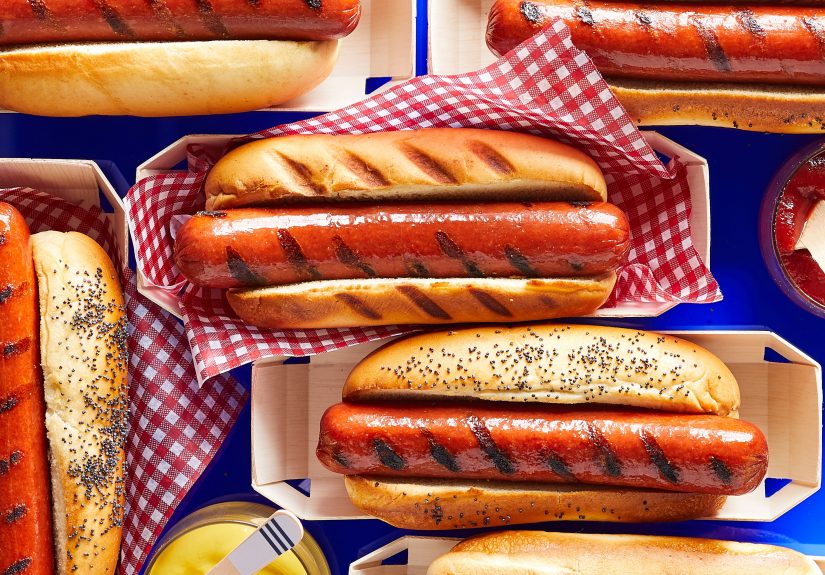
- Do this either way: score or spiral-cut your hot dogs for more crispy edges and better sauce grab.
What a Marinade Actually Does (And Doesn’t)
Marinades are often misunderstood. Most marinades mostly work on the surface of food, not the
deep interior. Salt is the big exception: it can move inward and improve overall seasoning, while many larger
flavor molecules (think garlic, herbs, and oils) tend to stay closer to the outside.
That’s not a problem for hot dogsbecause hot dogs are already small and intensely seasoned. In other words,
they don’t need deep flavor penetration the way a bland chicken breast might. A marinade’s real value here is
surface impact:
- More browning: Sugars and some sauces help create a richer, darker, more appetizing char.
- More aroma: Spices, onions, and garlic can perfume the outside (and your whole backyard).
- A “lacquer” effect: Sticky marinades glaze nicely, making every bite feel more intentional.
Why Hot Dogs Are a Weird (But Fun) Candidate for Marinating
Hot dogs are typically fully cooked, cured, and seasoned before they ever hit your cart. That means you’re not
tenderizing raw muscle fibersyou’re basically seasoning a finished product. It’s closer to
dressing a salad than marinating a steak.
That also means marinades can backfire if you go too hard:
- Too salty: Hot dogs already bring saltmany marinades add more (soy sauce, Worcestershire, steak sauce).
- Too soggy: Thin watery marinades can make the surface wet, which fights browning until the moisture evaporates.
- Too “hammy”: Long soaks in strong flavors can overwhelm the hot dog’s familiar taste and turn it into “mystery link.”
The Best Alternative to Marinating: Increase Surface Area
If your goal is more flavor and better texture, the simplest “hack” is not a marinadeit’s geometry.
More edges = more crisp = more places for sauce and seasoning to cling.
Option A: Shallow diagonal slashes
Make light diagonal cuts along the hot dog. You’ll get extra ridges for browning, and the dog is less likely to
balloon or split dramatically (unless you grill it like you’re mad at it).
Option B: Spiral cut (the condiment magnet)
Spiral-cut dogs cook faster, char more evenly, and hold condiments better. They also look fancylike the hot dog
has been to therapy and learned to present itself.
So… When Does Marinating Hot Dogs Make Sense?
Marinating is worth it when you want a specific “theme” or when your topping plan depends on it. A few great use cases:
1) You’re serving a crowd and want a signature flavor
A simple marinade creates a “house style” so every dog tastes intentionally deliciouseven before toppings.
2) Your hot dogs are basic (and you want them to be bold)
If you’re working with standard supermarket franks, a marinade can add smoke, tang, sweetness, or spice in a way
that feels like an upgrade without changing the whole menu.
3) You’re doing a quick sear + glaze approach
Think less “overnight soak,” more “short coat, hot grill, shiny finish.” Hot dogs respond best to short, punchy treatments.
How Long Should You Marinate Hot Dogs?
For hot dogs, short is usually better. You’re not trying to change the internal textureyou want
surface flavor. A practical range:
- 15–30 minutes: Great for thin, salty marinades (soy/Worcestershire-heavy).
- 30–90 minutes: Best for balanced marinades with some sweetness and aromatics.
- 2–4 hours: Only if the marinade is mild (think Italian dressing style) and not super salty.
If you’re aiming for an all-day prep vibe, consider marinating toppings (onions, jalapeños, slaw) instead.
They love it. Hot dogs… tolerate it.
Three Marinade Styles That Actually Work for Hot Dogs
These are designed for hot dogs’ realities: already salty, already cooked, and happiest when they get hot fast and brown well.
1) Backyard Umami (savory-sweet “BBQ-ish”)
- 2 tbsp Worcestershire sauce
- 2 tbsp ketchup or chili sauce
- 1 tbsp brown sugar (or honey)
- 1 tsp mustard (yellow or Dijon)
- 1 small grated garlic clove (optional)
- Pinch of black pepper
Toss hot dogs in a zip-top bag with the marinade for 30–60 minutes. Grill, then brush with the leftover fresh
(unused) sauce you saved on the side for extra gloss.
2) Beer + Mustard “Hot Dog Hot Tub” (juicy then charred)
This is the method that feels like cheatingin a good way. Warm the dogs gently in a beer-mustard mixture (often with onions),
then finish quickly on the grill for color. You get a plumper bite and fewer shriveled disasters.
3) Zesty Italian Dressing Boost (fast and easy)
Italian dressing works because it’s balancedoil, acid, herbs, and some saltwithout being a salt-bomb. Add a spoon
of steak sauce or a smoky seasoning if you want extra depth. Marinate 30–90 minutes, pat lightly, then grill.
Step-by-Step: The “Best of Both Worlds” Method
If you want maximum payoff with minimal fuss, do this:
Step 1: Score or spiral-cut
This increases surface area so the marinade actually has something to cling toand creates crispy edges that taste like summer.
Step 2: Marinate briefly
30–60 minutes in the fridge is plenty for most hot dog marinades.
Step 3: Pat lightly (don’t rinse)
If the marinade is very wet, blot the excess so the grill can brown the surface instead of steaming it.
Step 4: Grill smart
Use medium heat. Turn often. You’re aiming for browned ridges, not a split seam and a juice evacuation.
Step 5: Finish with a glaze
Brush a little sauce during the last minute so it caramelizes without burning.
Food Safety: The Rules That Keep the Cookout Fun
Even though hot dogs are typically fully cooked, safe handling still mattersespecially because ready-to-eat meats
can be associated with Listeria risk for certain groups. Follow these basics:
- Marinate in the refrigerator, not on the counter.
- Don’t reuse marinade that touched meat unless you boil it (and for hot dogs, it’s easier to set some aside as a clean sauce).
- For higher-risk people (pregnant individuals, older adults, or anyone with a weakened immune system), reheat hot dogs until steaming hot (often described as 165°F).
- Store opened hot dogs properly and use them within about a week when refrigerated.
Topping Pairings That Make Marinated Hot Dogs Shine
Marinades are a “base note.” Your toppings are the chorus. A few combos that hit:
- Backyard Umami dog: grilled onions, dill pickles, shredded cheddar, a zigzag of mustard.
- Beer-mustard dog: caramelized onions, sauerkraut, spicy brown mustard.
- Italian-style dog: pepperoncini, chopped giardiniera, provolone, a little mayo.
- Sweet-heat dog: jalapeños, crushed chips, honey-mustard drizzle.
Common Problems (And Fixes)
“My hot dogs tasted too salty.”
Shorten the marinating time and reduce salty ingredients (soy sauce, steak sauce). Add sweetness (honey) or acid (a splash of vinegar)
to balancebut keep it light.
“They didn’t brown well.”
Blot the surface before grilling, use a slightly hotter zone, and add a small amount of sugar in the marinade to help caramelization.
“They split and dried out.”
Lower the heat, turn more often, and pull them as soon as they’re nicely browned. Hot dogs don’t need a marathon on the grates.
Final Answer: Should You Marinate Your Hot Dogs?
If you want a noticeable flavor twist and a prettier, glossier finish, marinating can be a fun winespecially when you keep it short
and combine it with scoring or spiral cuts.
If you want the simplest path to “wow,” focus on surface area + smart grilling and treat marinades like a finishing glaze instead of a
long soak. Hot dogs don’t need to become something else. They just need to be the best version of themselves: juicy, browned, and proudly messy.
Extra: Real-World Cookout Experiences (The Kind You’ll Actually Have)
Let’s talk about what happens in the wildmeaning: your backyard, a park grill, or that one friend’s patio where the grill lid is missing but the
vibes are strong. In these settings, marinating hot dogs tends to fall into two categories: “surprisingly great” and “why is this so wet.”
The “surprisingly great” moment usually hits when someone brings plain hot dogs and expects toppings to do all the workthen realizes the topping
table is basically ketchup, yellow mustard, and a bag of chips that’s already mostly air. A quick marinade (even 30 minutes in something like a
sweet-savory mix) can rescue the whole operation. Suddenly the dogs taste like you planned ahead, even if the only “plan” was remembering to wear
sunscreen. The outside gets a little sticky, the grill marks look more dramatic, and everyone asks, “Wait, what did you do to these?”
The “why is this so wet” situation happens when the marinade is thin and the grill is too cool. Instead of browning, the hot dogs steam for a while,
and you get pale franks with the emotional energy of a rainy day. The fix is simple, though: blot the dogs, heat the grill, and don’t be afraid of a
faster finish. Hot dogs are not brisket. They don’t need hoursjust the right kind of attention.
Another very common experience: the first time you spiral-cut a dog, you become a spiral-cut evangelist. It’s one of those “why didn’t I do this
earlier?” tricks. In real life, it helps in two ways. First, the extra edges brown quickly, so even if your grill skills are “learning,” you still end
up with crispy spots that taste like confidence. Second, the spiral grooves hold onto sauces and toppings. You can do a light marinade or even just a
quick brush of sauce near the end, and the dog hangs onto flavor instead of letting it slide into the bun like a tiny condiment waterslide.
If you’ve ever tried to serve a crowd, you’ll also notice a practical upside to marinating: it gives you a built-in “signature.” At a big cookout,
everything starts to taste the samebun, dog, ketchup, repeat. A batch of tangy Italian-style dogs or beer-mustard dogs creates an easy “choice”
without adding another main dish. People love options, even when the options are basically “hot dog, but make it interesting.”
One more reality check: marinating is often less about changing the hot dog and more about changing the moment. There’s a special satisfaction
in pulling a bag of marinated dogs from the fridge like you’re unveiling a secret weapon. It makes grilling feel like cooking, not just heating. And
when the last dog comes off the grill shiny and browned, you get that tiny thrill that says, “Yes. I did something here.” Which is the real magic of
cookout food: simple, familiar, and somehow still worth bragging about.