Table of Contents >> Show >> Hide
- Why Savory Pie Recipes Keep Winning
- The Main Types of Savory Pies
- The Real Secret to Better Savory Pie Recipes
- Six Savory Pie Recipes Worth Making Again and Again
- Common Savory Pie Mistakes to Avoid
- How to Serve and Store Savory Pies
- Why Savory Pie Recipes Deserve a Permanent Place in Your Kitchen
- The Real-Life Experience of Making Savory Pie Recipes
There are two kinds of people in this world: people who love savory pie recipes, and people who have not yet met the right pie. Once a flaky crust shows up carrying creamy chicken, caramelized onions, jammy tomatoes, or a rich layer of mashed potatoes, resistance becomes a hobby with a very low success rate. Savory pies are practical, comforting, flexible, and just dramatic enough to make a Tuesday dinner feel like it deserves a soundtrack.
The beauty of savory pies is that they can be rustic or polished, old-school or trendy, freezer-friendly or company-worthy. A quiche can rescue brunch. A pot pie can fix a gloomy evening. A tomato pie can make summer taste louder. A galette can convince people you are casually elegant, even if you are wearing socks that do not match. That is the power of pastry.
Why Savory Pie Recipes Keep Winning
Savory pies work because they solve several dinner problems at once. They combine protein, vegetables, starch, and sauce in one dish. They reheat well. They welcome leftovers. They can be made in a deep dish, tart pan, sheet pan, muffin tin, ramekin, skillet, or whatever baking vessel is currently not holding holiday cookies. Even better, they scale to the moment. Need a brunch centerpiece? Make quiche. Need a cozy family dinner? Chicken pot pie. Need something hand-held? Beef hand pies or mini spinach pies will do the job without requiring a fork or a formal announcement.
They also cover a surprising range of textures. Some savory pies are creamy and custardy, like quiche. Some are saucy and hearty, like pot pie. Some are crisp and rustic, like galettes. Others lean into comfort food territory with mashed potato topping instead of pastry, like shepherd’s pie. In other words, “savory pie” is less a single recipe and more a glorious category of edible architecture.
The Main Types of Savory Pies
1. Pot Pies
Pot pies are the overachievers of the category. They bring tender meat, vegetables, gravy, and a top crust or double crust to the table. Chicken pot pie is the classic, but turkey, beef, seafood, or mushrooms all work beautifully. The goal is a filling that is rich but not soupy. If your filling sloshes like a lake during a storm, your crust is going to file a complaint.
2. Quiche and Egg-Based Pies
Quiche is the brunch celebrity that occasionally moonlights as dinner. It relies on an egg-and-dairy custard, plus additions like cheese, spinach, mushrooms, bacon, ham, broccoli, leeks, or tomatoes. The trick is balance: enough richness to feel luxurious, enough structure to slice neatly, and enough restraint to avoid turning your pie shell into a damp sponge.
3. Tomato Pie
Southern-style tomato pie is one of the most lovable savory pie recipes ever invented. It layers ripe tomatoes with herbs and a creamy cheese mixture, often built around mayo and shredded cheese. Yes, mayonnaise. No, you do not need to make a face. It works. The result tastes like summer moved into a pie plate and paid rent in basil.
4. Galettes and Rustic Tarts
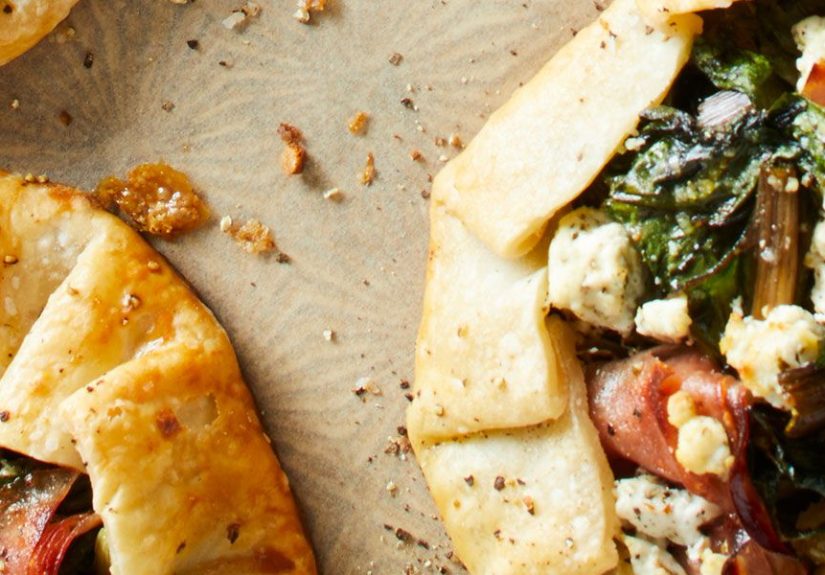
Galettes are the laid-back cousins of formal pies. You roll out dough, pile the filling in the center, fold up the edges, and bake. No top crust, no stress, no need to pretend symmetry is your passion. Savory versions shine with leeks, potatoes, roasted squash, goat cheese, caramelized onions, mushrooms, or peak-season tomatoes.
5. Hand Pies and Mini Pies
These are ideal for lunch boxes, picnics, party trays, or anyone who likes built-in portion control but occasionally ignores it and eats three. Savory hand pies can hold curried vegetables, beef and onion filling, chicken and peas, or sausage and cheese. Their secret weapon is convenience: they are portable, freezable, and suspiciously easy to justify as a snack.
6. Shepherd’s Pie
Technically, shepherd’s pie skips pastry and uses mashed potatoes as the topping, but it still belongs in the savory pie conversation because it delivers the same comfort factor. A good version has a deeply savory meat filling, soft vegetables, and mashed potatoes with enough structure to brown attractively instead of collapsing into existential despair.
The Real Secret to Better Savory Pie Recipes
Great savory pies are not about magic. They are about moisture control, temperature, and timing. That sounds less romantic than “Grandma’s intuition,” but it works more often.
Keep the Dough Cold
Cold butter creates steam in the oven, and steam creates flaky layers. Once the dough gets warm, the butter softens too much, the layers blur, and your crust loses the texture that makes pie worth the trouble. Chill the dough before rolling, chill it again after shaping, and try not to wrestle it like it owes you money.
Blind-Bake When the Filling Is Wet
If the filling is custardy, juicy, or creamy, a blind-baked crust gives the bottom a head start. That is especially useful for quiche, tomato pie, and some tart-style savory pies. A pale, underbaked bottom crust is the culinary equivalent of wet socks: technically survivable, emotionally unacceptable.
Cook Off Extra Moisture
Mushrooms release water. Onions soften and sweeten. Spinach collapses dramatically. Tomatoes can flood a pie faster than they should. Cook vegetables long enough to drive off excess liquid before adding them to the shell. For tomato pies or galettes, salting sliced tomatoes and letting them drain is one of the smartest moves in the whole savory pie playbook.
Thicken the Filling Before It Bakes
Pot pie filling should coat a spoon, not run off it like broth. Roux, flour, cornstarch, or reduced stock can all help. The pie should slice with dignity. If you cut into it and it immediately becomes soup, you did not make a pie. You made a very emotional stew.
Choose the Right Shortcut
Not every savory pie needs fully homemade crust. Puff pastry, refrigerated pie dough, biscuit topping, or even phyllo can get you to a delicious result faster. The point is not to win a baking purity contest. The point is dinner.
Six Savory Pie Recipes Worth Making Again and Again
Classic Chicken Pot Pie
This is the benchmark. Start with onion, carrot, celery, and butter. Add flour for thickness, then chicken stock and a splash of cream or milk for body. Fold in cooked chicken and peas. Spoon the filling into a dish, top with pastry, cut vents, and bake until the crust is deeply golden. The flavor should be cozy, savory, and unapologetically old-fashioned.
Spinach, Mushroom, and Gruyère Quiche
Cook mushrooms until they give up their water and actually brown. Wilt spinach, squeeze it dry, and combine both with Gruyère, eggs, and dairy. Bake in a prebaked shell until just set in the center. This pie earns points for being equally acceptable at brunch, lunch, or the kind of dinner where you add a salad and call yourself organized.
Southern Tomato Pie
Slice ripe tomatoes, salt them, drain them, and layer them with basil or chives. Add a mixture of cheese and mayo, then bake until the filling is lightly bronzed and the crust is crisp. It is rich, tangy, and summery in a way that makes people ask for the recipe before they finish chewing.
Leek and Potato Galette
Roll out pie dough or rustic tart dough, then pile on sautéed leeks, thin potatoes, herbs, and goat cheese or Gruyère. Fold the edges over and bake until the potatoes are tender and the crust is deeply browned. It looks impressive, tastes earthy and buttery, and forgives imperfect folding better than most dinner guests do.
Beef and Onion Hand Pies
Brown ground beef with onion, garlic, and a little tomato paste or Worcestershire. Let the mixture cool before filling rounds of dough. Seal היטwell, seal them very wellbrush with egg wash, and bake until crisp. These are ideal for meal prep and deeply dangerous around hungry teenagers, roommates, or anyone who wanders into the kitchen “just to see what smells good.”
Shepherd’s Pie With Deep Savory Flavor
Cook lamb or beef with onions, carrots, peas, and a rich sauce built from stock and aromatics. Top with mashed potatoes that are smooth but sturdy, then bake until browned at the edges. It is not a flaky pie, but it absolutely belongs in the comfort-food hall of fame.
Common Savory Pie Mistakes to Avoid
The first big mistake is underseasoning. Pie crust and filling both need seasoning, especially if dairy, potatoes, or pastry are involved. The second is impatience. Warm dough is harder to handle, and cutting into a pie too early can turn a beautiful slice into a landslide. The third is ignoring structure. Savory pie fillings must be thick enough to hold together and dry enough not to sabotage the crust.
Another common problem is overfilling. Yes, the mountain of filling looks generous. No, it does not want to stay inside the crust. Leave room for steam, expansion, and sanity. And finally, do not confuse “golden” with “done.” The crust should look truly baked, not merely optimistic.
How to Serve and Store Savory Pies
Serve most savory pies warm, not volcanic. Quiche and tomato pie often improve when they rest long enough to set before slicing. Pot pies benefit from a short cooling period so the filling thickens and stops behaving like a lava field. Leftovers keep well in the refrigerator and are often excellent the next day, especially quiche and hand pies. Many savory pies also freeze well, either baked or unbaked, which makes them a smart move for meal prep.
As for sides, keep them simple. Green salad, roasted vegetables, soup, or fruit can balance a rich pie nicely. The pie is the main character. Everything else is supporting cast.
Why Savory Pie Recipes Deserve a Permanent Place in Your Kitchen
The best savory pie recipes offer more than dinner. They offer flexibility, comfort, and the deeply satisfying experience of pulling something golden and aromatic from the oven. They can be elegant enough for guests and forgiving enough for weeknights. They reward planning, welcome shortcuts, and make leftovers feel intentional instead of accidental.
Most of all, savory pies remind us that good cooking does not need to be fussy to feel special. A flaky crust, a well-seasoned filling, and a little attention to moisture and texture can produce something far greater than the sum of its parts. Or, to put it more honestly: wrap delicious food in pastry and people suddenly become much easier to impress.
The Real-Life Experience of Making Savory Pie Recipes
There is a very particular feeling that comes with making savory pie recipes at home, and it starts long before the pie reaches the oven. It begins with the quiet optimism of chopping onions, or trimming leeks, or telling yourself that this time you will absolutely not overfill the crust. Then the butter comes out of the refrigerator, and suddenly you are in that familiar baker’s dance of keeping everything cold while moving quickly enough to feel efficient. Savory pie is part recipe, part strategy, part weather report on the temperature of your kitchen.
Then there is the smell. Sweet pies smell wonderful, sure, but savory pies smell like people should put on sweaters and gather near the table. Chicken pot pie fills the kitchen with buttery steam and herbs. Tomato pie smells like basil and toasted cheese. A mushroom quiche gives off that rich, browned aroma that makes the whole house seem more competent. Savory pies do not just announce dinner. They stage a full campaign for attention.
One of the most relatable experiences in savory pie making is learning that moisture has a personality. It hides in mushrooms, tomatoes, spinach, and even in creamy fillings that looked perfectly thick five minutes ago. Anyone who has baked enough pies has had at least one soggy-bottom moment, followed by the kind of silence usually reserved for missed exits and broken phone screens. But that is also why savory pies are satisfying to master. Every improvement feels earned. The first time you pull out a pie with a crisp base and clean slices, you feel less like a home cook and more like someone who should probably own a linen apron.
Another wonderful thing about savory pies is how they change the mood of a meal. A casserole says, “Dinner is ready.” A savory pie says, “I cared enough to put a lid on this situation.” Even rustic galettes carry a little theater. People react to pie crust the way cats react to the sound of a can opening: instantly, sincerely, and with little concern for dignity. Set a savory pie on the table and suddenly everyone has opinions, questions, and a very strong interest in getting the corner piece.
There is also a comforting rhythm to repeat pies. Once you make the same quiche or pot pie a few times, it becomes one of those kitchen recipes you can feel your way through. You stop measuring every herb leaf like it is a chemistry exam. You learn when the filling is thick enough, when the crust feels right, when the top is truly golden. These little instincts are part of the experience too. Savory pie recipes are not just meals; they are practice in becoming the kind of cook who can rescue leftovers, feed a crowd, and still have something wonderful for lunch the next day.
And perhaps that is the deepest charm of savory pie. It feels generous. It is built to share, built to slice, built to invite people back for another helping. Even when it is imperfect, it still tends to be delicious. A cracked crust can be called rustic. An overbrowned edge can be called deeply caramelized. A filling that bubbles over just means the pie was enthusiastic. Savory pies leave room for real kitchens, real schedules, and real appetites. That may be why they never seem to go out of style.