Table of Contents >> Show >> Hide
- So, What Is the Samsung Washer Song?
- Why Samsung Picked a Classical Melody Instead of a Normal Beep
- How the Washer Song Became Internet-Famous
- Is the Samsung Washer Song the Same on Every Model?
- How to Turn Off (or Change) the End-of-Cycle Melody
- What Makes This Melody So Sticky?
- Fun Ways People Lean Into the Samsung Washer Song
- Bottom Line: Yes, the Washing Machine Song Is a Real Tune
- Experiences: What Living With the Samsung Washer Song Feels Like
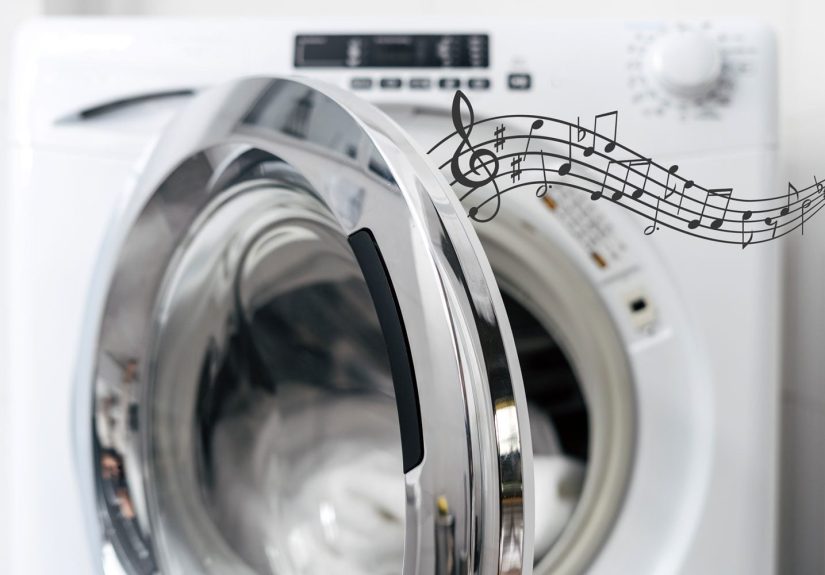
If you’ve ever heard your Samsung washer finish a load and thought, “Wait… why is my laundry appliance performing a tiny concert?” you’re not imagining things. That cheerful end-of-cycle melody isn’t a random beep-fest cooked up in a sound lab to haunt your dreams. It’s based on real classical musicAKA the kind of tune people pay money to hear in velvet seats, not while folding socks.
And yes, it’s catchy on purpose. Samsung didn’t accidentally invent the world’s most persistent “laundry earworm.” They chose a familiar, comforting melody to make your home feel less like a factory floor and more like, well, a home. Whether you find it charming, hilarious, or the soundtrack to your personal rinse cycle rage… there’s a surprising story behind it.
So, What Is the Samsung Washer Song?
The “Samsung washer song” most people recognize is tied to a piece by composer Franz Schubert. The melody is widely associated with “Die Forelle” (German for “The Trout”), a famous song (a “lied”) Schubert wrote for voice and piano in the early 1800s. That same melody also shows up prominently in Schubert’s Piano Quintet in A Major, better known by its nickname: the “Trout Quintet.”
In plain English: your washer is borrowing a tune that already had a fanbase long before laundry pods existed. Samsung uses a short, simplified snippetjust enough to be recognizable and pleasant, without requiring you to applaud or shout “Encore!” at the spin cycle.
Why a Trout?
The original “Die Forelle” is connected to a poem about a trout and a fishermanan image that’s basically a perfect match for an appliance that spends its whole day sloshing water around. The point isn’t that Samsung is trying to make you think about fish while you wash jeans. It’s that the melody is bright, “watery,” and memorableexactly what brands want in a signature sound.
Why Samsung Picked a Classical Melody Instead of a Normal Beep
Here’s the vibe Samsung was aiming for: you’re at home, you’re busy, and the last thing you need is your washer screaming like a smoke alarm. Samsung has explained that the end-of-cycle sound is meant to be comforting and to blend into home life, rather than feel industrial or harsh. A familiar classical snippet is a clever shortcutmany people find it pleasant even if they can’t name it.
There’s also a practical reason: short melodies are more noticeable than a single chirp, especially if you’re in another room. Your brain is great at detecting patterns, which means a tune can cut through background noise without having to crank the volume to “airport runway.”
How the Washer Song Became Internet-Famous
The Samsung washer melody didn’t stay quietly in the laundry room. It escaped. People started recognizing it, searching for it, andbecause the internet has no chillturning it into content.
When Your Appliance Becomes Your Duet Partner
One reason this tune went viral is that musicians and creators began “performing” with the washer like it’s a tiny, determined bandmate who only knows one song but plays it with confidence. Videos of people harmonizing, playing along, and joking about the tune helped spread the “wait, this is a real piece?” revelation even further.
The funniest part is how universal the reaction is: someone hears the washer song, recognizes it from somewhere, and suddenly feels like their laundry room is secretly connected to a concert hall. That moment of recognition is basically social media fuel.
Is the Samsung Washer Song the Same on Every Model?
Often, yesthe recognizable melody is common across many Samsung washers and dryers. But not every model behaves exactly the same. Some differences you might notice:
- Volume: Some models let you adjust volume; others are more “take it or leave it.”
- Sound options: Certain newer models may let you change the completion chime or pick an end-of-cycle alarm sound.
- Control style: Machines with screens or app integration can handle sound settings differently than button-only panels.
- Region and lineup: Features can vary by model series, release year, and market.
Translation: two Samsung washers can both do the same laundry job but have different opinions about how loudly they should celebrate afterward.
How to Turn Off (or Change) the End-of-Cycle Melody
If you love the tune, keep it. If it’s driving you up the wall, you’ve got optionsdepending on your model. Samsung notes that sound adjustments are available on select models, and the specific steps can vary.
Option 1: Use the Control Panel
Many Samsung washers and dryers let you turn off the cycle completion chime and power-off sound using the panel. Usually this involves pressing a button (or pressing and holding a button for a few seconds if the sound setting is a secondary function). The button name depends on the model, but common ones include things like Alarm Off, Extra Rinse, or Super Speed.
Important note: even when you disable the end-of-cycle melody, button sounds may still remain on. So you might still get little beeps when you press controlsjust without the washer’s grand finale performance.
Option 2: Try the SmartThings App (If Your Model Supports It)
Some newer Samsung washers and dryers work with SmartThings. If your appliance supports sound controls in the app, you may be able to:
- Toggle sounds off with a switch, or
- Adjust volume with a slider, and sometimes
- Select an end-of-cycle alarm or completion chime option.
If you don’t see sound controls in the app, it doesn’t always mean you’re out of luckyour model might still allow changes from the control panel. And if neither the app nor the manual mentions sound settings, your model may not include the feature.
What Makes This Melody So Sticky?
Some tunes just cling to your brain like a dryer sheet to a sweatshirt. The washer song works because it’s:
- Short: Your brain loves bite-sized patterns.
- Melodic: It’s not just noise; it has shape and direction.
- Repeated: Laundry is a routine, and repetition makes recognition (and earworms) more likely.
Basically, it’s musical branding done rightunless you’re on load #6 of the day and your washer is acting like it deserves a standing ovation.
Fun Ways People Lean Into the Samsung Washer Song
Not everyone wants to silence it. Some people treat the washer tune like a tiny household ritualan audio “ding” that says, “Congrats! You did an adult thing!”
Make It a Household Cue
- Kids’ helper signal: When the song plays, it’s time to move clothes to the dryer (or to the hamper if you’re air-drying).
- Timer anchor: If you’re doing chores, the melody can be your “switch tasks now” reminder.
- Light comedy: Some families jokingly bow to the washer like it just finished a recital.
Turn It Into a Micro-Moment of Calm
A lot of household sounds are aggressive: alarms, buzzers, sharp beeps, frantic notifications. A soft, familiar tune can be a tiny mood upgrade. You don’t need your appliances to feel like your boss.
Bottom Line: Yes, the Washing Machine Song Is a Real Tune
The famous Samsung washer song isn’t a mysterious “Samsung original.” It’s rooted in Schubert’s musicwidely associated with “Die Forelle” and the “Trout” theme that’s become unexpectedly iconic in modern home life. It’s a funny example of how classical music can show up in places you’d never expect… like next to a pile of towels.
Love it or hate it, the tune does its job: it gets your attention without sounding like an emergency. And if you’d rather your laundry finish in complete silence? You can often disable or adjust the soundjust check your model’s settings or manual.
Experiences: What Living With the Samsung Washer Song Feels Like
Living with the Samsung washer song is a little like sharing a home with someone who insists on humming the same catchy hook at the end of every task. Not the whole songjust the “best part.” At first, it’s oddly delightful. You’ll hear it from the kitchen or the hallway and think, “That’s kind of… nice?” It’s not the angry buzz you grew up with, the one that sounded like a microwave threatening to report you to management. This one feels like a small celebration. Your laundry is done. The machine is proud. The machine would like you to know it’s proud.
Then comes the second phase: recognition. One day you hear the melody and realize you’ve heard it somewhere else. A video. A classical music clip. A friend’s dryer. A random reel where someone plays along with their washer like it’s a bandmate who only practices once per cycle. Suddenly, you’re not just doing laundryyou’re participating in a weirdly global inside joke. People describe that moment as equal parts impressive and ridiculous: impressive because, wow, this is real music; ridiculous because, wow, you learned it from an appliance.
For some households, the tune becomes a cue that shapes the whole routine. Parents talk about kids reacting like it’s a “finish line” sound, running in to help move clothes over. Roommates learn that the melody means “somebody’s laundry is about to sit in the washer too long,” which can prevent the classic cold, damp, forgotten load. And if you’re the kind of person who starts chores and immediately forgets them, the little concert is genuinely usefullike your washer is politely tapping the mic and saying, “Hi, yes, you have responsibilities.”
Of course, there’s also the “I have heard this tune 900 times this week” era. That’s usually when people do back-to-back loads: bedding, towels, gym clothes, that one hoodie that somehow weighs as much as a small planet when it’s wet. The melody can go from charming to suspiciously persistent, like it’s trying to crawl into your brain and rent a room. Some people laugh about catching themselves humming it while foldingan accidental duet with a machine that does not split royalties.
The funniest stories are the ones where the washer song becomes a character. People nickname it: “the victory song,” “the laundry anthem,” “the trout bop,” “the clean-clothes concerto.” It turns a boring household moment into something you can actually talk about. And that might be the real secret: the tune doesn’t just signal the end of a cycleit makes the end of a cycle feel like a moment. Maybe that’s overdramatic for a pile of socks. But honestly? Life is short. Let the washer have its tiny triumph.