Table of Contents >> Show >> Hide
The human eye is an intricate system that plays a critical role in our perception of the world. However, certain conditions affecting the retina, the thin layer of tissue at the back of the eye responsible for processing light, can severely impact vision. For many of these conditions, retinal surgery is a viable solution. In this article, we’ll explore the various types of retinal surgeries, their benefits, risks, procedures, and recovery expectations to help you better understand what to expect if you’re considering or preparing for this type of treatment.
Types of Retinal Surgery
Retinal surgery is not a one-size-fits-all approach. There are several types of retinal surgeries, each designed to treat specific retinal conditions. Here are the most common types:
1. Vitrectomy
A vitrectomy is one of the most common retinal surgeries. In this procedure, the surgeon removes the vitreous gelthe clear substance that fills the eye and helps it maintain its shape. It may be performed to treat conditions such as retinal detachment, diabetic retinopathy, macular hole, or vitreous hemorrhage. After removing the vitreous gel, the surgeon may replace it with a saline solution or gas bubble to help reattach the retina.
2. Retinal Detachment Surgery
Retinal detachment occurs when the retina separates from the back of the eye, potentially leading to permanent vision loss if left untreated. There are different techniques for repairing retinal detachment, including pneumatic retinopexy, scleral buckle surgery, and vitrectomy. The choice of method depends on the type and severity of the detachment.
3. Laser Surgery
Laser surgery is often used to treat diabetic retinopathy and retinal tears. The laser creates small burns in the retina, which can seal leaking blood vessels or stop a tear from progressing. It’s a less invasive option compared to other forms of retinal surgery and can be done on an outpatient basis.
4. Macular Hole Surgery
A macular hole is a small break in the central portion of the retina, which can cause blurred vision. Surgery typically involves vitrectomy to remove the vitreous gel, followed by the insertion of a gas bubble to help the retina heal. In some cases, a surgical procedure called macular pucker peeling may also be performed to remove scar tissue.
Benefits of Retinal Surgery
Retinal surgery can be life-changing for patients suffering from serious retinal conditions. Here are some of the key benefits:
1. Preservation of Vision
For conditions like retinal detachment or macular holes, retinal surgery can prevent further deterioration of vision and, in some cases, restore lost sight. Early intervention is critical in these cases, as delays can lead to permanent vision impairment.
2. Relief from Symptoms
Conditions like diabetic retinopathy can cause symptoms such as blurry vision or seeing floaters. Surgery can alleviate these symptoms and improve the overall quality of life by restoring clearer vision and reducing discomfort.
3. Improved Functional Vision
In many cases, retinal surgery can enhance a patient’s functional vision, allowing them to resume everyday activities like reading, driving, and working. This can be especially important for older adults who rely heavily on their eyesight for independence.
Risks of Retinal Surgery
While retinal surgery can offer significant benefits, it also carries risks, as with any surgical procedure. Some of the risks associated with retinal surgery include:
1. Infection
As with any surgery, there is a risk of infection at the site of the incision. However, retinal surgeries are typically performed under sterile conditions to minimize this risk.
2. Retinal Re-detachment
In some cases, retinal surgery may not fully reattach the retina, leading to a re-detachment. This can require additional surgery and can complicate the recovery process.
3. Cataract Formation
Retinal surgeries, particularly vitrectomies, can sometimes lead to cataract formation, which may necessitate further surgery to remove the cataract and restore vision.
4. Vision Loss
Though rare, there is a risk that retinal surgery may not result in the desired improvement in vision. In some cases, the surgery may cause further damage to the retina, leading to permanent vision loss.
Retinal Surgery Procedure: What to Expect
Understanding the procedure is crucial for patients considering retinal surgery. Here’s a general outline of what you can expect during the surgery:
1. Pre-Surgery Preparation
Before surgery, you will undergo a thorough eye exam to assess the condition of your retina. The doctor may use imaging techniques such as OCT (optical coherence tomography) or fluorescein angiography to get a detailed view of the retina. Additionally, you will be advised on fasting before the procedure, and in some cases, you may need to stop taking certain medications.
2. During Surgery
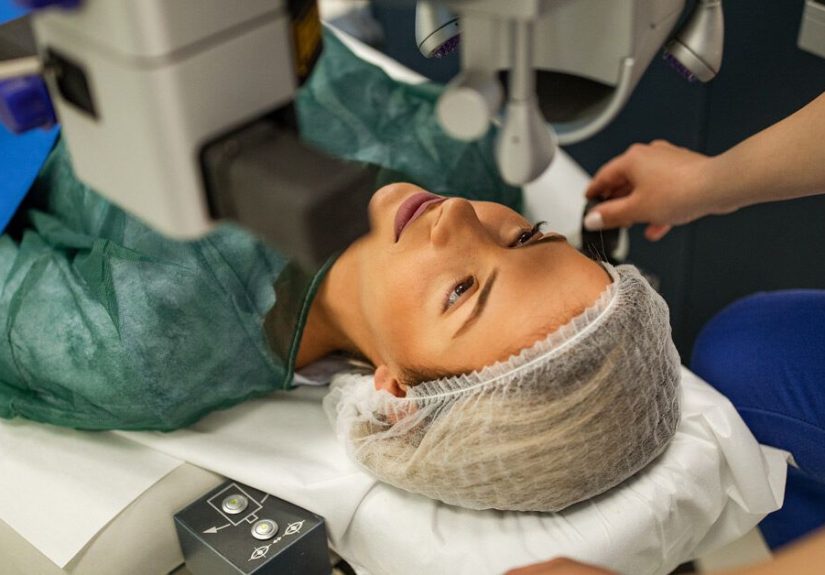
Retinal surgery is usually performed under local anesthesia, so you will remain awake but will not feel pain. Sedatives may be given to help you relax. The surgeon will make small incisions in the eye and use specialized instruments to perform the procedure. Depending on the type of surgery, they may use a laser, gas bubble, or other tools to correct the problem.
3. Post-Surgery Care
After surgery, you may need to stay in the hospital for a short period of observation. You will be given specific instructions on how to care for your eye, which may include using eye drops, avoiding strenuous activity, and wearing an eye patch for protection. You will also need to attend follow-up appointments to ensure proper healing and monitor for any complications.
Recovery After Retinal Surgery
Recovery time after retinal surgery can vary depending on the type of procedure and the individual’s overall health. Most patients can expect to follow these general recovery guidelines:
1. Rest and Follow-Up Appointments
During the recovery period, rest is essential to ensure proper healing. Follow-up appointments with your surgeon will be scheduled to monitor your progress and check for any signs of complications.
2. Vision Improvement Timeline
Vision improvement can take time, particularly if a gas bubble is used during surgery. It may take several weeks for the bubble to dissipate, during which your vision may be blurry. It’s important to follow all instructions and attend follow-up visits to ensure optimal results.
3. Restrictions and Lifestyle Changes
After surgery, you may be advised to avoid certain activities, such as heavy lifting, bending, or driving. These restrictions are meant to protect the eye and promote healing. You may also be instructed to maintain a specific head position to ensure that the retina stays in place.
Experiences from Real Patients
Many patients undergoing retinal surgery report positive outcomes, though each recovery experience is unique. One patient, who underwent retinal detachment surgery, shared that the procedure was life-changing. “I was terrified when I first learned about my retinal detachment, but after surgery, I was amazed at how much my vision improved,” said one patient. “The recovery was slow, but each visit to the doctor brought encouraging news, and I’m now able to enjoy my daily activities again.”
However, others report challenges during recovery. Another patient, who had a vitrectomy for a macular hole, noted that while the procedure itself was straightforward, the recovery was harder than expected. “The recovery took longer than I anticipated, especially with the gas bubble in my eye. I had to keep my head down for weeks, which was uncomfortable, but eventually, the hard work paid off, and my vision is much clearer now.”
Conclusion
Retinal surgery offers hope for individuals suffering from various eye conditions that affect the retina. While there are risks involved, the benefits of restoring and preserving vision often outweigh the potential complications. If you’re considering retinal surgery, it’s important to consult with an experienced eye specialist who can guide you through the process and help you understand what to expect before, during, and after surgery.