Table of Contents >> Show >> Hide
- Quick answer: What usually causes redness around the nose?
- Common causes of redness around the nose
- How to tell which cause is more likely
- Treatment for redness around the nose
- Home remedies that can actually help
- When to see a doctor
- How to prevent redness around the nose from coming back
- Common experiences people have with redness around the nose
- Conclusion
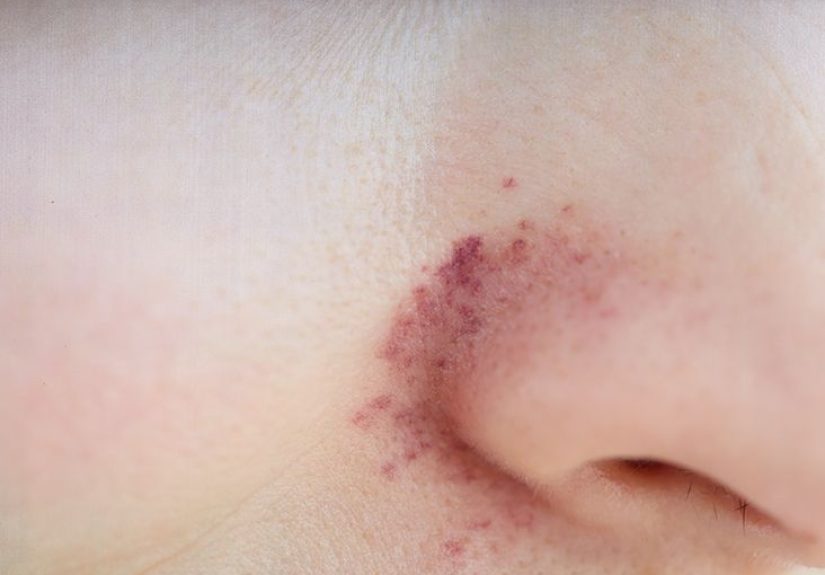
Redness around the nose can be surprisingly dramatic for such a small patch of skin. One day your face looks normal, and the next day the folds around your nostrils are pink, flaky, irritated, or downright grumpy. The tricky part is that redness around the nose is not a diagnosis by itself. It is more like your skin waving a tiny red flag and saying, “Hey, something is going on here.”
Sometimes the cause is simple, like dry winter air, too much nose blowing, or a cleanser that acts like it was designed for car tires. Other times, redness near the nose can point to common skin conditions such as seborrheic dermatitis, rosacea, contact dermatitis, eczema, or periorificial dermatitis. Less often, infections or autoimmune conditions can be part of the picture.
The good news? Most causes of nasal redness are manageable once you figure out what is triggering them. Below, we’ll break down the most likely culprits, how treatments differ, which home remedies are actually helpful, and when it is time to stop guessing and call a healthcare professional.
Quick answer: What usually causes redness around the nose?
The most common causes include dry or irritated skin, seborrheic dermatitis, rosacea, eczema, contact dermatitis from skin care or cosmetics, and periorificial dermatitis. If the area is crusty, painful, oozing, or spreading, infection may be involved. If redness stretches across the bridge of the nose and cheeks with other symptoms like joint pain or sun sensitivity, a doctor may also consider lupus or another inflammatory condition.
Common causes of redness around the nose
1. Dry skin and simple irritation
Let’s start with the most obvious suspect: plain old irritation. The skin around the nose takes a beating. It deals with wind, cold weather, allergies, tissues, sweat, skin care products, and the occasional aggressive face wipe. If your skin barrier gets disrupted, the area can turn red, sting, peel, or feel tight.
This type of redness is especially common in winter, during allergy season, or after a cold when you have wiped your nose approximately 9,000 times in two days. The area may look pink and feel raw, but it usually improves when you switch to gentler skin care and add a bland moisturizer.
2. Seborrheic dermatitis
One of the biggest repeat offenders is seborrheic dermatitis. This common inflammatory skin condition often shows up on oily areas of the face, especially the sides of the nose, eyebrows, scalp, ears, and beard area. It can cause redness, flaking, greasy-looking scale, or itchiness.
If your nose redness comes with dandruff or flakes in your brows, seborrheic dermatitis moves way up the suspect list. The skin may look dry at first glance, but the flakes can also have a yellowish, oily quality. In other words, it is not just “dry skin with an attitude.”
3. Rosacea
Rosacea is another common cause of facial redness, especially across the central face. The nose is prime real estate for rosacea, and some people also notice redness on the cheeks, chin, or forehead. The skin may flush easily, burn or sting, and develop visible blood vessels or acne-like bumps.
Rosacea tends to flare with triggers such as sun exposure, heat, alcohol, hot drinks, spicy foods, stress, or intense exercise. So if your nose gets red after coffee, red wine, a spicy lunch, or a heroic attempt at hot yoga, rosacea may be involved. Annoying? Yes. Mysterious? Not really.
4. Contact dermatitis
Sometimes your skin is not sick; it is simply offended. Contact dermatitis happens when something touching your skin causes irritation or an allergic reaction. Common triggers include fragrance, essential oils, retinoids, exfoliating acids, sunscreen ingredients, cosmetics, shaving products, detergents, and even ingredients in tissues or face masks.
Redness from contact dermatitis is often itchy, dry, rough, or burning. In some cases, tiny bumps or blisters can appear. The biggest clue is timing: symptoms tend to start after you introduce a new product or increase use of something strong.
5. Periorificial dermatitis
Periorificial dermatitis is a rash that often appears around the mouth, but it can also spread around the nose and eyes. It usually causes red, flaky skin with small bumps or pimples. It is frequently mistaken for acne, which is deeply unfair because acne treatments can make it angrier.
This condition is often linked to topical steroid creams, inhaled steroids, nasal steroid sprays, and irritating facial products. If your rash seems better when you use steroid cream but comes back worse when you stop, that pattern deserves medical attention.
6. Eczema or atopic dermatitis
Eczema can also cause redness near the nose, especially in people with generally sensitive, dry, or itchy skin. The area may feel rough, sting, crack, or itch like it is applying for a job as a mosquito bite. Eczema often gets worse with harsh cleansers, dry weather, allergies, and over-washing.
If you already deal with eczema on the hands, neck, eyelids, or inside the elbows, facial redness could be part of the same pattern.
7. Psoriasis
Psoriasis around the nose is less common than seborrheic dermatitis or rosacea, but it can happen. Psoriasis usually causes thicker, more sharply defined patches with scale. It may also affect the scalp, elbows, knees, or behind the ears. Because facial psoriasis can look like other conditions, it often needs a professional diagnosis.
8. Infection
If the area is crusty, painful, warm, swollen, or oozing, infection should be considered. Impetigo can cause red sores and honey-colored crusts, often around the nose and mouth. Nasal vestibulitis can cause soreness, crusting, pimples, or tenderness just inside and around the nostrils.
Infections need proper treatment, and home remedies alone usually will not do the job. This is the point where “I’ll just put random ointment on it” becomes less of a plan and more of a plot twist.
9. Lupus and other less common causes
A butterfly-shaped rash across the cheeks and bridge of the nose can be associated with lupus. This is not the most common explanation for redness around the nose, but it matters because the rash may come with other symptoms such as fatigue, joint pain, mouth sores, or sensitivity to sunlight.
If the redness is persistent, unusual, or part of a bigger cluster of symptoms, do not self-diagnose from the mirror alone. That mirror has confidence, not a medical license.
How to tell which cause is more likely
These clues can help narrow it down:
- Redness with greasy or powdery flakes on the sides of the nose and brows: seborrheic dermatitis is likely.
- Flushing, burning, visible blood vessels, and triggers like heat or alcohol: rosacea is more likely.
- Itchy, burning rash after a new product: think contact dermatitis.
- Tiny bumps around the mouth and nose, especially after steroid use: consider periorificial dermatitis.
- Very dry, itchy, cracked skin with a history of sensitive skin: eczema may fit.
- Pain, oozing, crusting, or sores: infection needs to be ruled out.
- Butterfly-shaped rash plus whole-body symptoms: seek evaluation for lupus or another inflammatory condition.
Treatment for redness around the nose
The best treatment for redness around the nose depends on the cause. A moisturizer helps many people, but it is not a universal fix. Here is how treatment usually breaks down.
For irritation, dry skin, or eczema-prone skin
- Use a gentle, fragrance-free cleanser or just lukewarm water.
- Apply a thick moisturizer or ointment while skin is still slightly damp.
- Avoid scrubs, exfoliating acids, strong acne products, and fragranced skin care.
- Use sunscreen daily, especially if sun makes the redness worse.
If the skin is very inflamed, a clinician may recommend a short course of a low-potency anti-inflammatory cream. Facial skin is delicate, though, so do not treat steroid creams like moisturizer. Overusing them can worsen or trigger certain facial rashes.
For seborrheic dermatitis
Seborrheic dermatitis often responds to medicated antifungal creams, prescription treatments, or carefully used medicated cleansers or shampoos for nearby areas like the scalp. If you have dandruff plus redness on the sides of the nose, treating the scalp can also help calm the face.
Because seborrheic dermatitis tends to flare and fade, the goal is usually control rather than a one-time magical cure. Yes, your skin may occasionally act like it has opinions. The trick is keeping those opinions small.
For rosacea
Rosacea treatment often includes trigger management, gentle skin care, sunscreen, and prescription topicals such as azelaic acid, metronidazole, or other medications chosen by a clinician. Some people also benefit from prescription medicines that temporarily reduce redness, while others need oral medication for bumps and inflammation.
If broken blood vessels or flushing are the main problem, a dermatologist may discuss laser or light-based treatment.
For contact dermatitis
The most important step is identifying and avoiding the trigger. That may mean stopping a new serum, switching to fragrance-free products, or taking a break from overly active ingredients. Once the irritation stops, the skin barrier can recover with moisturizer and simple skin care.
If you suspect an allergy rather than an irritant reaction, a dermatologist may recommend patch testing.
For periorificial dermatitis
This rash often improves when irritating products and steroid creams are stopped, but it may need prescription treatment. Doctors may use topical antibiotics, anti-inflammatory medicines, or oral antibiotics in more stubborn cases.
The hardest part is that the rash can flare before it gets better, which is rude but common. This is one reason professional guidance really helps.
For infection
Impetigo and nasal vestibulitis often need antibiotic treatment. If redness around the nose is painful, crusty, rapidly spreading, or accompanied by swelling or fever, do not try to out-moisturize it. Get medical care.
Home remedies that can actually help
When people search for home remedies for redness around the nose, the internet offers everything from sensible advice to skin-care chaos. Here are the safer, more useful options:
- Switch to lukewarm water: hot water can worsen redness and dryness.
- Use a bland moisturizer: fragrance-free creams or ointments are usually best.
- Try petroleum jelly on raw areas: especially if friction or tissue use is the problem.
- Apply a cool compress: helpful for burning, itching, or inflamed skin.
- Keep a trigger diary: especially useful if rosacea is suspected.
- Use a humidifier: dry indoor air can make irritation worse.
- Choose gentle sunscreen: mineral formulas are often easier for sensitive skin to tolerate.
Now for the “please don’t” list: lemon juice, harsh exfoliants, undiluted essential oils, alcohol-based toners, toothpaste, and random DIY acids are more likely to irritate the area than heal it. If your skin is already red, it does not need a chemistry experiment.
When to see a doctor
Make an appointment if:
- The redness lasts more than two to three weeks.
- The area burns, cracks, bleeds, or becomes painful.
- You see crusting, pus, sores, or swelling.
- The redness keeps coming back despite gentle skin care.
- You also have eye irritation, facial flushing, or visible blood vessels.
- You have a butterfly-shaped rash with fatigue, joint pain, fever, or sun sensitivity.
Get urgent care sooner if the redness is rapidly spreading, you have fever, the skin is very swollen, or the area near the eyes becomes involved.
How to prevent redness around the nose from coming back
- Stick with gentle, fragrance-free skin care.
- Moisturize consistently, not just when your skin is already angry.
- Use sunscreen every day.
- Avoid over-exfoliating and over-cleansing.
- Manage triggers like heat, sun, alcohol, and spicy foods if rosacea is part of the issue.
- Be cautious with steroid creams on the face unless a clinician directs you to use them.
- Treat dandruff or scalp flaking if seborrheic dermatitis seems connected.
Common experiences people have with redness around the nose
The frustrating thing about redness around the nose is not just how it looks. It is how it behaves in real life. Many people say it seems to show up at the worst possible times: before a date, before a meeting, on picture day, or the exact week they decide to try a “glowy” skin routine that turns out to be more of a fiery regret routine.
One common experience is the winter spiral. A person gets a cold, blows their nose nonstop, then notices the skin around the nostrils turning pink and tender. They apply more tissues, more rubbing, and maybe a heavily fragranced lotion that sounded soothing in the store. Suddenly the area is redder, drier, and flaky. In cases like this, the problem often starts as irritation and snowballs because the skin barrier never gets a chance to recover.
Another familiar story involves rosacea. Someone notices that their nose and cheeks flush after coffee, wine, sun, or stress. At first they think it is just blushing or “sensitive skin,” but over time the redness lingers longer and may come with stinging or bumps. They switch products over and over, convinced they simply have not found the perfect cleanser, when the real issue is a chronic inflammatory condition that needs trigger control and the right treatment plan.
There is also the steroid-cream trap. A person develops a flaky, bumpy rash around the nose or mouth and borrows a steroid cream from a medicine cabinet. The rash improves quickly, which feels like a victory lap. Then it rebounds, often worse than before, the moment the cream is stopped. That pattern is something dermatologists see often with periorificial dermatitis, and it can be both confusing and discouraging if you do not know what is happening.
People with seborrheic dermatitis often describe a different pattern: the redness hangs around the creases of the nose and returns whenever stress, weather changes, or scalp dandruff flare up. Makeup may cling oddly to the flakes, and moisturizers alone do not fully fix it. Many say the biggest relief comes from finally realizing it is not just “dry skin” and that targeted treatment can help.
Parents sometimes notice redness around a child’s nose that turns crusty or develops sores, especially after a runny nose or frequent touching. In those situations, infection such as impetigo can enter the conversation, and medical treatment becomes important. What looked like a harmless little rash can change quickly once bacteria get involved.
Then there is the emotional side. Facial redness can affect confidence more than people expect. Some avoid photos, skip makeup because it stings, or become self-conscious at work or school. Others spend a small fortune chasing solutions that promise calm, clear skin in a pastel bottle with a botanical name. The truth is usually less glamorous but more effective: identify the cause, simplify the routine, protect the skin barrier, and get medical advice when the rash does not behave.
If that sounds familiar, you are not overreacting. Skin that is visible can feel personal. The upside is that redness around the nose is often very treatable once you match the treatment to the real cause instead of guessing based on vibes and packaging design.
Conclusion
Redness around the nose can come from something as straightforward as dryness and friction or from specific conditions like seborrheic dermatitis, rosacea, eczema, contact dermatitis, periorificial dermatitis, infection, or, more rarely, lupus. The details matter: flaky and greasy points one way, flushing and burning another, and crusting or pain another altogether.
If the redness is mild, start with the basics: gentle cleansing, fragrance-free moisturizer, sunscreen, and a break from irritating products. If it keeps returning, spreads, becomes painful, or comes with other symptoms, get it checked. A stubborn red patch around the nose is often manageable, but only if you stop treating every rash like it is the same rash wearing a different hat.