Table of Contents >> Show >> Hide
- What Dry Eye Actually Is (and Why It’s Not Just “Not Enough Tears”)
- Dry Eye Symptoms: The Greatest Hits (and a Few Plot Twists)
- Who’s Most Likely to Get Dry Eye?
- When It’s “Probably Dry Eye” vs. “Please Get Checked Soon”
- How Dry Eye Is Diagnosed: What Happens at the Eye Doctor
- Why Diagnosis Can Take More Than One Visit
- How to Prepare for a Dry Eye Evaluation (So You Get Better Answers)
- Common “Is This Dry Eye?” Scenarios (With Realistic Examples)
- What Happens After Diagnosis?
- Experiences: What Dry Eye Recognition and Diagnosis Looks Like in Real Life (About )
- Conclusion
Dry eye sounds like one of those “mildly annoying” problemsright up until it’s not. One day your eyes feel a little scratchy.
The next day you’re blinking like a stressed-out cartoon character, your vision is doing the “now you see it, now you don’t” thing, and
your contacts feel like tiny tortilla chips. Fun!
The good news: dry eye is common, understandable, and diagnosable. The slightly annoying news: the symptoms can be sneaky, and the signs
don’t always match what you feel. That’s why getting properly diagnosed mattersso you’re not just guessing with random drops and hoping
for the best.
What Dry Eye Actually Is (and Why It’s Not Just “Not Enough Tears”)
Dry eye disease happens when your eyes don’t have enough healthy tears to stay comfortable and keep vision stable. That can mean you don’t
make enough tears, or your tears evaporate too quickly, or the “recipe” is offtoo watery, not enough oil, not enough mucus, or too much
inflammation messing with the whole system.
Think of your tear film like a three-layer latte: an oily layer on top (helps prevent evaporation), a watery layer in the middle (moisture
and nutrients), and a mucus layer that helps tears spread evenly. When one part is weak, the whole drink gets weirdand your eyes feel it.
Dry Eye Symptoms: The Greatest Hits (and a Few Plot Twists)
Dry eye symptoms can be obvious (“my eyes burn”) or oddly indirect (“why do I keep tearing up like I’m watching a sad dog movie?”).
Common symptoms include:
- Burning, stinging, or scratchy/gritty feeling (classic “sand in the eyes” vibe)
- Redness that makes you look like you’ve been crying… or partying… or both
- Blurry or fluctuating visionoften worse after reading or screen time
- Light sensitivity (hello, squinting at normal daylight)
- Watery eyes (yes, watery eyes can be a dry-eye signreflex tearing can kick in when the surface is irritated)
- Mucus or stringy discharge, especially if the surface is inflamed
- Contact lens discomfort or a sudden “I can’t do contacts anymore” phase
- Morning irritation or pain on waking, sometimes linked to incomplete eyelid closure during sleep
If you’re thinking, “That could also be allergies,” you’re not wrong. Dry eye overlaps with allergies, eyelid inflammation (blepharitis),
screen-related eye strain, and even certain infections. That’s exactly why diagnosis matters.
Who’s Most Likely to Get Dry Eye?
Dry eye can happen to anyone, but your odds go up if you have one or more of the following:
Everyday life factors
- Heavy screen time (people blink less, tears evaporate faster)
- Dry, windy, smoky, or air-conditioned environments
- Contact lens wear, especially long hours
- Eye surgery history (some people notice symptoms after procedures like LASIK)
Body-and-health factors
- Age (tear quality and quantity can change over time)
- Hormonal changes (including menopause)
- Autoimmune disease (notably Sjögren’s syndrome, rheumatoid arthritis, lupus)
- Conditions like thyroid disease or diabetes
- Medications that reduce tear production or change tear stability (certain antihistamines, antidepressants, etc.)
- Eyelid/meibomian gland dysfunction (a leading driver of evaporative dry eye)
When It’s “Probably Dry Eye” vs. “Please Get Checked Soon”
Mild dry eye can feel like off-and-on irritation, especially with screens, travel, or dry air. But some situations deserve a faster,
professional evaluation:
- Persistent symptoms lasting weeks, or symptoms that keep returning
- Vision that’s fluctuating and doesn’t clear with blinking
- Eye pain (not just irritation), especially if it’s worsening
- Significant light sensitivity
- One eye is dramatically worse than the other
- Redness with discharge (could be infection or inflammation needing specific treatment)
Also: if you have dry eyes plus dry mouth, joint pain, fatigue, or autoimmune history, tell your clinician. Dry eye can be part of a
bigger picture.
How Dry Eye Is Diagnosed: What Happens at the Eye Doctor
Dry eye diagnosis is usually a mix of (1) your symptoms, (2) an eye exam, and (3) targeted tests that measure tear quantity, tear stability,
and surface damage. Don’t be surprised if your doctor says something like, “Your symptoms are significant, but your staining is mild,” or
vice versa. Dry eye is famous for not always lining up neatly.
Step 1: History and symptom questions
You’ll likely be asked about:
- When symptoms happen (morning, evening, during screens, outdoors, driving)
- Triggers (air vents, fans, contacts, makeup, allergy seasons)
- Medications and health conditions
- Contact lens habits and screen habits
Many clinics use standardized questionnaires to score symptoms and how they affect daily life. These help track severity and monitor
improvement over time.
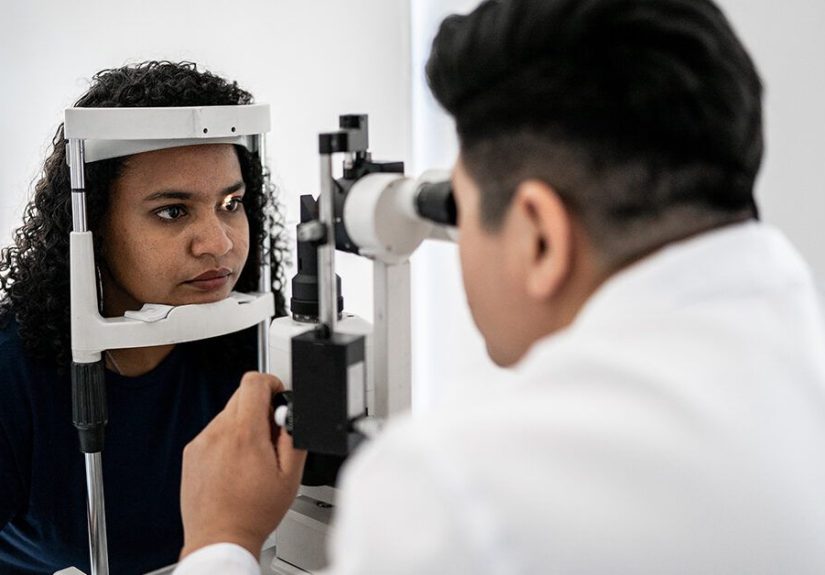
Step 2: The slit-lamp exam
This is the “microscope with a bright light” exam. It lets the provider look at your eyelids, eyelashes, tear film, and the surface of your
eye. They’ll check for redness, irritation, debris along the lid margin, and signs of meibomian gland dysfunction (the oil glands in your
eyelids).
Step 3: Tests that measure tear quality and quantity
Tear Breakup Time (TBUT)
TBUT checks how long your tear film stays stable before it “breaks up” and forms dry spots. Typically, a dye is placed in the eye and the
clinician watches under blue light as you hold your eyes open (yes, it’s awkward; no, you’re not the first person to fail the no-blinking
challenge). A short TBUT can suggest evaporative dry eye or tear film instability.
Ocular surface staining
Dyes like fluorescein (and others) can reveal tiny areas of surface damagethink of it like highlighting scuffed spots on a clear windshield.
Staining helps clinicians see where dryness is irritating the cornea or conjunctiva.
Schirmer test (tear production test)
The Schirmer test measures how much tear fluid your eyes produce over a few minutes using a small paper strip placed under the lower eyelid.
It can be done with or without numbing drops, depending on what the clinician is measuring. It’s not exactly spa-level relaxing, but it’s
quick and informativeespecially when low tear production is suspected.
Tear osmolarity and other tear “quality” measures
Some practices measure tear salt concentration (osmolarity) or look for inflammatory markers. Higher osmolarity can be associated with dry
eye severity. Not every clinic uses these tests, but they can add useful objective data.
Meibomian gland evaluation (and sometimes imaging)
Because meibomian gland dysfunction is a major contributor to evaporative dry eye, clinicians often examine the eyelid margins and may press
gently to evaluate oil flow. Some offices use imaging (meibography) to assess gland structure.
Why Diagnosis Can Take More Than One Visit
Dry eye isn’t one single diseaseit’s a category. You can have:
- Aqueous-deficient dry eye (not enough watery tear production)
- Evaporative dry eye (tears evaporate too fast, often tied to oil gland problems)
- Mixed dry eye (very common)
- Dry eye with significant inflammation (surface damage and immune activity can drive symptoms)
Some people also have “short TBUT” patterns where tear production may be okay, but tear stability is poor. Others have strong symptoms with
minimal staining, or significant surface damage with surprisingly mild symptoms. Your clinician’s job is to match the pattern to the cause
so treatment isn’t just “throw drops at it and pray.”
How to Prepare for a Dry Eye Evaluation (So You Get Better Answers)
A little prep can turn a vague appointment into a useful one. Consider:
- Track symptoms for 1–2 weeks: When do they happen? What makes them worse or better?
- List all medications and supplements, including allergy meds and sleep aids
- Bring your drops (yes, even the random ones from the bottom of your bag)
- Know your screen routine: hours per day, breaks, and whether symptoms spike after screens
- Note contact lens details: brand/type, wearing time, cleaning solution, replacement schedule
- Mention autoimmune symptoms: dry mouth, joint pain, unusual fatigue, rashes
If you can’t remember everything, don’t worry. But the more specific you can be, the faster your clinician can connect the dots.
Common “Is This Dry Eye?” Scenarios (With Realistic Examples)
“My eyes water all the timehow can they be dry?”
Reflex tearing can happen when the eye surface is irritated. Those tears may be more watery and don’t stay on the eye long enough to fix the
underlying problemso you get the weird combo of watering and dryness.
“I’m fine in the morning, but by 4 p.m. I’m squinting at life.”
That pattern often points to evaporation and tear film instabilityespecially with screen time, indoor air, and reduced blinking.
“I wake up with painful eyes like I slept face-first in a desert.”
Morning symptoms can be linked to overnight dryness, eyelid inflammation, or incomplete lid closure. Your clinician may look for lid issues,
surface staining, and tear stability problems.
“My vision gets blurry, then clears when I blink.”
That blink-to-clear pattern is a classic sign that the tear film is unstable. The tear layer is part of your focusing systemwhen it breaks
up, vision can fluctuate.
What Happens After Diagnosis?
Once dry eye is confirmed and typed (evaporative, aqueous-deficient, mixed), treatment can be targeted. Even if you came here for diagnosis,
it helps to know the next step is usually a plan that may include:
- Artificial tears (often preservative-free if used frequently)
- Lid hygiene and warm compress routines for meibomian gland dysfunction
- Environmental adjustments (humidifier, avoiding direct airflow)
- Prescription anti-inflammatory drops when inflammation is driving symptoms
- Procedures in some cases (like punctal plugs or gland-focused treatments)
The key takeaway: diagnosis turns guessing into strategy.
Experiences: What Dry Eye Recognition and Diagnosis Looks Like in Real Life (About )
People often describe dry eye as “annoying” right up until it starts stealing attention from everything else. One common experience is the
slow creep: a little burning during late-night scrolling becomes daily discomfort, then suddenly you’re planning your errands
around which stores have less aggressive air-conditioning. A lot of patients say the turning point is when their eyes begin to affect
productivityreading feels harder, screens feel harsher, and they realize they’re blinking more just to keep things clear.
Take the classic remote worker scenario. They’ll say something like, “It’s weirdmy eyes are fine until my third Zoom call.”
In clinic, their exam often reveals a short tear breakup time and signs of meibomian gland dysfunction. The diagnosis can feel oddly
validating: it’s not that they’re being dramatic; their tear film really is breaking up quickly. Many are surprised that improving blink
habits, addressing eyelid oil flow, and tweaking the environment can make a noticeable differencesometimes more than switching between
five brands of “maximum relief” drops.
Another frequent story comes from contact lens wearers. They’ll report that lenses that worked for years suddenly feel
unbearable by lunchtime. They often assume the lens brand is the issue, but the exam may show dry patches on the surface with staining, or
reduced tear production on a Schirmer test. What they learnsometimes the hard wayis that contacts can be a “stress test” for the tear film.
Once the tear layer becomes unstable, lenses amplify friction and irritation. Many people end up rotating between glasses and contacts,
changing lens materials, or reducing wearing time based on the clinical findings.
Some experiences are more complicated, especially when dry eye is tied to systemic disease. Patients with autoimmune symptoms may show up
thinking they just need better eye drops, but their clinician notices the pattern: significant dryness, low tear production, and symptoms like
dry mouth or joint aches. For these patients, diagnosis is bigger than comfortit can lead to broader medical evaluation and coordination of
care. They often describe relief in finally having an explanation that connects multiple symptoms, even if the road to improvement is more
gradual.
Finally, there’s the group who feel symptoms but don’t show dramatic signs on the first visit. They may hear, “Your eyes look pretty good,”
and feel discourageduntil the clinician explains that dry eye can be intermittent and that symptoms and signs don’t always match.
Follow-up testing, a symptom questionnaire, or repeat measurements can clarify what’s happening. Many people say the most helpful part of
diagnosis is getting a clear plan and language to describe their problemso it’s not just “my eyes are weird,” but “my tear film is unstable
and my oil glands aren’t doing their job.”
Conclusion
Recognizing dry eye is about noticing patterns: burning that spikes with screens, vision that fluctuates, discomfort that shows up in
air-conditioned spaces, and yessometimes watery eyes that don’t make sense. Getting it diagnosed is about turning those patterns into
measurable clues with a careful exam and targeted testing. Once you know what type of dry eye you have and what’s driving it, you can stop
playing “drop roulette” and start treating the real cause.