Table of Contents >> Show >> Hide
- What are raspberry ketones, exactly?
- Why do people take raspberry ketone supplements?
- How raspberry ketones are supposed to work
- Do raspberry ketones work for weight loss?
- Side effects and safety concerns
- Dosage: how much do people take, and what’s considered “safe”?
- Interactions and product quality: the unglamorous details that matter
- Smarter alternatives if your goal is weight loss or metabolic health
- The bottom line
- Real-world experiences: what people commonly report (and what it can mean)
Friendly reminder: This article is for general education, not personal medical advice. If you’re pregnant, have a medical condition, or take medications, talk with a qualified clinician before using any supplement.
Raspberry ketones sound like they should come with a tiny umbrella and a beach chairsomething fruity, fun, and harmless.
In reality, they’re a real chemical compound (with a real track record as a flavor and fragrance ingredient) that became a
very not-fruity internet celebrity thanks to weight-loss marketing. And like many “miracle fat burner” trends,
the hype got ahead of the science.
Here’s the practical truth: raspberry ketone supplements are widely sold for weight loss and “metabolism support,” but
human evidence is limited, product quality can vary, and side effectsespecially stimulant-like onesare a real
concern for some people. Let’s unpack what raspberry ketones are, what they’re used for, what research suggests (and doesn’t),
and how to think about safety before you spend your moneyor your sleep.
What are raspberry ketones, exactly?
A natural compound… in very small amounts
Raspberry ketone is an aromatic compound that contributes to the smell and flavor associated with raspberries (and it can
also be found in a few other fruits). In foods, it’s present in tiny amountsso tiny that if you wanted to “supplement”
via berries alone, you’d be buying raspberries by the pallet and paying in both dollars and freezer space.
Most supplements aren’t “raspberry-derived”
In supplements, raspberry ketone is typically produced synthetically. That doesn’t automatically mean “bad”synthetic
versions of many food compounds are commonbut it does mean the supplement in your bottle usually isn’t extracted from
fresh berries. It’s a concentrated ingredient created to mimic the same molecule.
Flavoring use ≠ supplement safety
Raspberry ketone has a history of use in flavor and fragrance applications. But using something in trace amounts to make
a yogurt taste like “summer picnic” is not the same as taking hundreds of milligrams daily in capsule form. Dose matters,
and the safety data for high-dose, long-term use in humans is not robust.
Why do people take raspberry ketone supplements?
Raspberry ketone products are usually marketed for:
- Weight loss (“fat burner,” “thermogenic,” “metabolism booster”)
- Appetite control (“curbs cravings,” “helps you feel full”)
- Energy support (often because the formula also contains caffeine or other stimulants)
- Body composition (“helps target belly fat,” “supports lean shape”)a claim that tends to be more marketing than medicine
The reason these claims sound plausible is that early lab and animal studies explored mechanisms that, on paper, could
be relevant to fat metabolism. But “interesting mechanism” is not the same as “proven results in real humans living real lives.”
How raspberry ketones are supposed to work
The metabolism storyline: lipolysis and fat oxidation
Some research in cells and animals suggests raspberry ketone may influence fat breakdown (lipolysis) and fat oxidation pathways.
You’ll often see marketing that says it “helps the body burn fat faster.” The idea is that it could affect signaling involved in
fat storage and fat useespecially in the context of high-fat diets in animal models.
The adiponectin angle
Adiponectin is a hormone involved in metabolic regulation, including insulin sensitivity and fat metabolism. Some preclinical
work has investigated whether raspberry ketone might influence adiponectin-related pathways. This is frequently turned into a
marketing headline like: “Boost adiponectin = melt fat!” Real-life physiology is more complicated than that.
The “stimulant-like” concern
One reason side effects come up is that raspberry ketone is sometimes discussed as having potential sympathomimetic
(stimulant-like) activity. That doesn’t mean it’s the same as caffeinebut it helps explain why people sometimes report
jitteriness or a racing heart, especially when products include other stimulants.
Do raspberry ketones work for weight loss?
What the evidence looks like right now
The most consistent theme across reputable medical sources is simple: we don’t have strong human clinical evidence that
raspberry ketone supplements cause meaningful weight loss. Much of what’s available comes from cell studies, animal studies,
and a small number of human studiesoften involving combination products (meaning you can’t confidently credit raspberry ketone
for the results).
Why marketing sounds more certain than science
Weight-loss supplements often lean on limited studies, short timeframes, small participant numbers, and multi-ingredient blends.
If a study uses raspberry ketone plus caffeine plus other botanicals, and people lose a little weight, it’s not fair (or scientific)
to declare raspberry ketone the hero of the story.
A useful reality check
If a supplement truly caused reliable, significant fat loss with minimal effort and minimal risk, it wouldn’t be hiding between
“detox tea” and “melt belly fat gummies.” It would be studied extensively, prescribed thoughtfully, and regulated tightly.
That doesn’t automatically make all supplements uselessbut it should lower the volume on big promises.
Side effects and safety concerns
Commonly reported side effects
Reported side effects vary by person and product, but the concerns you’ll see repeated by clinical references include:
- Jitteriness or feeling “wired”
- Increased heart rate (palpitations)
- Increased blood pressure
- Trouble sleeping (especially if taken later in the day)
- Digestive upset (nausea, stomach discomfort)
Important caveat: some of these effects may come from other ingredients that commonly appear alongside raspberry ketone,
such as caffeine or stimulant-like botanicals. Still, the practical outcome is the samepeople take “raspberry ketones” and feel
like their heart just signed up for a sprint.
Rare but serious reports
There are case reports in the medical literature describing serious cardiac events in people using raspberry ketone-containing
weight-loss supplements, including events consistent with coronary vasospasm and potentially dangerous heart rhythm problems.
Case reports don’t prove cause-and-effect on their own, but they are strong enough to justify cautionespecially for anyone with
cardiovascular risk factors.
Who should be extra cautious (or skip them)
- People with high blood pressure, heart disease, arrhythmias, or a history of palpitations
- Anyone sensitive to stimulants (including people with anxiety who notice caffeine makes symptoms worse)
- Pregnant or breastfeeding people (safety data is limited“unknown” should be treated as “no” here)
- People with diabetes or those on glucose-lowering medications (because metabolic supplements can complicate glucose control)
- Anyone taking multiple medications where interactions are a concern
Dosage: how much do people take, and what’s considered “safe”?
There is no universally established, evidence-based dose
This is the part supplement labels rarely highlight with the enthusiasm of a “limited time offer” banner:
there’s no well-established optimal or long-term safe dose for raspberry ketone supplements in humans.
Label ranges can be wide
Common supplement serving sizes range broadly (often from roughly 100 mg up to well over 1,000 mg per day). Those amounts are
far above what you’d naturally consume from food. Higher doses also increase the chance of side effects, particularly if the
product includes other stimulating ingredients.
If someone chooses to try them anyway
If you and your clinician decide a trial is reasonable, safer practice usually means:
- Choose a product with third-party testing (quality verification matters)
- Avoid “proprietary blends” that hide exact ingredient amounts
- Start low, watch for side effects, and stop if you notice palpitations, chest pain, severe anxiety, or dizziness
- Don’t combine with other stimulants (energy drinks, pre-workout mixes, high-dose caffeine)
Interactions and product quality: the unglamorous details that matter
Dietary supplements are regulated differently than medications
In the United States, dietary supplements don’t go through the same pre-market approval process as drugs for safety and
effectiveness. That means responsibility for product safety largely falls on manufacturers, and regulatory action is often
post-market (after issues appear).
Multi-ingredient “fat burner” blends muddy the waters
Many raspberry ketone products aren’t “just raspberry ketone.” They’re formulassometimes with caffeine, green tea extract,
or other compounds that can influence heart rate, blood pressure, and sleep. So when someone says, “Raspberry ketones made me
jittery,” the honest answer may be: “Possibly… but also possibly the 200 mg of caffeine hiding in the blend.”
Label accuracy can be an issue
Supplement quality can vary across brands and batches, and studies evaluating supplement labeling in general have found that
ingredient amounts may not always match what the label implies. This is another reason third-party testing and reputable
manufacturing standards matter if you use supplements at all.
Smarter alternatives if your goal is weight loss or metabolic health
If your main goal is weight management, consider approaches with stronger evidence and fewer surprises:
Food-first upgrades that actually move the needle
- Protein at meals to support fullness and preserve lean mass during weight loss
- Fiber-rich foods (beans, oats, vegetables, berries) to improve satiety and gut health
- Sleep and stress supportbecause fatigue plus stress is basically a craving generator
- Strength training to preserve muscle and support metabolic rate
Clinically supported options
For some people, evidence-based weight-loss medications or structured clinical programs may be appropriate. The benefit of
medical care isn’t just “stronger tools”it’s monitoring, personalized risk assessment, and not having to play supplement roulette.
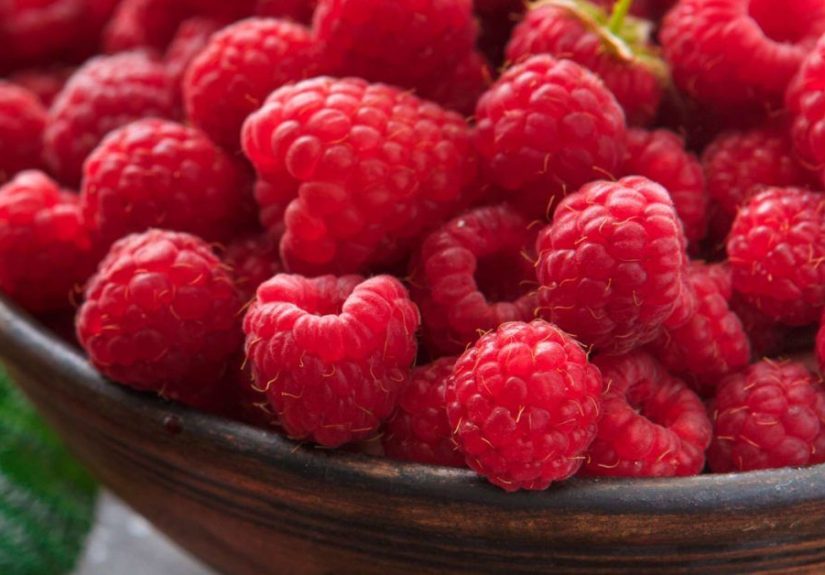
And yes, raspberries are still a great idea
The irony: the berry itself is a nutritional winfiber, antioxidants, and versatilitywithout the supplement uncertainty.
If you love raspberries, keep eating them. Just don’t expect a capsule to replicate the benefits of a whole dietary pattern.
The bottom line
Raspberry ketone is a real compound with legitimate flavoring uses, but the leap from “smells like raspberries” to
“clinically proven fat loss” is bigger than a grocery-store raspberry display in July.
For weight loss: evidence in humans is limited and often confounded by multi-ingredient formulas.
For safety: stimulant-like side effects are a common concern, and there are serious adverse-event case reports that
warrant cautionespecially for anyone with cardiovascular risks. If you’re considering raspberry ketone supplements, treat them
like any other bioactive product: evaluate the evidence, consider your health status, and consult a professional.
Real-world experiences: what people commonly report (and what it can mean)
Since raspberry ketones have been on the supplement scene for years, there’s no shortage of “it worked!” and “never again!”
stories. These real-world experiences are useful for understanding patterns, but they’re also messy: they mix placebo effects,
lifestyle changes, inconsistent dosing, and multi-ingredient products that make it hard to know what caused what.
Below are common experience themes clinicians hear and consumers sharepresented as realistic composites, not as claims that
any outcome is guaranteed.
1) “I felt more energized… then I realized it wasn’t just raspberry ketone”
A frequent pattern is someone starting a raspberry ketone product and reporting more energy and fewer cravings in the first
week. That can feel like a winuntil they read the label closely and notice added caffeine, green tea extract, or other
stimulating ingredients. In that situation, the “metabolism boost” may simply be stimulant effects: more alertness, a slight
appetite dip, and increased activity because the person feels more “up.” The downside is that stimulant-driven results often
come with stimulant-driven side effects, like irritability or disrupted sleep.
2) “My heart felt weird, so I stopped”
Another common report: palpitations, a racing heart, or feeling jitteryespecially in people who already know caffeine makes
them anxious. This can happen quickly, sometimes within a few doses. For many, stopping the supplement resolves symptoms.
The important lesson isn’t “everyone will have this problem,” but rather: if your body is sending loud signalsrapid heartbeat,
chest discomfort, dizzinessthat’s not a “push through it” moment. It’s a “stop and check in with a professional” moment.
3) “I tracked everything… and the scale didn’t care”
Some people approach supplements like a science project: they track calories, steps, and weight trends, and they try raspberry
ketones as a controlled variable. A common outcome is… nothing dramatic. Maybe a pound or two fluctuation (which can happen
from sodium, hormones, or normal variability), but no clear shift in the trend line. For these users, raspberry ketones often
end up in the “expensive experiment” category. The experience can still be valuable, though: it teaches what actually moves
results for that person (sleep, consistency, protein, strength training) versus what mainly moves marketing copy.
4) “I lost weightbut I also changed my whole routine”
Sometimes people report meaningful weight loss while taking raspberry ketones. When you dig in, the story often includes big
lifestyle changes at the same time: cutting sugary drinks, increasing protein, walking daily, cooking more at home, or adding
strength training. In other words, the supplement may have been a “commitment trigger”a psychological marker that helped them
stick to healthier habits. That’s not nothing. But it also means the supplement may not be the active ingredient doing the
heavy lifting; the behavior change is.
5) “I switched to food-first and felt better overall”
A final theme shows up in people who start with raspberry ketones and end up rethinking supplements entirely. They swap the
capsule habit for practical nutrition upgrades: berries in Greek yogurt, a fiber-forward breakfast, more vegetables, and a
consistent movement routine. They often report improved digestion, more stable energy, and fewer mood swings from stimulant
spikes. The takeaway isn’t that supplements are always useless; it’s that for many goalsespecially weight managementsimple,
repeatable habits outperform flashy ingredients over time.
If there’s one “experience-based” lesson worth keeping, it’s this: pay attention to your body, read labels like a detective,
and don’t confuse short-term sensations with long-term outcomes. Feeling amped up isn’t the same as losing fat. And a product
that disrupts your sleep, raises anxiety, or triggers palpitations can backfireeven if it promises the moon in a berry-scented bottle.