Table of Contents >> Show >> Hide
- What Is Raisin Cream Pie, Exactly?
- Quick Game Plan (So You Don’t End Up Stress-Baking at 11:47 PM)
- Raisin Cream Pie Recipe (Classic Sour Cream + Meringue)
- Flavor Notes: How to Make It Taste Like “Legendary,” Not Just “Nice”
- Variations (Because Pie Deserves Options)
- Troubleshooting (A.K.A. Pie Therapy)
- Serving Ideas (Make It Look Like a Big Deal)
- Storage & Make-Ahead Tips
- A Little Backstory: The Raisin Pie Tradition
- Conclusion
- Experiences Related to Making Raisin Cream Pie (What It’s Like in Real Kitchens)
Raisin cream pie is the dessert equivalent of finding a $20 bill in a winter coat pocket: unexpected, slightly old-school, and somehow exactly what you needed. It’s creamy and tangy (thank you, sour cream), studded with plump raisins, and often crowned with a golden meringue that looks like it’s wearing a toasted marshmallow hat.
If you’ve never had it, don’t worryyou’re not alone. Raisin cream pie lives in that magical corner of American baking where Midwestern diner classics, church potlucks, and “Grandma’s recipe box” all overlap. The good news? It’s not hard. The even better news? People who “don’t like raisins” suddenly become very quiet once the first slice hits the plate.
What Is Raisin Cream Pie, Exactly?
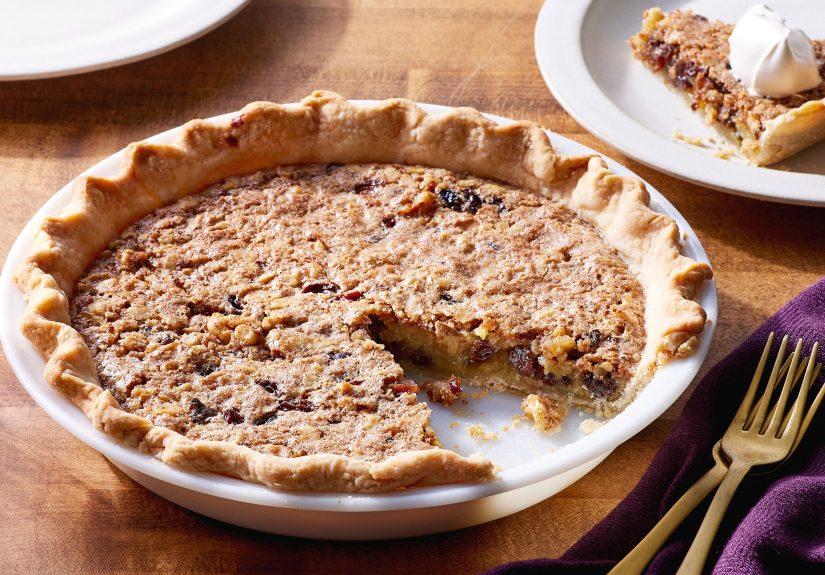
Think of raisin cream pie as a custard-style pie filling that gets its richness from eggs and milk, its gentle tang from sour cream, and its texture from raisins (plus sometimes nuts). Many versions are finished with meringue; others get a cloud of whipped cream. The best ones taste like a cross between a classic custard pie and a lightly spiced oatmeal-cookie vibewithout the oatmeal, and without the cookie. (So… a very specific vibe. You’ll get it.)
Raisin Cream Pie vs. Raisin Pie
Traditional “raisin pie” can be more like a fruit piethicker, darker, sometimes lemony, and often associated with Pennsylvania Dutch baking. Raisin cream pie leans custardy and mellow, with sour cream smoothing the sweetness and keeping the filling from tasting like “sugar with a side of sugar.”
Quick Game Plan (So You Don’t End Up Stress-Baking at 11:47 PM)
- Blind-bake a single pie crust so it stays crisp.
- Plump the raisins so they’re juicy, not chewy.
- Cook the custard filling until thick and glossy.
- Top with meringue while the filling is hot (if using meringue).
- Chill until fully set, then slice like a person who has their life together.
Raisin Cream Pie Recipe (Classic Sour Cream + Meringue)
Yield
1 deep-dish 9-inch pie (8 generous slices)
Time
About 1 hour active + 3 hours cooling/chilling (your fridge does the heavy lifting)
Ingredients
For the baked pie shell
- 1 deep-dish 9-inch pie crust, homemade or store-bought
- Pie weights (or dry beans/rice) + parchment/foil
- 1 egg white (optional, for sealing the crust)
For the raisin cream filling
- 1 cup raisins (dark or golden, or a mix)
- 1 cup boiling water (for plumping)
- 1 cup granulated sugar
- 6 tablespoons all-purpose flour
- 1/8 teaspoon salt
- 2 1/4 cups milk
- 3 large egg yolks
- 1/2 cup sour cream (full-fat is best)
- 1/4 cup butter
- 1 teaspoon vanilla extract
- Optional: 1/2 teaspoon cinnamon + pinch nutmeg
- Optional: 3/4 cup chopped walnuts or pecans
For the stable meringue topping
- 3 large egg whites (room temperature)
- Pinch of salt
- 1/8 teaspoon cream of tartar
- 6 tablespoons sugar
- 1/2 teaspoon vanilla extract
- Cornstarch gel (for stability): 1 tablespoon cornstarch + 1/2 cup hot water
Instructions
1) Blind-bake the crust (crisp crust = happy you)
- Heat oven to 400°F (or follow your crust package if store-bought).
- Line the unbaked crust with parchment/foil and fill with pie weights.
- Bake until the edges are lightly golden, then remove weights and bake a few minutes more until the base looks set.
- Optional but smart: lightly brush the warm crust with egg white and return it to the oven for 1–2 minutes. This helps create a moisture barrier.
- Cool the crust completely.
2) Plump the raisins
- Put raisins in a bowl, pour 1 cup boiling water over them, and let sit 5 minutes.
- Drain well. (No one wants raisin soup in their custard.)
3) Cook the custard filling
- In a saucepan, whisk sugar, flour, and salt (plus cinnamon/nutmeg if using).
- Gradually whisk in milk so it stays smooth.
- Cook over medium heat, stirring constantly, until the mixture bubbles and thickens into a pudding-like consistency. This usually takes 7–10 minutes.
- In a bowl, lightly beat the egg yolks. Slowly whisk about 1 cup of the hot milk mixture into the yolks to temper them.
- Pour the warmed yolk mixture back into the saucepan. Cook, stirring constantly, until it thickens again and coats the back of a spoon. Give it another minute of gentle cooking so the custard sets properly.
- Remove from heat. Stir in drained raisins, sour cream, butter, vanilla, and nuts (if using).
- Pour the hot filling into the cooled baked pie shell.
4) Make the stable meringue and top the pie
- Lower oven to 350°F.
- In a small saucepan, cook the cornstarch and hot water, stirring, until it turns clear and thick. Let it cool just slightly (you want it warm, not scorching).
- Beat egg whites with cream of tartar and a pinch of salt until foamy.
- Gradually add sugar, beating until glossy and soft-to-stiff peaks form.
- Beat in vanilla, then slowly beat in the cornstarch gel until smooth.
- Spoon meringue over the hot filling, spreading all the way to the crust edges to seal. (Sealing helps prevent shrinking and “weepy” meringue.)
- Bake 10–12 minutes, until the meringue is lightly golden.
5) Cool, chill, and slice
- Cool the pie at room temperature until no longer warm.
- Refrigerate at least 2–3 hours for clean slices.
- Slice with a sharp knife wiped clean between cuts for picture-perfect wedges.
Flavor Notes: How to Make It Taste Like “Legendary,” Not Just “Nice”
Use a raisin blend
Dark raisins bring deeper caramel notes; golden raisins bring a brighter sweetness. A 50/50 mix tastes layered without you doing anything fancyarguably the best kind of fancy.
Don’t skip the tang
Sour cream isn’t here to make the pie “sour.” It’s here to keep the filling from being flat. It rounds off sweetness and makes the custard taste more grown-uplike it pays taxes and owns a decent set of mixing bowls.
Add warmth (optional, but charming)
A little cinnamon and nutmeg can lean the pie into “holiday dessert” territory. If you want it more old-school diner, keep it mild and let vanilla do the talking.
Variations (Because Pie Deserves Options)
1) Whipped cream topping instead of meringue
If meringue intimidates you (or your kitchen is basically a tropical rainforest), skip it. Chill the pie fully and top with softly whipped cream right before serving. Bonus: you also avoid the dramatic meringue issues known as “weeping” and “shrinking,” which sound like a sad indie band.
2) Norwegian-style baked sour cream raisin pie
Some versions bake the filling directly in an unbaked crust like a custard pie. It’s simpler, but you’ll want to watch the crust carefully and bake until the center is just set (a gentle jiggle, not a liquid slosh).
3) Citrus twist
Add 1 teaspoon orange zest (or a small squeeze of lemon) to brighten the filling. Raisins and citrus are old friendslike peanut butter and jelly, but with better manners.
4) Brown sugar meringue
Swap part of the white sugar in the meringue for light brown sugar for a slightly caramel vibe. It pairs especially well if you add pecans.
Troubleshooting (A.K.A. Pie Therapy)
My filling is runny
- You didn’t cook the custard long enough for the starch to fully thicken.
- Your pie needs more chilling time; custard firms as it cools.
- Next time: keep stirring until it’s clearly thick and bubbling, not just “warm and hopeful.”
My meringue “wept” (tiny droplets on top)
- Humidity can cause weeping.
- Sugar may not have dissolved well.
- The cornstarch gel trick helps stabilize meringue; also spread it onto hot filling and seal to the crust edge to reduce shrinkage.
My crust is soggy
- Blind-bake fully for this style of pie.
- Consider brushing with egg white after baking to help “seal” the crust before adding filling.
- Let the crust cool completely before filling so steam doesn’t soften it from the inside.
Serving Ideas (Make It Look Like a Big Deal)
- Classic: A cold slice with coffee or strong black tea.
- Extra: Add a sprinkle of toasted pecans on each slice.
- Holiday mode: A tiny dusting of cinnamon right before serving.
- Ice cream moment: Vanilla ice cream + cold pie = very persuasive dessert math.
Storage & Make-Ahead Tips
Raisin cream pie is happiest refrigerated. Cover and chill up to 3 days. The meringue may soften slightly over time, but the flavor stays excellent. If you’re making it ahead for an event, consider topping with whipped cream right before serving for maximum “fresh” vibes.
A Little Backstory: The Raisin Pie Tradition
Raisin pies have deep roots in American regional baking, including Pennsylvania Dutch communities where raisin pie became known as “funeral pie” in some traditionsless spooky than it sounds, more communal than anything. The idea was practical: shelf-stable dried fruit was reliable year-round, and pies were a comforting, shareable food for gatherings. Over time, creamier, custard-style variations (like raisin cream pie) became popular in other regions too, especially where diners and home bakers loved meringue-topped pies.
Conclusion
Raisin cream pie is proof that “old-fashioned” doesn’t mean “boring.” It means dependable techniques, cozy flavor, and a dessert that feels like it has stories. Make it once, and you’ll understand why it keeps resurfacing at holidays, reunions, and potlucksquietly winning hearts while everyone else argues over pumpkin versus pecan.
Experiences Related to Making Raisin Cream Pie (What It’s Like in Real Kitchens)
Making raisin cream pie tends to produce a very specific kind of kitchen atmosphere: part “serious baker focus,” part “why does this smell like every holiday I’ve ever attended?” The first sensory moment usually happens when the raisins hit boiling water. They swell almost immediately, shifting from wrinkly to plush, and the water takes on a faintly sweet, fruity aroma. It’s subtle, but it signals what this pie does bestturning humble ingredients into something that tastes way fancier than it looks on paper.
The custard stage is where most home bakers have their first “oh, this is happening” moment. At the beginning, milk, sugar, and flour look like a bland science project. Then, after several minutes of stirring, the mixture thickens in a way that feels oddly satisfyinglike the filling is finally cooperating. People often describe the texture as “pudding-ish,” and that’s the sweet spot: thick enough to mound slightly on a spoon, but still glossy. This is also the point where confidence rises and stirring becomes a little more rhythmic, like you’re conducting an orchestra that only plays vanilla.
Tempering egg yolks can feel intimidating the first time, but in practice it’s mostly about patience. Many bakers discover that the anxiety disappears as soon as they realize it’s just “slowly add hot stuff to eggs while whisking.” The reward is a filling that tastes smoother and richerless like sweet milk, more like a real custard. And when sour cream goes in at the end, the aroma changes again: still sweet, but now with a gentle tang that makes the pie smell balanced, not cloying. That moment is usually when someone nearby wanders into the kitchen and asks, “What are you making?”
Meringue brings its own drama, but it’s the fun kindlike a reality show where the contestants are egg whites. In many kitchens, the first victory is getting the whites foamy without any yolk sneaking in. The second victory is watching the mixture turn glossy as sugar is added. It’s common for bakers to pause mid-whip just to admire the peaks forming on the beaters, because it feels like kitchen magic that you can actually control. The cornstarch-stabilized style of meringue is often described as “more forgiving,” especially if you’re making the pie for company and you’d prefer not to serve a topping that looks like it had a rough night.
The most memorable “experience” with raisin cream pie, though, is usually social. It’s a pie that sparks conversation because it’s slightly unexpected. Someone will say, “I haven’t had that in years,” and someone else will say, “I didn’t even know that existed,” and then everyone becomes curious. It’s also a pie that changes mindsespecially among people who claim they dislike raisins. In a lot of households, the first slice is taken cautiously, the second is taken confidently, and by the third slice someone is asking if there’s a recipe card. That’s the raisin cream pie effect: it doesn’t shout. It convinces.
Finally, there’s the quiet satisfaction of serving a pie that slices cleanly. After chilling, the custard firms up into neat wedges with raisins suspended throughout, like little flavor gems. The crust stays crisp if you baked it well, the filling holds, and the toppingwhether meringue or whipped creamfinishes it with that classic pie-shop look. In the end, raisin cream pie feels like you made something with history, technique, and comfort all in one. And honestly, that’s a pretty great use of an afternoon.