Table of Contents >> Show >> Hide
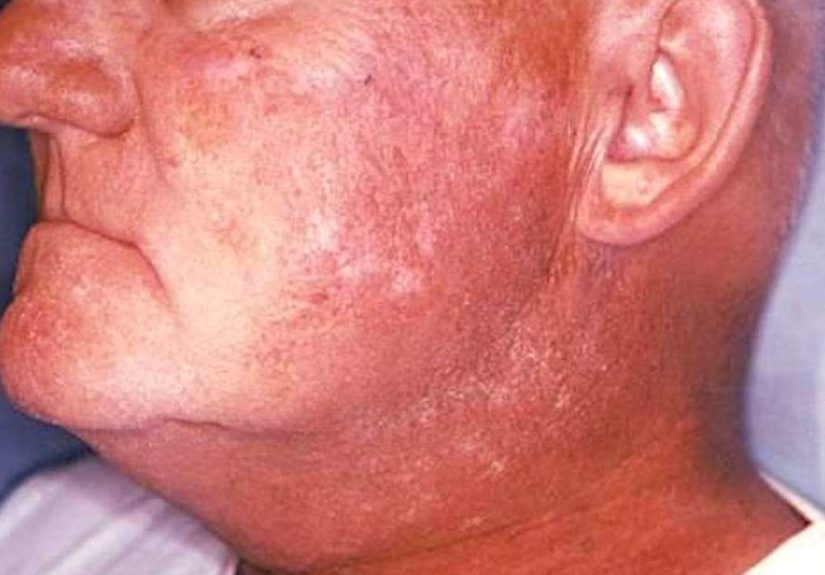
Radiation dermatitis is a common side effect for patients undergoing radiation therapy, especially those being treated for cancer. The skin, being the largest organ in the body, is highly sensitive to the damaging effects of radiation. This condition can range from mild redness to severe blistering and peeling. Understanding the symptoms, treatment options, and preventive measures is crucial for managing radiation dermatitis and ensuring a smoother recovery process for patients.
What is Radiation Dermatitis?
Radiation dermatitis, also known as radiation-induced skin reactions, occurs when the skin is exposed to ionizing radiation during cancer treatments. It is a direct response of the skin to the radiation, typically appearing in areas where the radiation was directed. The skin can react to radiation in different ways depending on the dose, the area of the body treated, and the duration of exposure.
Most commonly, radiation dermatitis develops 2 to 3 weeks after the start of radiation therapy, although it can occur sooner or later. The severity of the condition varies from person to person. Some may only experience mild redness, while others may suffer from intense pain, ulcers, or skin necrosis.
Symptoms of Radiation Dermatitis
The symptoms of radiation dermatitis can vary, but they typically follow a predictable progression:
- Redness and Inflammation: Early symptoms include redness, itching, and swelling of the affected area. This is usually the first sign that the skin is reacting to radiation.
- Dry, Flaky Skin: As the condition progresses, the skin may become dry and begin to flake. This is often accompanied by a sensation of tightness or discomfort.
- Peeling and Blistering: In more severe cases, the skin may peel or form blisters. These blisters can be painful and may eventually break open, leading to sores.
- Ulceration and Necrosis: In the most severe cases, the skin can become ulcerated or necrotic. This stage of radiation dermatitis is characterized by deep, open wounds that are at risk for infection.
Treatment for Radiation Dermatitis
The treatment of radiation dermatitis depends on the severity of the skin reaction. Mild cases may resolve on their own with proper skin care, while more severe cases may require medical intervention. Here are the most common treatment options:
1. Skin Care and Moisturization
For mild cases of radiation dermatitis, keeping the skin moisturized is essential. Patients should use non-scented, hypoallergenic moisturizers to keep the skin hydrated and prevent dryness and cracking. Petroleum jelly or Aquaphor are often recommended, as they help seal in moisture and protect the skin from further damage.
2. Topical Steroids
Topical corticosteroids may be prescribed for moderate to severe cases of radiation dermatitis. These steroids reduce inflammation and help alleviate symptoms like redness and swelling. However, they should only be used under the guidance of a healthcare provider, as improper use can cause further skin irritation or thinning.
3. Antibiotics for Infected Skin
If the skin becomes infected due to open sores or blisters, antibiotics may be necessary to prevent or treat bacterial infections. In some cases, topical antibiotics like Neosporin are used, while more severe infections may require oral antibiotics.
4. Dressings and Bandages
For severe cases of radiation dermatitis, especially those involving blisters or ulcers, dressings and bandages may be applied to protect the affected area. These dressings can help reduce pain, prevent infection, and promote healing. Specialized hydrocolloid dressings are often used, as they provide a moist environment conducive to healing.
5. Pain Management
For patients experiencing significant discomfort or pain from radiation dermatitis, pain relief may be necessary. Over-the-counter pain relievers like acetaminophen or ibuprofen may be helpful for mild pain. For more severe pain, stronger prescription medications may be required.
Prevention of Radiation Dermatitis
Although it may not be entirely preventable, there are several measures that can be taken to minimize the risk of developing radiation dermatitis:
1. Protective Skin Care
Before starting radiation therapy, patients should be advised on how to protect their skin. This includes moisturizing the skin daily, avoiding harsh soaps or hot water, and wearing loose-fitting, non-irritating clothing. Special care should be taken to avoid direct sun exposure in treated areas, as radiation-treated skin is more sensitive to UV damage.
2. Avoid Scratching or Rubbing the Skin
It’s essential to avoid scratching or rubbing the affected area, as this can exacerbate skin irritation. Patients should also be instructed not to use heating pads or ice packs on the treated area, as extreme temperatures can further damage the skin.
3. Hydration and Nutrition
Staying hydrated and eating a balanced diet can support skin health during radiation therapy. Proper nutrition helps the body heal and repair skin damage more effectively. A diet rich in antioxidants, vitamins C and E, and zinc can help promote skin healing.
4. Radiation Therapy Modifications
In some cases, radiation oncologists may modify the patient’s radiation plan to reduce the risk of skin reactions. This might involve adjusting the radiation dose or using a different technique to target the cancer while minimizing skin exposure.
Experiences of Radiation Dermatitis: A Patient’s Perspective
Living with radiation dermatitis can be an emotional and physical challenge for patients undergoing cancer treatment. One patient shared their experience of the condition, saying, “I was warned about radiation burns, but I didn’t realize how uncomfortable it would be. The skin on my chest was so sensitive, I couldn’t even wear a shirt without it hurting. The moisturizers helped a lot, but the blisters made me feel like I couldn’t even go outside. My oncologist gave me great advice on how to manage it, and over time, the skin healed.” Many patients express feelings of frustration, especially when radiation dermatitis disrupts their daily activities. But with proper care and treatment, recovery is possible, and the symptoms often subside once radiation therapy is completed.
Another patient remarked, “It’s hard to explain to people how painful and exhausting radiation dermatitis can be. But once I started using the recommended ointments and following the skin care routine, the pain eased up, and I could start focusing on recovery instead of just trying to manage the skin reactions.” It’s evident that radiation dermatitis is a condition that can be managed with patience, support from healthcare professionals, and proper self-care practices.
Conclusion
Radiation dermatitis is a common but manageable side effect of radiation therapy. By recognizing the symptoms early and following appropriate treatment guidelines, patients can minimize discomfort and prevent more severe reactions. Effective prevention strategies, such as proper skin care, hydration, and dietary adjustments, can also play a crucial role in managing radiation dermatitis. As always, it’s essential for patients to work closely with their healthcare team to address skin issues promptly and prevent complications.