Table of Contents >> Show >> Hide
- What Diet Can (and Can’t) Do for AFib
- The Big Pattern: Mediterranean-Style Meets DASH
- Picture-Perfect Foods for AFib: A “Gallery” You Can Eat
- Foods That Often Help: The “Yes, More of This” List
- Foods and Drinks to Watch: The “Potential Trigger” Zone
- Medication + Food: Two Important Conversations to Have
- A Simple AFib-Friendly Day of Eating (Realistic Edition)
- Grocery-Store Shortcuts That Actually Work
- How to Find Your Triggers Without Going Full Detective Mode
- Frequently Asked Questions
- Conclusion: Build a Calmer Rhythm One Plate at a Time
- Experiences That Make the AFib Diet Feel Real (and Doable)
- SEO Tags
Your heart is an incredible drummer. With atrial fibrillation (AFib), it sometimes improvises a little too hardless “steady backbeat,” more “free jazz
solo at 3 a.m.” While food can’t magically “cure” AFib (sorry, kale), what you eat can meaningfully support the things that often travel with AFib:
blood pressure, cholesterol, weight, inflammation, blood sugar swings, sleep quality, and those sneaky triggers like alcohol or mega-caffeine.
This guide is a “picture book” for your plate: vivid food ideas, simple swaps, and real-life strategiesso you’re not standing in the kitchen Googling
“is pizza a heart-healthy vegetable” (we’ve all been there).
Important: If you take blood thinners or heart rhythm medicines, some foods and drinks can affect them. Don’t overhaul your diet without checking with your clinician.
What Diet Can (and Can’t) Do for AFib
Think of an AFib-friendly diet as risk-factor coaching, not a replacement for medical care. A smart eating pattern can:
- Support healthy blood pressure (less strain on the heart).
- Improve cholesterol and overall heart health.
- Help with weight management (a big deal for AFib burden in many people).
- Reduce big blood-sugar spikes that can leave your body stressed and inflamed.
- Lower the odds of “trigger stacks” (like dehydration + alcohol + salty food + bad sleep = drum solo).
What it usually can’t do alone: replace anticoagulants when needed, reverse structural heart issues, or guarantee you’ll never have another episode.
But it can make your body a friendlier environment for a calm rhythm.
The Big Pattern: Mediterranean-Style Meets DASH
If AFib had a favorite genre of eating, it would likely be “Mediterranean/DASH fusion.” In plain English:
plants everywhere, fiber as a daily habit, healthy fats, less sodium, and fewer ultra-processed foods.
Your Plate Snapshot
- Half the plate: vegetables and fruit (the color wheel is your friend).
- One quarter: whole grains (oats, quinoa, brown rice, whole wheat, barley).
- One quarter: lean protein (fish, beans, lentils, tofu, poultry; red meat less often).
- Fats: mostly unsaturated (olive oil, nuts, seeds, avocado).
- Salt: less “sprinkle,” more “think.”
Picture-Perfect Foods for AFib: A “Gallery” You Can Eat
Below are “picture prompts” you can turn into real photos for your post (or just use them as mental snapshots while meal-planning).
Each one highlights a heart-friendly theme: fiber, omega-3 fats, potassium-rich produce, and lower sodium.


Foods That Often Help: The “Yes, More of This” List
1) Vegetables and Fruit (Especially the Fiber-Rich Ones)
Fiber supports cholesterol, blood pressure, and blood sugar. Aim for variety: leafy greens, cruciferous veggies (broccoli, cauliflower),
tomatoes, peppers, berries, oranges, apples, and pears. If you’re on warfarin, you usually don’t need to fear greensconsistency matters more than avoidance.
2) Fatty Fish and Other Lean Proteins
Fish like salmon, sardines, trout, and mackerel provide omega-3 fats. If fish isn’t your thing, beans, lentils, tofu, and skinless poultry are excellent.
The goal is less saturated fat and more nutrient density.
3) Whole Grains
Choose oats, quinoa, brown rice, whole wheat pasta, and barley. Whole grains bring fiber and minerals and tend to be more filling than refined grains.
Translation: fewer “I’m hungry again in 27 minutes” moments.
4) Nuts, Seeds, and Olive Oil
These help you swap out less helpful fats. A small handful of unsalted nuts, a spoon of ground flax, or olive oil in a simple dressing can upgrade meals fast.
Portion mattersnuts are small but mighty (and calorie-dense).
5) Potassium- and Magnesium-Rich Foods (With a Medical Note)
Many people associate electrolytes with rhythm and heart function. Foods like bananas, beans, leafy greens, sweet potatoes, and yogurt contribute potassium and magnesium.
But if you have kidney disease or take certain medications, your potassium goals may be differentso verify with your clinician.
Foods and Drinks to Watch: The “Potential Trigger” Zone
Not everyone has the same AFib triggers. Some people can drink coffee daily and feel fine; others can feel palpitations after half a cup.
The smartest approach is a gentle experiment: track what you eat and how you feel (especially if your clinician recommends a food diary).
1) Alcohol
Alcohol is a common AFib troublemaker. For some, “just one” can still be a trigger; for others, episodes cluster around heavier drinking.
If your goal is fewer episodes, lowering alcoholsometimes to near-zerooften helps.
2) Caffeine and Energy Drinks
Moderate caffeine is tolerated by many people, but AFib is personal. Energy drinks are a bigger concern because they can stack stimulants, sugar, and additives.
If you notice symptoms, try reducing caffeine, switching to half-caf, or keeping intake earlier in the day.
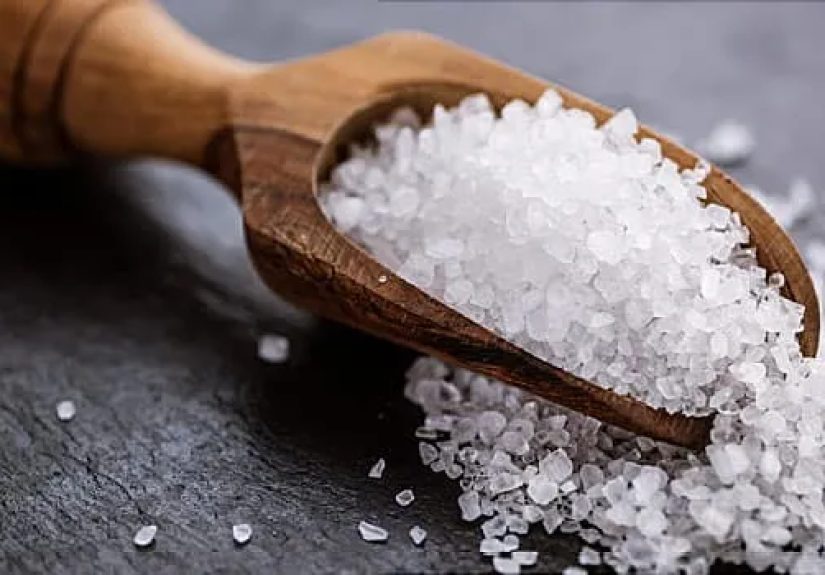
3) High-Sodium, Ultra-Processed Foods
Sodium can push blood pressure upward and encourage fluid shifts. Common culprits: fast food, deli meats, packaged soups, instant noodles, salty snacks,
and “restaurant portion” sauces. Your taste buds can adapt over a few weekspromise.
4) Added Sugar and Refined Carbs
Big sugar spikes can leave you feeling jittery and drained. Watch sweet drinks, pastries, candy, and “healthy” snack bars that are basically dessert in activewear.
Try fruit + nuts, yogurt + berries, or popcorn with herbs as swaps.
5) Heavy, Late Meals (For Some People)
A huge meal right before bed can worsen reflux, disrupt sleep, and leave your body working overtime. If nighttime episodes happen, try a lighter dinner
and move your last big meal earlier.
Medication + Food: Two Important Conversations to Have
Warfarin and Vitamin K: Consistency Beats Fear
If you take warfarin, vitamin K intake can affect how it works. The key message many clinicians emphasize is steady intakedon’t suddenly
go from “no greens ever” to “kale smoothie cleanse.” A consistent pattern helps keep your clotting levels stable.
If you take a different anticoagulant, the vitamin K issue may not apply the same waybut you should still check, because individual situations vary.
Grapefruit and Certain Heart Meds
Grapefruit can interact with some medications (including certain rhythm or cholesterol drugs) by changing how your body processes them.
Don’t panicjust ask your pharmacist or clinician whether grapefruit is a “yes,” “no,” or “sometimes” for your specific prescription list.
A Simple AFib-Friendly Day of Eating (Realistic Edition)
Breakfast
- Oatmeal cooked with milk or fortified plant milk
- Top with berries + chopped walnuts
- Coffee or tea: keep it moderate and see how you feel
Lunch
- Big salad with mixed greens (consistent portions if on warfarin), tomatoes, cucumber, beans or chicken
- Olive oil + lemon + herbs dressing
- Side of fruit
Snack
- Greek yogurt + sliced fruit or carrots + hummus
Dinner
- Sheet-pan salmon (or tofu) + roasted vegetables
- Small portion of brown rice or quinoa
- Water or sparkling water with citrus
If You Want Dessert
- Dark chocolate square + strawberries, or baked apple with cinnamon
Grocery-Store Shortcuts That Actually Work
- Frozen vegetables (plain): fast, cheap, and just as legit as fresh.
- Low-sodium beans or rinse canned beans to reduce sodium.
- Rotisserie chicken: helpful, but watch sodiumpair with unsalted sides.
- “Sauce audit”: bottled sauces can be sodium bombs. Use half, dilute, or make quick versions with olive oil + acid + herbs.
- Label rule of thumb: if sodium looks like a phone number, it’s probably too high.
How to Find Your Triggers Without Going Full Detective Mode
You don’t need a corkboard with red string (unless you enjoy that aesthetic). Try this instead:
- Track 7–14 days: meals, caffeine/alcohol, sleep, stress, hydration, and symptoms.
- Look for patterns: not one-off events.
- Change one variable at a time: e.g., reduce alcohol first, then evaluate caffeine.
- Bring notes to appointments: clinicians love usable data.
Many people find that a few targeted tweaks beat an exhausting “perfect diet” that lasts 11 days and ends in resentment.
Frequently Asked Questions
Is there one “best” diet for AFib?
There’s no single AFib-only diet, but Mediterranean-style and DASH-style patterns are widely used to support heart health and blood pressure,
which matter a lot for many people with AFib.
Do I have to cut out coffee?
Not necessarily. Some people tolerate moderate caffeine. If you notice palpitations after caffeine, try reducing the dose, switching to half-caf,
or avoiding energy drinks.
If I’m on warfarin, should I avoid leafy greens?
Often, the goal is consistent vitamin K intakenot total avoidance. Your care team can guide you based on your labs and usual eating pattern.
What’s the #1 diet change that helps most people?
If we had to pick a “highest impact” habit, it’s usually reducing ultra-processed foods and sodium while increasing fiber-rich plants.
For episode triggers specifically, alcohol reduction is a big one for many people.
Experiences That Make the AFib Diet Feel Real (and Doable)
The hardest part of eating for AFib usually isn’t learning what “healthy” means. It’s living with it on Tuesday, when you’re tired, hungry,
and your brain is bargaining like a tiny courtroom lawyer: “Your honor, nachos are technically a corn-based vegetable.” People who do well long-term
tend to build a few practical routinesand they’re rarely glamorous.
One common story goes like this: someone gets diagnosed, panics, and tries to become a brand-new person overnight. They buy chia seeds, kale,
and a blender that costs more than their first car. Two weeks later, they’re exhausted and annoyed and mysteriously surrounded by half-used bags of spinach.
Then they discover the secret weapon: repeatable meals. Not “perfect” mealsrepeatable ones. Oatmeal three mornings a week.
A big salad kit with added beans twice a week. Sheet-pan fish on Sundays. Suddenly, healthy eating stops being a daily decision marathon.
Another experience people mention is the “trigger puzzle.” Someone swears coffee is the villain… until they notice the real pattern is
coffee + poor sleep + dehydration. Or alcohol + salty dinner. Or stress + late heavy meal. The lesson isn’t that you must
fear every fun thing. It’s that triggers often travel in groups, like friends who all show up uninvited. When people keep a simple diary for a week or two,
they sometimes realize they don’t need to ban caffeine entirelythey just need to stop stacking it on top of a rough night and an empty water bottle.
If you take warfarin, the vitamin K conversation is its own emotional journey. Some folks hear “greens affect your medication” and interpret it as
“salad is illegal now.” That can lead to a sad, beige diet and a lot of unnecessary stress. Many people feel relief when they learn the more useful principle:
consistency. The goal is often to eat a stable amount of vitamin K week to week, not to live in fear of broccoli. Once that clicks,
meals get more colorful againand the person’s relationship with food improves, which matters for sustainability.
People also talk about “restaurant reality.” Eating out can feel like stepping into a sodium theme park. A practical approach many use:
pick one restaurant meal to “lighten” rather than trying to optimize everything. Ask for sauces on the side, choose grilled over fried, add a veggie,
split an entrée, or box half immediately. It’s not about never eating outit’s about reducing the frequency of those high-sodium, high-saturated-fat
meals that leave you feeling puffy, thirsty, and off your game.
Finally, there’s the confidence factor. After a few weeks of consistent, heart-friendly meals, many people notice they have more stable energy and fewer
“crash-and-crave” cycles. That doesn’t mean symptoms vanish for everyone. But it can make AFib management feel less like random chaos and more like
something you can influence. And honestly? That sense of control can be just as nourishing as the salmon.