Table of Contents >> Show >> Hide
- What Are PHAs, Exactly?
- What PHAs Do for Skin (Beyond the Hype)
- PHAs vs. AHAs vs. BHAs: Which One Fits Your Skin Goals?
- Who Should Try PHAs?
- How to Use PHAs Without Making Your Skin Mad
- Can You Mix PHAs with Other Skincare Ingredients?
- What Results Can You Expect (and How Fast)?
- Common Myths About PHAs (Busted, Gently)
- Shopping Tips: How to Choose a PHA Product That Makes Sense
- When to Stop (and When to Get Professional Help)
- Real-World Experiences With PHAs (About of What People Commonly Notice)
- Conclusion: So… Are PHAs Worth It?
Skincare trends come and go faster than your motivation on leg day. One week it’s slugging, the next it’s
“skin cycling,” and suddenly your bathroom looks like a chemistry lab with better lighting. Enter:
PHAsthe “gentle acids” getting buzz as a kinder, calmer alternative to the usual exfoliating suspects.
But are polyhydroxy acids actually worth the hype, or are they just AHAs wearing a softer sweater?
Let’s unpack what PHAs do, who they’re best for, how to use them without accidentally making your face feel
like a toasty tortilla, and how they compare to AHAs and BHAs.
What Are PHAs, Exactly?
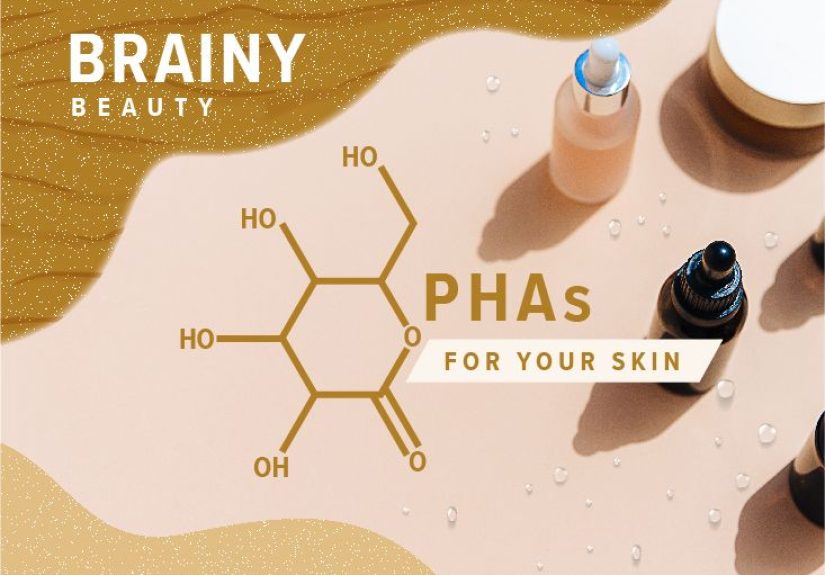
PHA stands for polyhydroxy acid. Like AHAs (alpha hydroxy acids) and BHAs (beta hydroxy acids),
PHAs are chemical exfoliantsingredients that help remove built-up dead skin cells so your skin looks smoother,
brighter, and more even.
The PHA “Big Three” You’ll See on Labels
- Gluconolactone (a common, beginner-friendly PHA)
- Lactobionic acid (a PHA often praised for being extra gentle and hydrating)
- Galactose or galactose-derived acids (less common, but shows up in some formulas)
The big reason PHAs get called “gentle” is that, compared with many AHAs, they tend to have a
larger molecular structure. Translation: they generally don’t travel as deeply into skin as fast, so the experience
is often less stingy and more “oh… that’s it?” than “why is my face spicy?”
What PHAs Do for Skin (Beyond the Hype)
1) Gentle exfoliation that smooths texture
PHAs help loosen the “glue” holding dead cells to the surface. When those cells lift away, skin can look
more even and feel less roughespecially if you deal with dullness, flaky patches, or little bumps.
2) Hydration support (yes, while exfoliating)
One of the most interesting things about PHAs is that they can be more than exfoliants. Many PHA molecules
also have humectant-like behavior, meaning they help attract and hold onto waterso the formula can feel
less drying than some stronger acids.
3) Antioxidant benefits
Several reputable skincare sources note that PHAs can provide antioxidant support, which matters because
daily life throws a lot at skin (sun exposure, pollution, stress, that “I forgot to drink water today” era).
Antioxidants don’t replace sunscreen, but they can be a nice supporting player.
4) A “friendlier” option for sensitive-looking skin
If your skin tends to get red, tight, or cranky with typical acids, PHAs are often suggested as a gentler
starting point. That doesn’t mean they’re impossible to overdo (more on that soon), but they’re frequently
positioned as a lower-drama exfoliation option.
PHAs vs. AHAs vs. BHAs: Which One Fits Your Skin Goals?
PHAs: the gentle surface refiner
PHAs are usually best if your goals are softness, mild glow, smoother texture, and you want to keep irritation risk
lowerespecially if you’re new to chemical exfoliation or your barrier is easily annoyed.
AHAs: the “brightening and smoothing” classic
AHAs like glycolic acid and lactic acid are well-known for improving dullness and uneven texture. Because many AHAs
are smaller molecules, they can feel strongerand for some people that means faster results, but also a higher chance
of tingling, dryness, or irritation if you go too hard too fast.
BHAs: the oil-and-pore specialist
BHAs (mainly salicylic acid in skincare) are oil-soluble, so they’re often chosen for clogged pores, blackheads,
and oily skin patterns. They can be greatbut they can also be drying if overused or paired with too many other actives.
Quick cheat sheet
- Dry or sensitive: PHAs (often) or gentler AHAs like lactic acid
- Rough texture + dullness: PHAs or AHAs (depending on tolerance)
- Clogged pores + oil: BHAs, possibly combined with barrier-supporting ingredients
- New to exfoliation: PHAs can be a calmer on-ramp
Who Should Try PHAs?
PHAs are often recommended for people who want the benefits of chemical exfoliation without signing up for
the “my face is peeling in public” experience.
PHAs may be a good match if you…
- Have sensitive or easily irritated skin
- Get dryness or tightness after exfoliating
- Are starting chemical exfoliation for the first time
- Want a “maintenance” exfoliant you can use more consistently
- Prefer glow that builds gradually instead of overnight drama
Be extra cautious if you…
- Have a compromised skin barrier (burning, stinging with bland moisturizers, cracking)
- Are using prescription acne treatments, strong retinoids, or doing multiple exfoliating steps
- Have a skin condition like eczema or rosacea (PHAs may be better tolerated, but check with a clinician)
- Recently had a professional peel, laser, or waxing on the area
Gentle doesn’t mean “risk-free.” PHAs can still irritate if you overuse them or stack them with too many other actives.
How to Use PHAs Without Making Your Skin Mad
Step 1: Start slower than you think you need to
If you’re new (or sensitive), begin with 1–2 nights per week and see how your skin behaves for at least two weeks.
If everything feels calm, you can increase frequency. Many people never need daily exfoliation to see benefits.
Step 2: Pick the right format
- Cleanser (wash-off): gentlest entry point
- Toner / essence: light, easy layering, often mild
- Serum: more targeted, typically stronger than toners
- Pads: convenient, but can tempt you into over-swiping (be gentle)
- Cream: great for dry skin; can pair exfoliation with moisture
Step 3: Keep the routine simple on PHA nights
A safe, beginner-friendly routine looks like this:
- Gentle cleanse
- PHA product (thin layer; follow label directions)
- Moisturizer (ideally with ceramides, glycerin, or other barrier helpers)
Step 4: Sunscreen is not optional
Exfoliation can make skin more vulnerable to UV damagesometimes by removing surface cells and sometimes by revealing
fresher skin underneath. Even if PHAs are often described as less likely to cause sun sensitivity than stronger acids,
you should still wear broad-spectrum SPF 30+ daily when using any exfoliant. Your future self will send you a thank-you note.
Can You Mix PHAs with Other Skincare Ingredients?
This is where people get into troublenot because they used a PHA, but because they treated their face like a mixing board
at a DJ set: “Now let’s drop retinol, vitamin C, exfoliating toner, and a peel maskLET’S GOOOO.”
Usually compatible (and often helpful)
- Hyaluronic acid and glycerin (hydration support)
- Niacinamide (barrier and tone support)
- Ceramides and fatty acids (barrier repair team)
- Gentle moisturizers (always a good idea)
Use caution with these combos
- Retinoids + acids (can be irritating when layered together for many people)
- Benzoyl peroxide + multiple actives (irritation risk goes up)
- Multiple exfoliants (AHA + BHA + PHA in separate layers is how “over-exfoliation” happens)
If you want multiple actives, consider alternating nights (for example: PHA on one night, retinoid on another) instead of layering.
Your skin barrier doesn’t need you to be brave. It needs you to be consistent.
What Results Can You Expect (and How Fast)?
PHAs are not usually a “wake up glass-skin tomorrow” ingredient. They’re more like a steady friend who shows up on time
and doesn’t borrow money.
Typical changes people notice
- Within 1–2 weeks: smoother feel, less flaky texture (especially if dryness was from buildup)
- Within 3–6 weeks: brighter look, makeup sits better, mild improvement in uneven tone
- Over 8–12 weeks: more consistent glow and refined texture (especially with sunscreen and moisturizer)
Results depend on your baseline skin, how often you use the product, and whether you’re supporting your barrier with hydration and SPF.
If you overdo it, your “results” may become redness and regretso slow is fast here.
Common Myths About PHAs (Busted, Gently)
Myth: “PHAs don’t exfoliate because they’re too gentle.”
They exfoliate. They’re just often less aggressive than certain AHAs. For many people, that’s the whole pointconsistent, tolerable use.
Myth: “If it doesn’t sting, it’s not working.”
Stinging is not a success metric. It’s a warning light. Plenty of effective skincare works quietly.
Myth: “PHAs mean I can skip sunscreen.”
Nope. Exfoliation + UV exposure is not a cute combo. Wear sunscreen.
Myth: “I can use PHAs every day because they’re gentle.”
Some people can. Some people absolutely cannot. The best schedule is the one your skin tolerates without dryness, burning, or persistent redness.
Shopping Tips: How to Choose a PHA Product That Makes Sense
Check the ingredient list for the actual PHA
Look for gluconolactone or lactobionic acid. If the product screams “PHA!” but the ingredient list doesn’t back it up,
that’s marketing doing cardio.
Consider your skin type first
- Dry/sensitive: PHA creams or hydrating toners can feel comfortable
- Combo: PHA serum a few nights weekly is a common sweet spot
- Oily/clog-prone: you may still prefer BHA for pores, but PHA can help texture without extra dryness
Avoid “mystery peels” and extreme strengths
Stick to reputable brands and clearly labeled directions. High-concentration acid products sold online can be risky if misused,
and dermatologists routinely warn against DIY-style “peel experiments.”
When to Stop (and When to Get Professional Help)
Stop using the product and simplify your routine if you notice:
- Burning that lasts beyond application
- New persistent redness
- Peeling, cracking, or raw-feeling patches
- Stinging when applying bland moisturizer
If symptoms are intense, don’t improve after a few days, or you have an existing skin condition,
it’s smart to check in with a dermatologist or qualified clinician. Skincare should improve your life, not become a full-time crisis.
Real-World Experiences With PHAs (About of What People Commonly Notice)
If you hang around skincare forums, dermatologist Q&As, or even the group chat where everyone’s suddenly an esthetician,
you’ll notice a pattern: people often describe PHAs as the exfoliant that finally lets them participate in the “acid life”
without feeling like they made a terrible decision at 1 a.m.
A common first impression is how non-eventful a PHA can feel. With stronger AHAs, some users expect tingling, a bit of warmth,
or that “I can feel it working” sensation. With a PHA toner or serum, many people report the opposite: it feels like skincare…
and then they worry it’s doing nothing. But after a week or two, they start noticing subtle winsfoundation sitting smoother,
less flaky texture around the nose, and that “my skin looks more awake” vibe in the mirror.
Another frequent experience is that PHAs play well with dryness-prone routines. People who previously avoided exfoliation because it
triggered tightness often find a PHA formula easier to keep using consistentlyespecially when it’s paired with a rich moisturizer.
That consistency matters. Skin improvements often come from what you can tolerate long enough to benefit from, not what looks most intense on the label.
Some users also mention PHAs helping them “reset” after overdoing other actives. Picture this: they used a strong exfoliant too often,
their barrier got irritated, and they hit pause. Once their skin calmed down, they returned to exfoliation with PHAs as the gentler re-entry point.
The key detail in these stories is timing: PHAs aren’t a rescue treatment for an active irritation flare, but they can be a more comfortable
option when you’re back to baseline and want to avoid repeating the same mistake.
There’s also a group of people who treat PHAs like a “maintenance acid.” They might use a BHA occasionally for clogged pores,
or a mild retinoid on alternate nights, but keep a PHA product in the routine because it delivers steady smoothing without demanding a recovery week.
In these experiences, the magic isn’t instant transformationit’s the lack of backlash. No mystery peeling. No sudden redness.
Just gradual texture refinement that shows up most clearly when they stop using it and realize their skin feels rougher again.
Of course, not everyone has a perfect story. Some people still get irritation, especially if they stack PHAs with other exfoliants,
rub too hard with pre-soaked pads, or start using the product nightly on day one. The most relatable “PHA lesson” people share is that
gentle ingredients still require gentle habits: fewer actives per night, more moisturizer, and sunscreen every morning.
Conclusion: So… Are PHAs Worth It?
The hype has a solid foundation: PHAs are real exfoliants, and they often deliver smoother texture and a brighter look with a
lower chance of irritation than stronger acidsespecially when used thoughtfully. They’re not the most intense option, but they’re frequently the
most livable one, which is a wildly underrated skincare superpower.
If you want a glow that builds without chaos, PHAs are a smart place to start. Go slow, moisturize like it’s your job, and treat sunscreen as your
non-negotiable daily uniform.