Table of Contents >> Show >> Hide
- What Are Pecan Tassies?
- Why This Pecan Tassies Recipe Works
- Ingredients for the Best Pecan Tassies
- Step-by-Step Pecan Tassies Recipe
- Flavor, Texture, and Ratio: What to Aim For
- Advanced Tips for Bakery-Style Results
- Common Problems and Easy Fixes
- Delicious Variations
- Make-Ahead, Storage, and Freezing
- Serving Ideas (Because Presentation Matters)
- Food Safety Note You Shouldn’t Skip
- FAQ: Pecan Tassies Recipe
- 500-Word Experience Section: Real-World Pecan Tassies Stories from Home Kitchens
- Final Thoughts
If pecan pie and a holiday cookie had a very charming, very buttery baby, you’d get pecan tassies. These little two-bite treats bring all the classic Southern dessert vibescaramelized pecans, brown sugar sweetness, and a tender crustwithout the stress of rolling one giant pie. They’re party-friendly, freezer-friendly, and dangerously poppable.
This guide gives you a reliable, in-depth pecan tassies recipe with pro-level tips, common mistakes to avoid, make-ahead strategies, and easy flavor twists. Whether you are baking for Thanksgiving, Christmas cookie trays, or a random Tuesday that needs a little joy, this recipe has your back.
What Are Pecan Tassies?
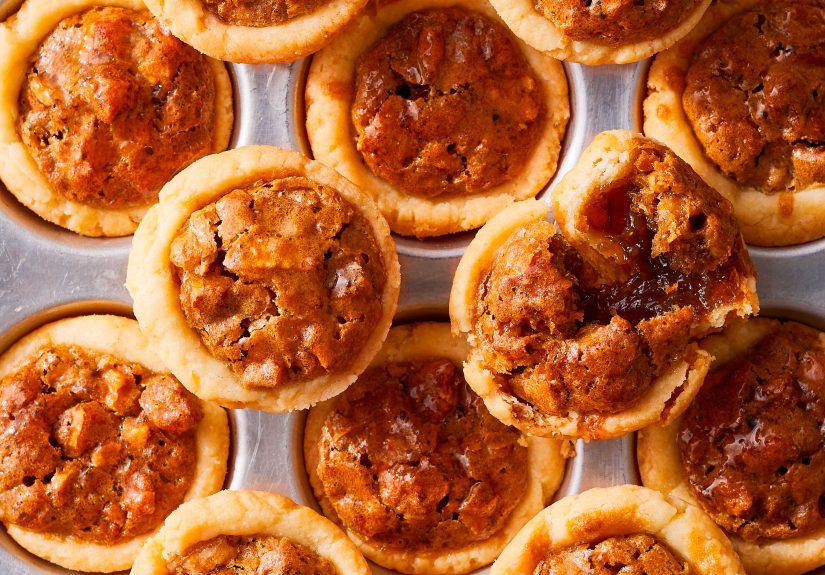
Pecan tassies are mini pastry cups filled with pecan pie-style filling. Think of them as mini pecan pies with a soft, rich, often cream-cheese-based crust pressed into mini muffin tins. They’re usually baked until the filling is glossy and set, with crisp edges and a gooey center.
The word “tassie” comes from a Scottish term related to a small cup, which makes perfect sense once you see them: tiny cups of joy. Also, tiny desserts are scientifically proven to disappear faster at parties. (Okay, maybe not scientificallybut definitely socially.)
Why This Pecan Tassies Recipe Works
- Cream cheese crust: Tender, lightly tangy, and easy to pressno rolling pin drama.
- Balanced sweetness: Brown sugar and maple notes make the filling rich, not cloying.
- Toasted pecans: Bigger pecan flavor and better aroma.
- Mini muffin method: Consistent shape, easy release, and great for batch baking.
- Make-ahead friendly: Dough and baked tassies both store beautifully.
Ingredients for the Best Pecan Tassies
For the Crust
- 1/2 cup unsalted butter, softened
- 3 oz cream cheese, softened
- 1 cup all-purpose flour
- Pinch of kosher salt
- (Optional) 2 tablespoons finely ground toasted pecans for extra nutty flavor
For the Filling
- 1 large egg, room temperature
- 3/4 cup packed light or dark brown sugar
- 1 tablespoon unsalted butter, melted
- 1 to 2 tablespoons maple syrup (optional but excellent)
- 1 teaspoon pure vanilla extract
- Pinch of salt
- 2/3 cup finely chopped pecans (preferably toasted)
- (Optional) 1 to 2 teaspoons bourbon
- (Optional garnish) 24 pecan halves
Tools You’ll Want
- 24-cup mini muffin pan
- Hand mixer or stand mixer
- Small cookie scoop or tablespoon
- Tassie tamper, spoon handle, or clean shot glass for pressing dough
- Cooling rack
Step-by-Step Pecan Tassies Recipe
Step 1: Make the Dough
In a medium bowl, beat softened butter and cream cheese until smooth and fluffy. Add flour, salt, and optional ground pecans. Mix just until combined and a soft dough forms. Do not overmixoverworking can make crusts tougher and more likely to shrink.
Step 2: Chill
Cover and chill for 45 to 60 minutes. Chilling makes the dough easier to portion and helps the crust hold shape during baking.
Step 3: Portion and Press
Lightly grease a mini muffin pan. Divide dough into 24 equal balls (about 1 tablespoon each). Place one ball in each cup. Press dough across the bottom and up the sides to form a shell. Keep the shell walls even in thickness and create a reasonably deep center well.
Pro move: Dip your tamper or spoon handle in flour so it doesn’t stick to dough.
Step 4: Chill Again (Quick Freeze)
Pop the shaped shells into the freezer for 10 to 15 minutes while you make filling. This tiny pause improves structure and reduces slumping.
Step 5: Make the Filling
In a bowl, whisk egg, brown sugar, melted butter, maple syrup (if using), vanilla, and salt until smooth and glossy. Stir in chopped pecans.
Step 6: Fill Smartly
Spoon filling into shells, about 1/2 to 3/4 teaspoon to start, then adjust. Fill nearly to the top but not overflowing. If using pecan halves, place one on each tassie.
Step 7: Bake
Bake at 350°F (175°C) for 20 to 24 minutes, or until crust edges are golden and filling is puffed and just set. Ovens vary; check at minute 18.
Step 8: Cool and Unmold
Let cool in the pan 5 to 10 minutes, then gently loosen and transfer to a rack. If sugar bubbled over and glued a few edges, run a thin paring knife around each cup while still warm.
Flavor, Texture, and Ratio: What to Aim For
A great pecan tassie should hit three marks:
- Crust: Tender, not bread-like; delicate but sturdy enough to hold filling.
- Filling: Gooey but set; sweet but not one-note sugary.
- Balance: Enough pecans to taste nutty in every bite, not syrup-only.
If yours taste too sweet, add an extra pinch of salt and/or lean into toasted pecans. If the crust feels heavy, handle dough less and avoid adding extra flour while pressing.
Advanced Tips for Bakery-Style Results
1) Toast Pecans First
Toast chopped pecans on a sheet pan at 350°F for 6 to 8 minutes until fragrant. Cool before mixing into filling. This deepens flavor and gives a richer “holiday kitchen” aroma.
2) Keep Dough Cool, Not Frozen Solid
Cold dough is easy to shape and bakes cleaner. But if it becomes rock-hard, edges may crack while pressing. Let it sit a few minutes to soften slightly.
3) Stir Filling During Portioning
Pecans sink. Give filling a quick stir every 4 to 6 cups so each tassie gets a good nut-to-syrup ratio.
4) Don’t Overbake
The filling should still look a little glossy when you pull the pan. It will finish setting as it cools.
5) Use Salt Intentionally
Sweet recipes shine with enough salt. A pinch in crust and filling creates depth and prevents “flat sugar” flavor.
Common Problems and Easy Fixes
Problem: Filling Overflowed
Fix: Make deeper wells and use slightly less filling per cup. Chill shells before filling. Keep muffin pan level in the oven.
Problem: Tassies Stuck to Pan
Fix: Grease pan well and remove tassies while still slightly warm. A thin offset spatula or paring knife helps release cleanly.
Problem: Crust Too Tough
Fix: Mix dough only until combined and avoid extra flour when shaping.
Problem: Cracked Shell Edges
Fix: Dough was too cold or too dry. Warm slightly in your hands and patch cracks before filling.
Problem: Too Sweet
Fix: Use dark brown sugar + extra salt pinch, add bourbon or orange zest, and toast pecans for complexity.
Delicious Variations
- Chocolate-Pecan Tassies: Add mini chocolate chips to the filling.
- Maple-Bourbon Tassies: Increase maple syrup slightly and add bourbon.
- Citrus Pecan Tassies: Add orange zest for brightness.
- Spiced Tassies: Add cinnamon and tiny pinch of nutmeg or allspice.
- Mixed Nut Tassies: Swap some pecans for walnuts or hazelnuts.
Make-Ahead, Storage, and Freezing
Make Ahead
- Dough can be made up to 24 hours ahead and chilled.
- Pressed shells can be chilled in pan for several hours before filling.
- Fully baked tassies are excellent for advance holiday prep.
Storage
Store cooled tassies in an airtight container at room temperature for up to 2 days, or in the refrigerator for up to 5 days. Bring to room temperature before serving for best texture.
Freezing
Freeze baked tassies in single layers (or between parchment) for up to 2 months. Thaw overnight in the refrigerator. Refresh in a low oven (about 300°F) for 5 to 7 minutes if you want a just-baked feel.
Serving Ideas (Because Presentation Matters)
- Dust lightly with powdered sugar right before serving.
- Add a tiny pinch of flaky salt for sweet-salty contrast.
- Pair with coffee, chai, or bourbon-spiked whipped cream.
- Build a holiday cookie board with tassies as the “fancy but easy” centerpiece.
Food Safety Note You Shouldn’t Skip
Do not taste raw dough or batter that contains uncooked flour and egg. Bake thoroughly, and keep prep surfaces clean. It sounds obvious, but “just one little taste” is where many kitchen regrets begin.
FAQ: Pecan Tassies Recipe
Can I make pecan tassies without cream cheese?
You can, but cream cheese is a key reason the crust stays tender and flavorful. Without it, texture shifts closer to standard pie dough or shortbread.
Can I use a regular muffin pan?
Yes. You’ll get fewer, larger tassies and need a longer bake time. Start checking around 25 minutes.
Do I have to toast pecans?
Nobut you should if you can. Toasting adds major flavor and aroma for very little extra effort.
How many does this recipe make?
Usually 24 mini tassies, depending on shell thickness and filling amount.
Can I ship pecan tassies as gifts?
Yes. Pack in snug, layered containers with parchment between layers. They travel better than many frosted cookies.
500-Word Experience Section: Real-World Pecan Tassies Stories from Home Kitchens
Across home kitchens, pecan tassies have a reputation for being the dessert that disappears before anyone admits they took “just one.” In one family baking tradition, the holiday plan starts with grand intentions: one batch for the cookie exchange, one batch for neighbors, one batch for the house. The reality is simpler: two trays cool on the counter, three relatives “sample” quality control, and suddenly the gift tins look suspiciously empty. The baker learns a key tassie truth in year onealways make extra, then pretend it was your strategy all along.
Another frequent experience is the “mini means easy” illusion. First-time bakers assume tiny pastries will be quicker than pie. They are faster overall, yesbut the shaping step can feel like a tiny assembly line. The good news: by cup eight, technique clicks. By cup twelve, speed doubles. By cup twenty-four, people start saying things like, “I may never roll pie dough again.” Tassies build confidence because they teach crust handling in small, forgiving units. A slightly imperfect cup still tastes great, and by the second batch, results often look bakery-level.
Many bakers report that the biggest breakthrough is learning the value of temperature control. Warm dough sticks. Over-chilled dough cracks. Filling that sits too long separates. Once bakers start working in short chill cyclesmix, chill, press, chill againeverything gets easier. The shells hold shape, the filling behaves, and overflow is less dramatic. This is where tassies quietly teach an advanced baking lesson: precision is mostly rhythm, not perfection.
Flavor experiments are another common experience. Some households stay classic forever: brown sugar, vanilla, pecans, done. Others treat tassies like a tiny test kitchen. One tray gets maple-bourbon, another orange zest, another a few mini chocolate chips. At parties, people vote with their napkins. Traditional versions usually win for broad appeal, but the maple-bourbon batch gets talked about the longest. The baker wins either way.
Storage stories are surprisingly emotional. Home bakers often discover tassies are one of the rare desserts that hold up well for days and freeze beautifully. That makes them a calm-maker during holiday chaos. When schedules are packed, pulling a container of ready-made tassies from the freezer feels like finding twenty-dollar bills in an old coat pocket. Guests arrive, coffee brews, tassies thaw, and suddenly everyone assumes you are wildly organized.
There is also the sentimental side. Pecan tassies are frequently attached to recipe cards with handwritten notes, stained corners, and tiny ingredient edits in the margin. “More vanilla.” “Don’t overfill!!!” “Use the good pecans.” These notes become a family baking language passed between generations. Even when ingredients changemaple instead of corn syrup, a dash of bourbon, extra saltthe spirit stays the same: little pastries, big memory. And if your first batch isn’t perfect, welcome to the club. The second batch is better, the third is excellent, and by the fourth, someone will call and ask, “Are you making those little pecan things again this year?”
Final Thoughts
If you want a holiday dessert that looks impressive, tastes nostalgic, and doesn’t require pie-crust acrobatics, this pecan tassies recipe is the move. Keep the dough cool, toast your pecans, season with a light but intentional hand, and don’t overbake. You’ll get buttery mini pecan pies that are crisp-edged, gooey-centered, and impossible to eat politely in just one bite.
Make one batch for guests, one batch for gifting, and one secret batch labeled “salad” in the fridge. No one checks the salad drawer in December.