Table of Contents >> Show >> Hide
- What Are Peanut Butter Balls (and Why Do People Lose Their Minds Over Them)?
- The Building Blocks: Ingredients That Make (or Break) Peanut Butter Balls
- Classic Peanut Butter Balls Recipe (No-Bake, Chocolate-Coated)
- Chocolate That Behaves: Dipping Tips (Without the Stress Spiral)
- Variations That Still Count as Peanut Butter Balls (and Feel Like Cheating in a Good Way)
- Make-Ahead, Storage, and Freezing
- Serving Ideas: How to Make Them Look Like You Tried Harder Than You Did
- Troubleshooting: When Peanut Butter Balls Get Weird
- Allergy and Safety Notes (Because Peanut Butter Is Not a Team Sport)
- Conclusion: The Tiny Candy That Wins Every Party
- Experiences & Real-World Peanut Butter Ball Wisdom (The Extra )
Peanut butter balls are the tiny, no-bake overachievers of the dessert world: part candy, part truffle, part “I made these in sweatpants and still look impressive.”
They’re creamy, sweet-salty, and usually dressed in a chocolate coat that snaps just enough to make you feel like a professionaluntil you realize you’re licking melted chocolate off a spoon like a raccoon who found a pantry.
In this guide, you’ll learn what makes peanut butter balls actually work (spoiler: texture is everything), how to make a classic batch step-by-step, and how to riff into
buckeyes, crunchy versions, “protein ball” cousins, and holiday-ready gift boxes. You’ll also get storage tips, troubleshooting fixes, and a reality check on chocolate so it behaves.
What Are Peanut Butter Balls (and Why Do People Lose Their Minds Over Them)?
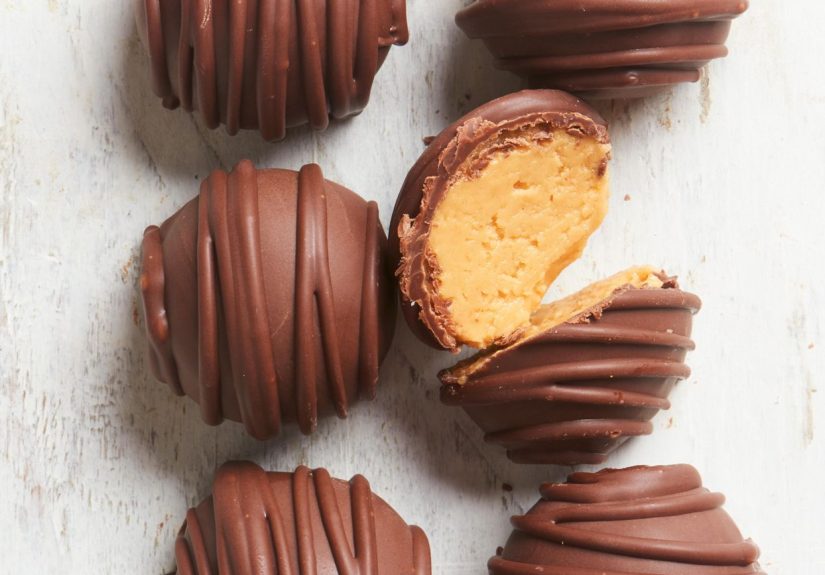
Peanut butter balls are bite-size candies made by mixing peanut butter with sweeteners and binders, rolling the mixture into balls, then chilling and coating them
most commonly in melted chocolate. Think of them as a homemade peanut butter cup, but in a tuxedo.
The “peanut butter ball” universe has a few popular planets:
- Chocolate-covered peanut butter balls: fully coated, truffle-like, and dangerously snackable.
- Buckeyes: the Ohio-famous version where you dip the ball most of the way, leaving a circle of peanut butter showingso it resembles a buckeye nut.
- No-bake energy/protein balls: more snack than candy, often with oats, seeds, and honey or maple syrup.
The Building Blocks: Ingredients That Make (or Break) Peanut Butter Balls
Peanut butter balls are simple, but they’re not “anything goes” simple. The texture is a balancing act between creamy fat, powdered sugar, and something that gives structure.
Here’s what each ingredient does, plus how to choose it.
1) Peanut Butter: The Star (Also the Mood Setter)
For classic no-bake peanut butter balls, mainstream “no-stir” creamy peanut butter tends to behave best because it’s stable and consistent.
Natural peanut butter (the kind with oil on top) can work, but it may make the mixture softer and more temperamentallike a diva who demands a specific dressing-room temperature.
If you want a stronger peanut flavor, consider:
- Using a slightly saltier peanut butter (or adding a pinch of salt).
- Adding a small splash of vanilla extract to round out sweetness.
- Trying crunchy peanut butter for texture (or folding in chopped peanuts).
2) Sweetener: Powdered Sugar Is the Classic MVP
Most traditional recipes use powdered sugar (confectioners’ sugar) because it dissolves easily and firms the filling without grit.
It also helps the balls hold their shape once chilledcritical if you want clean dips and tidy bites.
Want less sweetness? You can reduce it a bit, but do it gradually. Too little powdered sugar and you’ll end up with soft blobs that slide off forks like tiny peanut butter avalanches.
3) Binders & Texture Helpers: Butter, Graham Crumbs, Oats, or Cereal
Traditional “candy-style” peanut butter balls often include butter for richness and better mouthfeel. Some versions use graham cracker crumbs or crispy rice cereal for structure,
which can make rolling easier and add a subtle crunch.
“Snack-style” variations lean on oats, seeds, or flax to create a sturdier chewless truffle, more grab-and-go.
4) Chocolate Coating: The Fancy Jacket
You can coat with melted chocolate chips, chopped baking chocolate, or melting wafers. If you want a shinier finish and cleaner snap, tempering helpsbut it’s optional for most home kitchens.
A common shortcut is adding a tiny bit of neutral oil or shortening to help chocolate dip smoothly.
One more truth: chocolate hates water. Even a little steam can make it seize into a grainy mess. (If it happens, don’t panicthere are fixes below.)
Classic Peanut Butter Balls Recipe (No-Bake, Chocolate-Coated)
This is the crowd-pleasing, holiday-swap, “where did the container go?” classic. It’s creamy like a truffle inside, with a chocolate shell outside.
Expect about 24–30 balls depending on size (and on whether you “taste-test” the dough… repeatedly).
Ingredients
- 1 1/2 cups creamy peanut butter
- 4 tablespoons butter, softened (salted or unsalted)
- 2 to 2 1/2 cups powdered sugar, sifted if lumpy
- 1 teaspoon vanilla extract (optional but recommended)
- Pinch of salt (optional; useful if your peanut butter is unsalted)
- 10 to 12 ounces semisweet chocolate, chopped (or chocolate chips)
- 1 to 2 teaspoons neutral oil or shortening (optional, for smoother dipping)
Step-by-Step Instructions
- Make the filling.
In a bowl, mix peanut butter and softened butter until smooth. Stir in vanilla and salt (if using).
Add powdered sugar gradually, mixing until the dough looks thick and holds together when pressed. - Adjust texture.
If it’s too sticky, add a little more powdered sugar (1–2 tablespoons at a time).
If it’s too dry and crumbly, add 1 teaspoon peanut butter (or a tiny splash of milk) and mix again. - Roll into balls.
Scoop and roll into 1-inch balls. Place them on a parchment-lined baking sheet.
Pro move: keep a damp paper towel nearby to wipe handssticky hands make lumpy balls, and lumpy balls start drama in the chocolate. - Chill until firm.
Refrigerate for at least 30 minutes (or freeze 10–15 minutes) so they’re firm enough to dip without falling apart. - Melt the chocolate.
Microwave in 20–30 second bursts, stirring between rounds, until smooth. If using, stir in the neutral oil/shortening.
Alternatively, melt over a gentle double boilerlow heat, no steam kisses. - Dip and set.
Drop a chilled ball into chocolate and lift with a fork, tapping gently to let excess drip off.
Return to parchment. Repeat. Refrigerate to set.
Quick Notes for Better Results
- Keep the filling cold: work in batches so balls stay firm while dipping.
- Use a mug for dipping: pouring chocolate into a mug keeps it warm and makes dunking easier.
- Size matters: smaller balls set faster and feel more “candy-like.” Bigger balls feel more “truffle-like.” Both are valid life choices.
Chocolate That Behaves: Dipping Tips (Without the Stress Spiral)
If you’ve ever melted chocolate and thought, “Wow, this looks like wet sand,” you’ve met seized chocolate.
Here’s how to avoid common issues and get smoother coatings.
How to Prevent Seizing
- Stay dry: bowls, spatulas, and measuring spoons must be completely dry.
- Go gentle: low heat prevents scorching. In the microwave, short bursts with frequent stirring win.
- Avoid steam: if using a double boiler, don’t let the bowl touch the water, and don’t let steam sneak in.
If Chocolate Seizes Anyway
If it turns grainy, you can sometimes rescue it by adding a larger amount of hot liquid (like cream or water) to make a sauce or glaze.
But for dipping candy, it’s usually easiest to start over with fresh, dry chocolatethen promise yourself you won’t hover over the pot like a suspense-movie character.
Do You Need to Temper Chocolate?
Tempering gives chocolate that glossy finish and clean snap. It’s nice, not mandatory.
For everyday peanut butter balls, many home bakers skip tempering and simply chill the candies after dipping.
If you want to practice, “seed” methods (adding unmelted chocolate to melted chocolate to cool it) are a friendlier entry point than going full chocolatier.
Variations That Still Count as Peanut Butter Balls (and Feel Like Cheating in a Good Way)
Buckeyes: The Ohio Classic
Buckeyes are peanut butter balls dipped about 80–90% in chocolate, leaving a peanut butter “eye” showing on top.
They’re famous at holidays, cookie exchanges, and game-day spreads. (Important: actual buckeye nuts are not for eatingonly the candy version belongs on your dessert tray.)
How to do it: chill the balls, stick in a toothpick, dip leaving a circle exposed, then smooth the toothpick hole with a fingertip once set.
Bonus points if you dramatically announce, “Behold: the peanut butter truffle that wishes it were a buckeye.”
Crunchy Peanut Butter Balls
Want texture? Fold in:
- Crispy rice cereal (light crunch, classic candy vibe)
- Finely chopped peanuts (bigger crunch, more peanut-forward)
- Toffee bits (sweet crunch, holiday energy)
Graham Cracker “PB Cup” Balls
Add graham cracker crumbs to the filling for a flavor that screams “peanut butter cup.”
It also firms the mixture, making rolling easier and helping the centers stay neat when dipped.
White Chocolate Snowballs
Coat in melted white chocolate and add sprinkles for a holiday look. The sweetness ramps up fast, so balance with a pinch of salt in the filling.
These are the peanut butter balls that show up wearing sequins.
Peanut Butter Oatmeal Balls (Snack-Style Cousins)
If you’re aiming for something more snackable, oatmeal peanut butter balls swap powdered sugar for honey or maple syrup and add oats (plus optional seeds or chocolate chips).
They’re less like candy and more like a chewy bite for lunchboxes, road trips, or “I need something at 3:07 PM or I will become a villain.”
Make-Ahead, Storage, and Freezing
Peanut butter balls are make-ahead royalty. Chill them for short-term storage and freeze for longer stashesespecially around the holidays when your freezer becomes a seasonal
“dessert savings account.”
- Refrigerator: store in an airtight container for about a week (varies by recipe and coating).
- Freezer: freeze in a single layer until firm, then transfer to an airtight container. Many versions keep well for up to 2–3 months.
- Prevent stickiness: separate layers with parchment paper.
- Thaw smart: thaw in the fridge to reduce condensation on the chocolate.
Serving Ideas: How to Make Them Look Like You Tried Harder Than You Did
- Cookie swap platter: mix buckeyes, full-dip truffles, and white-chocolate versions for variety.
- Gift box: paper cups + parchment layers + a “keep refrigerated” note.
- Tailgate treat: buckeyes are legendary for game day (especially in Ohio).
- Dessert board: pair with pretzels, fruit, and salty nuts for contrast.
Troubleshooting: When Peanut Butter Balls Get Weird
Problem: The mixture is too soft to roll
- Add more powdered sugar a tablespoon at a time.
- Chill the mixture for 15–20 minutes before rolling.
- If using natural peanut butter, expect a softer dough; chilling is non-negotiable.
Problem: The mixture is too dry and crumbly
- Add a teaspoon of peanut butter and mix well.
- If you used a lot of powdered sugar quickly, the dough may need more mixing time to hydrate.
- Warm hands can help the mixture come together while rolling (gentlydon’t melt it).
Problem: Balls fall apart when dipping
- Chill longer (or freeze briefly) before dipping.
- Dip in batches so the rest stay firm in the fridge.
- Use a fork-and-tap method or a toothpick for buckeye-style dipping.
Problem: Chocolate is thick and gloopy
- Warm it slightly and stir.
- Add a tiny amount of neutral oil or shortening to thin it.
- Make sure no water or steam got in (that’s the usual suspect).
Allergy and Safety Notes (Because Peanut Butter Is Not a Team Sport)
Peanut butter balls contain peanuts and often dairy (butter, sometimes cream). If serving a crowd, label them clearly and keep them separate from other desserts to reduce cross-contact.
For nut-free spaces, consider sunflower seed butter “balls” as an alternativejust know the flavor shifts and the texture may need tweaking.
Also: store them chilled, especially if your recipe uses butter-heavy fillings or you’re serving in warm weather. Melted chocolate is great; melted candy on the table… less charming.
Conclusion: The Tiny Candy That Wins Every Party
Peanut butter balls are proof that you don’t need an oven to make something memorable. With the right texture, a good chill, and chocolate that doesn’t throw a tantrum,
you can make a treat that feels nostalgic, fancy, and wildly giftable all at once.
Start with the classic chocolate-coated version, then branch into buckeyes, crunchy add-ins, or snack-style oatmeal balls. Once you’ve made them once, you’ll understand why
people guard the container like it contains state secrets.
Experiences & Real-World Peanut Butter Ball Wisdom (The Extra )
Peanut butter balls have a funny way of turning into a “tradition” before anyone formally agrees to it. It usually starts innocently: someone brings a tray to a holiday party,
everyone compliments them, and thenlike an unofficial contract signed in chocolatepeople assume they’ll appear every year forever. If you’ve ever heard, “Are you bringing
those peanut butter things again?” congratulations. You’ve been promoted.
In real kitchens, the biggest lesson is that peanut butter balls are less about strict measurements and more about reading the dough. On paper, powdered sugar amounts look
definitive. In practice, humidity, peanut butter brand, and even how warm your butter is can make the mixture behave differently. Many home bakers end up doing the “pinch test”:
squeeze a bit in your hand. If it holds together and doesn’t glue itself to your palm like it’s filing for residency, you’re in a good place. If it smears, chill it. If it crumbles,
add a touch more peanut butter and mix until it cooperates.
The second lesson: the assembly-line method saves sanity. Rolling all the balls first, chilling them, and only then melting chocolate is the difference between “This is relaxing”
and “Why is my chocolate hardening while my filling is still warm?” If kids are helping, give them the rolling job and keep the dipping job for an adultmostly because chocolate
drips can travel at surprising speed and end up in places like elbows, doorknobs, and inexplicably, the dog’s back. (Not naming names. Just… be aware.)
Then there’s the dipping personality quiz. Some people are fork dippers: drop, lift, tap, slide. Others are toothpick dippers: skewer, dunk, twist, patch the hole later.
Fork dipping feels more elegant; toothpick dipping feels more like you’re crafting tiny edible ornaments. Either way, the most underrated trick is keeping the chocolate deep enough
to dip smoothly. That’s why the “mug method” is so popular: it keeps chocolate warm and gives you a narrow, deep pool for dunking.
Peanut butter balls also teach restraintspecifically, the kind you don’t have when the first batch sets and you tell yourself you’ll “just try one.” Suddenly, the container is
suspiciously lighter. A common strategy is freezing some right away. Not only does freezing help preserve the stash for later, but the texture straight from the freezer can be
excellent: a firmer center with a snappier shell. It’s basically the dessert equivalent of discovering your favorite song also sounds great on headphones.
Finally, there’s the gifting experience: peanut butter balls are low-cost, high-impact, and they travel well if packed correctly. Paper candy cups prevent sticking, parchment
between layers prevents chaos, and a short note (“Keep chilled!”) prevents the tragic scenario where your beautiful chocolate coat turns into modern art in someone’s warm car.
Give them once, and people will remember you as “the peanut butter ball person,” which is honestly a pretty great legacy.