Table of Contents >> Show >> Hide
- What Is Pasta alla Puttanesca?
- The Origin Story: Naples, Legend, and a Name With Zero Chill
- The Flavor Physics: Why This Sauce Tastes Bigger Than It Is
- Ingredients That Matter (and a Few That Don’t)
- How to Make Puttanesca Sauce (Step-by-Step, No Drama)
- Popular Variations (Because Real Life Happens)
- What to Serve With Pasta alla Puttanesca
- Troubleshooting: When Your Sauce Gets a Little Too “Confident”
- Puttanesca in Real Life: of Lived-Experience Energy (Without the Lecture)
- 1) The “I Have Nothing to Eat” Weeknight That Turns Into a Victory Lap
- 2) The First Time You Cook With Anchovies (and Realize You’ve Been Wrong)
- 3) The “Guests Are Coming in 30 Minutes” Panic That Somehow Works
- 4) The Summer Version Where You Refuse to Turn on the Stove
- 5) The Aftermath: Why You Keep Coming Back
- Conclusion
Some dishes whisper. Pasta alla Puttanesca kicks in your door wearing garlic cologne, carrying a jar of capers, and yelling, “WHO’S READY FOR DINNER?” It’s fast, briny, a little spicy, unapologetically boldand somehow still classy enough to serve to guests you want to impress. The best part: it’s basically a pantry miracle. If you’ve got tomatoes, olives, capers, and (optionally but powerfully) anchovies, you’re already 80% there.
What Is Pasta alla Puttanesca?
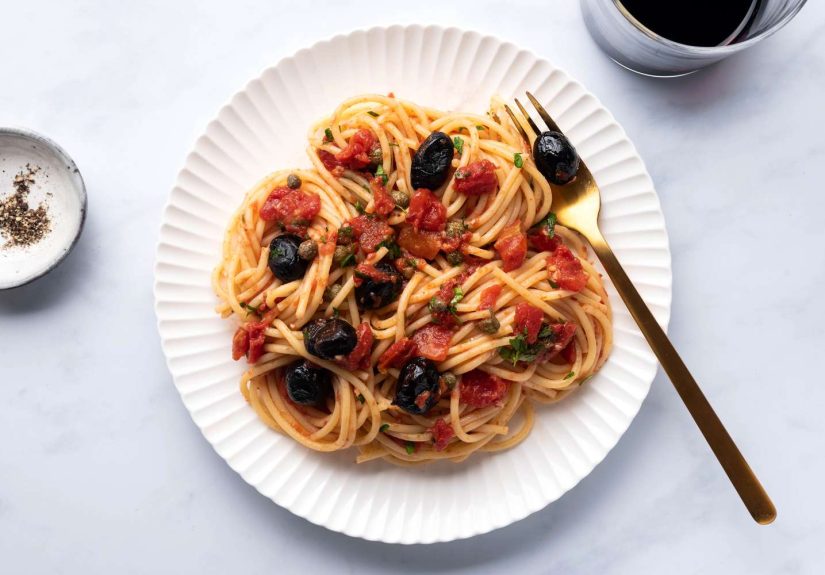
Pasta alla Puttanesca is an Italian pasta dish built around a punchy tomato sauce loaded with salty, savory, and tangy ingredients: olives, capers, garlic, and usually anchovies, plus a little heat from red pepper flakes. The sauce is quick-simmered and designed to taste like it took way longer than it didwhich is the highest compliment a weeknight dinner can receive.
You’ll most often see it with spaghetti, but linguine, bucatini, and penne all work. What matters is the vibe: bright tomato backbone + briny intensity + silky olive oil + a “why is this so good?” finish.
The Origin Story: Naples, Legend, and a Name With Zero Chill
Puttanesca is widely associated with Naples and Southern Italy, and it’s generally considered a relatively modern classic (mid-20th century is the most repeated timeline). But the dish’s “birth certificate” is… let’s call it “misplaced in a very flavorful kitchen.” That uncertainty is part of the fun.
Now, the name. Puttanesca is commonly translated as “in the style of prostitutes,” and yes, that has inspired decades of storiessome romantic, some ridiculous, most impossible to fact-check without a time machine and a very strong espresso. One popular theme is practicality: the sauce is quick, made from shelf-stable ingredients, and loud enough (aromatically speaking) to announce itself from across the street. Whether that’s history or folklore, the recipe itself doesn’t care. It just wants you to eat it.
If you’re serving it to polite company, you can always call it “that briny Italian tomato pasta” and let your guests Google the rest later.
The Flavor Physics: Why This Sauce Tastes Bigger Than It Is
Puttanesca is a masterclass in balancelike a tiny jazz band where every instrument is slightly dramatic, but somehow the song still works.
- Tomatoes bring acidity and sweetness (especially if you use good canned tomatoes).
- Anchovies melt into the oil and become savory depth, not “fishy sauce” (unless you go wild).
- Capers add sharp, lemony brine and little bursts of salt.
- Olives provide richness and a round, cured flavor that fills out the tomato.
- Garlic + chili give aroma and heatenough to keep things exciting, not enough to punish you.
- Olive oil ties everything together, smoothing sharp edges into a glossy, clingy sauce.
The result is a sauce that tastes complex even though it’s basically a sprint, not a marathon.
Ingredients That Matter (and a Few That Don’t)
The essential lineup
- Pasta: spaghetti is classic; bucatini and linguine are excellent; penne is great if you like sauce in every tube.
- Tomatoes: canned whole peeled tomatoes or crushed tomatoes are reliable year-round.
- Garlic: sliced or mincedjust don’t burn it.
- Olives: Kalamata, Gaeta, or other briny olives. Choose something you’d snack on willingly.
- Capers: brined capers are common; salt-packed are intense (rinse well).
- Anchovies: fillets in oil or anchovy pastesmall amount, huge payoff.
- Crushed red pepper flakes: optional, but highly recommended for that “wake up” note.
- Parsley: fresh at the end brightens everything.
- Extra-virgin olive oil: this is not the moment for sad, dusty oil from 2019.
Nice-to-have (not required to be “authentic enough”)
- Oregano: a pinch can add a familiar Italian-herb warmth.
- Onion or shallot: some versions start with a little for sweetness.
- Wine: a small splash can deepen flavor, but it’s not mandatory.
About cheese (the great debate)
You’ll find plenty of cooks who skip cheese because anchovies and Parmesan can feel like competing megaphones. Others add a little anyway because, frankly, it’s your fork and your rules. If you do add cheese, go lightthink “supporting actor,” not “starring role.”
How to Make Puttanesca Sauce (Step-by-Step, No Drama)
This method is designed to be quick, repeatable, and forgivinglike the best kind of friend.
- Start the pasta water first. Salt it well. Not “ocean water” (that’s a myth), but definitely “pleasantly seasoned soup.”
- Warm olive oil, then melt anchovies. In a skillet over medium heat, add olive oil and anchovy fillets (or paste). Stir until they dissolve into the oil. This is where the umami shows up.
- Add garlic + chili flakes (briefly). Cook just until fragrant. If the garlic browns, it can turn bitterkeep it golden, not toasted.
- Tomatoes go in. Add crushed/hand-crushed canned tomatoes. Stir, bring to a gentle simmer.
- Bring the brine brigade. Add chopped olives and capers. Simmer 8–15 minutes until it tastes like a unified sauce, not separate ingredients at a party.
- Reserve pasta water, then toss. Before draining, reserve about a cup of pasta water. Add pasta to sauce and toss vigorously. Splash in pasta water a bit at a time until the sauce looks glossy and clings to the noodles.
- Finish with parsley (and maybe a final drizzle of olive oil). Taste first. You may not need extra saltcapers, olives, and anchovies already brought plenty of opinions.
Quick pro tips for better puttanesca
- Don’t oversalt early. Taste after olives/capers/anchovies are in.
- Chop olives, don’t pulverize. You want texturelittle salty nuggets, not olive smoothie.
- Use pasta water like a tool. It helps emulsify oil + tomato into a silky sauce.
- Simmer just enough. This isn’t Sunday gravy; keep it bright and lively.
Popular Variations (Because Real Life Happens)
Puttanesca is famously flexible. Think of it less like a strict recipe and more like a “pantry strategy.”
No-anchovy (or vegetarian-ish) puttanesca
Skip anchovies and lean harder on olives, capers, garlic, chili, and good olive oil. You’ll lose some depth, but it’s still intensely satisfying. Some people add extra herbs or a bit more tomato for body.
One-pot puttanesca
Several modern takes cook pasta directly in a flavorful tomato broth so the noodles absorb the sauce from the inside out. It’s efficient, cozy, and cuts dishwashingan underappreciated culinary virtue.
Add protein without changing the soul
- Tuna: turns it into a heartier pantry dinner.
- Shrimp: cooks fast and loves briny sauces.
- Chicken: braised in puttanesca becomes a saucy, spoonable situation.
- White beans: add creaminess and make it more filling.
What to Serve With Pasta alla Puttanesca
This pasta is bold, so pair it with simple sides that don’t try to out-shout it.
- Salad: arugula with lemon and olive oil, or a basic Caesar.
- Bread: something sturdy for sauce-mopping. Your future self will thank you.
- Vegetables: roasted broccoli, sautéed greens, or blistered green beans.
- Wine: try a crisp white or a light-to-medium rednothing too oaky or heavy.
Troubleshooting: When Your Sauce Gets a Little Too “Confident”
Too salty?
Add a splash more tomatoes, a drizzle of olive oil, or a bit of reserved pasta water. If you haven’t tossed with pasta yet, you can also simmer in a small amount of unsalted tomato puree.
Too fishy?
That usually means too many anchovies or not enough cooking time to melt them in. Next time, start with fewer. Right now, add tomatoes and let it simmer a few extra minutes; finish with parsley for freshness.
Too acidic?
Use better tomatoes next time, but for today: add olive oil, simmer a bit longer, and consider a pinch of sugar if your tomatoes are harsh. (Not enough to taste sweetjust enough to smooth the edges.)
Too dry?
Pasta water is the fix. Add it gradually while tossing until the sauce turns glossy and clings like it means it.
Puttanesca in Real Life: of Lived-Experience Energy (Without the Lecture)
1) The “I Have Nothing to Eat” Weeknight That Turns Into a Victory Lap
It usually starts with dramatic refrigerator staring. You open the door, hoping a fully formed dinner appears behind the milk like a sitcom gag. It doesn’t. But then you remember the pantry: a can of tomatoes, that jar of olives you bought for “martinis” (sure), capers from a long-forgotten smoked-salmon phase, and anchovies you swore you’d learn to love. Puttanesca is the moment those odds and ends become a real meal. Twenty-ish minutes later, you’re twirling spaghetti like you planned this all along.
2) The First Time You Cook With Anchovies (and Realize You’ve Been Wrong)
Many people approach anchovies like they’re a prank ingredient. But in puttanesca, they disappear on purpose. They melt into warm olive oil and transform into a savory background notemore “deep flavor” than “fish parade.” The experience is oddly empowering: you didn’t just make pasta, you unlocked a new level of taste. The next thing you know, you’re defending anchovies at parties like a tiny, salty lawyer.
3) The “Guests Are Coming in 30 Minutes” Panic That Somehow Works
Puttanesca is a secret weapon for hosting because it smells incredible and looks intentional. The sauce has drama, but the method is simple: sauté, simmer, toss, finish. Put a bowl on the table, scatter parsley like you meant to, and suddenly everyone thinks you’re the kind of person who keeps fresh herbs “just because.” Add bread and a salad and you’ve got a dinner party that doesn’t require you to sweat through your shirt.
4) The Summer Version Where You Refuse to Turn on the Stove
On a scorching day, the idea of simmering anything feels like betrayal. That’s when the no-cook approach shines: ripe tomatoes (or good canned, if that’s what you’ve got), olives, capers, garlic, olive oil, and maybe anchovies, all chopped and left to mingle. Toss with hot pasta and the residual heat pulls it together. It’s less “simmered sauce” and more “fresh, briny pasta salad that grew up and got a job.”
5) The Aftermath: Why You Keep Coming Back
The real experience of puttanesca is the repeatability. Once you’ve made it, your brain logs it as a dependable plan: a fast pasta dinner that tastes bold, feels a little rebellious, and doesn’t demand a grocery run. You learn your preferencesmore capers, fewer olives, extra chili, smoother tomatoes, chunkier texture. And every time you nail the balance, it feels like you got away with something… delicious.
Conclusion
Pasta alla Puttanesca is proof that pantry ingredients can produce restaurant-level satisfactionfast. It’s briny, bold, and endlessly adaptable, with a sauce that rewards tiny technique upgrades like melting anchovies properly, reserving pasta water, and tasting before salting. Whether you keep it traditional or riff with one-pot shortcuts, it remains one of the best “big flavor, minimal effort” pasta dishes you can make.