Table of Contents >> Show >> Hide
- What Exactly Is Pabst Blue Ribbon?
- A Quick History of a Blue-Ribbon Underdog
- How The Experts Rank Pabst Blue Ribbon
- What People Say PBR Actually Tastes Like
- The Cult, The Hipsters, And The Dive-Bar Love Story
- So Where Does Pabst Blue Ribbon Really Rank?
- Should You Drink PBR? Here’s Who It’s For
- PBR In The Wild: Real-World Experiences & Scenarios
If there were a Mount Rushmore of cheap American beer, Pabst Blue Ribbon would absolutely be staring down from the granite with a slightly crooked blue bow on its head. For some people, PBR is a cult classic that tastes like backyard barbecues, dive-bar jukeboxes, and college house parties. For others, it’s… well, “that watery hipster beer in the tall blue can.”
So which is it? Iconic bargain brew, or overrated nostalgia in a can? Let’s dig into how Pabst Blue Ribbon ranks with critics, casual drinkers, and beer nerdsand what those rankings really say about this legendary American lager.
What Exactly Is Pabst Blue Ribbon?
Pabst Blue Ribbon (affectionately known as PBR) is an American adjunct lager. That means it’s brewed primarily with barley malt but also uses adjuncts like corn to keep the flavor light and the price friendly. It clocks in around 4.7% ABV with roughly 10 IBUs of bitterness, making it a classic “easy-drinking” beercrisp, mild, and decidedly not trying to be a hazy double IPA.
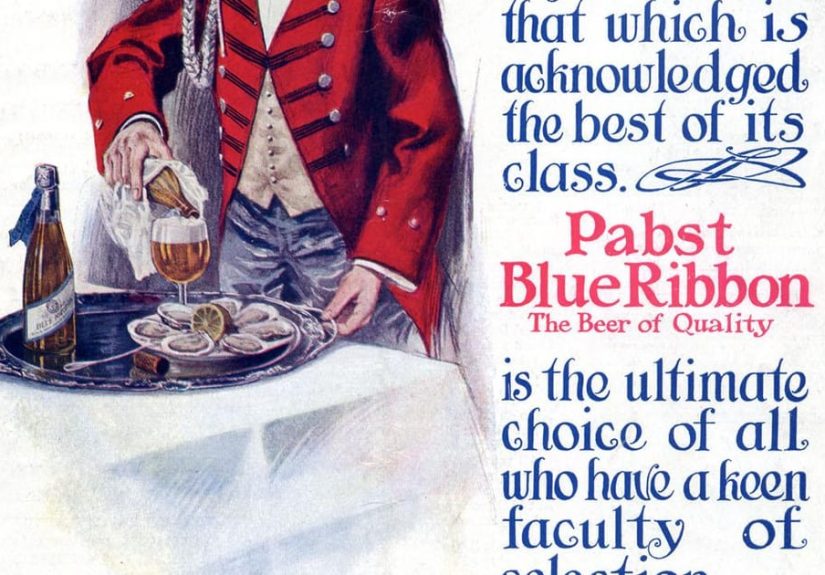
The brand dates back to the mid-1800s in Milwaukee, Wisconsin. It was originally called Best Select and later Pabst Select, named after the Pabst family that took over the brewery. The “Blue Ribbon” part comes from actual blue silk ribbons that were tied around the neck of the bottles in the late 19th century after the beer won awards at fairs and expositionsmost famously at the World’s Columbian Exposition in 1893. The ribbons stood out so much that customers began asking for “that blue ribbon beer,” and the name stuck.
Today, PBR is brewed by Pabst Brewing Company (now based in Texas), and the core lineup has expanded beyond the classic lager to include Pabst Blue Ribbon Extra (stronger, around 6.5% ABV), light variants, and even a non-alcoholic version for people who want the vibe without the buzz.
A Quick History of a Blue-Ribbon Underdog
For decades, Pabst Blue Ribbon was just another mainstream American beer. It had its heyday in the mid-20th century, then saw its sales fall off a cliff by the late 20th century as domestic giants and later craft beer stole the spotlight. By around the year 2000, PBR looked more like a relic than a rising star.
Then something odd happened: young drinkers “rediscovered” it. Without big ad campaigns or Super Bowl commercials, PBR started popping up in dive bars, indie music venues, and art scenes across the country. It became the unofficial beer of thrift-store fashion, vinyl records, and fixed-gear bikes. Articles started calling it “the hipster beer” and “the beer that made it cool to drink cheap beer again.”
That organic, slightly ironic embrace of PBR gave the brand a second life. Industry observers noted that while the company spent relatively little on traditional marketing, it leaned into grassroots sponsorshipslocal bands, art shows, bar eventsand let word-of-mouth do the heavy lifting. The result: sales surged, and PBR became both a cultural symbol and a case study in how authenticity (or the perception of it) can revive an old-school brand.
How The Experts Rank Pabst Blue Ribbon
Beer Rating Sites: “Poor,” Yet Weirdly Respected
On serious beer-rating sites, Pabst Blue Ribbon does not exactly dominate the leaderboardsand that’s okay once you understand the context.
- BeerAdvocate typically scores PBR around the high-60s (“poor” on their scale) with an average rating just under 3.0 out of 5 from thousands of reviews.
- Untappd, a huge social beer-check-in app, generally shows PBR hovering around 2.9 out of 5, based on hundreds of thousands of ratings.
- Other databases that catalog beer styles often describe it as a straightforward pale lager: straw-gold color, light body, very mild hop presence, and a clean, crisp finish.
Those numbers might look rough if you compare PBR to world-class IPAs or barrel-aged stoutsbut that’s not the right comparison. Beer geeks are rating it within a global universe of beer, not just within “cheap American lagers you can buy by the suitcase.” When you narrow it to that category, PBR stacks up surprisingly well.
Many tasting notes mention a sweet, corny aroma; a light malt sweetness; and a barely-there hop bitterness that keeps things from feeling like carbonated grain water. Reviewers call it “simple but refreshing,” “a decent fridge beer,” and “better than you’d expect for the price.” Others are less generous, describing it as “flat, nutty, and a little sour” or “fine, but not special.” In other words: no one is writing poetry about the flavor, but few say it’s undrinkable.
Cheap Beer Rankings: All Over the Map
Where Pabst Blue Ribbon gets really interesting is in blind taste tests and “best cheap beer” roundups. Here, opinions are all over the place:
- In one widely shared cheap beer ranking, PBR landed near the top tieroften in the top fivepraised for tasting like “actual beer” rather than watery seltzer with a marketing budget.
- In another blind tasting that pitted PBR against other big-name domestics, it was the surprise winner, beating out brands that usually dominate stadiums and commercials.
- On the flip side, some panels ranked PBR dead last among nine or more bargain brews, calling it bland or overly corn-forward compared to others.
- Lists of “best cheap beers” and “best North American lagers” regularly include PBR somewhere in the middle or upper-middle of the packrarely the absolute best, but almost never the worst.
So, depending on the panel, Pabst is either the champion of the cheap-foam universe or the beer you grudgingly drink when your favorite brand is out of stock. That spread tells us more about taste and expectations than it does about the beer itself.
What People Say PBR Actually Tastes Like
Let’s translate the tasting notes into real-person language.
Reviewers and everyday drinkers tend to agree on a few key points:
- Aroma: Light sweetness with noticeable corn or cereal grain notes. Some mention a faint straw or hay smell.
- Flavor: Mildly sweet malt, a touch of grainy corn, and a whisper of bitterness. Not complex, but not aggressively off-putting either.
- Mouthfeel: Light-bodied, fairly carbonated, and a bit waterywhich is exactly what many people want in an all-day, low-commitment beer.
- Finish: Clean, quick, and fairly neutral. You taste “beer,” and then it’s gone.
Fans call PBR “smooth,” “crushable,” and “underrated,” praising it as a beer you can drink multiple cans of without getting overwhelmed by bitterness or heaviness. Detractors say it’s “boring,” “forgettable,” or “only good when it’s ice cold and you’re not paying much attention.”
Both groups are right in their own way. This is not a beer designed to challenge your palate. It’s designed to sit comfortably in your hand at a barbecue, tailgate, or dive bar while your attention is on the conversation, the game, or the bandnot on the beer’s subtle notes of toasted barley.
The Cult, The Hipsters, And The Dive-Bar Love Story
Beyond taste and ratings, Pabst Blue Ribbon has a reputationand that reputation heavily influences how people rank it in their minds.
From roughly the early 2000s through the 2010s, PBR became the unofficial beer of indie rock shows, basement parties, and dusty pool halls. Articles dissected its rise as a “hipster beer”: cheap, retro-looking, and just ironic enough to feel cool. It was the anti-craft-beer craft beermass-produced, but embraced by communities that usually pride themselves on being different.
Media outlets pointed out that PBR did something clever: instead of chasing glossy ads, it sponsored small, authentic eventslocal bands, bike races, skate scenes, art shows, community happenings. That grassroots presence gave the brand an underground credibility that big-budget commercials can’t buy.
Of course, nothing stays perfectly ironic forever. As PBR’s popularity grew, some of the same folks who helped revive it moved on to other beers. But the cult stuck around. Today, the beer is still associated with dive bars, blue-collar nostalgia, and “I drink what I like, not what’s trendy” energyeven though, paradoxically, that very attitude was once the trendy thing.
So Where Does Pabst Blue Ribbon Really Rank?
If we look past the noise and put PBR into practical categories, its place in the beer world becomes clearer:
- Flavor (within cheap adjunct lagers): Solid middle-to-upper tier. It’s more flavorful than the thinnest budget lagers, but not nearly as complex as craft pilsners.
- Drinkability: Very high. Light, crisp, and easy to drink over a long afternoon or nightassuming you’re of legal drinking age and enjoying alcohol in moderation.
- Price-to-enjoyment ratio: Excellent. PBR’s whole value proposition is “decent beer at a very friendly price.” On that front, it delivers.
- Cultural impact: Off the charts for a cheap lager. Very few budget beers have the same level of cultural recognition or “story” behind them.
- Snob factor: Low. Ordering PBR sends a message that you’re not trying to impress anyone with rare bottles or obscure breweries.
If you rank beers purely on aroma, flavor complexity, and technical execution against the world’s best, Pabst Blue Ribbon will never crack the top lists. But if you rank it where it belongsamong accessible, affordable American lagersit consistently lands in the conversation as one of the better options.
Should You Drink PBR? Here’s Who It’s For
PBR is not for everyone, and that’s okay. Here’s a quick reality check to help you decide if it’s worth stocking in your fridge.
You’ll Probably Like PBR If:
- You want a cheap beer that still tastes like beer, not like lightly flavored sparkling water.
- You enjoy classic American lagers and aren’t expecting craft-level complexity.
- You appreciate a beer with history and cultural lorefrom 19th-century ribbons to 21st-century dive-bar glory.
- You’re hosting a big gathering where the priorities are quantity, friendliness, and drinkability.
You Might Not Love PBR If:
- You prefer hop-forward IPAs, sours, or rich stouts and want big, bold flavors every time.
- You’re looking for a “special occasion” beer with layers of complexity.
- You dislike any hint of corn sweetness or graininess in your beer.
Ultimately, PBR is best thought of as a reliable background player: it’s not going to steal the scene, but it will show up on time, do its job, and make sure everyone stays hydrated (in a beer kind of way). If you treat it like what it isa budget-friendly, culturally iconic lagerit rarely disappoints.
PBR In The Wild: Real-World Experiences & Scenarios
Rankings and ratings are useful, but beer is ultimately about experiences. Pabst Blue Ribbon has built its modern reputation in the wildon sticky bar tops, in plastic cups, and out of beat-up coolers. Here are some lived-in scenarios that capture how people actually experience PBR in everyday life.
The Backyard Barbecue Test
Imagine a summer afternoon cookout. The grill is loaded with burgers and hot dogs, someone’s arguing about fantasy football, and the music is bouncing between 80s rock and 90s hip-hop. When the cooler lid opens, nobody’s expecting artisanal saisons. They just want something cold that won’t dominate the food or flatten their taste buds.
PBR shines in this setting. It’s flavorful enough that you don’t feel like you’re drinking carbonated nothing, but light enough that you can go back for another while you’re flipping burgers or handing out paper plates. It pairs well with salty snacks, greasy food, and the general chaos of backyard socializing. If one of your friends happens to be a craft-beer diehard, they may roll their eyes at firstand then quietly grab a can halfway through the night when they’re tired of heavy IPAs.
The Dive-Bar Companion
Now picture a dimly lit dive bar with neon signs buzzing in the window and a jukebox in the corner. The chalkboard behind the bar reads “PBR + shot special,” and half the regulars have a blue-and-white can standing guard next to a pool cue or worn-out barstool. In places like this, Pabst Blue Ribbon isn’t just a beer; it’s practically a dress code.
Bartenders tend to love PBR because it pours quickly, rarely draws complaints, and fits into any cheap-beer special without drama. For patrons, it’s a comfort choice. You don’t have to think about it, justify it, or explain it. You order a PBR, put a couple dollars on the bar, and get back to your conversation, your darts game, or your thoughts.
The “Beer Nerd On a Budget” Night
Even craft-beer fans have nights when the goal is not to dissect tasting notes but simply to hang out. Some beer nerds keep a mental hierarchy of cheap lagers, and PBR often lands near the top of the “I’ll drink this and be perfectly content” list.
In these circles, you’ll hear strangely detailed arguments about why PBR “has better balance than some other macros,” or why its slight hop bitterness and grain sweetness make it more interesting than the blandest options on the shelf. It’s still not being mistaken for a Czech pilsner anytime soon, but it earns respect as a budget workhorse with just enough character to keep things interesting.
Festival & Tailgate Fuel
Outdoor music festivals, camping trips, and tailgates are another natural habitat for Pabst Blue Ribbon. The priorities in those situations are pretty simple: portability, price, and not knocking you out after one can. PBR checks all the boxes.
When you’re playing cornhole in a parking lot before a game or standing in a field waiting for your favorite band to hit the stage, you don’t want to be swirling a chalice and talking about esters. You want something cold, easygoing, and widely shareable. A case of PBR often becomes communal currencysomeone trades you a hot dog for a can, another friend swaps you a PBR for a shot of something stronger, and by the end of the day, nobody really remembers who brought what. They just remember that the cooler never ran dry.
Why These Experiences Matter More Than Numbers
All of these moments help explain why Pabst Blue Ribbon’s rankings and opinions are so scattered. A beer that earns a “poor” score on a critic’s scale can still be a perfect 10 for a broke college student at an open-mic night, or for a group of friends reminiscing around a campfire.
When you judge PBR strictly by aroma, flavor depth, and technical precision, you’ll probably land somewhere around “it’s fine.” When you factor in price, history, cultural cachet, and the kinds of memories people attach to that blue-and-white can, it suddenly ranks a lot higher.
In the end, Pabst Blue Ribbon isn’t just a beer you rate. It’s a beer you placeon the picnic table, in the cooler, in that mental category of “go-to cheap beers that never start a fight and often start a story.” For many drinkers, that earns it a permanent spot in their personal top rankings, no matter what the scoreboards say.