Table of Contents >> Show >> Hide
- 1) Indoor-Outdoor “Cohesion” (A.K.A. Make It Feel Like One Home)
- 2) Outdoor Rooms With Zones (Because One Patio Can’t Do Everything)
- 3) Outdoor Kitchens 2.0: More Than a Grill, Less Than a Second Mortgage
- 4) Wellness Outdoors: Cold Plunges, Sauna Energy, and Calm-by-Design
- 5) Water-Wise Landscaping and Climate-Ready Yards
- 6) The “Less Manicured” Look: Meadows, Forest Gardens, and Living Fences
- 7) Furniture That Looks Like Indoor… But Survives Outdoor
- 8) Shade Structures Are Becoming Non-Negotiable
- 9) Lighting, Heat, and Screens: The Outdoor Season Extender Kit
- 10) Smart Outdoor Tech: Convenience Without the Sci-Fi Soundtrack
- 11) Outdoor Features With Real Resale Influence
- How to Apply 2025 Outdoor Living Trends Without Rebuilding Your Whole Backyard
- Conclusion: The 2025 Backyard Is a Lifestyle Upgrade, Not Just a Backyard
- Experiences That Make Outdoor Living Feel Amazing (And What People Learn Fast)
- SEO Tags
If your backyard still feels like “the place where the grill lives” (and maybe a lonely plastic chair),
2025 would like to have a word. Outdoor living isn’t just a seasonal hobby anymoreit’s becoming
a real extension of the home: more comfortable, more functional, and (yes) more design-forward.
Think of it as your living room’s outdoorsy cousin who owns sunscreen and actually uses it.
The big shift for 2025 is simple: homeowners want outdoor spaces that work harder. That means better
flow between inside and outside, smarter layouts, climate-aware landscaping, and furniture that looks
like it belongs in a magazinebut behaves like it belongs in real life (hello, pollen).
Below are the outdoor living trends shaping 2025, plus practical ways to use themwhether you’ve got
a sprawling yard, a skinny side patio, or a balcony with big dreams.
1) Indoor-Outdoor “Cohesion” (A.K.A. Make It Feel Like One Home)
The headline trend for 2025 is indoor-outdoor coherence: spaces that visually and functionally connect.
Instead of treating the patio like a separate planet, homeowners are matching materials, colors, and
vibes so it feels like the same housejust with better airflow and fewer throw pillows to explain.
How it shows up in real homes
- Continuous flooring cues: similar tones in pavers, tile, or decking to echo interior floors.
- Consistent palettes: earthy neutrals, warm woods, and accents that match indoor textiles.
- Big openings: wide sliders, multi-panel doors, or pass-through windows for food and conversation.
- Repeat “anchor” materials: if your kitchen has white oak or black metal, echo that outside.
The win: the outdoor space feels intentional, not “we found this set on sale and panic-assembled it
before guests arrived.” And if you’re thinking resale value, cohesive outdoor living is increasingly
treated like a premium feature.
2) Outdoor Rooms With Zones (Because One Patio Can’t Do Everything)
The “one-table-does-all” era is fading. In 2025, outdoor areas are being planned like interiors:
multiple zones with specific jobsdining, lounging, cooking, relaxing, and sometimes working.
Even small spaces can do this with clever layout choices.
Easy zoning strategies
- Rugs and lighting: define a lounge zone with an outdoor rug + warm overhead or string lighting.
- Planters as “walls”: tall planters, trellises, or living fences create privacy without construction.
- Furniture direction: point seating inward for conversation, not outward like a bus stop.
- Micro-zones: a bistro set = morning coffee zone; a bench nook = reading zone; a bar cart = social zone.
This trend is as much about lifestyle as it is about design. People are using outdoor space as bonus
square footage: workout corners, quiet nooks, and “tiny celebrations” spots that make a Tuesday feel
like a mini vacation.
3) Outdoor Kitchens 2.0: More Than a Grill, Less Than a Second Mortgage
Outdoor cooking keeps leveling up in 2025. The vibe isn’t always a massive built-in kitchen; it’s
often a smarter, more social setupclose enough to the indoor kitchen to be convenient, but capable
enough to host a full hangout.
What’s hot in 2025 outdoor cooking
- Pizza ovens: the ultimate crowd-pleaser and an instant “party magnet.”
- Multiple cooking methods: grills plus smokers, kamado-style cookers, or wood/charcoal options.
- Bar-style seating: because nobody wants to socialize with someone’s back while they flip burgers.
- Compact “chef’s station” layouts: prep space + heat + storage, without sprawling across the yard.
Pro tip: if you don’t have room (or budget) for built-ins, you can still capture the trend with a
freestanding pizza oven, a quality prep cart, and a dedicated serving area. The goal is a
social cooking experience, not a backyard that requires architectural drawings.
4) Wellness Outdoors: Cold Plunges, Sauna Energy, and Calm-by-Design
Outdoor living in 2025 is increasingly about well-being. People want spaces that help them decompress:
quiet corners, sensory gardens, and wellness features that feel spa-like without needing a hotel key card.
Wellness features showing up more often
- Cold plunge tubs: compact, dramatic, and surprisingly popular for small yards.
- Hot tub + sauna pairings: “backyard spa” setups designed for year-round use.
- Meditation nooks: simple seating, privacy screening, and calming plant choices.
- Scent and sound: herbs, fragrant shrubs, small water features, and wind-friendly grasses.
Even if you skip the plunge, you can build “wellness” with softer lighting, comfortable seating, and
a design that encourages you to actually use the spacenot just admire it through a window.
5) Water-Wise Landscaping and Climate-Ready Yards
Climate-smart landscaping isn’t niche anymoreit’s mainstream. In 2025, the most future-friendly yards
prioritize drought tolerance, lower maintenance, and resilient plant choices that make sense for the region.
Translation: fewer thirsty lawns, more planting that thrives without constant intervention.
What climate-ready outdoor spaces include
- Native plants and “nativars”: habitat-friendly plants adapted to local conditions.
- Low-water design: gravel gardens, drip irrigation, and efficient plant groupings.
- Rain-smart features: rain gardens, better soil health, and thoughtful drainage planning.
- Fire-conscious design (where relevant): defensible space principles and smarter plant placement.
The best part? These landscapes can still be beautiful. “Naturalistic” doesn’t mean messyit can mean
layered texture, seasonal interest, and planting that looks intentional while supporting pollinators.
6) The “Less Manicured” Look: Meadows, Forest Gardens, and Living Fences
Perfect lawns are losing their grip. In 2025, homeowners are leaning into softer, more biodiverse styles:
meadowscapes, layered planting, and garden designs that feel alive instead of overly controlled.
It’s not chaosit’s a curated kind of relaxed.
Ways to bring the trend home
- Forest garden layering: trees + shrubs + perennials + groundcovers, like a mini ecosystem.
- Living fences: hedges, layered plant screens, or vertical container planting for privacy.
- Pollinator-friendly planting: natives that attract birds, butterflies, and beneficial insects.
- “Parking strip” upgrades: turning overlooked edges into planted, purposeful space.
If you’re worried about looking unkempt, keep structure in the hardscape (clean edging, clear paths)
and let the planting be a little freer. That balance reads “designer,” not “we gave up.”
7) Furniture That Looks Like Indoor… But Survives Outdoor
Outdoor furniture in 2025 is leaning into comfort and real style. The goal: pieces that feel like the
inside of your homewhile still standing up to sun, rain, and the kind of humidity that makes a soda can sweat.
Outdoor furniture trends you’ll see everywhere
- Minimalist silhouettes: clean-lined sets that don’t overwhelm the space.
- Modular seating: rearrangeable sections for lounging, parties, or “we need space for snacks.”
- Wicker and woven textures: updated shapes that feel warm and modern.
- Rounded, cocooning chairs: softer shapes that feel inviting and “sink-in” comfortable.
- Stripes and pattern: from preppy cabana stripes to bold cushions and upholstery.
What’s fading (for good reasons)
Designers are pushing back on “all-white everything” outdoorsnot because white is illegal, but because it
shows every speck of dirt, pollen, and spilled lemonade. The 2025 sweet spot is warm neutrals, texture,
and performance fabrics that can handle real life.
8) Shade Structures Are Becoming Non-Negotiable
Shade is getting more attention in 2025, and it’s not just about comfortit’s about actually being able
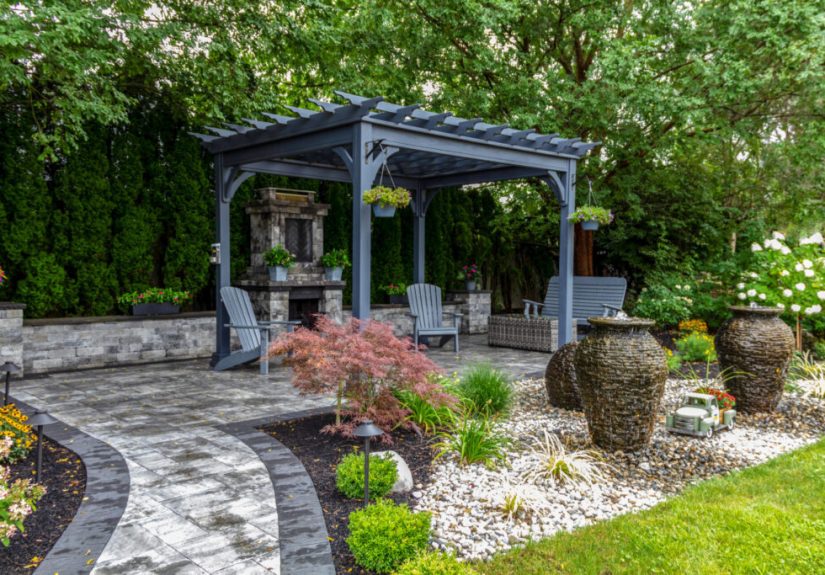
to use your outdoor space for more months of the year. Pergolas, retractable awnings, umbrellas, and
shade sails are being treated as core design elements, not afterthoughts.
Popular shade approaches
- Pergolas with purpose: integrated lighting, fans, or climbing plants for living shade.
- Retractable solutions: adjustable coverage for changing seasons and sun angles.
- Layered shade: a canopy plus trees and tall plantings for cooler microclimates.
If you live in a hotter region, shade is basically outdoor “infrastructure.” It’s the difference between
“We love our patio” and “We love our patio… from inside the house.”
9) Lighting, Heat, and Screens: The Outdoor Season Extender Kit
Outdoor living in 2025 is less seasonal, thanks to better comfort tech. Layered lighting creates ambiance,
heaters extend evenings, and screened porches help keep bugs from treating you like a buffet.
What works well together
- Layered lighting: overhead + task + path/step lighting for safety and vibe.
- Outdoor-rated heaters: ceiling-mounted or freestanding for shoulder seasons.
- Screens and insect control: especially for porches and dining zones.
- Fans: underrated for comfort in humid climates.
Bonus: lighting is one of the most budget-friendly “big impact” upgrades. It can make even a simple patio
feel intentionallike a destination instead of an afterthought.
10) Smart Outdoor Tech: Convenience Without the Sci-Fi Soundtrack
In 2025, smart outdoor upgrades are getting more practical: automated irrigation, app-controlled lighting,
and entertainment that doesn’t require running extension cords like you’re setting up a concert.
The best “smart” choices reduce maintenance and make the space easier to use.
Smart upgrades that earn their keep
- Smart irrigation timers: water efficiency with less guesswork.
- Automated lighting scenes: “Dinner,” “Movie Night,” and “Please Don’t Trip” modes.
- Outdoor audio: subtle, landscape-integrated sound that doesn’t scream “college party.”
- Security and visibility: discreet lighting + cameras for peace of mind.
11) Outdoor Features With Real Resale Influence
Not every trend needs to be a financial play, but it’s nice when your favorite upgrades also help your
home’s appeal. Recent real estate analysis suggests certain outdoor features can be associated with
higher sale premiumsespecially functional upgrades that feel like lifestyle improvements.
Examples of “buyer-friendly” outdoor upgrades
- Outdoor showers: especially appealing in coastal or pool-focused markets.
- Outdoor kitchens: strong lifestyle signal for entertaining.
- Quality hardscape patios: durable surfaces like bluestone and well-designed seating areas.
If you’re choosing where to invest, prioritize improvements that increase daily use: shade + seating +
lighting often beats “big wow” features that don’t fit your routine.
How to Apply 2025 Outdoor Living Trends Without Rebuilding Your Whole Backyard
Trends are fun, but budgets are real. Here’s a practical “2025 checklist” that scales up or down.
Starter upgrades (weekend-friendly)
- Add layered lighting (string + path + a warm lamp).
- Define one zone with an outdoor rug and a seating arrangement that faces inward.
- Swap throw pillows for performance fabrics and more forgiving colors.
- Upgrade planting with native perennials and a smarter mulch-and-drip approach.
Mid-level upgrades (high impact)
- Add shade: a big umbrella, sail, or pergola kit.
- Create a second zone (dining + lounging) using planters or a slim divider.
- Build a compact outdoor cooking station (prep cart + pizza oven or upgraded grill area).
Major upgrades (forever-home energy)
- Install large openings (multi-panel sliders or a pass-through window).
- Design a climate-ready landscape (native structure, drainage plan, low-water strategy).
- Add a wellness feature (sauna, hot tub, or cold plunge) with privacy screening.
Conclusion: The 2025 Backyard Is a Lifestyle Upgrade, Not Just a Backyard
Outdoor living trends in 2025 are less about flashy “look what I built” projects and more about
usable comfort: cohesive design, climate-smart landscaping, flexible layouts, and materials that
hold up to real life. The best outdoor spaces feel like an invitationeasy to step into, easy to enjoy,
and easy to maintain. Because the only thing worse than a boring patio is a gorgeous patio you never use.
Experiences That Make Outdoor Living Feel Amazing (And What People Learn Fast)
Here’s the part most trend lists don’t tell you: the difference between an outdoor space you love and an
outdoor space you avoid isn’t always the budgetit’s the experience. In 2025, homeowners are building
outdoor areas around how they actually live, and the lessons tend to be wonderfully consistent.
First, people quickly realize that comfort beats perfection. A beautiful dining set is great,
but if no one wants to sit there at 4 p.m. because the sun is blasting the table like a stage spotlight,
the space won’t get used. That’s why shade has become the unsung hero. Even a simple umbrella can change
how often a patio gets usedsuddenly breakfast outside is possible, and afternoon reading doesn’t require
squinting like you’re trying to decode a secret message.
Another common experience: zones create habits. When people add a dedicated coffee nook,
a small lounge setup, or a “grilling and chatting” spot with one extra chair near the cook, outdoor time
increases naturally. It becomes a routine rather than an event. A tiny bistro set can be enough to turn
“I guess I’ll scroll on my phone inside” into “I’ll sit outside for ten minutes,” which usually turns into
thirtybecause fresh air is sneaky like that.
Many homeowners also discover that maintenance is emotional. If caring for the yard feels like
a second job, resentment blooms faster than the weeds. That’s why climate-ready planting is such a quality-of-life
upgrade. People report feeling more relaxed when they swap high-maintenance lawn patches for drought-tolerant
planting, drip irrigation, and a few dependable native perennials. The yard looks better, and it stops
demanding constant attention. You don’t need a “perfect garden.” You need a garden that doesn’t bully you.
Outdoor entertaining has its own learning curve, too. One of the biggest “aha” moments is that guests gather
where the action is. Add a pizza oven or even a compact prep station, and suddenly the outdoor space feels
like a destination. People love watching food happen (it’s basically dinner and a show). The trick is planning
for flow: where plates land, where trash goes, how drinks circulate, and whether you’ve created a traffic jam
between the grill and the only chair everyone wants.
Finally, there’s the experience of seasonal reality. The most-loved outdoor spaces often include a few
“season extenders”: warm lighting, a heater for chilly evenings, a fan for sticky nights, or screens to keep
bugs from turning your patio into their personal dining room. These aren’t glamorous upgrades, but they’re the
ones people talk about after a year of actually living outside. The best outdoor spaces don’t just look good
on day onethey keep working on day 300.