Table of Contents >> Show >> Hide
- What the original finding actually showed
- Microplastics vs. nanoplastics: tiny, tinier, and more complicated than anyone asked for
- How microplastics may be getting into the bloodstream
- What this may mean for human health
- The big caveat: detection is hard, and the science needs more rigor
- What regular people can do without becoming feral about it
- What this topic feels like in everyday life: the human side of the microplastics story
- The bottom line
- SEO Metadata
There are headlines that make you pause mid-sip. This was one of them. Scientists reported that tiny plastic particles had been found in human blood for the first time, and suddenly an ordinary glass of water, a takeout container, and that mysterious old food tub in the back of the fridge all felt a little more dramatic. Fair enough. “Plastic in the bloodstream” sounds like the sort of phrase that should come with ominous violin music.
But here is the important part: the headline was real, the concern is reasonable, and the science is still unfolding. Researchers are learning that microplastics and even tinier nanoplastics are not just floating around oceans, beaches, and bottled water. They may also be circulating through the human body. That does not automatically mean we know exactly how dangerous they are, how much exposure is too much, or which particles matter most. It does mean we are well past the point where plastic pollution is only an environmental story. It is a human health story now, too.
So what does it actually mean that microplastics were found in blood? The answer lives somewhere between “this is probably not great” and “science, please clock back in because we have follow-up questions.” Let’s walk through what researchers found, why experts are concerned, what they still do not know, and what ordinary people can do without moving into a cabin made entirely of stainless steel and self-righteousness.
What the original finding actually showed
The first widely publicized blood study, published in 2022, analyzed blood samples from healthy adult donors and reported detectable plastic particles in a majority of them. That study did not prove that plastic in blood causes disease. It did something more basic and more important: it showed that plastic particles could be absorbed into the body and measured in the bloodstream.
That was a turning point. For years, researchers had already been finding microplastics in the environment, food, water, dust, and even human stool. The blood finding raised the stakes because blood is not just storage space. Blood is transportation. If tiny plastic particles are circulating there, the big question becomes whether they can move into tissues and organs and whether they can trigger biological changes along the way.
Since then, additional studies have reported microplastics or nanoplastics in other parts of the body, including lungs, placentas, reproductive tissues, arteries, and other organs. Blood is not the whole story, but it is a very attention-grabbing chapter because it suggests these particles are not merely passing through the digestive tract like bad tourists. Some may be moving through systems that matter a great deal.
Microplastics vs. nanoplastics: tiny, tinier, and more complicated than anyone asked for
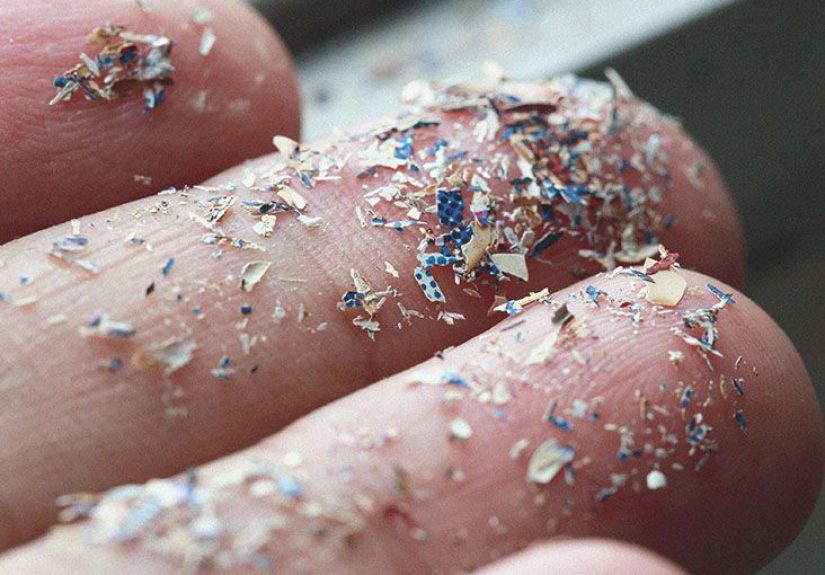
Microplastics are generally defined as plastic particles smaller than 5 millimeters. Nanoplastics are even smaller, often less than 1 micrometer. If microplastics are the breadcrumb-sized problem, nanoplastics are the stealth mode version. Their size matters because smaller particles are more likely to cross biological barriers, interact with cells, and travel more widely in the body.
That is one reason researchers are particularly focused on nanoplastics. The smaller the particle, the easier it may be for it to behave less like harmless debris and more like an uninvited guest with a backstage pass. This does not mean every particle causes harm. It means size, shape, polymer type, chemical additives, and dose probably all influence risk. In other words, “plastic” is not one thing. It is a messy family of materials with very different properties.
How microplastics may be getting into the bloodstream
There is no single villain here. Microplastics likely enter the body through several pathways at once, which is extra annoying because humans, inconveniently, eat, drink, and breathe every day.
1. Food and drink
Food and beverages can contain microplastics from environmental contamination, processing, packaging, or contact with plastic equipment. Bottled water has received special attention, especially after newer imaging techniques found vast numbers of tiny particles, many of them at the nanoscale. Seafood, salt, tea, honey, and other common foods have also shown contamination in various studies.
2. Air and dust
Plastic fibers do not politely stay where they are put. They shed from synthetic clothing, carpets, upholstery, and tires. Indoor dust and airborne particles are now considered major exposure routes, especially because people spend so much of life indoors. If you have ever watched sunlight hit a room full of floating dust and thought, “Well, that can’t be ideal,” congratulations: your instincts were doing public health work.
3. Consumer products and packaging
Plastic containers, especially old, scratched, or heat-exposed ones, may release more particles or chemicals. That is one reason experts often suggest avoiding microwaving food in plastic when possible and replacing worn-out containers that look like they survived a minor historical event.
4. Medical pathways
Newer research has also explored whether some plastic-based medical devices may shed microplastics directly into fluids that can enter the bloodstream. That does not mean people should panic about modern medicine. It does mean exposure science is getting more precise, and the list of possible pathways is growing.
What this may mean for human health
Here is the honest answer: scientists do not yet have a neat, one-line verdict. What they do have is a growing pile of warning signs.
Inflammation and oxidative stress
Many lab and animal studies suggest microplastics can trigger inflammation and oxidative stress. Those are broad biological stress responses linked to many diseases when they become chronic. Think of them as the body’s version of a smoke alarm that may be useful in a short-term emergency but deeply unhelpful if it never stops beeping.
If plastic particles irritate tissues, interfere with cells, or carry other pollutants into the body, they could contribute to wear and tear over time. Researchers are especially interested in how these particles interact with immune cells, blood vessels, and sensitive organs.
Hormones and endocrine disruption
The issue is not only the particle itself. Plastics can contain or carry chemicals such as bisphenols, phthalates, flame retardants, and other compounds that may disrupt hormone signaling. Endocrine disruption is a serious concern because hormones help regulate development, metabolism, reproduction, mood, and more. If microplastics act as delivery vehicles for those chemicals, the health story becomes even more complicated.
This is one reason reproductive health researchers are paying close attention. Some animal studies and early human evidence have raised concerns about fertility, fetal development, and pregnancy-related outcomes. That does not equal proof of harm in every exposed person, but it does put microplastics firmly in the “please do not ignore this” category.
Cardiovascular health
One of the most attention-grabbing later findings came from research detecting plastic particles in arterial plaque, with an observed association between those particles and a higher risk of heart attack, stroke, and death over follow-up. Association is not the same as causation. Still, when plastic shows up in plaque and the people who have it appear to fare worse, researchers understandably stop, stare, and schedule several urgent meetings.
Blood studies have also explored links between microplastic load and markers related to inflammation and coagulation. Again, that does not prove plastic is directly causing those changes. But it strengthens the case that the bloodstream is not just a passive bystander in this story.
Brain and other organ concerns
Because very small particles may cross biological barriers, scientists are also studying whether they can reach the brain and other protected tissues. Animal studies suggest it is possible. Human evidence is growing, but the health implications are still being sorted out. For now, the most accurate summary is this: researchers are concerned, not because every question is answered, but because too many concerning patterns are appearing at once.
The big caveat: detection is hard, and the science needs more rigor
This is the part where we put down the panic megaphone and pick up the lab notebook. Measuring microplastics in human blood is extremely challenging. Plastic contamination is everywhere, including in labs. Some detection methods are stronger than others. And recent reporting has highlighted that at least some earlier methods may have confused certain plastics with other substances in blood samples.
That does not mean the whole field is fake or that microplastics are harmless. It means the field is maturing. Better methods, cleaner labs, standardized protocols, and more reproducible testing are all badly needed. In plain English: the concern is real, but the measurements are still being refined.
This nuance matters because bad science can mislead in both directions. It can exaggerate fear, or it can give polluters an excuse to say the whole issue is overblown. The smarter position is this: treat the evidence seriously, stay cautious about overclaiming, and keep improving the data.
What regular people can do without becoming feral about it
You do not need to throw out everything plastic you own by sunset. You also do not need to pretend none of this matters. A sensible middle path works best.
Use glass, stainless steel, or ceramic when practical
Especially for hot food and drinks. Heat can accelerate the breakdown of some plastics, so reheating pasta in a beat-up plastic container is not exactly a wellness ritual.
Avoid heating food in old or damaged plastic
If a container is scratched, warped, cloudy, or hanging on by optimism alone, retire it. The container had a good run.
Reduce reliance on single-use bottled water when possible
Filtered tap water in a reusable nonplastic bottle may lower exposure in some situations and also saves money, which is always a charming side effect.
Cut down indoor dust
Ventilation, vacuuming with a good filter, and damp dusting may help reduce exposure to airborne and settled particles, particularly from textiles and household materials.
Be selective, not perfect
Perfection is not available for purchase. The goal is lower exposure where it is easy and realistic, not a guilt spiral every time a salad arrives in a plastic clamshell.
What this topic feels like in everyday life: the human side of the microplastics story
One reason the “microplastics in blood” headline hit so hard is that it made plastic feel personal. Not ocean-turtle personal. Not landfill personal. Your body personal. And once that switch flips, everyday routines start looking different.
Maybe it is the office worker reheating lunch in the same plastic container for the hundredth time and suddenly wondering whether convenience has been quietly freeloading on biology. Maybe it is the parent packing snacks, washing sippy cups, and realizing modern family life is basically sponsored by polymers. Maybe it is the runner breathing hard beside a busy road and learning that tire wear can contribute to airborne microplastics. None of these moments are dramatic on their own. Together, they explain why this topic feels less like an abstract science story and more like a mirror held up to modern living.
There is also a weird emotional whiplash to the whole thing. Plastic has long been sold as the hero of convenience: lightweight, cheap, sanitary, durable, everywhere. It stores leftovers, keeps medical tools sterile, makes cars lighter, and helps food last longer. Then science arrives and says, “A quick update: some of this stuff may also be drifting through your bloodstream.” That is a lot to process while standing in a kitchen holding a takeout fork.
For many people, the first response is not panic. It is fatigue. Another day, another invisible thing to worry about. Air pollution, PFAS, ultra-processed foods, sleep debt, stress, and now a side dish of microscopic plastic confetti. That reaction is understandable. Public health problems are exhausting when they feel impossible to avoid. And plastic really is hard to avoid. It is in packaging, furniture, clothing, electronics, cars, carpets, paint, toys, and medical systems. Telling people to “just avoid plastic” is about as useful as telling them to casually avoid weather.
But awareness can still change behavior in small, meaningful ways. People start switching a few food containers to glass. They stop leaving water bottles in hot cars. They wash hands after handling receipts. They choose fewer synthetic textiles when replacing household items. They crack windows more often, vacuum more strategically, and become mildly judgmental about the condition of old plastic spatulas. These are not glamorous interventions, but public health is often built on unglamorous habits.
There is another experience tied to this story: distrust. When the public hears that microplastics were found in blood, then later hears that some testing methods may have been flawed, confidence takes a hit. That is why transparent science matters so much here. People do not need false reassurance, and they do not need apocalypse cosplay. They need an honest update: yes, plastic pollution is widespread; yes, human exposure is real; yes, some of the most dramatic findings are still being refined; and yes, that is exactly how science is supposed to work when it is doing its job.
In a strange way, the microplastics story is really a story about modern life catching up with itself. We built a world around disposable convenience and assumed the leftovers would politely remain outside the body. They did not. Now the research is forcing a more intimate question: what are the long-term biological costs of a material we treated as harmless simply because it was useful? That question is bigger than one headline, one blood study, or one scary social media post. It touches how we manufacture products, regulate chemicals, design packaging, build homes, and think about health in an age of constant exposure.
So the everyday experience of this topic is not just fear. It is recognition. Recognition that “environment” and “health” are not separate categories. Recognition that tiny exposures can add up. Recognition that convenience is rarely free. And maybe, if we are lucky, recognition that a better future is not going to come from individuals feeling guilty over a yogurt cup. It will come from stronger science, smarter policy, cleaner manufacturing, better materials, and enough public pressure to make “less plastic everywhere” sound less radical and more like common sense.
The bottom line
Microplastics found in blood for the first time was not just a catchy headline. It was a signal that plastic pollution may be crossing an important biological line. The finding does not prove a specific disease outcome on its own, but it adds to a growing body of evidence showing that plastic particles are getting into human tissues in ways scientists did not fully appreciate a decade ago.
What this may mean is both simple and unsettling: exposure is likely widespread, the smallest particles may be the most biologically active, and the potential risks include inflammation, hormone disruption, reproductive harm, vascular effects, and other problems that deserve serious study. At the same time, the field still needs stronger measurement methods and more definitive human data. In other words, this is a genuine public health concern, not a finished verdict.
The smartest response is neither denial nor doom. It is informed caution. Reduce exposure where you reasonably can. Support better regulation and better science. And remember that when a substance becomes so common that it turns up in blood, the conversation has already moved far beyond litter.