Table of Contents >> Show >> Hide
- What Are Fordyce Spots (Manchas de Fordyce)?
- Síntomas (Symptoms): What Fordyce Spots Typically Look and Feel Like
- Factores de Riesgo (Risk Factors): Who Gets Fordyce Spots?
- What Fordyce Spots Are Not
- When to See a Doctor
- How Fordyce Spots Are Diagnosed
- Treatment Options (If You Want Them)
- Can You Prevent Fordyce Spots?
- Frequently Asked Questions
- Bottom Line
- Real-Life Experiences: What People Commonly Notice (and Feel) About Fordyce Spots
If you’ve ever discovered tiny pale bumps on your lips (or other “why is my body doing this?” areas) and immediately
spiraled into a late-night search session, take a breath. Fordyce spotsoften discussed in Spanish as
manchas de Fordyceare usually a normal, harmless skin variation. They’re not an infection, not
an STI, and not a sign you did anything wrong. They’re basically your skin’s oil glands being a little… enthusiastic about
showing up to work.
This guide breaks down what Fordyce spots are, what they look like, the most common “risk factors” (spoiler: being a human
with skin is the main one), and when it’s smart to check in with a clinicianespecially if you’re unsure what you’re seeing.
What Are Fordyce Spots (Manchas de Fordyce)?
Fordyce spots are visible oil glands (sebaceous glands) that sit close to the surface in areas where
glands aren’t usually obvious. In medical language, they’re often described as ectopic sebaceous glands,
meaning the glands are in a “slightly unusual” location. They’ve been recognized in dermatology for well over a century,
and they’re considered a benign anatomic variant.
Where do they show up?
Fordyce spots are most commonly noticed:
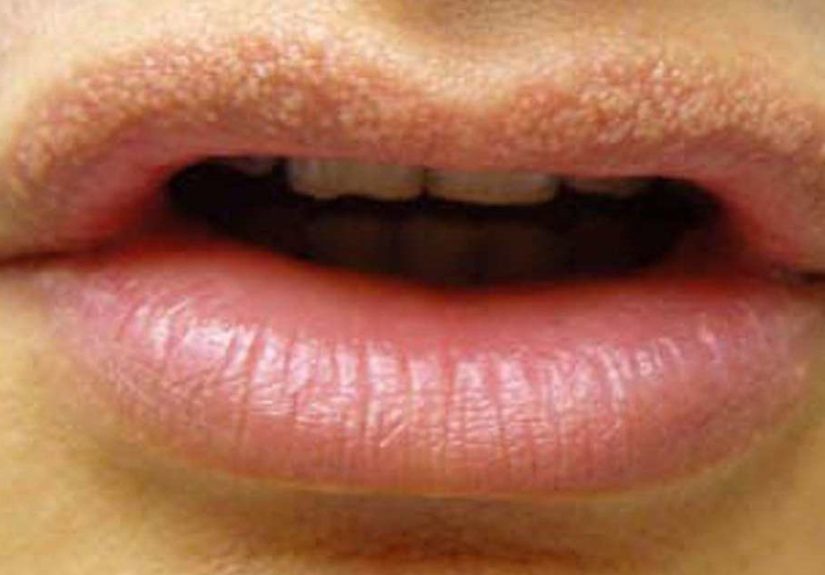
- Along the border of the lips (especially the line where the pink/red lip meets facial skin)
- Inside the cheeks or other oral areas
- On external genital skin (in both males and females)
Because these areas can be sensitive emotionally (and sometimes literally), it’s extra common for people to worry. But
in most cases, Fordyce spots are simply a normal skin feature becoming more noticeable.
Síntomas (Symptoms): What Fordyce Spots Typically Look and Feel Like
Common appearance
Fordyce spots usually look like tiny white, pale yellow, or skin-colored bumps. They may appear in small
clusters, and they’re often fairly symmetricalyour skin likes balance, even when it’s being mildly dramatic.
Most are only a couple millimeters wide, and they can be easier to see under bright light or close-up mirrors (which,
honestly, should come with a warning label).
Do they hurt or itch?
Typically, no. Most people describe Fordyce spots as:
- Painless
- Not itchy
- Not tender
- Not oozing
Some people notice mild irritation if the skin gets rubbed, dried out, or picked at. (Your skin is not a bag of popcorn.
Please do not “test” bumps by squeezing them.)
Why they can look worse sometimes
Fordyce spots may appear more noticeable when:
- The skin is stretched
- You’re going through puberty or hormonal shifts
- The area is dry or irritated
- You’ve been hyper-focused on them (the brain’s zoom lens is powerful)
Factores de Riesgo (Risk Factors): Who Gets Fordyce Spots?
“Risk factor” is a funny phrase here, because Fordyce spots aren’t dangerous. But certain patterns are commonly reported
in clinical resources and dermatology literature.
1) Puberty and hormones
Fordyce spots are often present earlier in life but become more visible after puberty, when sebaceous glands
can enlarge and become more active. If you notice them in the teen years, that timing is very typical.
2) Age (adolescents and adults)
They’re commonly identified in teens and adults. In many people, they’re just not noticeable until laterkind of like
realizing your house has a weird creak after you’ve lived there for years.
3) Sex differences (a visibility thing, not a “fault” thing)
Many medical sources note Fordyce spots are reported more often in males, likely due to hormone differences and visibility
on certain skin surfaces. This does not mean females don’t get themthey do.
4) Natural skin variation (genetics and gland activity)
Some people simply have more noticeable sebaceous glands. Family traits, skin type, and how close glands sit to the surface
can all affect whether you see them.
5) Increased attention to skin changes
This one is very real: once you notice a spot, you’ll keep noticing it. It’s not that it’s necessarily growingit’s that
your brain has put it on the VIP list.
What Fordyce Spots Are Not
A major source of stress is that Fordyce spots can be confused with other bumps. Here are the big clarifications:
They are not an STI
Fordyce spots are not contagious and are not caused by sexual activity. They don’t “spread” to other
people through contact.
They are not herpes or genital warts
Herpes lesions tend to be painful and can blister; genital warts often have a different texture and pattern. If you’re
unsure what you’re seeingespecially if there’s pain, open sores, bleeding, or rapid changesget a medical evaluation.
A quick, respectful exam can save you weeks of anxiety.
They are not “angiokeratoma of Fordyce”
Confusing name alert: angiokeratoma of Fordyce is a different condition involving small vascular bumps. The shared word
“Fordyce” doesn’t mean it’s the same thing. If bumps are dark red/purple, bleed easily, or look very different from
typical pale/yellow Fordyce spots, ask a clinician to confirm what’s going on.
They are not Fox-Fordyce disease
Another name trap: Fox-Fordyce disease is a separate condition involving sweat glands and itchy bumps in specific body
areas. Similar-sounding names, different biology.
When to See a Doctor
Fordyce spots usually don’t need treatment. But you should seek medical advice if:
- The bumps are painful, itch intensely, or bleed
- You notice ulcers, blisters, or discharge
- The appearance changes quickly or spreads rapidly
- You’re simply not sure what the bumps are (totally valid)
If you’re a teen and the spots are in a private area, it can feel awkward to bring up. A practical option is starting with
a primary care clinician; you can also request a dermatologist referral. You deserve clear answers without judgment.
How Fordyce Spots Are Diagnosed
Diagnosis is usually straightforward: a clinician often identifies Fordyce spots by visual examination.
In uncertain cases, a dermatologist might use a dermatoscope (a special magnifier). Rarely, a biopsy is done if the diagnosis
is unclear or if there are unusual features that need ruling out.
Treatment Options (If You Want Them)
Medically speaking, Fordyce spots are harmless and don’t require treatment. In practice, people may seek treatment for
cosmetic reasons or because the spots trigger anxiety. If you’re considering treatment, it’s best to talk to a dermatologist
to weigh results vs. side effectsespecially because many “DIY fixes” on the internet are either ineffective or irritating.
1) Reassurance + leave them alone
This is the most common recommendation. Avoid picking, squeezing, or harsh scrubs. Irritation can make any bump look worse,
and it can also cause discoloration or scarring.
2) Topical options (dermatologist-guided)
Some clinicians may discuss topical retinoids or other prescription approaches to reduce visibility. These can irritate
sensitive skin and are not a casual “try it and see” productespecially on delicate areas. Use only under medical guidance.
3) In-office procedures
Dermatology clinics may offer procedures such as certain laser treatments or other targeted techniques.
These can improve appearance for some people but may come with downsides (temporary redness, pigment changes, or scarring risk).
If you’re considering a procedure, ask the clinician:
- What results are realistic for my skin tone and spot location?
- How many sessions are typical?
- What are the most common side effects?
- What’s the plan if discoloration or irritation happens?
4) What to avoid
Avoid “home surgery,” harsh acids, and random online kits promising instant removal. If a product advertises “burn them off,”
your skin would like to file a formal complaint.
Can You Prevent Fordyce Spots?
There’s no proven way to prevent them because they’re usually a natural feature of skin and glands. You can, however, reduce
the chance of irritation and make them less noticeable by:
- Keeping the area gently moisturized (especially lips)
- Using mild cleansers rather than harsh scrubs
- Avoiding picking or repeated friction
- Getting reassurance from a clinician if anxiety is driving repeated checking
Frequently Asked Questions
Are Fordyce spots dangerous?
In the vast majority of cases, no. They’re considered benign and don’t turn into cancer.
Do they go away?
They may become less noticeable over time, stay the same, or be more visible during certain life stages. If they bother you,
a dermatologist can discuss cosmetic options.
Can stress make them worse?
Stress doesn’t “cause” Fordyce spots, but it can absolutely increase monitoring and skin pickingboth of which can make any
bump more noticeable. If you find yourself checking repeatedly, set boundaries (like “one look, then done”) and consider
talking to someone you trust.
Bottom Line
Fordyce spots (manchas de Fordyce) are usually a normal, harmless findingmost often noticed around puberty or later, commonly
on the lips and sometimes on external genital skin. The biggest “risk factor” is simply having sebaceous glands and noticing
them. If you’re uncertain about what you’re seeing or you have pain, bleeding, blisters, or rapid changes, a clinician can
confirm the diagnosis and rule out look-alikes. And if your main issue is cosmetic concern, a dermatologist can help you
weigh realistic optionswithout internet chaos as your only advisor.
Real-Life Experiences: What People Commonly Notice (and Feel) About Fordyce Spots
People’s experiences with Fordyce spots tend to follow a surprisingly consistent storyline. It often starts with an
accidental discovery: someone catches their reflection in harsh bathroom lighting, zooms in on a selfie, or notices a texture
change while applying lip balm. The next stage is immediate confusionbecause tiny bumps, anywhere on the body, tend to trigger
the brain’s emergency broadcast system. Many people describe a moment of “Wait… has this always been here?” followed by a deep
dive into search results that range from calming medical explanations to wildly unhelpful panic fuel.
One of the most common themes is relief after reassurance. Once a clinician or credible medical resource
confirms Fordyce spots are normal and not contagious, many people report their anxiety drops quickly. The spots often look the
same as before, but the emotional experience changes: they stop scanning, stop comparing, and stop interpreting every bump as
a mystery illness. It’s a good reminder that “symptoms” aren’t always just physicalthey can be the stress of uncertainty,
especially when the location is sensitive or private.
Another frequent experience is the mirror effect: the more someone checks, the bigger the issue feels.
People describe getting stuck in a loopchecking in different lighting, stretching the skin to “see better,” and taking
repeated photos to compare day-to-day. Ironically, stretching skin often makes Fordyce spots appear more visible, which can
convince someone the bumps are getting worse even when nothing has changed. Dermatologists often encourage a “less checking”
approach for this reason: it protects both your skin and your peace of mind.
Some people experiment with skincare changes, especially when the spots are on or near the lips. A common pattern is trying
multiple products quicklyscrubs, acids, “pore clearing” treatmentsonly to end up with dryness or irritation that makes the
area look more noticeable. After that, many people discover a boring but effective strategy: gentle care. Mild cleansing,
consistent moisturizing, and avoiding picking usually leads to the best day-to-day appearance, even if it doesn’t “erase” the
spots. The skin tends to look calmer, which makes the bumps less obvious.
When Fordyce spots are in a private area, people often describe an extra layer of stress: worrying about relationships, fear
of being judged, or concern about what a partner might think. In real life, many partners don’t noticeor don’t careonce
it’s explained as a normal variation. Still, the anxiety can be real. People often feel better after hearing a clinician say,
plainly, “This is normal.” If you’re a teen, you might also worry about bringing it up at all. Many people find it easier to
start with a general statement (“I noticed some bumps and want to make sure it’s normal”) rather than over-explaining. Medical
professionals have seen it before. You won’t be the first, and you won’t be the last.
Finally, for those who pursue cosmetic treatment, experiences are mixed. Some people are happy with improvement after
dermatologist-guided procedures; others decide the maintenance, cost, or possible side effects aren’t worth it. The most
satisfied patients tend to be the ones who go in with realistic expectations: the goal is often “less noticeable,” not
“airbrushed perfection.” In the end, the most common “success story” isn’t dramatic removalit’s understanding what the spots
are, stopping the panic spiral, and letting skin be skin.