Table of Contents >> Show >> Hide
- Why Mac and Cheese Works (It’s Not Just Cheese)
- Stovetop vs. Baked Mac and Cheese
- The Building Blocks
- 1) Pasta: shape matters more than you think
- 2) Cheese: pick melt-friendly, flavor-forward options
- 3) Sauce: three dependable paths to creamy
- A. Classic béchamel (roux + milk) → add cheese off the heat
- B. Evaporated milk + pasta starch (quick stovetop method)
- C. Emulsification insurance (optional but powerful)
- Classic Creamy Macaroni and Cheese Recipe (Stovetop, With a Baked Option)
- Flavor Boosters That Make People Ask “What’s In This?”
- Popular Variations (Without Wrecking the Sauce)
- Troubleshooting: Fix Common Mac and Cheese Problems
- Make-Ahead, Storage, and Food Safety
- FAQ: Quick Answers for Real Kitchens
- Real-Life Mac & Cheese Moments ( of Relatable Experience)
- Conclusion
- SEO Tags
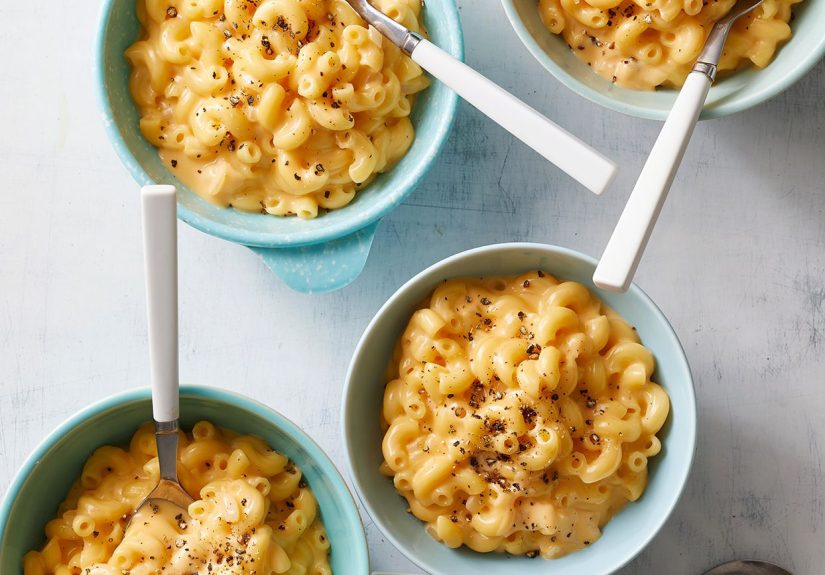
Macaroni and cheese is the culinary equivalent of a warm hoodie: not fancy, not trying too hard, and somehow exactly what you needed.
But here’s the fun twistreally great mac and cheese isn’t just “noodles + cheese = happiness.” It’s a tiny science project that rewards
you with creamy sauce, stretchy pulls, and a golden top that makes people suddenly “just need a little taste” (six times).
In this guide, you’ll get a foolproof homemade macaroni and cheese blueprint, plus the logic behind it: which cheeses melt best, why your
sauce sometimes turns grainy, how to choose stovetop vs. baked, and how to store leftovers safely without turning them into a sad brick.
We’ll keep it practical, flexible, and deliciousbecause mac and cheese should not require an advanced degree or emotional support whisk.
Why Mac and Cheese Works (It’s Not Just Cheese)
Comfort comes from balance: starch + dairy + heat control
At its best, mac and cheese is an emulsion: water-based ingredients (milk, pasta water) and fat (butter, cheese) held together so the sauce
stays glossy instead of separating into oily puddles. Pasta starch helps thicken and stabilize. Gentle heat keeps proteins in cheese from
tightening up into little clumps. When any of those go off the railstoo much heat, the wrong cheese, or not enough starchyou get the dreaded
grainy, broken sauce.
The good news? You can make mac and cheese reliably creamy using one of three proven approaches:
(1) a classic roux-and-milk base (béchamel, then cheese = Mornay),
(2) evaporated milk + starch for quick stovetop creaminess, or
(3) a little emulsification “insurance” (like a small amount of processed cheese or an emulsifying salt) when you want ultra-silky results.
Stovetop vs. Baked Mac and Cheese
Both are “real” mac and cheese. One is weeknight-friendly. The other is “bring a bigger spoon” friendly.
Stovetop mac and cheese
- Best for: fast cravings, ultra-creamy texture, minimal cleanup
- Texture: saucy and smooth (no baked crust unless you add it separately)
- Time: usually 15–25 minutes
Baked mac and cheese
- Best for: gatherings, make-ahead meals, crispy topping lovers
- Texture: thicker, set, scoopablewith that golden top
- Time: 30–50 minutes (plus optional prep)
If you’re feeding a crowd or want a crunchy breadcrumb lid, bake it. If you want instant comfort with maximum creaminess, stay on the stovetop.
Or do the best of both worlds: make it creamy on the stovetop, then broil briefly for a quick crunchy finish.
The Building Blocks
1) Pasta: shape matters more than you think
Elbows are classic, but shapes with ridges, curves, and pockets hold sauce better. Cavatappi, shells, and corkscrew shapes cling like they’re
paying rent. Whatever you choose, cook it just shy of al dente because it will keep softening when it meets hot sauce (and especially if you bake it).
2) Cheese: pick melt-friendly, flavor-forward options
For smooth melting, lean on semi-firm cheeses that were basically born for cheese sauce: sharp cheddar, Gruyère, fontina, Monterey Jack, Gouda,
and Swiss-style cheeses. Parmesan is great as a supporting actor (a salty boost), but can be fussy as the main event. Very aged cheeses can add
flavor, but they’re more likely to turn grainy if overheated.
Also: shredding your own cheese is worth it. Pre-shredded cheese often contains anti-caking agents that can interfere with silky melting.
This isn’t a moral failingjust a texture reality.
3) Sauce: three dependable paths to creamy
A. Classic béchamel (roux + milk) → add cheese off the heat
This is the traditional “grown-up” method that still tastes like childhood. You cook butter and flour briefly (roux), whisk in milk, simmer until
it thickens, then add cheese gradually with the heat lowered or off. The order matters: cheese behaves better when added to thickened milk rather than
cooked too early at high heat.
B. Evaporated milk + pasta starch (quick stovetop method)
Evaporated milk is concentrated, so it brings extra milk proteins that help the sauce stay emulsified. Combine that with pasta starch and gentle heat,
and you get a fast, creamy sauce without building a roux. This is ideal when you want “cheesy now,” not “cheesy after a philosophical journey.”
C. Emulsification insurance (optional but powerful)
If you’ve ever had boxed mac and cheese that stays smooth no matter what you do to ityes, even if you walk away for 30 secondsthank emulsifiers.
You can mimic some of that stability at home by adding a small amount of processed cheese (just a little) or using an emulsifying salt like sodium citrate
when you want ultra-silky, consistently smooth cheese sauce. It’s optional, not required, and definitely not cheating (the mac and cheese police are busy).
Classic Creamy Macaroni and Cheese Recipe (Stovetop, With a Baked Option)
This recipe gives you a rich, dependable homemade mac and cheese with room to customize. Make it stovetop-creamy, or bake it for a golden top.
Ingredients (serves 6)
- 12 oz elbow macaroni, cavatappi, or shells
- 3 tbsp unsalted butter
- 3 tbsp all-purpose flour
- 2 1/2 cups milk (whole milk is ideal; 2% works)
- 1/2 tsp kosher salt, plus more for pasta water
- 1/2 tsp black pepper
- 1/2 tsp mustard powder (optional, highly recommended)
- Pinch of nutmeg (optional, tiny but mighty)
- 3 cups freshly grated cheese blend (see below)
- Optional “insurance”: 2–3 oz American cheese (only if you want extra-stable silkiness)
Great cheese blend examples (choose one)
- Classic: 2 cups sharp cheddar + 1 cup Gruyère
- Mellow + creamy: 2 cups cheddar + 1 cup Monterey Jack
- Bold: 2 cups extra-sharp cheddar + 1 cup smoked Gouda
Step-by-step
- Boil the pasta. Bring a large pot of water to a boil and salt it generously. Cook pasta 1 minute less than the package suggests (al dente-ish).
Drain and set aside. - Make the roux. In the same pot (wipe it out if needed), melt butter over medium heat. Whisk in flour and cook 1–2 minutes, whisking constantly,
until it smells lightly nutty (not browned, not burnt, not “help”). - Whisk in milk. Slowly pour in milk while whisking to prevent lumps. Bring to a gentle simmer and cook 3–5 minutes, whisking, until the sauce
thickens enough to coat a spoon. - Season smart. Stir in salt, pepper, mustard powder, and nutmeg (if using). These add depth without turning your mac into a spice rack audition.
- Add cheese gently. Reduce heat to low (or turn it off). Add cheese in small handfuls, whisking until smooth between additions. If using American cheese
for extra stability, add it early in this step so it melts fully. - Combine. Add drained pasta to the sauce and stir until every curve and crevice is coated. Taste and adjust seasoning.
To bake it (optional, but glorious)
- Preheat oven to 375°F.
- Pour mac and cheese into a buttered 9×13-inch baking dish.
- Optional topping: mix 3/4 cup panko breadcrumbs with 2 tbsp melted butter and a pinch of salt, then sprinkle on top.
Add a little extra cheese on top if you’re feeling generous (and you should be). - Bake 15–20 minutes until bubbling at the edges. Broil 1–2 minutes for extra browningwatch closely.
- Rest 5–10 minutes before serving so it sets slightly and doesn’t lava-slide onto plates.
Flavor Boosters That Make People Ask “What’s In This?”
Small additions, big payoff
- Mustard powder: Enhances cheese flavor and can help with smoothness without tasting like mustard.
- Nutmeg: A classic béchamel noteuse a tiny pinch. Tiny. Like “blink and you missed it.”
- Garlic or onion powder: Adds savoriness without changing the identity of the dish.
- Smoked paprika: Adds gentle smokiness (especially good with Gouda).
- Hot sauce or cayenne: A little heat makes the cheese taste cheesier.
Popular Variations (Without Wrecking the Sauce)
Veggie-friendly add-ins
- Roasted broccoli or cauliflower: roast first to avoid watery mac.
- Spinach: stir in at the end so it wilts without leaking too much moisture.
- Butternut squash purée: adds velvety texture and subtle sweetness (great for picky eaters).
Protein add-ins
- Shredded chicken: mix in at the end so it warms through without drying out.
- Ground turkey with mild seasoning: turns mac into a full meal.
- Beans: a surprisingly good, budget-friendly option (and sauce-friendly).
Texture upgrades
- Crunchy topping: buttered panko or crushed crackers
- Extra creamy: stir in a spoonful of sour cream or Greek yogurt off-heat
- Ultra silky: use a small amount of emulsification insurance (see above)
Troubleshooting: Fix Common Mac and Cheese Problems
“My sauce is grainy.”
Most often: too much heat, too-aged cheese, or dumping all the cheese in at once. Fix it by lowering the heat, adding cheese gradually, and whisking steadily.
For prevention, use melt-friendly cheeses and consider a stabilizer (mustard powder, cornstarch toss, or a little processed cheese) for extra forgiveness.
“My sauce is too thick.”
Thin it with warm milk, a splash at a time, whisking until it loosens. Pasta keeps absorbing sauce as it sits, so “slightly looser than you think” is often correct.
“My sauce is too thin.”
Simmer it gently a bit longer to reduce, or add a small handful of cheese and whisk until melted. If you’re baking, remember it thickens as it bakes and cools.
“It tastes bland.”
Salt matters. So does sharp cheese. Add salt in small steps, plus a flavor booster like mustard powder or a dash of hot sauce. A little acid (like a tiny squeeze of lemon)
can brighten heavy flavorsuse sparingly.
Make-Ahead, Storage, and Food Safety
Mac and cheese is an excellent make-ahead dish, especially baked versions. Cool leftovers quickly, store them properly, and reheat safely to keep both flavor and food safety in a good place.
Make-ahead tips
- For baked mac: assemble, cover, refrigerate, then bake when needed. Add a few extra minutes if it’s going in cold.
- For stovetop mac: it’s best fresh, but you can prep cheese and measure ingredients ahead to move fast at dinner time.
Storage tips
- Refrigerate leftovers within 2 hours (1 hour if it’s very hot out).
- Use shallow containers so it cools faster.
- Plan to eat refrigerated leftovers within about 3–4 days.
Reheating tips
- Reheat until steaming hot; for best safety, aim for 165°F.
- Add a splash of milk before reheating to bring back creaminess.
- Reheat only what you plan to eat to avoid repeated heat-and-cool cycles that hurt texture.
FAQ: Quick Answers for Real Kitchens
Do I have to bake mac and cheese?
Nope. Stovetop mac and cheese can be incredibly creamy and satisfying. Bake it when you want that golden crust or need a casserole-style dish.
Can I use pre-shredded cheese?
You can, but freshly grated typically melts smoother. If you must use pre-shredded, choose a high-quality brand and keep your heat low.
What’s the “best” cheese for mac and cheese?
The best cheese is the one that melts well and tastes like you want it to taste. Cheddar brings classic flavor. Gruyère adds nutty depth. Jack adds creaminess.
Mixing cheeses usually beats relying on just one.
Real-Life Mac & Cheese Moments ( of Relatable Experience)
Macaroni and cheese has a weird superpower: it shows up in your life whether you plan for it or not. It’s there when you’re a kid, staring at a bowl like it’s
a treasure chest of tiny elbows. It’s there in college when you “cook” by bravely boiling pasta and calling it a day. It’s there later, when you suddenly care
about words like “béchamel” and realize your whisk has been doing more cardio than you have.
It’s also the dish that teaches you kitchen confidence in the most forgiving way. The first time you make homemade mac and cheese, you might hover over the pot
like it’s defusing a bomb. You stir, you squint, you panic the moment the sauce thickens (“Is it supposed to do that?”), and you discover that yes, it’s supposed
to do thatbecause flour and butter and milk are basically the original kitchen magic trick.
Then comes the cheese moment: the dramatic handful-by-handful addition. This is where patience pays off. You learn the difference between “melting” and “breaking,”
and you start treating heat like a volume knob instead of an on/off switch. Low and steady wins. And when the sauce turns glossy and smooth, you feel like you’ve
unlocked a secret level of adulthoodright up until you realize you still ate it straight out of the pot with a spoon. Growth is a journey.
Mac and cheese also has a habit of becoming the unofficial peace treaty at gatherings. Someone’s picky? Mac and cheese. You need a side dish that doesn’t start a debate?
Mac and cheese. You want people to linger at the table instead of disappearing into their phones? Put a bubbly casserole of baked mac down and watch the conversation
magically become, “Who made this?” followed by, “Can I take some home?” (The answer is always yes, but you might mentally note who asked.)
And let’s talk leftoversthe next-day miracle that’s either unbelievably satisfying or weirdly dry, depending on how you reheat it. Everyone eventually learns the same
lesson: mac and cheese likes a little moisture on the second round. A splash of milk, a quick stir, gentle heat, and suddenly yesterday’s comfort food becomes today’s
“I totally have my life together” lunch. Bonus points if you reheat it in the oven with a fresh sprinkle of cheese on top. It’s basically giving your mac and cheese a makeover.
Maybe the most universal mac and cheese experience is this: you make it “for later,” take a taste, take another taste, and somehow “later” becomes “now.”
That’s not a lack of willpower. That’s mac and cheese doing its job.
Conclusion
The best macaroni and cheese is the one you can make confidently, tweak easily, and serve proudlywhether it’s stovetop-creamy for a weeknight or baked and golden for a
celebration. Use melt-friendly cheeses, treat heat gently, and remember that small details (freshly grated cheese, a pinch of mustard powder, properly salted pasta water)
add up to big results. Once you learn the “why,” you can make the “wow” whenever you want.