Table of Contents >> Show >> Hide
- What Is Localized Pustular Psoriasis?
- Symptoms of Localized Pustular Psoriasis
- What Causes Localized Pustular Psoriasis?
- How Doctors Diagnose It
- Management and Treatment Options
- When to Seek Medical Help Quickly
- Long-Term Outlook
- Experience: What Living With Localized Pustular Psoriasis Can Actually Feel Like
- Final Thoughts
Localized pustular psoriasis is one of those skin conditions that sounds rare, looks dramatic, and has a talent for showing up exactly where life is already inconvenient. Need to walk? It may flare on your soles. Need to type, cook, drive, text, or open a jar like a normal human? It may choose your hands. Unlike classic plaque psoriasis, this form is defined by small pus-filled bumps called pustules. They can be painful, stubborn, and honestly rude.
The good news is that localized pustular psoriasis is manageable, even if it tends to be chronic and unpredictable. The key is understanding what it is, what it is not, what tends to trigger it, and which treatments actually make sense. This guide breaks down the symptoms, causes, diagnosis, and management of localized pustular psoriasis in plain English, with enough depth to be useful and without sounding like a dermatology textbook swallowed a dictionary.
What Is Localized Pustular Psoriasis?
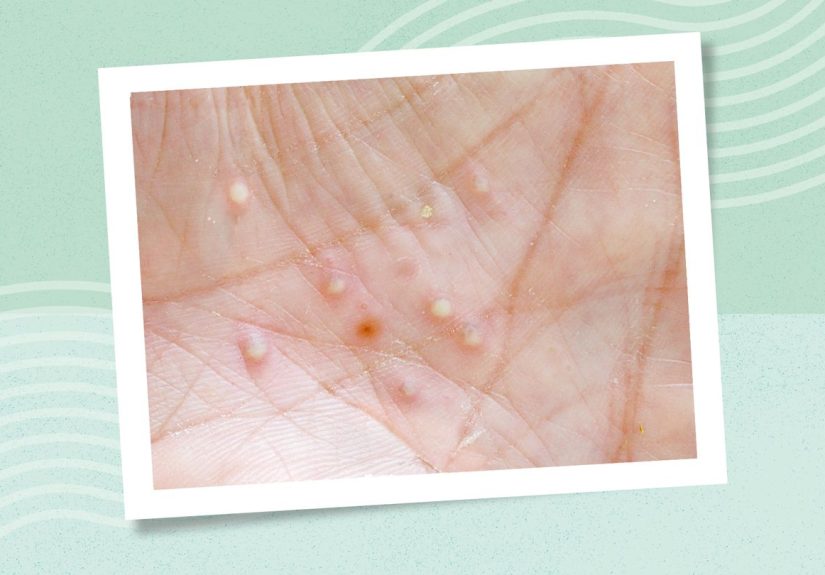
Localized pustular psoriasis is a form of psoriasis in which sterile pustules develop in specific areas rather than across most of the body. “Sterile” is the important word here. These bumps may look infected, but the pus is caused by inflammation, not by bacteria. In other words, it looks like something that wants antibiotics, but often what it really wants is a dermatologist.
In practical terms, localized pustular psoriasis usually appears in two main patterns:
Palmoplantar pustular psoriasis
This type affects the palms of the hands, the soles of the feet, or both. It is also called palmoplantar pustulosis. It is the most common localized form of pustular psoriasis. Flares can bring clusters of yellow-white pustules on discolored, thickened skin. As the pustules dry out, the skin may turn brown, peel, crack, and feel painfully tight. Because the hands and feet are high-use areas, even a small flare can feel much bigger than it looks.
Acrodermatitis continua of Hallopeau
This is the rarer, more dramatic cousin. It usually starts on the tips of the fingers or toes and often involves the nail area. The skin may become red or discolored, tender, and pustular around the nail folds. Nails can thicken, deform, loosen, or break down over time. In persistent cases, this form can slowly spread beyond one digit and become difficult to control.
Localized pustular psoriasis is different from generalized pustular psoriasis, which can affect large areas of the body and may come with fever, chills, rapid illness, and other systemic symptoms. That generalized form is considered a medical emergency. Localized disease is usually not life-threatening, but it can still be severely painful and disruptive.
Symptoms of Localized Pustular Psoriasis
The symptoms can vary from person to person, but the core pattern is pretty recognizable once you know what to look for. Common signs include:
- Clusters of white or yellow pustules on the palms, soles, fingertips, or toes
- Red, brown, purple, or otherwise discolored inflamed skin beneath or around the pustules
- Thickened, scaly, or flaky skin
- Pain, burning, tenderness, or itching
- Skin cracking, also called fissuring
- Dryness and peeling after the pustules fade
- Nail changes, especially with fingertip or toe involvement
- Symptoms that improve, then come roaring back like they own the place
Many people notice that the pustules do not stay bright and fresh-looking for long. They may dry, darken, flatten, and peel away, only to be replaced by a new crop in the same area. That cycle is one reason people often mistake the condition for infection, eczema, athlete’s foot, or contact dermatitis before receiving the correct diagnosis.
Location matters a lot. On the feet, a flare can make standing, walking, exercising, or even wearing shoes feel miserable. On the hands, it can interfere with writing, buttoning clothes, washing dishes, or using a phone. With ACH, nail pain and distortion can turn small daily tasks into ridiculous little battles.
What Causes Localized Pustular Psoriasis?
The exact cause is not fully understood, but the big-picture explanation is clear: psoriasis is driven by an overactive immune response that speeds up skin-cell turnover and fuels inflammation. Skin cells pile up too fast, inflammatory cells move in, and the result is skin that becomes thick, irritated, and pustular.
That is the engine. Triggers are the gas pedal. Localized pustular psoriasis may flare in response to one or more of the following:
- Smoking: This is one of the strongest associations, especially with palmoplantar pustular psoriasis.
- Stress: Emotional stress can intensify immune-driven skin disease and make flares more likely.
- Infections: Bacterial infections and other illnesses may trigger or worsen symptoms.
- Certain medications: Some medicines, or sudden changes in medicines, can set off pustular psoriasis in susceptible people.
- Skin injury: Cuts, friction, burns, bites, or repeated trauma can trigger psoriasis in affected skin.
- Too much ultraviolet exposure: Sunlight can help some people, but overdoing UV exposure can backfire.
- Hormonal and immune changes: In some cases, pregnancy or other body-wide changes may play a role.
There is also a genetic angle. Some people seem to inherit a tendency toward psoriasis or inflammatory skin disease, then environmental triggers help decide when it shows up and how loudly it announces itself.
One more important point: localized pustular psoriasis is not caused by poor hygiene. It is not contagious. You cannot catch it from someone, and they cannot catch it from you. That sounds obvious to a dermatologist, but not always to a patient staring at blister-like bumps on their own hands and wondering whether they touched something cursed.
How Doctors Diagnose It
Diagnosis usually begins with a careful skin exam and medical history. A dermatologist will look at the appearance, location, pattern, and timing of the rash. They may ask whether you have had psoriasis elsewhere on the body, whether you smoke, whether your nails have changed, whether you have joint pain, and whether you recently had an infection, medication change, or skin injury.
Sometimes the diagnosis is straightforward. Sometimes it is not. Localized pustular psoriasis can mimic several other conditions, including:
- Dyshidrotic eczema
- Allergic or irritant contact dermatitis
- Fungal infections of the hands or feet
- Bacterial infection
- Classic palmoplantar psoriasis without pustules
When the picture is unclear, a dermatologist may order a skin biopsy, a culture, or allergy testing. That does not mean something terrible is happening. It usually just means the skin is being annoyingly ambiguous, and your doctor wants proof before choosing a treatment plan.
Joint symptoms matter too. If you also have swollen fingers, morning stiffness, heel pain, or ongoing joint aches, your clinician may consider psoriatic arthritis. Skin and joints sometimes travel as an unwelcome pair.
Management and Treatment Options
There is no permanent cure for localized pustular psoriasis, but there are many ways to manage it. Treatment depends on severity, location, nail involvement, prior response to therapy, and how much the condition affects daily life.
1) Topical treatments
For milder or more limited disease, topical therapy is often the first step. Common options include:
- Topical corticosteroids: These reduce inflammation and are often the workhorse treatment, especially on thicker skin such as palms and soles.
- Vitamin D analogs: These can help slow skin-cell overproduction and are often paired with steroids.
- Topical retinoids: These may help normalize skin-cell turnover in some cases.
- Keratolytics: Ingredients such as salicylic acid can help soften scale so other medicines penetrate better.
- Moisturizers and ointments: These do not treat the immune problem, but they do help with dryness, cracking, and irritation.
Because palm and sole skin is thick, treatment often has to be stronger or used more strategically than it would be on thinner skin. Some clinicians also use occlusion, meaning medication is covered to help it absorb more effectively.
2) Phototherapy
If topicals are not enough, light therapy may be the next move. Controlled ultraviolet treatment can slow skin-cell turnover and reduce inflammation. Depending on the case, a dermatologist may use UVB, PUVA, or a targeted treatment such as an excimer laser for localized patches.
Phototherapy is not the same as randomly roasting yourself in the sun and hoping for the best. Medical light therapy is measured, supervised, and designed to balance benefits against risks such as irritation, burns, and long-term UV damage.
3) Systemic medications
When localized pustular psoriasis is severe, disabling, nail-destructive, or resistant to simpler treatment, systemic therapy may be needed. This means medicines that work throughout the body, not just on the skin’s surface.
Depending on the situation, a dermatologist may consider:
- Acitretin
- Methotrexate
- Cyclosporine
- Apremilast
- Biologic medicines that target specific inflammatory pathways
There is no single universal “best” drug for every patient. Localized pustular psoriasis can be stubborn, and some people need a combination approach. Treatment may also change over time if a therapy stops working, causes side effects, or no longer fits the severity of the disease.
4) Skin-care and lifestyle support
Medical treatment matters, but daily habits matter too. Small changes can make flares less punishing:
- Use thick, fragrance-free moisturizers regularly
- Keep showers warm, not hot
- Avoid harsh soaps and irritating cleansers
- Protect hands with gloves during wet work or chemical exposure
- Wear supportive shoes and breathable socks if feet are affected
- Avoid picking, peeling, or scratching pustules and scale
- Track patterns to identify triggers
- Stop smoking if you smoke
- Work on stress management in a realistic, sustainable way
No, a moisturizer is not going to magically negotiate peace with your immune system. But it can reduce cracking, improve comfort, and help prescription treatments work better. In chronic skin disease, boring consistency is often more powerful than dramatic experimentation.
When to Seek Medical Help Quickly
Localized pustular psoriasis is usually managed as an outpatient condition, but some situations deserve prompt medical attention. Contact a clinician sooner rather than later if:
- You are not sure whether the rash is psoriasis, infection, or something else
- The pain is severe or you cannot walk or use your hands normally
- Your nails are breaking down or becoming increasingly distorted
- The rash is rapidly spreading
- You develop fever, chills, weakness, or feel acutely ill
- You notice pus with warmth, swelling, or other signs that suggest true infection
- You have new joint pain or swelling
If large areas of skin become inflamed and pustular or you develop fever and systemic symptoms, seek urgent care immediately. That pattern raises concern for generalized pustular psoriasis or another serious inflammatory reaction.
Long-Term Outlook
Localized pustular psoriasis is often chronic. That means it tends to wax and wane instead of politely disappearing forever. Some people have occasional flares with long quiet stretches. Others deal with recurring symptoms for years. The condition can be frustrating precisely because it may look limited on the surface while having an outsized effect on mobility, work, sleep, and mood.
Still, prognosis is not hopeless. Many people improve with the right diagnosis, trigger control, and treatment plan. The biggest delays usually happen when the condition is mistaken for infection, fungus, or eczema, or when people try to tough it out for months because the rash is “only” on the hands or feet. In reality, those are some of the most high-impact places psoriasis can strike.
Experience: What Living With Localized Pustular Psoriasis Can Actually Feel Like
Reading about symptoms is useful. Living them is something else entirely.
For many people, localized pustular psoriasis begins with confusion. A person notices tiny blisters or pustules on the hands or feet and assumes it must be an allergy, athlete’s foot, eczema, a reaction to soap, or some kind of infection. Then the rash does not behave. It dries out, peels, cracks, returns, and starts building a repeat-performance schedule nobody asked for. That uncertainty can be as stressful as the skin itself.
When the palms are affected, everyday life gets weirdly complicated. Holding a steering wheel too long can sting. Washing dishes can burn. Hand sanitizer becomes less of a hygiene tool and more of a fire-themed personality test. Even friendly social rituals, like handshakes, can become awkward if the skin looks inflamed or feels painful. People may pull back socially, not because the condition is contagious, but because they are tired of explaining that it is not.
Foot involvement can be even more disruptive. A flare on the soles may turn walking into a negotiation. Standing at work, exercising, chasing kids, grocery shopping, or just getting through a normal day can become exhausting when each step lands on cracked, tender skin. Some people start planning their lives around shoes, soft socks, and how long they can stay on their feet before pain wins the argument.
Then there is the visual side of it. Localized pustular psoriasis can be deeply frustrating because it often affects visible, functional body parts. Hands are always out in the world. Feet may be less public, but they control movement. When ACH involves the nail area, the emotional burden can increase. Nails may thicken, lift, crumble, or change shape, and that can affect confidence just as much as comfort.
There is also a stop-and-start rhythm to the condition that can wear people down. A flare improves, hope returns, a person gets brave enough to believe things are calming down, and then a new round appears in the same spot. That cycle can create irritation, anxiety, and treatment fatigue. People may start asking, “Is this my soap? My stress? My shoes? My job? My diet? The weather? Mercury in retrograde?” Fair question. Chronic inflammatory skin disease can make anyone feel like a detective with too few clues.
But the experience is not only about frustration. Many people do better once they get a correct diagnosis and a realistic plan. They learn which triggers are most relevant, which shoes are less irritating, which creams actually help, and when a flare means “step up treatment” instead of “panic.” They also learn something important: needing care for a condition on the hands or feet is not vanity. It is function. It is pain control. It is quality of life.
That matters. Because even when localized pustular psoriasis covers a relatively small area, it can take up a very large amount of physical and mental space. Good management is not about chasing perfect skin every single day. It is about reducing pain, protecting mobility, preserving nail function, shortening flares, and making ordinary life feel ordinary again.
Final Thoughts
Localized pustular psoriasis may be limited in size, but it is rarely limited in impact. Whether it appears as palmoplantar pustular psoriasis on the hands and feet or as ACH around the fingertips, toes, and nails, it can interfere with movement, comfort, confidence, and routine. The condition is driven by inflammation, not infection, and it usually needs a thoughtful medical plan rather than guesswork.
If you suspect localized pustular psoriasis, the smartest move is to get a precise diagnosis early. Once you know what you are dealing with, treatment becomes far less random. With the right mix of prescription care, skin protection, trigger management, and patience, many people can gain much better control over symptoms and reduce the condition’s ability to hijack daily life.