Table of Contents >> Show >> Hide
- Quick Snapshot: What You’re Getting with ‘Limelight’
- Why ‘Limelight’ Is a Big Deal (Even If You’re Not a “Hydrangea Person”)
- Choosing the Right Spot: Sun, Soil, and Spacing
- How to Plant Limelight Hardy Hydrangea (Without Overthinking It)
- Watering: The Most Common Reason Limelight Looks “Off”
- Fertilizing: Feed for Blooms, Not for a Giant Green Monster
- Pruning Limelight Hydrangea: The “New Wood” Advantage
- Can You Train Limelight Hydrangea into a Tree Form?
- Bloom Performance: How to Get Bigger, Better Flowers
- Landscape Design Ideas: Where Limelight Hydrangea Shines
- Common Problems (and How to Fix Them Without Spiraling)
- Winter Care: Easy Mode
- Propagation: Can You Make More Limelights?
- FAQ: Quick Answers for Busy Gardeners
- Experience Notes: What Gardeners Commonly Notice with Limelight (The Real-Life Section)
- Conclusion
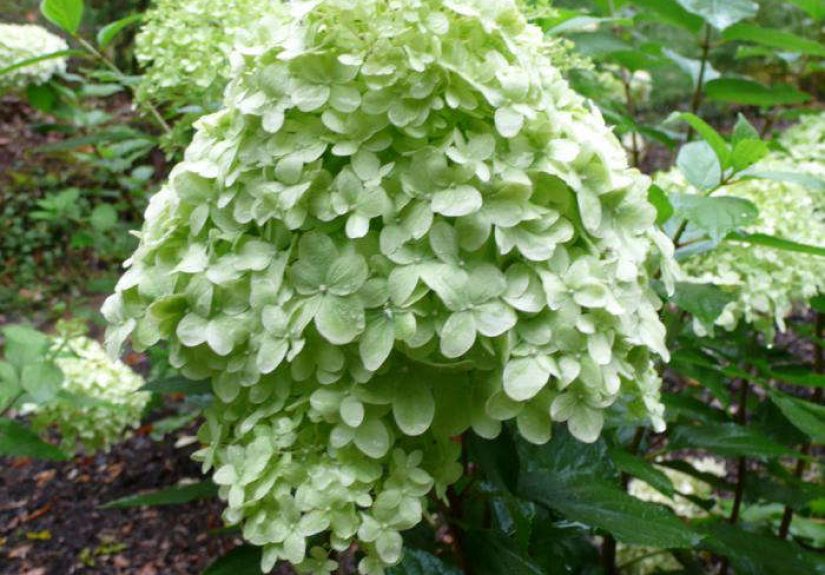
If you’ve ever wanted a shrub that behaves like a low-drama friendshows up on time, looks great in photos, and doesn’t need daily emotional supportmeet Limelight hardy hydrangea (Hydrangea paniculata ‘Limelight’). This panicle hydrangea became a backyard celebrity for a reason: it’s cold-hardy, reliably blooms on new wood (translation: a late frost won’t steal your flowers), and throws big, cone-shaped blooms that shift from creamy-lime to pinky-rose like it’s changing outfits for each season.
In this guide, we’ll dig into what makes ‘Limelight’ such a dependable landscape workhorse, how to plant it for long-term success, and how to prune it without panic. We’ll also cover real-world tips for bigger blooms, sturdier stems, and fewer “why is it sad?” momentsplus a longer experience-based section at the end that reads like the group chat of people who have actually lived with this plant (and still like it).
Quick Snapshot: What You’re Getting with ‘Limelight’
- Botanical name: Hydrangea paniculata ‘Limelight’
- Common name: Limelight hardy hydrangea (panicle hydrangea)
- Size at maturity: typically 6–8 feet tall and wide (give it room or commit to pruning)
- Bloom type: large cone-shaped panicles
- Bloom timing: mid-to-late summer into fall (often long-lasting)
- Light: full sun to part sun/partial shade (more sun = more flowers, but don’t let it bake dry)
- Pruning group: blooms on new wood (your pruning stress level just dropped)
- Best uses: specimen shrub, hedge/screen, mixed borders, cut and dried flowers
Why ‘Limelight’ Is a Big Deal (Even If You’re Not a “Hydrangea Person”)
Some hydrangeas are like high-maintenance divas: gorgeous, but they’ll punish you for pruning at the wrong time, putting them in the wrong sun, or looking at them funny during a late frost. ‘Limelight’ is different. As a panicle hydrangea, it forms flower buds on the season’s fresh growth, meaning it’s much less likely to ghost you on blooms after a rough winter or an over-eager spring cleanup.
Then there’s the color show. The blooms typically emerge in creamy tones, develop that signature chartreuse-lime look, and later blush into pink to rose shades before drying to a soft beige. It’s basically a single shrub performing a seasonal montageno costume change budget required.
Choosing the Right Spot: Sun, Soil, and Spacing
Light: How Much Sun Does Limelight Hydrangea Need?
‘Limelight’ is happy in full sun to partial shade. In many U.S. gardens, a sweet spot is morning sun with afternoon shadeenough light for strong blooming, with a break from peak heat. If you’re planting in full sun, consistent soil moisture matters more (because “full sun + dry soil” is how you get crispy leaves and a plant that looks personally offended).
Soil: “Moist but Well-Drained” Is Not a VibeIt’s a Requirement
Limelight hardy hydrangea prefers soil that holds moisture but doesn’t stay soggy. Think: damp sponge, not swamp. If your soil is heavy clay, add compost and consider a slightly raised planting area. If your soil is sandy, compost and mulch are your best friends for keeping moisture in the root zone.
Spacing: Don’t Plant It Like It’s a Petite Shrub
This plant can reach 6–8 feet in height and width, which is fantastic for impact and hedgingbut only if you don’t cram it into a 3-foot space and then act surprised when it starts “redecorating” your walkway. For hedges, space plants so they can touch slightly at maturity without becoming a tangled mass.
How to Plant Limelight Hardy Hydrangea (Without Overthinking It)
- Dig a wide hole (about 2–3x the width of the root ball) so roots can expand easily.
- Plant at the same depth the shrub was growing in its containerno burying the crown.
- Backfill with native soil loosened and lightly amended with compost if needed.
- Water deeply right after planting to settle soil around roots.
- Mulch 2–3 inches (keep mulch a few inches away from the stems).
Planting timing: spring and fall are generally easiest on the plant. Summer planting is possible, but it demands more attentive watering until roots establish.
Watering: The Most Common Reason Limelight Looks “Off”
New shrubs need steady moisture while they establish. A good rule: deep watering when the top couple inches of soil are dry. In hot weather or full sun, that may be more frequent. Once established, ‘Limelight’ is more forgiving than many hydrangeas, but it still performs best with consistent moistureespecially during bud set and bloom season.
Pro tip: Water the roots, not the leaves
Wet foliage plus warm, humid conditions can encourage disease. Soaker hoses or drip irrigation keep water where it belongs: at the root zone.
Fertilizing: Feed for Blooms, Not for a Giant Green Monster
Limelight hydrangea doesn’t require heavy feeding. In average garden soil, an annual top-dressing of compost and mulch can be enough. If growth is weak or blooms are smaller than expected, use a balanced, slow-release fertilizer in spring. Avoid overdoing nitrogentoo much can produce lush leaves at the expense of sturdy stems and flower size.
Pruning Limelight Hydrangea: The “New Wood” Advantage
Here’s the headline: ‘Limelight’ blooms on new wood. That means it forms flower buds on growth produced in the current season, so pruning in late winter or early spring won’t delete your summer flowers. This is one reason ‘Limelight’ is often recommended for gardeners who don’t want a pruning pop quiz every year.
When to prune
- Late winter to early spring is idealbefore strong new growth starts.
- You can also do light cleanup in fall, but many gardeners leave the dried flower heads for winter interest.
How much to prune
A common approach is to cut back by about one-third to encourage strong new shoots and large blooms. Remove dead, damaged, or crossing branches first, then shape the shrub. If your plant has gotten too big, you can prune harderbut extreme cuts may reduce stem strength if the plant pushes very long new growth.
How to prune for stronger stems and tidier shape
- Remove the oldest, woodiest stems at the base (selectively) to refresh the shrub over time.
- Thin crowded interior growth to improve airflow.
- Make cuts just above healthy buds, using sharp, clean pruners.
Can You Train Limelight Hydrangea into a Tree Form?
Yespanicle hydrangeas are among the easiest hydrangeas to train into a standard (“tree”) form, but it’s a commitment. You’ll select a strong central leader, remove competing shoots, and gradually build a canopy by pruning annually. This works best when you start with a young plant or a nursery specimen already trained.
Practical note: “tree form” is mostly a styling choice. In windy sites or heavy rain, shrubs with multiple stems can be more stable. If you love the look, go for itjust plan on regular maintenance pruning to keep the structure.
Bloom Performance: How to Get Bigger, Better Flowers
1) Give it enough sun
Too much shade can mean fewer blooms and leggier growth. If your plant is healthy but stingy with flowers, evaluate light first.
2) Water consistently in summer
Drought stress can reduce bloom size and shorten the show. Mulch helps a lot here.
3) Prune with purpose
Annual pruning (often about one-third) encourages vigorous new shoots that support large panicles. Skipping pruning won’t necessarily stop blooms, but the plant may get lankier over time.
4) Don’t over-fertilize
If your plant is a leafy superstar but the blooms feel underwhelming, scale back fertilizerespecially high-nitrogen formulas.
Landscape Design Ideas: Where Limelight Hydrangea Shines
As a specimen shrub
One mature ‘Limelight’ can anchor a foundation bed or a corner of the yard with a “wow, that’s a shrub?” presence.
As a flowering hedge or privacy screen
Because it grows tall and wide, it’s excellent for seasonal privacy. Plant a row, keep them evenly pruned, and you’ll get a soft, blooming wall that looks way friendlier than a fence.
In mixed borders
Pair it with shrubs and perennials that contrast in texture: ornamental grasses, coneflowers, black-eyed Susans, salvia, or evergreen shrubs for winter structure.
For cut and dried flowers
The big panicles are popular for vases and drying. For fresh arrangements, cut when blooms are more developed and stems are firm. For drying, many gardeners wait until blooms start to blush pink and feel slightly papery.
Common Problems (and How to Fix Them Without Spiraling)
Wilting on hot afternoons
Some temporary wilt during peak heat can happen, especially in full sun. If the plant perks up in the evening, it’s often heat stress. The fix: deep watering, thicker mulch, and (if needed) some afternoon shade in extreme climates.
Brown leaf edges
Often caused by drought stress, hot winds, or inconsistent watering. Improve watering habits and mulch. Check that the plant isn’t being roasted by reflected heat (hello, south-facing brick walls).
Flopping stems after rain
Big blooms can get heavy. Pruning to encourage strong stems helps. Avoid high-nitrogen fertilizer that creates extra-soft growth. If flopping is persistent, selective thinning and a slightly more open structure can improve support.
Leaf spots and mildew
Fungal leaf spots and powdery mildew can show up, especially in humid weather or crowded plantings. Good airflow, watering at the base, and cleaning up fallen leaves help reduce recurrence. If disease pressure is severe year after year, consult local extension guidance for targeted control options.
Winter Care: Easy Mode
In cold climates, ‘Limelight’ is valued because it’s tough. A 2–3 inch mulch layer helps protect roots and moderates soil temperature. Leave the dried flower heads if you like winter interest; remove them during late-winter pruning.
Propagation: Can You Make More Limelights?
Many gardeners propagate panicle hydrangeas from cuttings. Softwood cuttings in early summer are commonly used. You’ll get the best results with healthy, non-flowering shoots, high humidity, and patiencebecause plants refuse to be rushed, no matter how politely you ask.
FAQ: Quick Answers for Busy Gardeners
Is Limelight hydrangea deer resistant?
No hydrangea is truly deer-proof. In many areas, deer will sample new growth. If deer pressure is high, use repellents and protective fencingespecially in spring.
Does soil pH change Limelight’s bloom color?
Unlike bigleaf hydrangeas (the blue/pink drama queens), panicle hydrangeas don’t shift bloom color dramatically based on soil pH. ‘Limelight’ color changes mainly as blooms mature through the season.
Can I grow Limelight in a container?
It can be done short-term with a large container, but remember: this is a big shrub. For long-term container growing, smaller panicle hydrangea cultivars are usually a better fit.
Experience Notes: What Gardeners Commonly Notice with Limelight (The Real-Life Section)
After years of popularity, ‘Limelight’ has generated a pretty consistent set of “shared experiences” across U.S. gardens. If you’re wondering what it’s actually like to live with this shrubbeyond the plant tag promiseshere are the patterns gardeners often report, along with what typically helps.
1) The first year can be a little underwhelming. In many landscapes, the plant spends year one building roots and structure. Blooms may be smaller, fewer, or delayed. This is normal establishment behavior, not a personal insult from your hydrangea. The best move is consistent watering, a mulch layer, and resisting the urge to “fix it” with heavy fertilizer. By year two (sometimes three), many gardeners see a big jump in bloom size and overall vigor.
2) Full sun is amazing… until it isn’t. In cooler northern zones, full sun often produces a sturdy plant with abundant blooms and strong color transitions. In hotter or more humid regions, full sun can still work, but the plant’s mood depends heavily on soil moisture. Gardeners commonly say Limelight looks happiest with reliable water and mulch in sun-baked sites. Without that, you may see midday wilting, scorched edges, or a general “I’m tired” vibe by late summer. The simplest upgrade is deeper watering less often (instead of little sips), plus 2–3 inches of mulch to keep roots cool.
3) The bloom show is long, but the color timing varies. People love the lime-green stage, but the length of that stage depends on climate, sun exposure, and seasonal weather. In some gardens, blooms stay lime longer; in others, they shift more quickly toward creamy-white and then pink. Cooler nights later in the season often intensify the pink and rose tones. If you want more blush, gardeners frequently notice it’s strongest toward late summer and early fallespecially when the plant gets good light and isn’t drought-stressed.
4) Flop happensusually because of “too much kindness.” Over-fertilizing (especially with high nitrogen) can create fast, soft growth that bends under heavy blooms or rain. Another common cause is skipping pruning for several years, which can lead to long, less-supported stems. Gardeners who prune annuallyoften about one-thirdand avoid heavy feeding tend to report sturdier stems. In very windy locations, leaving a slightly more open, multi-stem structure can also improve stability.
5) It’s a cut-flower workhorse (with a learning curve). For fresh arrangements, many gardeners find blooms last longer if they cut when panicles are more mature and stems feel firm, not when they’re still very young and soft. For drying, a popular approach is waiting until blooms start to feel slightly papery, often when some pink tone appears. Hang upside down in a dry, dark place, or stand stems in an empty vase and let them air-dry. The dried heads can look great for monthsplus they’re one of the few “decor” items your yard makes for free.
6) Leaf spot and mildew are usually “site issues,” not plant failure. When these show up, it’s often tied to crowded plantings, overhead watering, or a humid microclimate with little airflow. Gardeners commonly report improvement after thinning nearby plants, watering at soil level, and cleaning up fallen leaves in autumn. In other words: it’s less about panicking and more about adjusting the environment so fungi have fewer opportunities to throw a party on your shrub.
7) The hedge effect is realand surprisingly elegant. A row of Limelights can look formal or informal depending on pruning. Even spacing and similar pruning height produces a neat, blooming screen. A looser approach creates a soft, cottage-style “flower fence.” Gardeners often mention that Limelight hedges give privacy in summer when you want it most, while still feeling airy and bright because the blooms are light-toned.
Bottom line: Limelight hardy hydrangea earns its reputation because it’s flexible. Give it light, don’t let it dry out during establishment, prune with confidence (new wood!), and it will usually reward you with months of bloom and a four-season presence. Not bad for a shrub that mostly just wants to be watered and admired.
Conclusion
If you want a hydrangea that’s generous with blooms, forgiving with pruning, and tough enough to handle real weather, ‘Limelight’ is a classic for good reason. It’s one of those shrubs that can elevate a landscape quicklywhether you’re planting a single showpiece, building a flowering hedge, or stocking up on cut flowers for the kitchen table. Focus on the fundamentals (sun, moisture, mulch, and smart pruning), and this plant will keep the spotlight exactly where it belongs: on those big, glowing panicles.