Table of Contents >> Show >> Hide
- Why This Layered Ice Cream Cake Works
- Tools You’ll Want (No, You Don’t Need a Blowtorch)
- Ingredients
- Choose Your Crunchies (The Layer Everyone Fights Over)
- Step-by-Step: How to Make a Layered Ice Cream Cake
- Layered Ice Cream Cake Variations (Pick Your Personality)
- Make-Ahead, Storage, and Food Safety
- Troubleshooting (Because Frozen Desserts Have Attitude)
- FAQ
- Conclusion
- My Layered Ice Cream Cake Experiences (About of Real-Life Lessons)
If you’ve ever stood in front of the freezer aisle whispering, “Cake… but also ice cream… but also I have bills,” this layered ice cream cake is for you. It’s the no-bake, make-ahead, party-friendly dessert that looks like you planned your lifewithout requiring you to actually do that.
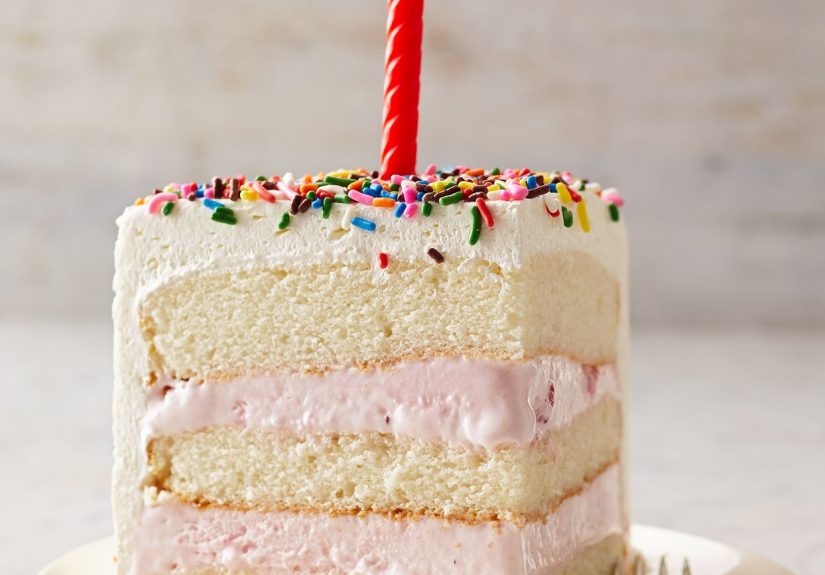
The secret is simple: build firm, flavorful layers (ice cream + something fudgy + something crunchy), freeze between steps, then finish with a fluffy topping that makes the whole thing sliceable instead of “a delicious, frozen landslide.” This recipe is designed for clean layers, big flavor, and minimal stress.
Why This Layered Ice Cream Cake Works
A great ice cream cake isn’t just “ice cream in a pan.” It’s contrast. Creamy layers need a crunchy layer so every bite has texture. A fudge layer helps “glue” things together and stays softer than you’d expect because sugar prevents it from freezing rock-solid. And freezing between layers is the difference between a neat dessert and a modern art installation titled Warm Ice Cream: A Tragedy.
Tools You’ll Want (No, You Don’t Need a Blowtorch)
- 9-inch springform pan (ideally 3 inches deep) for clean sides and easy release
- Plastic wrap to line the pan and lift the cake out like a dessert elevator
- Offset spatula or the back of a spoon for smoothing layers
- Measuring cups and a mixing bowl
- A freezer with a flat spot (move the frozen peas if you must)
- A sharp knife for slicing (plus hot water for pro-level clean cuts)
Ingredients
Yield: 10–12 slices | Prep time: 25–35 minutes | Freeze time: 8–12 hours (mostly hands-off)
Cookie Crust
- 24 chocolate sandwich cookies (about 2 cups crumbs), filling included
- 5 tablespoons unsalted butter, melted
- Pinch of salt (optional, but highly recommended if you enjoy flavor)
Ice Cream Layers
- 1 1/2 quarts vanilla ice cream
- 1 1/2 quarts chocolate ice cream (or your second favorite flavor)
Flavor note: Pick one “classic” and one “fun.” Vanilla + cookie dough, chocolate + peanut butter, strawberry + cheesecake you really can’t lose unless you choose “mint + orange + regret.”
Fudge + Crunch Layer
- 1 to 1 1/4 cups hot fudge sauce (store-bought or homemade), cooled to room temp
- 1 1/2 cups “crunchies” (see options below)
Whipped Cream Topping (Homemade “Frosting”)
- 2 cups cold heavy whipping cream
- 1/2 cup powdered sugar
- 2 teaspoons vanilla extract
- Optional: 1 teaspoon unflavored gelatin + 1 tablespoon water (for extra stability)
Optional Toppings
- Sprinkles (the easiest way to make this “birthday”)
- Mini chocolate chips, chopped cookies, or toasted nuts
- Cherries on top, because you’re not a robot
Choose Your Crunchies (The Layer Everyone Fights Over)
That signature crunchy middle is what makes a layered ice cream cake taste like it came from a shop instead of your kitchen. You’ve got a few good options:
- Easy: 1 1/2 cups crushed cookies (Oreos or chocolate wafers) mixed with 1/2 to 2/3 cup chocolate shell topping
- DIY shell: Melt 1 cup chocolate chips with 3–4 tablespoons coconut oil, then mix into cookie crumbs
- Simple crunch: Just crushed cookies (less “snap,” still delicious)
If you’ve ever loved the crunchy layer in a classic ice cream cake, it’s usually some version of cookie crumbs + a chocolate coating. That coating helps the crumbs stay crisp instead of turning into “cold mud.” (Technical term.)
Step-by-Step: How to Make a Layered Ice Cream Cake
1) Prep the Pan Like You Mean It
Line a 9-inch springform pan with two overlapping sheets of plastic wrap, leaving plenty of overhang. Press the wrap into the bottom and up the sides so it’s smooth-ish (wrinkles happenthis is dessert, not surgery). Pop the pan in the freezer while you make the crust. A cold pan helps the first layer set faster.
2) Make the Cookie Crust
Crush the cookies into fine crumbs (food processor, zip-top bag + rolling pin, or pure determination). Stir crumbs with melted butter and a pinch of salt until it looks like wet sand at a beach you’d actually visit.
Press firmly into the bottom of the lined pan. Use the bottom of a measuring cup to pack it tightthis keeps slices from crumbling. Freeze for 10–15 minutes.
3) Layer One: Ice Cream (Smooth, Not Soupy)
Let the first ice cream (vanilla) sit at room temperature 10–15 minutesjust until spreadable. If it’s melting into puddles, you’ve gone too far. You can also soften it in the fridge for a gentler warm-up.
Spread the softened ice cream over the crust in an even layer. For extra-smooth results, give the ice cream a quick beat in a bowl for 30–60 seconds until it’s creamy but still cold. Smooth the top, then freeze 30–45 minutes, or until firm to the touch.
4) Layer Two: Fudge + Crunch
Warm the hot fudge just enough to pour, then let it cool to room temperature. The goal is “spreadable,” not “ice-cream-melter.” Spread a generous layer of fudge over the frozen ice cream.
Sprinkle your crunchies evenly across the fudge. Press gently so they adhere, like you’re tucking them in for their chilly nap. Freeze 20–30 minutes.
5) Layer Three: Second Ice Cream Flavor
Soften the second ice cream (chocolate) to spreadable consistency. Spread it evenly over the crunchy layer and smooth the top. Freeze at least 2 hours, but overnight is even better if you want picture-perfect slices.
6) Top It with Whipped Cream “Frosting”
Whip heavy cream, powdered sugar, and vanilla to medium-stiff peaks. If you want extra stability (especially for outdoor parties), bloom gelatin in water for 5 minutes, warm it briefly until liquid, cool slightly, then drizzle into the cream while whipping.
Spread whipped cream over the top and (optionally) around the sides. Add sprinkles immediatelywhipped cream is friendly, but it won’t wait forever.
7) Final Freeze + Unmold Like a Pro
Freeze the decorated cake at least 4 hours, preferably overnight. To unmold, release the springform ring. Use the plastic wrap overhang to lift the cake and transfer it to a serving plate. Peel away plastic wrap.
8) Slice Cleanly (No Ice Cream Shrapnel)
Run a sharp knife under hot water, wipe dry, slice, repeat. The hot blade glides through layers instead of cracking them. Serve immediately and return leftovers to the freezer quickly to prevent melting and refreezing (which can create icy texture).
Layered Ice Cream Cake Variations (Pick Your Personality)
Classic Birthday Cake Vibes
- Vanilla + chocolate ice cream
- Hot fudge + chocolate cookie crunchies
- Rainbow sprinkles + mini chocolate chips
Cookies & Cream Overachiever
- Cookies & cream + vanilla
- Fudge + extra crushed cookies
- Top with cookie chunks and a drizzle of chocolate shell
Strawberry Cheesecake Summer
- Strawberry + cheesecake ice cream
- Graham cracker crust
- Fudge can be swapped for strawberry sauce (reduce it first so it doesn’t get icy)
Peanut Butter Chocolate “I Came to Win”
- Chocolate + peanut butter ice cream
- Fudge + peanut butter cups chopped into the crunch layer
- Finish with chopped peanuts and a peanut butter drizzle
Make-Ahead, Storage, and Food Safety
This is a dream make-ahead dessert because it actually improves with time. A full overnight freeze helps layers firm up, flavors settle, and slices look sharp.
- Best texture window: 3–10 days (tight wrap = fresher taste)
- Wrap it well: Press plastic wrap or parchment against exposed surfaces, then add a layer of foil to reduce air exposure
- Freezer temp matters: Keep your freezer at 0°F (−18°C) or below for best quality
- Safety note: Frozen foods remain safe when kept continuously frozen; storage time is mostly about quality
Troubleshooting (Because Frozen Desserts Have Attitude)
My ice cream layer keeps melting while I spread it.
Soften less. Spread faster. Also: freeze between layers longer. If your kitchen is warm, chill the pan and your spatula. You’re basically doing dessert logistics.
My layers look swirly, not clean.
You didn’t freeze long enough between layers, or your fudge was too warm. Chill the fudge to room temp and freeze each ice cream layer until firm before adding anything on top.
The crust crumbles when I slice.
Pack the crust firmly and freeze it before adding ice cream. Also, don’t skimp on buttercrumbs need a “glue.”
It tastes icy after a few days.
That’s usually air exposure or temperature swings. Wrap tightly and store in the back of the freezer (the door is the wild west). Avoid letting slices sit out too long before returning leftovers to the freezer.
FAQ
Can I make this without a springform pan?
Yes. Use a 9×13-inch dish for a sheet-style ice cream cake, or a loaf pan for a smaller cake. Line with plastic wrap for easy removal. The layers may be shorter, but the happiness per bite remains extremely high.
Can I use ice cream sandwiches?
Absolutely. They’re a shortcut “layer” that turns assembly into stacking instead of spreading. Add fudge and whipped topping between layers, freeze, and you’ve got a crowd-pleaser with zero drama.
Do I have to use hot fudge?
No, but it’s the easiest way to add a soft, rich middle layer. Caramel works too (thick caramel is best). If using fruit sauces, reduce them first so they’re not waterywater freezes into ice crystals and makes the texture less creamy.
Conclusion
A layered ice cream cake is the ultimate “I brought dessert” power move: it’s make-ahead, customizable, and guaranteed to get applause from people who do not know how close you came to dropping a spoonful of melting ice cream on your sock. Pick two ice cream flavors, add a fudgy layer, add crunch, freeze like you’re building a frozen skyscraper, and top it with whipped cream. The result is a sliceable, celebratory dessert that feels nostalgic and impressive at the same time.
My Layered Ice Cream Cake Experiences (About of Real-Life Lessons)
The first time I made a layered ice cream cake, I learned an important truth: time is an ingredient. Not “time” as in “I spent time making it,” but “time” as in “the freezer needs time to do its job, and it does not respond to motivational speeches.” I tried to rush the freeze between layers because guests were arriving, and I convinced myself I could outsmart physics. I could not. The second ice cream layer met the fudge layer and immediately decided they wanted to be one layer. Delicious? Yes. Layered? Absolutely not.
The second lesson was about temperature managementaka the part of dessert-making nobody puts on a cute recipe card. Ice cream has a tiny window where it’s spreadable but not melting. On a warm day, that window is shorter than a toddler’s attention span. Now I set myself up like I’m about to perform a magic trick: pan already lined and chilled, crust packed and frozen, fudge cooled and ready, spatula waiting. I soften the ice cream only after everything else is prepared, and I spread quickly like I’m being timed. It’s not stressful once you accept the premise: you are assembling a frozen cake, and the sun is your enemy.
My favorite “wow” moment happened the time I added the crunchy layer. I’d always liked ice cream cake, but I didn’t realize that crunch is what makes people ask for seconds. When you bite through creamy ice cream, then hit that chocolate-coated cookie crumble, your brain lights up like it just found out weekends exist. It also makes the cake feel more “cake-like,” because you’re not eating one continuous soft texture. You’re eating layers. Your mouth can tell.
I’ve also learned the value of the plastic wrap overhang. The first time, I skipped it because I thought, “How hard can it be?” And then I stared at a frozen cake trapped in a pan like it owed me money. Now I line the pan every time, even if I’m in a hurry. It’s the dessert equivalent of wearing a seatbelt: you don’t appreciate it until you really, really need it.
Finally, slicing. I used to just cut it like regular cake and wonder why the layers shattered. The hot-water knife trick is a game-changer. Dip, wipe, slice, repeat. It sounds fussy, but it takes maybe two extra minutes and turns your servings from “snowy rubble” into neat wedges. The best compliment I ever got was, “This looks like a bakery cake.” I did not correct them. I simply nodded like a person who has their life together and definitely did not eat a test slice over the sink at midnight.