Table of Contents >> Show >> Hide
- What Are L.L. Bean Bean Boots, Exactly?
- First Impressions: Why the Bean Boot Still Feels Different
- Design and Construction: The Details That Matter
- Fit and Sizing: The Part That Trips People Up
- Comfort: Better Over Time Than Out of the Box
- Warmth and Weather Protection
- Traction: Good in Slop, Less Great on Ice
- Durability: This Is Where Bean Boots Earn Their Reputation
- Style: Functional, Classic, and Weirdly Cool
- Who Should Buy L.L. Bean Bean Boots?
- Our Final Review: Are Bean Boots Worth It?
- 500 More Words of Real-World Experience With Bean Boots
- SEO Tags
Some boots are made for summiting mountains. Some are made for runway shows. And some, like the L.L. Bean Bean Boot, somehow ended up doing a little of both while still looking like they would rather be walking through a wet field with a Labrador named Moose. That weird magic is exactly why this boot has survived for more than a century.
For this review-style guide, we combined official product details, brand history, and hands-on findings from major U.S. product reviewers to answer one simple question: are L.L. Bean Bean Boots still worth it in a world full of lighter hikers, warmer snow boots, and trendier waterproof footwear? The answer is not just “yes” or “no.” It is more interesting than that. Bean Boots are still excellent, but only if you understand what they are built to do, what they are not built to do, and why generations of people keep buying the same gloriously odd duck boot.
What Are L.L. Bean Bean Boots, Exactly?
The L.L. Bean Bean Boot, also called the original duck boot or the old-school Maine Hunting Shoe, was born in 1912. Leon Leonwood Bean wanted a boot that combined the comfort and flexibility of leather with the wet-weather protection of rubber. That simple idea created one of the most recognizable boots in American outdoor style.
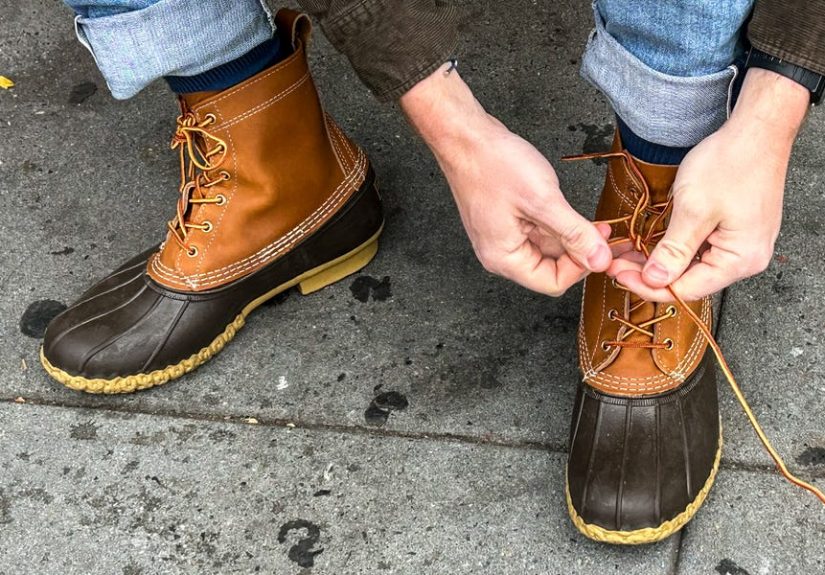
Today’s classic Bean Boots still follow the same formula: a rubber lower, a leather upper, lace-up construction, a chain-tread outsole, and a build that feels more heritage tool than disposable fashion item. L.L. Bean still makes these boots by hand in Maine, which is a big part of the appeal. In an era where “craftsmanship” is sometimes used the way restaurants use the word “artisanal” for toast, Bean Boots are one of the rare products that actually have the receipts.
First Impressions: Why the Bean Boot Still Feels Different
Slip on a pair of Bean Boots and the first thing you notice is that they do not feel like a modern athletic shoe pretending to be outdoorsy. There is no marshmallow midsole. No sneaker-like bounce. No “cloud” marketing copy. Instead, you get a structured, utilitarian boot with a waterproof rubber bottom, a supportive steel shank, and a surprisingly flexible upper.
That is both the charm and the warning label.
If you are expecting a plush winter boot for standing outside in subzero temperatures for hours, you may be disappointed. If you want a dependable waterproof boot for slush, puddles, yard work, dog walks, muddy trailheads, and ugly weather commutes, you will probably understand the hype in about five minutes.
Design and Construction: The Details That Matter
The signature build
The classic Bean Boot is still defined by a few standout features:
- Waterproof rubber boot bottom that keeps feet dry in rain, mud, and slush
- Full-grain leather upper that sheds weather while giving the boot its classic look
- Triple-needle stitching for long-term durability
- Chain-tread outsole for grip in wet conditions
- Steel shank for extra support and stability
- Lace-up fit that adjusts better than pull-on rubber boots
That formula explains why so many reviewers still describe the Bean Boot as the best of both worlds: more comfortable and supportive than an all-rubber rain boot, but better protected against sloppy weather than an all-leather boot.
What it does well
The boot’s genius is not that it does everything. It is that it does a handful of everyday outdoor jobs extremely well. It keeps the lower foot dry, shrugs off wet grass and shallow slush, and feels more stable than flimsy fashion rain boots. It also cleans up easily, which matters when your morning starts with coffee and ends with mud on the porch.
What it does not do
This is where reality barges in wearing wet socks. Bean Boots are not designed to stay submerged, and the laces are not waterproof. They are also not the best choice for technical winter hiking, glare ice, or long miles on hard pavement. Their classic chain-tread sole is reliable in mixed wet conditions, but it is not a miracle worker on slick ice. Think “confident in nasty weather,” not “secret mountaineering weapon.”
Fit and Sizing: The Part That Trips People Up
If the Bean Boot has a personality flaw, it is sizing confusion. The classic unlined versions often run large, and L.L. Bean commonly recommends sizing down. Many long-time wearers do exactly that, especially if they plan to wear light or medium socks. Lined versions tend to fit closer to your normal size.
That means the best Bean Boots review advice is boring but useful: know which version you are buying. An unlined 8-inch duck boot for rainy days is not the same fit story as an insulated or shearling-lined winter model. Buying blindly and hoping for romance is how you end up with heel slip and a bad mood.
Once dialed in, the fit is secure and practical. The laces let you adjust around the ankle and instep, and the roomy toe box works well with thicker socks. But yes, there is usually a break-in period. Multiple reviewers noted that comfort improves with wear, which is polite review-speak for “these are not slippers on day one.”
Comfort: Better Over Time Than Out of the Box
Bean Boots are comfortable in the way a cast-iron skillet is useful: not flashy, not soft, but deeply satisfying once you understand the system. They do not offer the plush cushioning of modern hiking boots or sneaker-inspired winter boots. Instead, they provide sturdy, grounded comfort that feels purpose-built for real weather.
That said, comfort depends heavily on context. On short walks, wet errands, and casual outdoor use, they feel excellent. On long urban days, especially on concrete, some testers found the underfoot feel a bit thin. That matches the boot’s design. The Bean Boot is a practical all-weather icon, not a max-cushion commuter shoe in heritage cosplay.
In plain English: these boots are happy splashing through a parking lot puddle, walking a leaf-covered trail, or standing at a chilly soccer game. They are less happy doing a 10-mile sightseeing marathon on hard sidewalks while your feet ask why you hate them.
Warmth and Weather Protection
The classic unlined Bean Boot is not a true snow boot. It is a wet-weather boot. That distinction matters.
In cool, rainy, muddy, and shoulder-season weather, it shines. In deep winter, the unlined version depends heavily on your socks. Add wool socks and you can stretch it farther than you might think. But if your daily life involves serious cold, extended snow exposure, or standing still outdoors, one of the insulated Bean Boot variations will make much more sense.
Reviewers who tested lined or insulated versions praised the extra warmth, especially in rain, snow, and sleet. Still, even those versions are more “winter everyday boot” than hardcore alpine equipment. That is not a complaint. It is a category correction.
Traction: Good in Slop, Less Great on Ice
This is the part where many iconic products would like to change the subject. The Bean Boot is very good in messy, wet conditions. Mud, rain, leaves, shallow slush, damp grass, ugly sidewalks after a storm? No problem. The rubber lower and chain-tread outsole are right at home.
But on polished ice, the traction ceiling becomes obvious. Several reviewers noted that the boot is dependable but not especially aggressive underfoot. If your winter is basically one long skating rink, you may want a boot with more technical grip or plan to use ice cleats. Bean Boots are dependable, not magical. Your dignity on black ice may still be negotiable.
Durability: This Is Where Bean Boots Earn Their Reputation
Here is where the L.L. Bean duck boot review gets very flattering. Bean Boots have a long-standing reputation for lasting years, sometimes decades, when cared for properly. The build is simple, proven, and repair-friendly. That matters. A lot.
L.L. Bean still offers a resoling service for many Bean Boots, which says something important about the design philosophy. These boots are not built like trendy seasonal purchases. They are built like long-term gear. The company also sells leather care products to help protect and maintain the uppers, which is worth using if you want to keep the leather from drying out or getting crusty after repeated wet-weather abuse.
That durability is one reason Bean Boots remain such a strong value proposition. They are not cheap in the impulse-buy sense. They are affordable in the “I might still own these embarrassingly long from now” sense.
Style: Functional, Classic, and Weirdly Cool
Let’s be honest: Bean Boots are not sleek. They are not minimalist. They are not trying to look Italian. They are duck boots, and proud of it. That chunky rubber lower and leather upper should not work as well as they do, yet somehow the whole thing lands in that sweet spot between rugged utility and all-American style.
This is why Bean Boots live two lives. One is practical: rain, mud, chores, wet weekends, winter errands. The other is cultural: flannel, waxed jackets, New England nostalgia, campus style, and the eternal fantasy that you might chop wood even if the heaviest thing you lift is a grocery tote.
And yes, that versatility matters. A lot of waterproof boots look too technical for daily wear or too fashion-forward for actual weather. Bean Boots thread the needle. They can handle wet conditions without making you look like you are heading out to pressure wash a barn.
Who Should Buy L.L. Bean Bean Boots?
You should seriously consider Bean Boots if you want:
- A classic waterproof duck boot for rain, slush, mud, and everyday winter mess
- A heritage boot that still feels genuinely useful
- Long-term durability and repair potential
- Versatile style that works with jeans, chinos, flannel, and outdoor layers
- A boot that handles “real life bad weather” better than it handles hype
You may want something else if you need:
- Serious all-day cushioning for pavement-heavy wear
- Maximum insulation for bitter cold
- Technical traction for steep ice or winter hiking
- A featherweight boot with sneaker comfort
Our Final Review: Are Bean Boots Worth It?
Yes, L.L. Bean Bean Boots are still worth itas long as you buy them for what they actually are. They are not the warmest winter boots on the market. They are not the grippiest ice boots. They are not cushioned like modern trail shoes. What they are is more interesting: a durable, Maine-made, weather-ready boot that still solves the exact problem it was designed to solve more than 100 years ago.
The best way to think about the Bean Boot is this: it is the boot you reach for when the forecast looks annoying. Not apocalyptic. Not Everest. Just annoying. Rainy morning? Bean Boots. Muddy dog walk? Bean Boots. Slushy grocery run? Bean Boots. Wet leaves, dirty sidewalks, unpredictable drizzle, surprise sleet, and generally rude weather? Also Bean Boots.
That is why the icon status makes sense. The Bean Boot does not win because it is perfect. It wins because it is useful, durable, distinctive, and stubbornly itself. In a footwear world full of boots trying to be ten things at once, the original duck boot still knows exactly what it is. Honestly, that is kind of refreshing.
500 More Words of Real-World Experience With Bean Boots
Living with Bean Boots over time is where the relationship gets interesting. On day one, they may feel a little stiff and a little old-school, like a boot that is judging your soft modern lifestyle. But after a few weeks of normal wear, the personality shifts. The leather starts to relax, the flex points stop feeling so formal, and the whole boot begins to feel less like a product and more like a tool you trust without thinking too hard about it.
That trust is the secret sauce. A lot of boots are impressive in a controlled test. Much fewer become the pair you grab at the door when the weather looks gross and you do not want to spend ten minutes debating your footwear. Bean Boots excel there. They become default boots. The “I’m not overthinking this” boots. And that may be the highest compliment any everyday boot can earn.
They also age in a way that flatters the owner. Scuffs, creases, darker leather from conditioning, a little grime around the rubber edge after a wet weeknone of it looks tragic. It looks earned. Bean Boots do not require pristine styling to feel right. In fact, they often look better slightly beaten in. They are one of those rare products that can move from “new purchase” to “old favorite” without an awkward middle phase.
Another big part of the experience is how versatile they are in transitional weather. Plenty of winter boots feel too bulky in October and too warm by March. Plenty of rain boots feel too flimsy the moment the temperature drops. Bean Boots sit nicely in that middle ground. They are especially strong in the months when the weather cannot decide what season it is. Morning frost, midday rain, muddy sidewalks, cold wind, puddles everywherethis is Bean Boot weather, and they absolutely feast on it.
There is also something deeply satisfying about the sound and feel of the rubber lower hitting wet pavement. It is not elegant. It is not subtle. It is functional in a way that makes you feel prepared. You stop tiptoeing around puddles like they are personal attacks. You just walk through them. That small psychological shift is part of why people become so loyal to these boots. They reduce friction, literally and mentally.
Of course, the quirks never disappear completely. The laces still are not the most weatherproof part of the equation. The sole still is not the king of sheet ice. And if you wear them for a marathon day on concrete, your feet may politely remind you that heritage design and sneaker comfort are not the same thing. But those limitations do not feel like betrayals. They feel like trade-offs you understand and accept.
In the end, the long-term experience of wearing Bean Boots is less about hype and more about rhythm. They fit into routines. Rainy commute. Weekend errands. Chores in the yard. Quick trail walk. Snowy morning coffee run. They become part of the uniform for people who live in places where weather is not dramatic enough for mountaineering boots but annoying enough to ruin ordinary shoes. And that, really, is the lane where Bean Boots remain iconic: not as fantasy gear, but as dependable companions for everyday foul weather.
Note: This article is based on real, current product information and established U.S. review coverage, with all citation artifacts and publishing clutter removed for web use.