Table of Contents >> Show >> Hide
- What Makes an Italian Pork Roast Special?
- Best Cuts of Pork for Italian Pork Roast
- Ingredients for Italian Pork Roast
- Step-by-Step Instructions
- Serving Suggestions for Italian Pork Roast
- Tips for a Perfect Italian Pork Roast Every Time
- Storage, Reheating, and Leftovers
- Common Mistakes and How to Avoid Them
- Italian Pork Roast Recipe Variations
- Experiences, Ideas, and Practical Tips for Italian Pork Roast
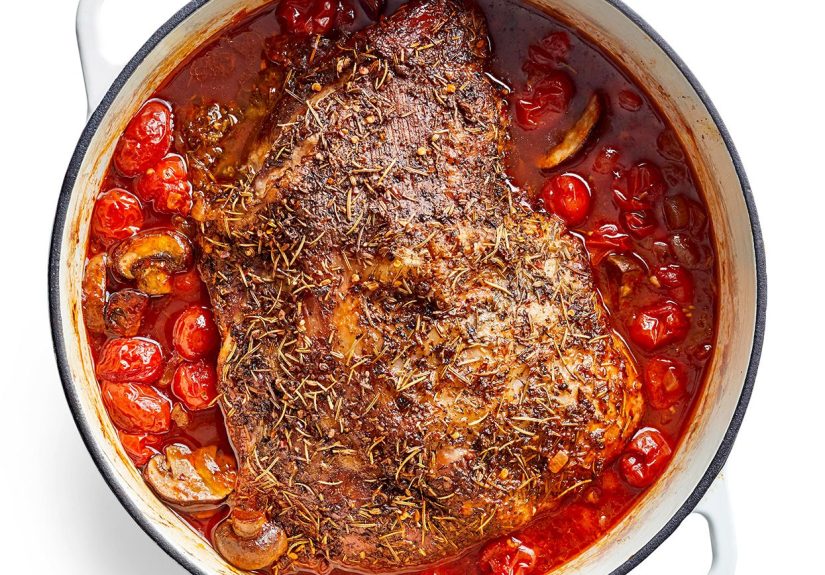
If your idea of comfort food is a roast that makes the whole house smell like an Italian nonna has moved in, this Italian pork roast recipe is your new best friend. Think juicy pork, crispy golden crackling, and a filling of garlic, rosemary, and fennel that tastes like a vacation in Tuscanywithout needing to find your passport.
Italian-style pork roast (often called porchetta) is a classic dish made by rolling pork around fragrant herbs and slow-roasting it until the meat is tender and the outside is irresistibly crisp. Home cooks and restaurant chefs in Italy and the United States agree on a few things: use good-quality pork, season it generously, roast it low and slow, and let it rest so all those delicious juices stay in the meat instead of on your cutting board.
In this in-depth guide, we’ll walk through a foolproof Italian pork roast recipe, explain how to get crispy skin without drying out the meat, and share tips to customize the flavors. At the end, you’ll also find real-world experiences and extra ideas for making this dish part of your regular rotation.
What Makes an Italian Pork Roast Special?
Italian pork roast stands out because it layers big, bold flavors into a relatively simple preparation. Traditional porchetta in Italy is often made with a whole, deboned pig or a combination of pork belly and loin rolled together. At home, most cooks use an easier cutusually pork shoulder (butt) or pork loinwhile keeping the hallmark flavors:
- Garlic: Lots of it. Not “one clove” lots. “My friends will smell this from across town” lots.
- Herbs: Rosemary, sage, thyme, and parsley are common.
- Fennel: Fennel seeds and sometimes fresh fennel give that classic Italian taste.
- Citrus: Lemon (or occasionally orange) zest brightens up the richness of the pork.
- Olive oil, salt, and pepper: The basics that pull everything together.
The result is a roast that’s fragrant, juicy, and deeply savory, with a flavor profile that works for Sunday dinners, holidays, and even party sandwiches.
Best Cuts of Pork for Italian Pork Roast
You can make this Italian pork roast recipe with several different cuts, each with its own pros and cons:
- Pork shoulder (Boston butt): Well-marbled, forgiving, and full of flavor. Great if you want ultra-juicy meat that shreds or slices. Ideal for beginners.
- Pork loin: Much leaner, roasts beautifully, and slices neatly. You’ll need to be a bit more careful not to overcook it, but it’s perfect for elegant dinners.
- Pork belly (advanced option): Traditional for true porchetta-style roasts, especially when rolled with a loin. Very rich, with incredible crackling if scored and salted properly.
For this home-cook-friendly version, we’ll use a boneless pork shoulder, about 4–5 pounds. It’s easy to find, budget-friendly, and hard to mess up.
Ingredients for Italian Pork Roast
For the Pork
- 1 (4–5 pound) boneless pork shoulder (Boston butt), fat cap intact
- 2–3 tablespoons olive oil
- 2–2½ teaspoons kosher salt (plus extra for the skin)
- 1½ teaspoons freshly ground black pepper
Herb & Garlic Rub
- 6–8 cloves garlic, minced
- 2 tablespoons fresh rosemary, finely chopped
- 1 tablespoon fresh sage, finely chopped
- 1 tablespoon fresh thyme leaves (or 1 teaspoon dried)
- 2 teaspoons fennel seeds, lightly crushed
- 1 teaspoon red pepper flakes (optional, for a gentle heat)
- Zest of 1 lemon
- 1–2 tablespoons olive oil (to make a paste)
For the Roasting Pan
- 1 cup low-sodium chicken broth
- ½ cup dry white wine (or extra broth)
- 1 onion, sliced
- 2 carrots, cut into chunks
- 2 stalks celery, cut into chunks
These vegetables flavor the roasting juices and double as a simple side or base for gravy.
Step-by-Step Instructions
1. Prep the Pork
Pat the pork shoulder dry with paper towels. If there’s a thick fat cap, score it in a crosshatch pattern, cutting just through the fat but not into the meat. This helps the fat render and makes the skin crisp.
Season the entire roast generously with salt and pepper. Let it sit at room temperature for 30–45 minutes while you make the herb rub. This brief rest helps the roast cook more evenly.
2. Make the Herb & Garlic Paste
In a small bowl, mix the minced garlic, chopped rosemary, sage, thyme, crushed fennel seeds, red pepper flakes (if using), and lemon zest. Stir in enough olive oil to create a thick paste that will spread nicely over the meat.
Rub the paste all over the pork, working it into any crevices and especially along the exposed meat (if the shoulder has been untied and opened, get some of the mixture inside, then roll and tie it back up with kitchen twine).
3. Build the Roasting Base
Preheat your oven to 300°F (150°C). Arrange the onion, carrots, and celery in the bottom of a roasting pan or large baking dish. Pour in the chicken broth and white wine. This liquid keeps the pan from scorching and creates flavorful juices.
Place the pork roast on a rack set over the vegetables (or directly on top of them if you don’t have a rack). Fat side up, always. Gravity is your basting assistant.
4. Slow Roast the Pork
Roast the pork at 300°F for about 2½–3½ hours, depending on the exact size and thickness of your roast. Start checking the internal temperature after about 2 hours.
For juicy, safe pork, aim for an internal temperature of about 145–150°F (63–66°C) in the thickest part, followed by a rest of at least 15–20 minutes. During the rest, the temperature will rise slightly, and the juices will redistribute instead of flooding out when you slice.
5. Crisp the Exterior (Optional but Highly Recommended)
If the outside isn’t as crispy and browned as you’d like when it reaches the proper internal temperature, increase the oven temperature to 425°F (220°C) for the last 10–15 minutes, or briefly use the broiler. Keep a close eye on itperfect crackling can turn to “oops” very quickly.
6. Rest and Slice
Transfer the roast to a cutting board and tent it loosely with foil. Let it rest for at least 15–20 minutes. This is non-negotiable if you want juicy slices.
Slice the Italian pork roast across the grain into ½-inch slices for a classic presentation. Spoon some of the pan juices over the top, and serve with your favorite sides.
Serving Suggestions for Italian Pork Roast
One of the reasons this Italian pork roast recipe is so beloved is that it goes with almost everything. Here are some classic pairing ideas:
- Starches: Roasted potatoes, creamy polenta, risotto, or crusty bread to soak up the juices.
- Vegetables: Roasted Brussels sprouts, green beans, broccoli rabe, or a simple mixed green salad.
- Sandwiches: Pile leftover slices on a toasted ciabatta roll with arugula, a smear of garlic aioli, and a squeeze of lemon.
- Sauces: Pan gravy, salsa verde (Italian herb sauce with parsley and capers), or a drizzle of good extra-virgin olive oil and fresh lemon juice.
For a “Sunday in Italy” vibe, serve the roast family-style on a big platter with potatoes and vegetables tucked around it. It looks dramatic, feels cozy, and makes everyone at the table very happy.
Tips for a Perfect Italian Pork Roast Every Time
1. Don’t Skimp on Seasoning
Pork is a mild meat that really benefits from assertive seasoning. A generous amount of salt, garlic, herbs, and fennel is essential for that Italian-style flavor. When you think “Is that too much garlic?” the answer for this recipe is almost always “No.”
2. Use a Meat Thermometer
Guessing doneness is riskyovercooked pork is dry and sad, undercooked pork can be unsafe. A simple digital thermometer takes the stress out of the process and helps you hit that sweet spot of juicy and safe.
3. Let the Pork Rest
It’s tempting to slice into the roast immediately, especially when it smells incredible, but resting allows the juices to settle back into the meat. If you cut too soon, you’ll lose flavor and moisture onto the board.
4. Adjust the Flavor to Your Taste
- Love heat? Add more red pepper flakes.
- Prefer a brighter flavor? Increase the lemon zest or add a splash of lemon juice to the pan juices.
- Want smokiness? Add a little smoked paprika to the rub.
Storage, Reheating, and Leftovers
Italian pork roast stores and reheats beautifully, which makes it a great make-ahead meal.
- Refrigerator: Store sliced or shredded pork in an airtight container with some of the pan juices for up to 3–4 days.
- Freezer: Freeze portions in freezer bags or containers (with juices) for up to 2–3 months. Label them, or you’ll forget what it is and discover “mystery pork” in June.
- Reheating: Reheat gently, covered, in a 300°F oven or in a skillet with a splash of broth until warm. Avoid microwaving on high, which can toughen the meat.
Leftover Italian pork roast is fantastic in sandwiches, tacos, breakfast hash, or tossed with pasta and a light tomato or garlic-and-oil sauce.
Common Mistakes and How to Avoid Them
Overcooking the Pork
Old-school advice often called for cooking pork until it was gray, dry, and tough. Modern guidelines and leaner pork mean you can safely cook it to a lower internal temperature and still be fully in the safe zone while enjoying much better texture. Use that thermometer and remove the roast when it hits your target temperature.
Skipping the Rest
Resting may feel like an annoying delay, but it’s the difference between “pretty good roast” and “wow, this is amazing.” Give it at least 15 minutes; your patience will be rewarded.
Not Drying the Skin/Fat Cap
If you want that crackling, the fat cap needs to be dry before roasting and well-salted. Pat it dry thoroughly and avoid pouring liquid directly over the top of the roast while it cooks.
Italian Pork Roast Recipe Variations
- Stuffed porchetta-style roast: Butterfly a pork shoulder or loin, spread the herb mixture inside, roll it up, and tie it. This gives you a beautiful spiral of herbs in every slice.
- Slow cooker Italian pork roast: Sear the seasoned pork in a skillet, then transfer it to a slow cooker with the vegetables and liquids. Cook on low for 8–10 hours until tender. You won’t get crispy skin, but the flavor and convenience are hard to beat.
- Sheet pan version: For smaller roasts or pork loin, roast everything on a large sheet pan with potatoes and vegetables. Dinner in one pan, fewer dishes to washeveryone wins.
Experiences, Ideas, and Practical Tips for Italian Pork Roast
After making Italian pork roast many times in different kitchens (tiny apartments, big family homes, questionable rental Airbnbs with one wobbly pan), a few patterns emerge that make the experience smoother and the results more consistent.
First, this is a dish that benefits from planning but forgives small mistakes. If you remember to season the roast a few hours in advance, or even overnight, the salt and aromatics work their way deeper into the meat. Dry-brining in the fridge, uncovered, also helps the outside dry out, which means better browning and crispier fat. But if you forget and only season an hour before roasting, it will still be deliciousjust maybe not “I want to frame this roast” level impressive.
Second, every oven has a personality. Some run hot, some run cool, some seem to have a secret wind tunnel in one corner. For a big roast, it’s worth getting to know your oven. If you’ve ever burned cookies in 8 minutes when the recipe said 12–14, assume your oven is on the enthusiastic side and start checking the pork earlier. Take a quick internal temperature reading after a couple of hours; that gives you a sense of how fast things are moving and lets you adjust the timing.
Another real-life lesson: side dishes don’t need to be complicated. The first time many people make an Italian pork roast, they also attempt homemade bread, elaborate potatoes, and three vegetable sides. By the time the roast is ready, the cook is exhausted and the kitchen looks like it lost a bet. A simpler strategy is to pair the roast with one starchy side (like roasted potatoes or polenta) and one bright, fresh element (like a lemony salad or roasted green vegetable). The pork is the stareverything else is just supporting cast.
Leftovers are where this Italian pork roast recipe really stretches its value. Sliced cold roast makes outstanding sandwiches, especially with a smear of mustard, pesto, or even leftover salsa verde. Shredded pork can become an Italian-style nacho topping (yes, that’s a thing), a loaded baked potato filling, or the protein for a quick skillet pasta. You can also crisp shredded pork in a hot pan with a bit of oil, almost like carnitas, and serve it over creamy polenta with sautéed greens.
Hosting-wise, this roast is a dream. Most of the work happens early: seasoning, rubbing, and getting it into the oven. Once it’s roasting, you have time to tidy up, make a salad, open wine, or pretend you casually always cook like this. When guests arrive, the house smells incredible, the roast is almost done, and you look impressively calm. If you really want to level up the presentation, slice most of the roast in the kitchen, arrange the slices slightly overlapped on a platter, and then bring the platter to the table. A little extra drizzle of pan juices and a sprinkle of fresh herbs on top makes it look restaurant-ready with almost no extra effort.
Finally, don’t be afraid to make this recipe your own. Some cooks like to add orange zest along with lemon for a slightly sweeter aroma. Others toss a few whole cloves of garlic and chunks of fennel bulb into the roasting pan. You might swap white wine for a splash of dry vermouth or leave alcohol out entirely. The core ideaa well-seasoned pork roast, roasted slowly until tender and fragrantis flexible. Once you’ve made it once or twice, you’ll start to adjust things based on what you and your family love most.
In short, this Italian pork roast recipe is more than a special-occasion centerpiece. It’s a reliable, impressive, and surprisingly low-stress way to turn an affordable cut of meat into something that feels celebratory. Whether you’re feeding two people or a small army, it’s a dish that earns you compliments, leftovers, and the very real possibility that you’ll be officially in charge of “the roast” at every future gathering.