Table of Contents >> Show >> Hide
- The Short Answer: Yes, But Only Under the Right Conditions
- What Exactly Is Wheatgrass?
- Why Wheatgrass Confuses So Many People
- Is Wheatgrass Safe for People With Celiac Disease?
- What About Wheat Allergy and Gluten Sensitivity?
- How to Buy Wheatgrass Without Regret
- Does Wheatgrass Have Health Benefits?
- Common Mistakes People Make With Wheatgrass
- Can You Grow Your Own Wheatgrass?
- So, Is Wheatgrass Gluten-Free or Not?
- Real-World Experiences Related to “Is Wheatgrass Gluten-Free?”
- Conclusion
Wheatgrass sounds like the kind of ingredient that should come with a tiny warning siren. It has the word wheat in it, it looks like lawn clippings with ambition, and it often appears in green juices that cost more than lunch. So it is completely fair to ask: Is wheatgrass gluten-free?
The short answer is yes, wheatgrass itself can be gluten-free. But before you run off to order a neon-green wheatgrass shot with the confidence of a game-show champion, there is an important catch. Whether wheatgrass is truly safe for someone with celiac disease, gluten intolerance, or a medically necessary gluten-free diet depends on how it was harvested, processed, handled, and labeled.
That is where things get interesting. And by interesting, I mean slightly annoying in the way food labels often are.
The Short Answer: Yes, But Only Under the Right Conditions
Young wheatgrass does not naturally contain gluten in the same way wheat kernels do. Gluten is found in the seed of the wheat plant, not in the fresh green grass blades themselves. So if wheatgrass is harvested early, before the plant develops grain or seed heads, the grass may be considered gluten-free.
However, the phrase “may be considered” is doing some heavy lifting here. Wheatgrass products can still become unsafe if they are contaminated by seeds, grown too long, mixed with other ingredients, or processed on shared equipment. In other words, the grass may be innocent, but the journey from farm to bottle can still create trouble.
That is why many experts recommend choosing only wheatgrass products that are clearly labeled gluten-free, and ideally third-party certified. When the label does not say gluten-free, you should assume the answer is “not sure enough.” And when celiac disease is in the picture, “not sure enough” is not good enough.
What Exactly Is Wheatgrass?
Wheatgrass is the young grass of the common wheat plant, Triticum aestivum. It is usually harvested while it is still bright green and immature. You will find it in juice shots, powders, tablets, smoothie blends, frozen cubes, and wellness products that promise the energy of a forest sprite.
Nutritionally, wheatgrass is often marketed as a source of vitamins, minerals, antioxidants, and chlorophyll. Fans praise it for its earthy taste, its “clean eating” reputation, and its ability to make a breakfast smoothie look extremely committed to health.
But while wheatgrass may offer nutrients, it is not magic. It is simply one plant ingredient among many. If you like it, great. If you hate the flavor and think it tastes like your lawn had an emotional breakthrough, that is also understandable.
Why Wheatgrass Confuses So Many People
The Word “Wheat” Triggers Alarm Bells
For anyone following a gluten-free diet, the word wheat is usually a hard stop. That is sensible. Wheat is one of the major sources of gluten, and people with celiac disease must avoid it carefully.
So when shoppers see “wheatgrass” on a label, they naturally assume it contains gluten. Most people are not standing in the grocery aisle thinking about plant anatomy, seed biology, or harvest stages. They are just trying to buy a smoothie powder without starting an accidental science experiment in their digestive system.
Gluten Lives in the Seed, Not the Young Grass
The key distinction is that gluten is stored in the grain or seed portion of wheat. The fresh grass itself is a different part of the plant. If harvested before the seed head forms, wheatgrass should not inherently contain gluten.
That said, this is not a loophole for every wheat-related product. Wheatgrass is a special case because it refers to the immature grass, not the mature grain used in bread, pasta, cereal, or your favorite carb-heavy comfort food.
Harvest Timing Matters
If wheatgrass is allowed to mature too far, the risk changes. Once the plant starts producing grain or seed material, gluten may enter the picture. That is why timing matters so much. A properly harvested young grass is one thing. A too-mature crop is another.
This is also why consumers should not rely on hopeful guessing. “It looks green” is not a testing method. “The juice bar employee seemed confident” is not a certification program. When gluten avoidance is medically necessary, proper labeling matters more than vibes.
Is Wheatgrass Safe for People With Celiac Disease?
Sometimes. But only if the product is handled correctly and labeled appropriately.
People with celiac disease need a strictly gluten-free diet, not a “probably fine” diet. Even small amounts of gluten can trigger an immune response and damage the small intestine. That means the question is not only whether wheatgrass starts out gluten-free. The real question is whether the final product remains gluten-free all the way to your glass, capsule, or scoop.
For that reason, the safest approach is to choose wheatgrass that is:
- Clearly labeled gluten-free
- From a manufacturer with strong allergen controls
- Preferably third-party certified
- Not mixed with mystery ingredients or vague “greens blends” that invite chaos
If a product includes wheatgrass but does not carry a gluten-free label, caution is the smart move. For people with celiac disease, caution is not paranoia. It is just Tuesday.
What About Wheat Allergy and Gluten Sensitivity?
This is where many online articles get sloppy, so let’s clear it up.
Celiac Disease
Celiac disease is an autoimmune condition. Gluten triggers an immune reaction that damages the small intestine. People with celiac disease need lifelong strict gluten avoidance.
Wheat Allergy
A wheat allergy is different. It is an allergic reaction to proteins in wheat, and it may cause hives, swelling, vomiting, trouble breathing, or even anaphylaxis. Someone with a wheat allergy may need to avoid wheat in all forms, even if a product is technically gluten-free.
Non-Celiac Gluten Sensitivity
Some people report symptoms after eating gluten even though they do not test positive for celiac disease or wheat allergy. This is often described as non-celiac gluten sensitivity. Management varies, and individual tolerance can differ.
So if you are asking whether wheatgrass is safe, the answer depends partly on why you avoid gluten or wheat in the first place. A product that may work for one person may not be appropriate for another. Labels matter, but medical context matters too.
How to Buy Wheatgrass Without Regret
1. Look for a Gluten-Free Label
This is your first filter. A product labeled gluten-free has to meet specific standards. That does not mean every unlabeled product is dangerous, but it does mean labeled products offer more confidence.
2. Read the Full Ingredient List
Sometimes wheatgrass is not the problem. The problem is what comes with it. Greens powders and smoothie mixes may include barley grass, malt-derived ingredients, flavor blends, or additives that complicate the gluten question.
If the label reads like a chemistry club meeting and you still cannot tell what is in it, move along.
3. Prefer Third-Party Certification
Third-party certification can provide an extra level of reassurance, especially for people with celiac disease who want tighter manufacturing standards. It is not the only sign of safety, but it is a helpful one.
4. Be Careful With Juice Bars
Fresh wheatgrass shots from juice bars may sound healthy, but they can be tricky. Shared blenders, prep surfaces, knives, scoops, and storage areas all create opportunities for cross-contact. If the staff cannot explain how they prevent contamination, the safest answer is often a polite “No thanks.”
5. Contact the Manufacturer if Needed
If you are unsure, ask questions. Was the wheatgrass harvested before seed formation? Is the product tested for gluten? Is it produced on shared equipment? How does the company control cross-contact?
If the company answers clearly, great. If the response sounds like a motivational poster instead of a real answer, that tells you something too.
Does Wheatgrass Have Health Benefits?
Wheatgrass is often praised for its nutrient content. It contains plant compounds, vitamins, and minerals, and some early research suggests possible antioxidant effects. Small studies and lab research have explored benefits related to blood sugar, inflammation, and other health markers.
Still, it is important not to oversell it. Wheatgrass is not a cure-all, not a detox miracle, and not a substitute for a balanced diet. If your daily menu is mostly drive-thru fries and one heroic spoonful of wheatgrass powder, the powder is not going to turn the whole plot around.
A smarter perspective is this: wheatgrass can be one optional ingredient in a healthy eating pattern. It may add nutrients, but it should not be treated like nutritional royalty.
Common Mistakes People Make With Wheatgrass
- Assuming “natural” means safe: Nature is lovely, but it is not a quality-control department.
- Confusing wheat-free with gluten-free: These are not identical terms.
- Ignoring cross-contact: Shared equipment matters, especially for powders and juices.
- Trusting trendy packaging: A matte-green label with leaves on it is not a medical guarantee.
- Using it as a health shortcut: Wheatgrass cannot do all the work of an overall nutritious diet.
Can You Grow Your Own Wheatgrass?
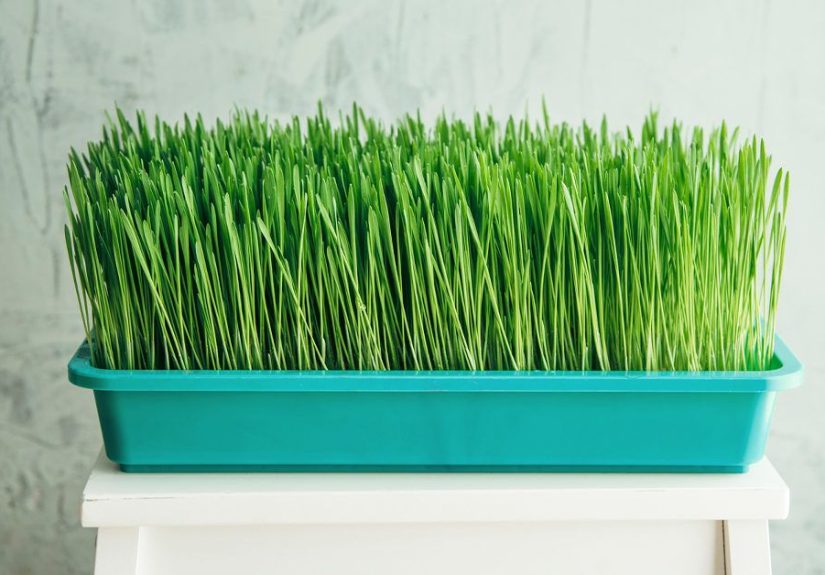
Yes, and many people do. Homegrown wheatgrass is popular for juicing, especially among people who want more control over freshness and handling. But if you need a strict gluten-free diet, growing it yourself does not automatically solve every concern.
You still need to harvest it early, before seed heads develop. You also need to avoid contamination from stored grains, shared kitchen tools, or nearby ingredients. Homegrown does not mean laboratory-perfect. It just means the quality-control manager is now you, possibly wearing pajama pants.
If you are highly sensitive or have celiac disease, you may still prefer commercial products with reliable gluten-free labeling and testing rather than relying only on personal gardening confidence.
So, Is Wheatgrass Gluten-Free or Not?
Here is the practical answer:
Yes, wheatgrass itself can be gluten-free because the young grass does not naturally contain the gluten found in wheat seeds. But not every wheatgrass product is automatically safe.
If you have celiac disease or another medically necessary reason to avoid gluten, choose wheatgrass only when it is clearly labeled gluten-free and comes from a trustworthy source. Be especially careful with powders, blends, supplements, and juice-bar shots where contamination risk may be higher.
In other words, wheatgrass is not guilty by name alone. But it does need a solid alibi.
Real-World Experiences Related to “Is Wheatgrass Gluten-Free?”
One of the most common experiences people have with wheatgrass is simple confusion at the store. A shopper who has done a decent job avoiding bread, pasta, crackers, and obvious wheat ingredients suddenly spots “wheatgrass” in a smoothie powder. The brain freezes. The label says “super greens,” the front looks wholesome, and the word “wheat” is sitting there like a red flag in yoga pants. Many people put the tub back immediately, which is a perfectly reasonable response. Others flip it over, scan for a gluten-free label, and discover that the tiny details matter more than the flashy marketing.
Another frequent experience happens at juice bars. Someone asks for a wheatgrass shot and then follows up with, “Is it gluten-free?” Sometimes the answer is thoughtful and informed. Other times, the employee says, “It should be,” which is one of those phrases that sounds comforting until you remember your intestines are not interested in “should be.” People on a strict gluten-free diet often learn to ask extra questions about shared equipment, cleaning procedures, and whether the wheatgrass source is verified. It is not being difficult. It is being practical.
There is also the experience of people newly diagnosed with celiac disease trying to rebuild their food routine. In that phase, everything feels suspicious. Sauces become puzzles. Seasonings become detective work. Supplements become miniature legal documents. Wheatgrass usually enters the conversation because it sits in that weird category of “maybe safe, maybe not, please read the fine print.” For many people, the lesson is not just about wheatgrass. It is about learning that gluten-free living often depends on details that are invisible at first glance.
Some health-conscious consumers try growing wheatgrass at home because they want more control. They like the freshness, the ritual, and the idea that they can monitor the harvest themselves. That experience can be reassuring, but it also teaches people how precise the process needs to be. Harvest too late, store it carelessly, or use tools that touched gluten-containing foods, and the confidence starts to wobble. Homegrown can feel empowering, but it still requires care.
Then there are people who simply try wheatgrass because they heard it was healthy. They add it to smoothies, mix it into juice, or take it as a supplement. Some enjoy the earthy flavor. Others react as if they accidentally blended a houseplant. Taste reviews are, let’s say, passionate. But even among people who enjoy it, the most sensible experience-based takeaway is this: wheatgrass is not a miracle and it is not automatically dangerous. It is one ingredient that needs context.
For those managing celiac disease, wheat allergy, or gluten sensitivity, the best long-term experience usually comes from having a repeatable routine. Buy from trusted brands. Read labels every time. Ask questions when eating out. Do not assume a “green” product is automatically safe. And do not let trendy wellness language outrank clear gluten-free labeling. That kind of steady, slightly boring discipline may not be glamorous, but it is what keeps people safe. In the world of gluten-free eating, boring is often beautiful.
Conclusion
Wheatgrass sits in an awkward but manageable category. It sounds risky because of its name, but the young grass itself is not the same as the wheat grain that contains gluten. That makes wheatgrass potentially gluten-free, not automatically gluten-free in every form.
The safest strategy is simple: if you need to avoid gluten for medical reasons, look for wheatgrass products that are clearly labeled gluten-free, manufactured carefully, and easy to verify. Skip the guesswork, skip the wellness roulette, and remember that your digestive system deserves better than a blind trust exercise.