Table of Contents >> Show >> Hide
- What Exactly Is Protein Powder?
- Is Protein Powder Bad for You? The Big Picture
- Potential Downsides of Protein Powder
- 1. Too Much Protein Can Stress Your Kidneys (If They’re Already Compromised)
- 2. Possible Heart and Metabolic Risks With Very High Intake
- 3. Digestive Issues: Gas, Bloating, and Bathroom Drama
- 4. Hidden Calories and Unexpected Weight Gain
- 5. Blood Sugar Spikes (Depending on What’s in the Jar)
- 6. Heavy Metals and Contaminants: A Real but Manageable Risk
- 7. Additives, Sweeteners, and “Mystery Ingredients”
- 8. Skin and Gut Effects
- What About Bone Health and Protein Powder?
- Who Should Be Extra Careful With Protein Powder?
- How Much Protein Powder Is Actually Reasonable?
- How to Choose a Safer Protein Powder
- So… Is Protein Powder Bad for You?
- Real-Life Experiences With Protein Powder: What It’s Like in the “Wild”
If you’ve ever stood in front of a wall of giant tubs at the supplement store wondering, “Is this stuff actually good for me… or am I buying expensive chalk that might wreck my kidneys?” you’re not alone. Protein powder has gone from bodybuilder niche product to pantry staple. It’s in smoothies, overnight oats, coffee, even baked goods. But with all that popularity comes a big, fair question: Is protein powder bad for you?
The short answer: for most healthy people, protein powder isn’t inherently bad when used in reasonable amounts. But it’s not a magical superfood either, and there are some real downsides and risks worth knowingespecially if you’re using multiple scoops daily or have certain health conditions.
Let’s dig into what the science actually says about protein powder, its potential side effects, and how to use it without sabotaging your health.
What Exactly Is Protein Powder?
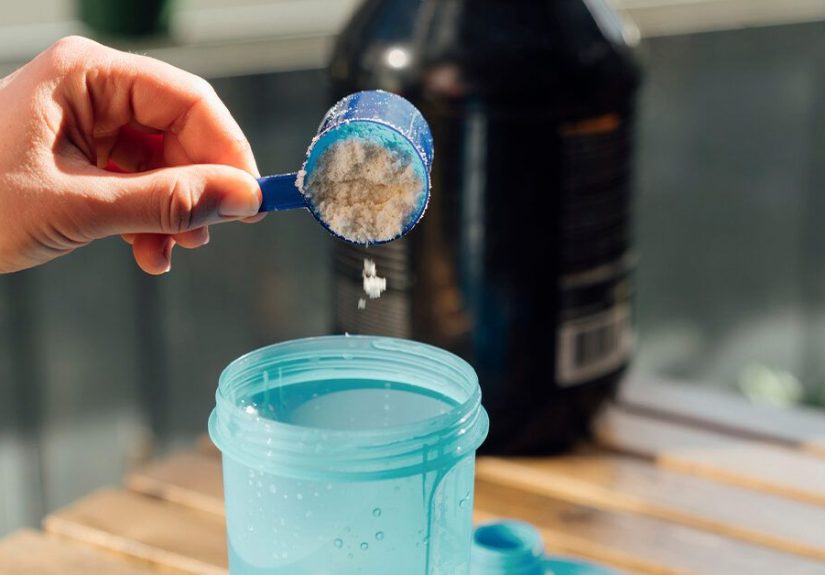
Protein powder is a concentrated source of protein that’s been extracted from foods and processed into a dry, shelf-stable powder. Common types include:
- Whey and casein: dairy-based proteins derived from milk.
- Plant-based blends: pea, rice, hemp, soy, or mixed plant sources.
- Egg or beef protein: less common but available for those avoiding dairy or plants.
Most powders also include flavorings, sweeteners (sugar, stevia, sucralose, sugar alcohols), thickeners (like xanthan gum), and sometimes added vitamins, minerals, or digestive enzymes. In other words, you’re not just getting pure proteinyou’re getting a processed food with a full ingredient list that can impact how your body responds.
Is Protein Powder Bad for You? The Big Picture
Before we zoom in on risks, it helps to look at how much protein you actually need. Most health organizations put the recommended dietary allowance (RDA) for adults at about 0.8 grams of protein per kilogram of body weight per daythat’s roughly 0.36 grams per pound.
For a 150-pound (68 kg) adult, that’s around 55 grams of protein per day. Many peopleespecially active adults, older adults, and those trying to build or maintain musclemay benefit from more, in the range of 1.0–1.6 g/kg, as long as they’re otherwise healthy.
Protein powder can be a convenient way to reach those targets, especially if you’re busy, plant-based, or just not into chewing a pile of chicken breast. On its own, protein powder doesn’t automatically equal danger. Problems tend to show up when:
- You’re consuming way more protein than your body needs.
- You’re using cheap or contaminated products.
- You already have health issues like kidney disease or certain heart conditions.
- You rely on powder instead of real, whole foods.
So no, protein powder isn’t evil. But it’s also not a “more is always better” situation. Let’s walk through the main downsides and myths.
Potential Downsides of Protein Powder
1. Too Much Protein Can Stress Your Kidneys (If They’re Already Compromised)
One of the most common worries is that protein powder will “destroy your kidneys.” Here’s the nuance:
- High-protein diets can increase kidney workload and filtration. In people with chronic kidney disease (CKD), that extra stress may worsen kidney function over time.
- In healthy adults with normal kidney function, research has generally not shown that high-protein diets cause kidney damage, although they do increase kidney activity.
So the bigger problem isn’t protein powder itselfit’s pushing your overall protein intake to very high levels, especially if you already have kidney issues and haven’t discussed it with your doctor.
Red flag moment: If you have CKD, diabetes with kidney involvement, or a history of kidney stones, you should absolutely talk to a healthcare professional before adding protein supplements.
2. Possible Heart and Metabolic Risks With Very High Intake
Emerging research hints that extremely high protein intakeespecially long termmight not be a free pass for your heart either. A recent large study of older adults found that those eating very high protein intakes (around 1.8 g/kg or more per day) had higher rates of major cardiovascular events like heart attacks and heart failure, particularly after age 55.
Again, this doesn’t mean your one daily scoop will send you to the ER. But if you’re stacking:
- Big portions of meat at every meal plus
- Two or three protein shakes plus
- High-fat, highly processed foods
…you may be drifting into a dietary pattern that’s less heart-friendly overall. Balance and variety still matter.
3. Digestive Issues: Gas, Bloating, and Bathroom Drama
Some people handle protein powder like champs. Others? One shake and their stomach files a formal complaint.
Common digestive downsides include:
- Gas and bloating, especially with lactose-containing whey for people with lactose intolerance.
- Loose stools or diarrhea, often from sugar alcohols or large doses of certain sweeteners.
- Constipation if your overall diet is low in fiber.
If your protein shake leaves you feeling like there’s a balloon animal in your abdomen, it may help to:
- Switch to a lactose-free or plant-based option.
- Choose powders with fewer sugar alcohols and additives.
- Start with half a scoop and work up slowly.
4. Hidden Calories and Unexpected Weight Gain
“It’s just protein, it can’t make me gain weight,” said many disappointed people as they realized their daily shake had as many calories as a burger.
Protein shakes can easily add 150–300 calories per scoop, and many people blend them with milk, nut butter, or fruit, turning them into 500-calorie “snacks.” If you’re not adjusting the rest of your intake or activity, those extra calories can absolutely lead to weight gain over time.
Used strategically, shakes can support weight loss or maintenancebut only if they fit into your total daily calorie budget.
5. Blood Sugar Spikes (Depending on What’s in the Jar)
Some protein powders are basically dessert in disguise: they contain added sugars, syrups, or high-glycemic carbs. For people with diabetes, prediabetes, or insulin resistance, those sweetened shakes can spike blood sugar.
If blood sugar is a concern for you, look for:
- “Unsweetened” or low-sugar blends.
- At least 15–20 grams of protein and minimal added sugar per serving.
- Pairing your shake with fiber or healthy fats to help smooth out blood sugar response.
6. Heavy Metals and Contaminants: A Real but Manageable Risk
This is the part that freaks people outand honestly, it deserves attention. Several investigations have found detectable, sometimes concerning levels of heavy metals like lead, cadmium, and arsenic in protein powders, especially some plant-based and chocolate-flavored products.
Key takeaways from recent reports:
- A large share of tested protein powders contained detectable lead, and a sizable fraction exceeded conservative safety thresholds when consumed in multiple servings per day.
- Plant-based powders (especially those made from pea, rice, or mixed plant proteins) often had higher heavy metal levels than whey-based powders, likely because plants absorb metals from soil.
- Chocolate-flavored products sometimes had much higher cadmium levels than vanilla, due to cocoa content.
Does this mean you should toss every tub you own? Not necessarily. It does mean you should:
- Favor brands that use third-party testing (USP, NSF, Informed Choice, ConsumerLab).
- Avoid taking multiple large scoops every day for years on end without breaks.
- Rotate between whole-food protein sources and supplements.
7. Additives, Sweeteners, and “Mystery Ingredients”
Not all protein powders are created equal. Some have short, clean labels. Others read like mini chemistry textbooks.
Potential issues include:
- Artificial sweeteners (like sucralose) or sugar alcohols, which can cause GI upset in some.
- Fillers and gums that may contribute to bloating.
- “Proprietary blends” that hide exact amounts of ingredients so you don’t know what you’re really getting.
A simpler ingredient list usually means fewer surprises for your body.
8. Skin and Gut Effects
Some research suggests that high intakes of whey protein may be linked with acne flare-ups, changes in the gut microbiome, and other subtle shifts in health, though the evidence is mixed and still evolving.
If your skin worsens or your digestion changes dramatically after starting a new protein powder, that’s feedback from your body worth listening to.
What About Bone Health and Protein Powder?
There’s a long-standing myth that high protein intake “leaches calcium from your bones” and causes osteoporosis. Earlier theories suggested that protein increases acid load, which increases calcium loss. But more recent studies and reviews have found that higher protein intake, when calcium intake is adequate, does not harm bone health and may even support it by helping maintain muscle mass and improving calcium absorption.
Translation: your nightly protein shake is unlikely to melt your bonesespecially if you’re getting enough calcium and vitamin D from food or supplements, and you’re doing weight-bearing exercise.
Who Should Be Extra Careful With Protein Powder?
Protein powder may be convenient, but it’s not for everyone. It deserves extra caution if you:
- Have chronic kidney disease or are at high risk for it.
- Have a history of kidney stones.
- Have heart disease or are an older adult considering a very high-protein diet.
- Have trouble controlling blood sugar and are using sweetened shakes.
- Are pregnant, breastfeeding, or considering supplements for children or teens.
In all these situations, it’s smart to loop in your doctor or a registered dietitian before adding regular protein powder to your routine.
How Much Protein Powder Is Actually Reasonable?
A practical approach most dietitians like:
- Figure out your daily protein rangeoften somewhere between 0.8 and 1.6 g/kg, depending on your activity level and health status.
- Get as much of that as you comfortably can from whole foods: meat, fish, eggs, dairy, beans, lentils, tofu, nuts, seeds.
- Use protein powder to fill the gapstypically one scoop per day, sometimes two, rather than building your diet around it.
For many people, a single 20–30 gram scoop per day is a perfectly reasonable “assist” rather than a primary protein source.
How to Choose a Safer Protein Powder
If you decide to use protein powder, a few smart moves can reduce the risks:
- Look for third-party testing. Certifications like USP, NSF, Informed Choice, or ConsumerLab suggest the product was tested for purity and contaminants.
- Check the ingredient list. Shorter is usually better. Be wary of long lists of additives you don’t recognize.
- Watch the sugar. Aim for minimal added sugar per serving; flavored is fine, “milkshake in a tub” is less ideal.
- Match the protein to your body. If you’re lactose intolerant, go for whey isolate, plant-based, or egg-based options.
- Use the scoop mindfully. Don’t double or triple scoops just because you think more must be better.
So… Is Protein Powder Bad for You?
On its own, no, protein powder is not automatically bad for you. For many people, it’s a helpful, convenient way to boost protein intake, support muscle maintenance, and make quick meals or snacks.
The real problems show up when people:
- Use it excessively on top of an already high-protein diet.
- Ignore underlying conditions like kidney disease.
- Choose low-quality brands with questionable contaminants.
- Rely on shakes instead of real, nutrient-dense foods.
If you treat protein powder like what it truly isa supplement, not a food groupmost of the big risks become manageable. Listen to your body, read labels, and keep your doctor in the loop if you have medical conditions.
Real-Life Experiences With Protein Powder: What It’s Like in the “Wild”
Research is great, but how does all of this play out in real kitchens and gyms? Here are some common experience patterns people run into with protein powderand what they often learn along the way.
The “New to Lifting, New to Shakes” Phase
Picture someone who just joined a gym, started following a fitness influencer, and bought a massive tub of chocolate whey because “that’s what lifters do.” For the first week, they’re hyped: muscles are sore (in a good way), shakes taste like dessert, and they feel very serious about their gains.
Then the downsides start to appear:
- A couple of days of bloating and gas because they didn’t realize they’re mildly lactose intolerant.
- Scale creeping upnot just from muscle, but from adding 400 calories of shakes on top of their usual diet.
- Confusion about why they’re still tired even though they’re “getting so much protein.”
What usually helps in this stage is a reality check: shifting from “more protein is always better” to “how much protein do I actually need?” Once they swap to a lactose-free or plant-based option, cut back to one scoop per day, and focus more on sleep and whole foods, the shakes become a tool instead of a problem.
The Busy Professional Who Lives on Shakes
Another common story: the overloaded professional who starts using protein shakes as a meal replacement because it’s “faster than cooking.” Breakfast? Shake. Lunch at the desk? Another shake. Dinner? If there’s time.
At first this feels efficient: they’re not skipping meals, and they’re technically getting protein. But after a while, they may notice:
- They’re still hungry because shakes don’t always provide enough fiber or chewing satisfaction.
- Their energy is unevenheavy on caffeine and sweeteners, light on complex carbs and micronutrients.
- They miss actual food (and social meals) more than they expected.
The lesson that often emerges here: protein powder is great as a backup plan, not a life plan. Using it once a day as a snack or quick breakfast can be totally reasonable, but replacing multiple meals long term may shortchange you on fiber, healthy fats, vitamins, minerals, and joyyes, joy counts.
Older Adults Trying to Protect Muscle
Older adults are often told to get more protein to protect muscle and independenceand that advice is supported by research. The challenge? Appetite can be lower, chewing tougher foods may be harder, and cooking from scratch isn’t always practical.
For many in this group, protein powder becomes a genuinely helpful tool. A small smoothie with Greek yogurt, fruit, and half a scoop of protein can make it much easier to hit daily targets. But even here, moderation and quality matter. A carefully chosen, third-party-tested powder used once a day is very different from a “more is better” chugging mentality.
Those who do best often:
- Pair their protein drinks with light resistance exercise (bands, light weights, bodyweight).
- Choose powders with simple ingredient lists.
- Check with their doctor, especially if they have kidney, heart, or metabolic conditions.
The “I Read About Heavy Metals and Panicked” Moment
Heavy metal contamination news has caused a lot of people to look suspiciously at their blenderand understandably so. It’s unsettling to hear that something marketed as “clean” and “healthy” might contain lead or cadmium.
What usually happens after the initial panic?
- People start reading labels more closely and ditching powders with unclear or overly flashy marketing claims.
- They switch to brands that publish their testing or carry third-party certifications.
- They reduce their reliance on powdersusing them a few times a week instead of every dayand lean harder into whole foods like eggs, beans, tofu, fish, and lean meats.
The end result tends to be a more balanced approach: protein powder becomes a backup convenience tool, not a main food group.
Listening to Your Own Body
Maybe the most important “experience-based” lesson: what your friend, favorite influencer, or gym buddy tolerates isn’t automatically right for you.
Your body will usually tell you if something’s off:
- New acne or skin changes after starting a powder? It might be the whey or certain ingredients.
- Persistent stomach cramps or urgent bathroom trips? Time to switch formulasor step away from powder entirely.
- Feeling wired, jittery, or crash-y after sweet shakes? Look at sugar content, caffeine blends, or how they fit into your day.
It’s perfectly fine to experiment: try different types (whey isolate vs. plant-based), different serving sizes, and different times of day. Just pair your experiments with common sense: know your health conditions, keep your doctor informed, and remember that no powder can replace a generally healthy diet, movement, stress management, and adequate sleep.
Bottom line: Protein powder is a toolpowerful when used wisely, problematic when overdone or used without context. Respect the scoop, and it will usually respect you back.