Table of Contents >> Show >> Hide
Massage therapy has long been lauded for its ability to relieve stress, soothe sore muscles, and promote overall well-being. But when it comes to paying for it, many people wonder: is massage therapy covered by insurance? The answer isn’t as straightforward as you might think, as it largely depends on your insurance plan, the reason for your massage, and where you live. In this article, we’ll explore whether your insurance can cover the costs of massage therapy, what conditions might make it eligible for coverage, and how you can make the most of your benefits if massage therapy is included in your plan.
Understanding the Basics of Massage Therapy and Insurance
Massage therapy is a healthcare treatment that involves manipulating the soft tissues of the body to relieve pain, reduce stress, and promote relaxation. It is often used for treating chronic pain, injury rehabilitation, and general stress relief. However, insurance coverage for massage therapy can vary significantly based on the type of insurance plan you have, the treatment’s purpose, and the state in which you reside.
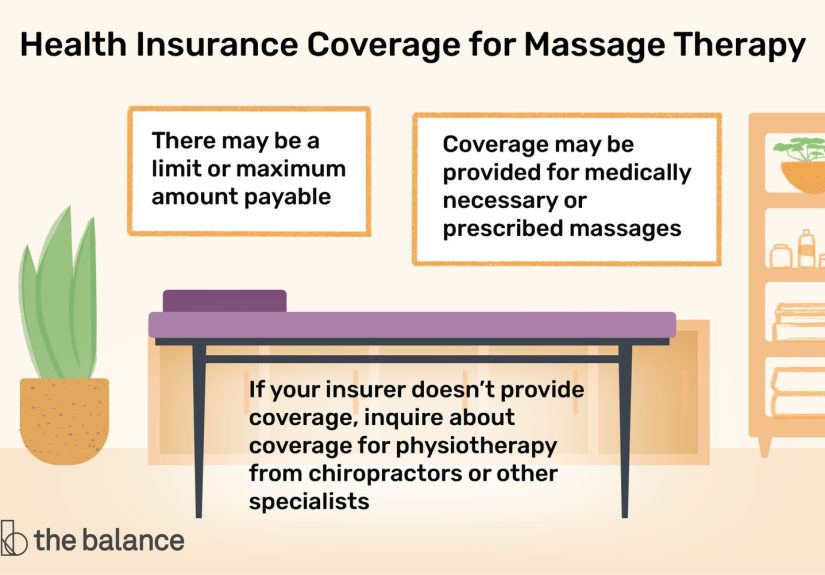
Insurance plans typically divide coverage into two categories: medical and non-medical. While most traditional health insurance policies don’t automatically cover massage therapy, there are exceptions. Massage therapy may be covered if it is deemed medically necessary, or if it is part of a treatment plan prescribed by a healthcare provider. In such cases, massage therapy could be included under physical therapy or rehabilitation services.
When Is Massage Therapy Covered by Insurance?
There are certain situations where massage therapy may be covered by insurance. The key factor in determining coverage is whether the massage therapy is considered medically necessary. Here are the most common circumstances under which insurance companies may cover massage therapy:
1. Massage Therapy for Medical Conditions
If your doctor prescribes massage therapy for the treatment of a specific medical condition, such as chronic pain, musculoskeletal injuries, or conditions like fibromyalgia, your insurance provider may cover it. For example, massage therapy for post-surgery recovery, treatment for arthritis, or stress-related disorders like anxiety could be considered medically necessary, making it eligible for insurance coverage.
2. Coverage Under Physical Therapy or Rehabilitation Plans
In many cases, insurance companies cover massage therapy when it is part of a physical therapy or rehabilitation program. If you are recovering from surgery or an injury, your healthcare provider might recommend massage therapy to ease muscle tension, improve mobility, and reduce pain. If massage therapy is a component of your overall treatment plan, your insurance provider may cover the cost, especially if the treatment is aimed at improving your function and recovery.
3. Chiropractic or Osteopathic Treatment Plans
Some chiropractic and osteopathic care plans include massage therapy as part of their treatment. If your chiropractor or osteopath includes massage therapy as part of their prescribed course of treatment, some insurance policies may cover the cost under chiropractic care benefits. This is more common in plans that cover holistic or alternative therapies.
4. Coverage Under Workers’ Compensation or Disability Insurance
If you are injured at work, workers’ compensation insurance may cover massage therapy if it is deemed necessary for your recovery. Similarly, disability insurance plans that cover rehabilitation treatments may also include massage therapy if prescribed by a physician.
How to Make the Most of Your Insurance Benefits for Massage Therapy
If you’re hoping to have your massage therapy covered by insurance, there are a few steps you can take to increase your chances of approval:
1. Get a Doctor’s Prescription
To increase the likelihood of insurance coverage, get a prescription or referral from your primary care doctor or specialist. A prescription stating that massage therapy is medically necessary can be crucial in convincing your insurer to cover the costs. This is especially important for insurance providers that only cover massage therapy when it is part of a specific treatment plan.
2. Verify Your Coverage
Before booking a massage, contact your insurance company to verify your coverage. Inquire about the specific conditions under which they will pay for massage therapy. Ask whether it needs to be provided by a licensed massage therapist and whether the therapy must be billed as part of a broader treatment plan.
3. Know Your Plan’s Network
Some insurance plans only cover massage therapy if the provider is within a specific network of approved practitioners. Make sure to check if the massage therapist you are seeing is within your plan’s network, as this will affect your out-of-pocket costs.
4. Keep Detailed Records
If you are seeking reimbursement or pre-authorization for massage therapy, be sure to keep detailed records of all treatments. This includes receipts, dates of service, and any notes from your doctor that explain the need for the therapy. Detailed documentation can help make the approval process smoother and faster.
What to Do if Massage Therapy Isn’t Covered by Insurance
Not all insurance plans will cover massage therapy, even if it’s medically necessary. If your insurance provider doesn’t cover massage therapy, there are still options available:
1. Consider Flexible Spending Accounts (FSAs) or Health Savings Accounts (HSAs)
If your insurance doesn’t cover massage therapy, you can use an FSA or HSA to pay for your treatments. These accounts allow you to set aside pre-tax dollars for medical expenses, including massage therapy in some cases. Check with your plan administrator to see if massage therapy is eligible for reimbursement.
2. Explore Payment Plans
Many massage therapists offer payment plans or discounts for patients paying out-of-pocket. If cost is a concern, inquire about these options before booking a session.
3. Look for Discounted or Package Deals
Some massage therapy clinics offer package deals or memberships that allow you to receive treatments at a discounted rate. This can make regular therapy more affordable, even if your insurance won’t cover it.
Conclusion
Massage therapy can be a highly effective way to manage pain, improve mobility, and reduce stress. While it may not always be covered by insurance, there are several scenarios in which it can be, especially if it’s part of a medically necessary treatment plan. To maximize your chances of insurance coverage, always consult your doctor for a prescription, verify your coverage details with your insurer, and keep thorough documentation of all treatments. And remember, even if insurance doesn’t cover your massage therapy, there are still ways to make this valuable treatment more affordable through FSAs, HSAs, or payment plans.
sapo: Wondering if massage therapy is covered by insurance? Find out when your plan will cover massage treatments, how to get your therapy covered, and alternative payment options in this detailed guide.
Experiences and Insights on Massage Therapy Coverage
As someone who has experienced both the joys and frustrations of navigating insurance coverage for massage therapy, I can say that it often feels like a maze. My first experience was years ago, when I injured my back while moving furniture. After seeing a chiropractor for a few sessions, he recommended massage therapy to help relieve the muscle tension and aid my recovery. To my surprise, my insurance covered part of the cost since it was included as part of my rehabilitation plan.
It wasn’t always smooth sailing, though. A few years later, when I wanted to use massage therapy to help alleviate chronic neck pain, my insurance company refused to cover it because it wasn’t part of an active treatment plan. I had to pay out-of-pocket and ended up using my HSA to cover the expenses. However, the relief I felt from the massages made it worth the investment.
Through my experiences, I’ve learned that getting your insurance to cover massage therapy requires persistence. It’s crucial to have a clear treatment plan, a referral from your doctor, and all the necessary paperwork in place. If massage therapy is essential to your recovery or well-being, don’t hesitate to explore all your options for coverage, including FSAs, HSAs, and payment plans from therapists. Massage therapy can be a powerful tool for managing pain and promoting relaxation, and with a little persistence, it can also be within reach financially.