Table of Contents >> Show >> Hide
- The “Does It Hurt?” Breakdown (What It Usually Feels Like)
- Why CoolSculpting Can Feel Uncomfortable (A Simple Explanation)
- Common CoolSculpting Side Effects (Normal, Temporary, and Usually Mild)
- Less Common (But Important) Risks You Should Know
- CoolSculpting Aftercare Tips (What Actually Helps)
- Recovery Timeline: When the Soreness Fades and Results Appear
- Who’s a Good Candidate (and Who Should Hit Pause)
- Questions to Ask Your Provider Before You Book
- Real-World Experiences (About ): What People Say It’s Like
- Bottom Line: Is CoolSculpting Painful?
CoolSculpting has one of the boldest marketing flexes in aesthetics: “We can freeze your fat… on purpose.” If that sentence makes you clench every muscle you own, you’re not alone. The #1 question people ask before booking a cryolipolysis (“fat freezing”) session is the most human one:
Is CoolSculpting painful?
Here’s the honest answer: it can be uncomfortable, especially at the start and right after the applicator comes offbut most people describe it as weird more than painful. Think cold + suction + pressure, followed by temporary numbness and soreness that can feel like you did an enthusiastic ab workout you do not remember signing up for.
Quick note: This article is educational, not medical advice. A qualified provider can tell you what’s safest for your body and goalsespecially if you have medical conditions, take medications, or have a history of cold sensitivity.
The “Does It Hurt?” Breakdown (What It Usually Feels Like)
During the session: cold + suction + pressure (then numbness)
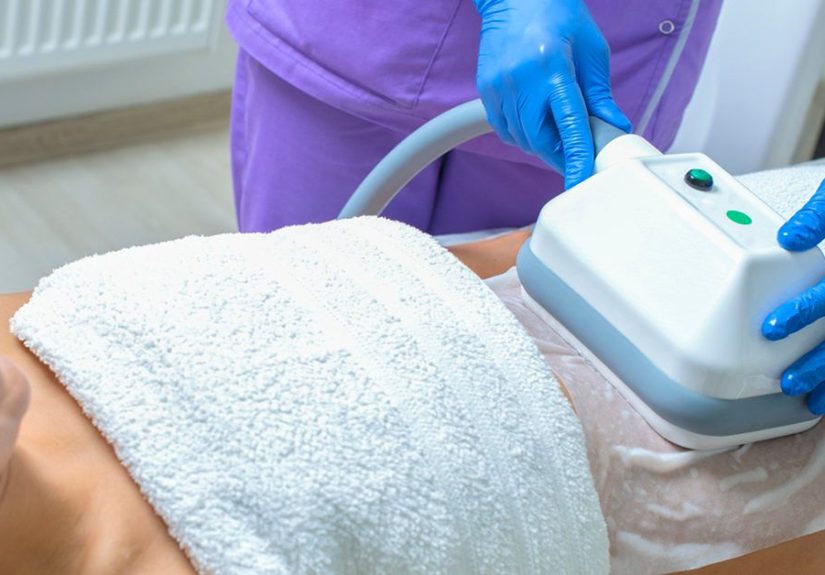
CoolSculpting uses a device that pulls tissue into an applicator (so yes, suction is involved) and cools it to target fat cells. Most people report a predictable pattern:
- First few minutes: intense cold, tight pulling, pressure, and sometimes pinching or stinging.
- After that: the area usually goes numb, so discomfort tends to drop.
- While it runs: you may feel pressure, heaviness, or mild achingmany people scroll their phone or nap.
If you’re treating a more sensitive zone (like the upper arms) or you’re naturally more cold-sensitive, you might feel stronger discomfort than someone treating, say, the lower belly.
Right after: the “massage wake-up call”
When the applicator comes off, providers typically massage the treated area. This can be the most uncomfortable part for some people because the tissue is cold, firm, and numbso the massage can feel intense, like kneading a frozen loaf of bread that used to be your love handle.
Over the next few days: tender, tingly, “worked-out” soreness
After treatment, a lot of people describe sensations such as:
- soreness or tenderness to the touch
- swelling or puffiness
- bruising
- numbness (sometimes lingering for weeks)
- tingling, itching, or “zingers” as nerves wake back up
Most of this is temporary. But “temporary” can still be annoyinglike a houseguest who said they’d stay one night and is still there on day five.
Why CoolSculpting Can Feel Uncomfortable (A Simple Explanation)
CoolSculpting is a brand name for cryolipolysis, a method that uses controlled cooling to damage fat cells under the skin. Your body then gradually clears those damaged fat cells over time. That part is slow and behind-the-scenes.
The sensations you feel are mostly about three things happening at once:
- Suction: tissue is drawn into the applicator, creating pressure and pulling.
- Cold exposure: the initial cold can sting before numbing kicks in.
- Nerve response: as tissue cools and rewarmes, nerves can produce tingling or intermittent discomfort.
Common CoolSculpting Side Effects (Normal, Temporary, and Usually Mild)
Most side effects happen right where you were treated, and most improve over days to a few weeks. Common, expected effects include:
1) Redness and swelling
Your skin may look red or feel puffy shortly after treatment. This usually calms down relatively quickly, though swelling can linger longer in some people.
2) Bruising and tenderness
Because suction is involved, bruising is common for some patientsespecially if you bruise easily or take medications/supplements that affect bleeding (always disclose these to your provider).
3) Numbness or reduced sensation
Numbness is one of the most frequently mentioned side effects. It can last days to weeks and sometimes comes and goes. It’s odd, but often not dangerous on its own.
4) Tingling, itching, cramping, or “pins and needles”
As the area recovers, some people report tingling or sensitivitysometimes described as nerve “zaps.” Mild cramping can happen too, depending on the area treated.
5) Mild pain or aching
Some people have minimal pain; others feel sore like they did a workout. Over-the-counter pain relief may be recommended by a clinician for short-term discomfort (only use what your provider says is appropriate for you).
Less Common (But Important) Risks You Should Know
Noninvasive doesn’t mean “no risk.” The FDA describes noninvasive body contouring as a medical procedure with potential complications. Most are uncommon, but you deserve the full picture.
1) Paradoxical Adipose Hyperplasia (PAH)
PAH is the complication everyone Googles at 2:00 a.m. It’s rare, but real: instead of the treated area shrinking, the fat in that specific zone can become larger and firmer over the following months. Reports often describe a well-defined bulge that matches the applicator shape.
Key things to know:
- PAH typically appears weeks to months after treatment.
- It doesn’t usually go away on its own and may require medical/surgical correction.
- Risk seems higher in certain populations (research suggests it may occur more often in men), and estimates vary by study/device.
2) Prolonged or significant nerve pain (rare)
Some patients experience stronger or longer-lasting pain or altered sensation (dysesthesia). Most cases improve, but ongoing or severe nerve symptoms should be evaluated promptly.
3) Skin injury (rare, but urgent)
Severe cold exposure can, in rare cases, contribute to skin injury (for example, blistering or a burn-like injury). If you notice blisters, intense pain, or skin that looks progressively worse instead of better, contact your provider quickly.
4) Faintness or vasovagal symptoms
A small number of people feel lightheaded, sweaty, nauseated, or faint around medical procedureseven noninvasive ones. Eat a balanced meal beforehand and tell your provider if you’ve fainted during needles, blood draws, or procedures in the past.
CoolSculpting Aftercare Tips (What Actually Helps)
The best aftercare is simple: protect the area, support your comfort, and don’t “DIY” anything extreme. You don’t need a mystical recovery ritualjust smart basics.
Right after treatment (same day)
- Expect temporary weirdness: numb, firm, tender, swollennormal for many people.
- Wear comfortable clothing: avoid tight waistbands or rough fabrics that rub a sensitive area.
- Gentle movement helps: light walking can reduce stiffness and support circulation.
- Ask about massage: many providers recommend post-treatment massage; follow their technique and timing (don’t aggressively “punish” the area).
First 48–72 hours
- Use comfort measures: if your clinician approves, short-term pain relievers may help.
- Don’t apply intense heat: heating pads and very hot baths can irritate tender tissue for some people.
- Hydrate like a functional adult: water supports overall recovery and well-being. (No, you can’t “flush” fat overnight, but hydration is still a win.)
First week
- Resume normal routines as tolerated: many people have little to no downtime, but listen to your body.
- Exercise is usually okay: if the area is very sore, choose lighter workouts for a few days.
- Skip aggressive “fat-breaking” tools: no harsh rolling, scraping, or extreme suction gadgets at home unless a clinician specifically instructs it.
- Watch your skin: mild redness and bruising are common; worsening pain, blistering, or severe color changes are not “tough it out” moments.
Longer-term (until results show)
- Keep expectations realistic: CoolSculpting is for contouring small stubborn bulges, not major weight loss.
- Maintain stable habits: consistent nutrition, movement, and sleep help you keep results looking like results.
- Take progress photos monthly: your mirror lies daily; photos tend to be more honest over time.
Recovery Timeline: When the Soreness Fades and Results Appear
Everyone’s timeline varies, but this is a common pattern:
- Day 0–3: redness, swelling, tenderness, bruising; numbness may start.
- Week 1–3: tenderness fades for many; tingling/itching/sensitivity can appear as nerves recover.
- Week 3–6: early visible changes may appear in some people.
- Month 2–3+: more noticeable contour changes often show as the body continues clearing affected fat cells.
If you’re waiting for instant gratification, CoolSculpting will teach you patience. It’s basically the “slow cooker” of body contouring.
Who’s a Good Candidate (and Who Should Hit Pause)
CoolSculpting tends to work best if you:
- are close to your goal weight but have pinchable pockets of subcutaneous fat
- want non-surgical contouring with minimal downtime
- have realistic expectations (subtle-to-moderate changes, not a total transformation)
You should be cautiousor avoid cryolipolysisif you have:
- cold-related conditions (for example, cold urticaria, cryoglobulinemia, or paroxysmal cold hemoglobinuria)
- a hernia in or near the area being treated
- significant skin issues, poor healing, or medical conditions your provider flags as higher risk
Questions to Ask Your Provider Before You Book
- How many sessions do you expect I’ll need for my goals?
- What will the treatment feel like for this body area?
- What side effects do you see most often in your practice?
- What are your instructions if I develop severe pain, blistering, or unusual swelling?
- How do you handle rare complications like PAH?
- Am I a good candidate based on my medical history and body goals?
Real-World Experiences (About ): What People Say It’s Like
Because pain is personal, the most helpful way to understand CoolSculpting discomfort is through patterns people commonly report. Below are composite experiences based on how patients and clinicians often describe the process (your experience can be milder, stronger, or simply different).
The “Cold Clamp” Moment
A lot of people say the first few minutes are the most intenselike placing your hand on a metal pole in winter, except the pole is politely vacuum-sealing your stomach. The cold can feel sharp at first, and the suction pressure can be surprising. Then, once numbness sets in, many describe it as “fine,” “strange,” or “annoying but tolerable.” Several people compare this phase to wearing a very tight, very cold shoeon your abdomen.
The Unexpected Part: The Post-Treatment Massage
Some patients walk in expecting the freezing to be the worst part and walk out saying, “Actually, the massage was the spicy part.” The treated tissue can feel firm and frozen, and the massage (done to warm and loosen the area) may feel intense for a couple of minutes. People who are touch-sensitive sometimes rate this as the most uncomfortable stepbrief, but memorable.
The “I’m Numb… Wait, Am I Still Numb?” Week
Numbness is a common theme. One person might shrug it off (“It’s like my skin fell asleep”), while another finds it unsettling (“It feels like I’m wearing an invisible patch”). Some report numbness fading quickly, while others notice it lingering for weeks. The key emotional note here is that numbness often feels odd rather than painful.
The Delayed “Zingers”
A smaller group reports occasional tingles or “zaps” days latertiny electric-feeling sensations that come and go. These can happen as nerves recover. People often describe them as more surprising than severe, like your body sending a random push notification: “Hey! We’re rebooting this area.”
Soreness Like a Workout You Didn’t Do
It’s common to hear comparisons to post-gym soreness. The area can feel tender to touch or achy when you move a certain way, especially if there’s bruising. Some people avoid tight clothing for a week because waistbands or bra lines can make a tender spot feel crankier.
The Emotional Experience: “Is This Normal?”
Even when symptoms are mild, people often worry about what they’re feelingbecause it’s a unique sensation. Many say the biggest relief was hearing a clear “what’s normal vs. what’s not” checklist from their provider. If there’s one universal experience, it’s this: confidence goes up when expectations are realistic, and anxiety goes down when aftercare instructions are specific.
Bottom Line: Is CoolSculpting Painful?
For most people, CoolSculpting is more uncomfortable than painful: intense cold and pressure upfront, a brief “wake-up” massage, then temporary tenderness and numbness. Side effects are usually mild and fade over timebut rare complications (like PAH or significant skin injury) are important to understand before you commit.
If you want the smoothest experience possible, the best strategy is simple: choose a qualified provider, follow aftercare instructions, and treat your recovery like your body just did something medically relevantbecause it did.