Table of Contents >> Show >> Hide
- What Is IkariaSlim (and What Does It Claim)?
- The 2025 Reality Check: What Weight-Loss Supplements Can (and Can’t) Do
- IkariaSlim’s 6 “Powerful” Ingredients: What the Evidence Suggests
- So… Will IkariaSlim “Unlock Natural Weight Loss”?
- Red Flags to Watch for in Any IkariaSlim Marketing (or Any Diet Supplement, Honestly)
- Safety First: Who Should Skip IkariaSlim (or Any Weight-Loss Supplement)
- If You’re Considering IkariaSlim in 2025, Here’s How to Evaluate It Like a Pro
- FAQs
- Bottom Line: IkariaSlim Review 2025
- Experiences in 2025: What People Commonly Notice (and What That Really Means)
Quick vibe check: IkariaSlim is marketed as a “natural” weight-loss helper built around six familiar supplement ingredients (L-carnitine, raspberry ketones, glucomannan, green tea leaf extract, vitamin B6, and vitamin B12). In 2025, that puts it in a crowded category where the marketing is usually louder than the evidence. If you’re hoping for effortless “fat melting,” I have bad news. If you’re looking for a modest support tool alongside real habit changes, there are still a few important things to know before you spend moneyor swallow anything.
Important safety note: Weight-loss supplements aren’t a good idea for anyone under 18, and they can be risky for people who are pregnant, breastfeeding, managing a medical condition, or taking medications. If any of that is you, treat this review as educationnot a green light.
What Is IkariaSlim (and What Does It Claim)?
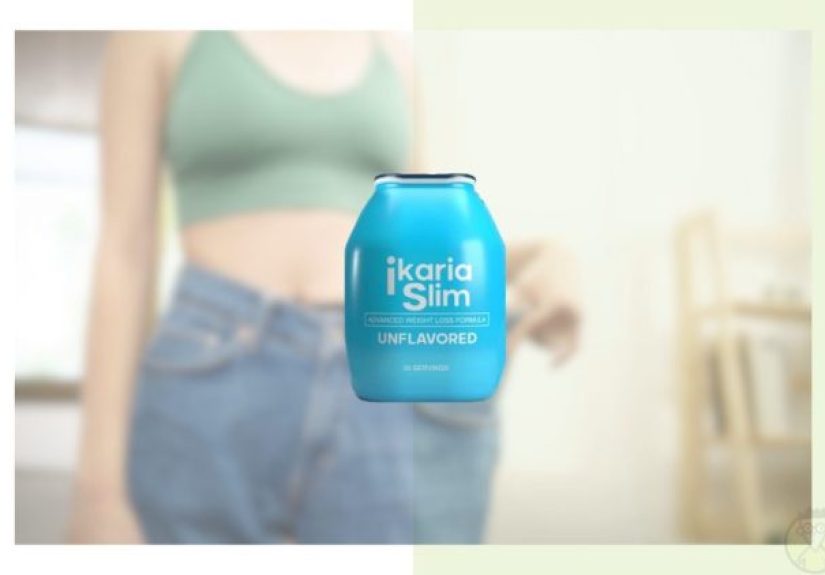
IkariaSlim is sold online as a weight-management supplement. Its pitch typically revolves around “natural” ingredients, appetite support, and metabolism/energy talkoften wrapped in the kind of inspirational language that makes your inbox feel like it’s being chased by a motivational speaker holding a blender bottle.
Here’s the reality: dietary supplements in the U.S. aren’t approved like prescription drugs, and the most important details are the ones that are usually hardest to find in big glossy sales pagesthings like exact dosages, quality testing, and what outcomes are actually backed by strong studies.
The 2025 Reality Check: What Weight-Loss Supplements Can (and Can’t) Do
In a perfect world, a supplement would (1) do something meaningful, (2) do it consistently, (3) do it safely, and (4) do it without marketing that sounds like a late-night infomercial. In the real world, most weight-loss supplements land closer to: “might help a little, sometimes, for some people… if you also do the boring stuff.”
That “boring stuff” matters because sustainable fat loss still comes down to habits you can repeat: a consistent calorie deficit, adequate protein, plenty of fiber, movement you’ll actually do, sleep, and stress management. Public health guidance consistently emphasizes gradual progress (often around 1–2 pounds per week for many adults) as more sustainable than rapid-loss promises.
So if a product implies you can lose a dramatic amount of weight without changing diet or activity, consider that a marketing red flagnot a miracle. The safest mindset is: supplements don’t replace the fundamentals; at best, they support them.
IkariaSlim’s 6 “Powerful” Ingredients: What the Evidence Suggests
Below is a practical breakdown of the six ingredients most commonly associated with IkariaSlim’s formula. Because supplements can change and labels vary, always verify the Supplement Facts panel on the actual product you have in hand.
1) Glucomannan (Konjac Root Fiber)
What it is: Glucomannan is a soluble fiber that absorbs water and forms a gel-like substance in the gut.
Why it’s included: Fiber can increase fullness and help some people reduce overall calorie intakeespecially if meals are low in fiber to begin with.
What research suggests: Evidence for glucomannan specifically causing meaningful weight loss is mixed. Some research finds little to no benefit for weight loss on its own, while other studies suggest small changes that may depend on dose, duration, and whether a person is also changing diet habits.
Safety considerations: Because it expands with liquid, it can cause GI side effects (bloating, gas, changes in bowel habits) and may be problematic for people with swallowing or gut-narrowing issues. Fiber supplements can also affect absorption of some medications if taken too close together.
2) Green Tea Leaf Extract
What it is: Concentrated components of green tea, often including catechins (like EGCG) and sometimes caffeine.
Why it’s included: Green tea is often marketed for “metabolism” support, mild thermogenesis, and antioxidant benefits.
What research suggests: Green tea (and catechins) may be associated with small reductions in weight for some people, but the average effect tends to be modest. If a product claims dramatic fat loss from green tea alone, it’s overselling.
Safety considerations: Concentrated green tea extract has been associated with rare but serious liver injury in some reports. Caffeine can also worsen anxiety, sleep issues, and heart palpitations in sensitive people. If you already struggle with sleep, a “metabolism booster” might just boost your ability to stare at the ceiling at 2:17 a.m.
3) L-Carnitine
What it is: A compound involved in transporting fatty acids into mitochondria, where they can be used for energy.
Why it’s included: The theory is straightforward: if fat gets shuttled into the energy factory, you’ll “burn more fat.” The marketing writes itself.
What research suggests: L-carnitine’s benefits are clearer in specific medical contexts than in general “weight loss for everyone.” Some studies show modest changes in body weight or body composition, often alongside diet and exercise changes, but results aren’t consistent enough to treat it like a sure thing.
Safety considerations: It can cause GI upset in some people, and high doses may cause a “fishy” body odor. It may also interact with certain medications, so this is a “talk to your clinician/pharmacist” ingredient if you take prescriptions.
4) Raspberry Ketones
What it is: A compound responsible for part of raspberry aroma (yes, your supplement might be trying to smell like a dessert’s personality).
Why it’s included: It’s been marketed heavily for fat loss, often referencing lab or animal research.
What research suggests: Human evidence is limited, and many studies involve multi-ingredient formulas, making it hard to isolate what raspberry ketones doif anything. This ingredient is popular in marketing, not famous for high-quality human trials.
Safety considerations: Because robust human safety data is limited, caution is smartespecially for people with heart conditions, blood pressure concerns, anxiety, or stimulant sensitivity (some products combine it with other stimulating compounds).
5) Vitamin B6
What it is: A vitamin involved in many enzyme reactions, including aspects of metabolism and nervous system function.
Why it’s included: “Metabolism support” is the headlinebecause B vitamins are involved in converting food into energy.
What research suggests: If you have a deficiency, correcting it matters for health. But if you’re already getting enough, extra B6 doesn’t automatically translate into extra fat loss. B vitamins help your body use energythey don’t magically make your body burn more stored fat without a calorie deficit.
Safety considerations: Very high, long-term intakes of B6 can cause nerve problems (neuropathy). The risk depends on dose and duration, so checking the label mattersespecially if you also take a multivitamin or energy supplement that includes B6.
6) Vitamin B12
What it is: A vitamin important for nerve health, blood cell formation, and DNA synthesis.
Why it’s included: B12 is often marketed for “energy,” and B12 shots became a wellness trend, so it shows up in a lot of formulas.
What research suggests: If you’re deficient, you might feel tired and weakso correcting deficiency can improve energy and well-being. But in people with normal B12 levels, adding more doesn’t reliably cause fat loss. It’s “supportive,” not “transformative.”
Safety considerations: B12 is generally considered safe for most people, but it’s still worth checking amounts if you stack multiple supplements.
So… Will IkariaSlim “Unlock Natural Weight Loss”?
Here’s the honest answer: IkariaSlim’s ingredient lineup includes a fiber (glucomannan) and green tea extracttwo categories that can have small weight-related effects for some people. The rest of the formula (B vitamins, L-carnitine, raspberry ketones) leans more toward “metabolic support” positioning than “clinically proven fat loss.”
If you combine a fiber-forward approach with reasonable eating patterns and movement, you might notice:
- Better fullness (especially if your usual diet is low in fiber)
- Slight appetite control (more from habits and food choices than from a capsule)
- Small changes over time (if you’re consistent and realistic)
But if you’re hoping for dramatic results without changing what you eat, how you move, or how you sleep, you’ll likely end up disappointedand slightly poorer.
Red Flags to Watch for in Any IkariaSlim Marketing (or Any Diet Supplement, Honestly)
Not all marketing is evil, but weight-loss marketing is… enthusiastic. Be cautious if you see claims that imply:
- Large weight loss without diet or exercise
- Guaranteed results for everyone
- Permanent weight loss even after stopping the product
- “Eat whatever you want” and still lose substantial weight
Those types of claims are widely recognized as unrealistic. Treat them like you’d treat a “free iPhone” text from a random number: with suspicion and a finger hovering over “delete.”
Safety First: Who Should Skip IkariaSlim (or Any Weight-Loss Supplement)
Talk to a healthcare professional before using a weight-loss supplement if you:
- Are under 18
- Are pregnant, breastfeeding, or trying to conceive
- Have liver disease, heart conditions, anxiety/panic issues, or uncontrolled blood pressure
- Take prescription medications (especially those affected by stimulants or absorption timing)
- Have a history of disordered eating or feel that weight-loss products may trigger unhealthy behaviors
Extra caution with “weight loss” products sold online: The weight-loss supplement category has a documented history of contaminated products marketed with hidden drug ingredients. That doesn’t mean every product is taintedbut it does mean you should be picky about what you trust.
If You’re Considering IkariaSlim in 2025, Here’s How to Evaluate It Like a Pro
Check the label, not just the headline
The “Supplement Facts” panel matters more than sales copy. Look for exact doses, serving size, and warnings. If the label is hard to find, that’s not a great sign.
Look for quality signals
Third-party testing (like USP or NSF) can be a plus. It doesn’t guarantee weight lossbut it can improve confidence that what’s on the label is actually in the bottle.
Decide what success actually looks like
For many adults, sustainable weight loss is gradual. If your expectations are “drop 20 pounds in two weeks,” no supplement can safely deliver that. If your expectations are “support better habits and maybe help me feel fuller,” then you’re at least asking the right question.
Don’t ignore the boring basics
If you want the highest ROI for fat loss, start with:
- Protein + fiber in meals (satiety is a cheat codelegal in all 50 states)
- Consistent movement (walking counts; your knees will thank you)
- Sleep (because hunger hormones don’t care about your hustle culture)
- Stress management (because “cortisol snacks” are real snacks)
FAQs
Is IkariaSlim FDA-approved?
Dietary supplements are not FDA-approved to treat or prevent disease the way prescription drugs are. A supplement can be legally sold, but that isn’t the same thing as FDA approval for weight loss outcomes.
Can IkariaSlim replace diet and exercise?
No. If anything helps at all, it’s typically as a small add-on to a consistent routinenot a substitute.
How fast should you expect to lose weight?
For many adults, gradual progress tends to be more sustainable than rapid loss. If any product promises dramatic weekly losses without lifestyle change, be skeptical.
Are “natural” weight-loss supplements automatically safe?
No. “Natural” doesn’t equal “risk-free.” Concentrated extracts can cause side effects or interact with medications, and the weight-loss category has a history of contaminated products.
Bottom Line: IkariaSlim Review 2025
IkariaSlim’s formula leans on a few ingredients that may offer modest support (especially fiber and green tea extract), plus vitamins and compounds that are often marketed for “metabolism.” That’s not automatically uselessbut it’s also not a guaranteed “unlock.” If you’re expecting a dramatic transformation from six ingredients in a scoop or capsule, you’ll probably feel like you paid for hype.
The smartest approach: treat IkariaSlim as optional, evaluate the label carefully, avoid unrealistic promises, and prioritize the fundamentals that actually drive results. And if you’re under 18 or have any medical concerns, skip weight-loss supplements altogether and talk to a qualified clinician about safe, healthy options.
Experiences in 2025: What People Commonly Notice (and What That Really Means)
Because weight-loss supplements are usually marketed with dramatic before-and-after stories, it helps to talk about the more realistic “experiences” people tend to reportespecially when a product includes fiber and green tea extract. Consider this section a set of common patterns (not promises), using composite scenarios you’ll recognize if you’ve spent even five minutes reading reviews anywhere on the internet.
Experience #1: “I felt less snacky… and I’m not sure why.”
A lot of people who add a fiber-like ingredient to their routine report feeling fuller between meals. Sometimes that’s the supplement, but often it’s the behavior change that comes with it: they start paying attention to timing, water intake, and meal structure. Translation: the routine becomes a reminder to eat more intentionally. If you’re someone who tends to graze, that small shift can reduce mindless snackingespecially late at night, when your kitchen becomes a 24-hour emotional support diner.
Experience #2: “My stomach had opinions.”
Fiber ingredients can be helpful, but they can also introduce bloating, gas, or bathroom schedule… surprises. People who already eat a high-fiber diet might notice little benefit. People who eat low fiber might notice a bigger changeboth in fullness and in GI effects. The most realistic story here isn’t “I lost 30 pounds instantly.” It’s “I noticed digestive changes, then I adjusted my overall diet and things evened out.”
Experience #3: “I had more energyuntil I didn’t.”
Green tea extract (and any caffeine content) can feel like a gentle “up” for some peoplemore alertness, slightly better workout motivation, and less afternoon slump. But the same ingredient can be a problem for others: jitteriness, anxiety, and worse sleep. And if your sleep gets worse, your hunger signals often get louder. So some people report a funny arc: they start a “metabolism” supplement, feel energized for a week, sleep poorly, then feel hungrier and more tired. It’s not the universe punishing you; it’s physiology being extremely consistent and extremely unimpressed by marketing.
Experience #4: “I lost weight… but it was because I finally got consistent.”
This is the most honest success story you’ll read, and it’s also the least likely to be featured in an ad. Many people who report progress also describe changes like: fewer sugary drinks, more walking, higher protein breakfasts, more vegetables, less late-night snacking, and better sleep habits. The supplement becomes a “commitment cue”a daily reminder that reinforces a new identity: someone who pays attention to their health. If you’re looking for something to help you stick to the plan, that psychological effect can matter. But it’s still the plan doing the heavy lifting.
Experience #5: “I expected magic and got… math.”
Some people buy products like IkariaSlim hoping for a shortcut. What they get is a lesson: sustainable fat loss is mostly about consistency, not intensity. When expectations are out-of-synclike wanting major results without changing anythingdisappointment shows up fast. The better experience happens when expectations are grounded: “If this helps me feel fuller and stay consistent, great.” That mindset reduces frustration and makes it easier to measure what’s actually happening.
Experience #6: “The biggest win was learning what to ignore.”
A surprising number of people come away from weight-loss supplement experiments with a helpful outcome: they get better at spotting sketchy claims. In 2025, that’s a health skill. If you read a page promising massive weekly losses without diet or exercise, you can now categorize it as entertainmentnot education. The best “experience” isn’t the supplement itself; it’s becoming harder to fool.
Takeaway: If someone uses IkariaSlim and reports a benefit, the most believable version is modest supportusually through satiety, routine-building, or a small energy boostpaired with real lifestyle changes. If someone reports no effect, that’s also believable, because many ingredients in weight-loss supplements have inconsistent results in humans. Your body isn’t “broken” if a product doesn’t work; it’s just not obligated to respond to a marketing funnel.
If you want the healthiest kind of progress story in 2025, aim for the one that sounds boring: “I built habits I can repeat.” Boring is underrated. Boring is how people actually win.