Table of Contents >> Show >> Hide
- What “Nature-Inspired” Really Means (And Why It Works)
- My Go-To “Nature Cake” Toolkit (No Fancy Lab Required)
- My 15 Best Nature-Inspired Cakes
- 1) Wildflower Meadow Cake
- 2) Coastal Wave Buttercream Cake
- 3) Forest Floor “Moss” Cake
- 4) Cherry Blossom Branch Cake
- 5) Mountain Sunset Ombre Cake
- 6) Botanical “Pressed Flower” Cake
- 7) Rainstorm Drip Cake
- 8) Marble Stone Cake
- 9) Desert Dune Cake
- 10) Winter Snowdrift Cake
- 11) Citrus Grove “Slice Art” Cake
- 12) Lavender Field Cake
- 13) Mirror-Glazed “Pond” Cake
- 14) Geode Crystal Cake
- 15) Garden Vine Fault-Line Cake
- Nature-Inspired Decorating Tips That Save Your Sanity
- Final Slice
- Personal Experience: What I’ve Learned From Baking Nature-Inspired Cakes
Some people go on hikes to “feel closer to nature.” I go to the kitchen, pick up a piping bag, and aggressively
romanticize moss. Same vibe, different footwear.
Nature-inspired cakes are my favorite kind of edible art because they come with built-in drama: glossy ocean waves,
wildflower meadows, stormy skies, geodes that look like they were discovered by an archaeologist who also owns a
turntable. The best part? You don’t need to be a professional pastry wizardjust curious, a little patient, and
willing to chill your cake more often than you chill yourself.
What “Nature-Inspired” Really Means (And Why It Works)
A nature-inspired cake isn’t just “green frosting and call it a day.” It’s a design that borrows from natural
textures, colors, movement, and seasonal details. Think:
- Botanical elements: petals, leaves, herbs, vines, pressed florals, or sugar blossoms.
- Landscapes: forests, mountains, deserts, sunsets, or a foggy coastline.
- Natural materials: stone, marble, geodes, bark, sand, snow, water, and mossy textures.
- Seasonal palettes: spring pastels, summer brights, autumn rusts, winter whites and silvers.
The reason these cakes stop people mid-sentence is simple: nature looks “random,” but it’s actually patterned.
When you recreate that balancesoft variation, layered textures, imperfect edgesthe cake feels alive.
My Go-To “Nature Cake” Toolkit (No Fancy Lab Required)
You can make a lot of magic with a few basics:
- Turntable + bench scraper: smooth sides = better canvas for florals and landscapes.
- Piping tips (petal, leaf, star): for buttercream blooms and foliage.
- Offset spatulas: one small for details, one larger for clean swipes.
- Gel food color: stronger color with less liquid (aka fewer frosting breakdowns).
- Edible texture helpers: cocoa powder “soil,” crushed cookies “sand,” coconut “snow,” chopped pistachios “moss.”
- Cold time: not a tool, but absolutely a technique. Chill is the secret ingredient.
Flavor matters, too. If your cake looks like a garden but tastes like plain regret, people will notice. I like to
pair visuals with flavors that match the scenecitrus for sunshine, berries for wildflowers, chocolate for “forest
floor,” and vanilla for snowy minimalism.
My 15 Best Nature-Inspired Cakes
1) Wildflower Meadow Cake
A soft pastel buttercream base with clusters of piped daisies, tiny blossoms, and leafy sprigs climbing the sides.
Flavor pairing: lemon-vanilla cake with berry jam filling, because “meadow” should taste bright. I keep the flowers
slightly uneven on purposenature doesn’t measure with a ruler, and neither should your piping bag.
2) Coastal Wave Buttercream Cake
This one is all motion: palette-knife waves in blues and sea-foam whites, with a sandy cookie crumb “shoreline.”
Inside, I love coconut cake with lime curdtropical without tasting like sunscreen. The trick is layered strokes:
swipe, chill, swipe again, until the surface looks like it’s about to whisper, “tide’s coming in.”
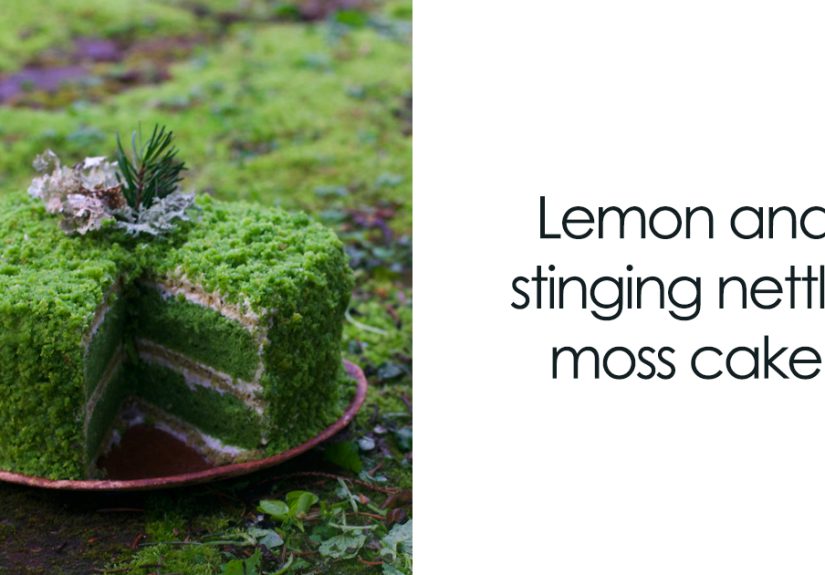
3) Forest Floor “Moss” Cake
A deep chocolate cake with a textured green “moss” finish made from crumbled cake scraps or cookie crumbs tinted
green. Add chocolate bark shards and a few berry accents for that woodland vibe. Flavor pairing: chocolate + espresso
with a salted caramel layer. It looks earthy, dramatic, and slightly mysteriouslike a cake that reads poetry.
4) Cherry Blossom Branch Cake
A clean, pale buttercream canvas with delicate branch lines (painted with cocoa + extract or food color) and clusters
of pink blossoms. Inside: vanilla almond cake with a light cherry filling. I love the minimalism hereone strong
branch, lots of airy negative space, and blossoms that feel like they landed naturally.
5) Mountain Sunset Ombre Cake
Ombre buttercream from warm peach to deep magenta to twilight purple, topped with dark chocolate “mountain silhouettes.”
Flavor pairing: orange-zest cake with dark chocolate ganache. This cake is basically a postcard you can slice. If you
want extra realism, add tiny white specks for starsvery subtle, very “I planned this,” even if you didn’t.
6) Botanical “Pressed Flower” Cake
Smooth frosting with pressed edible flowers arranged like a garden collage. The look is delicate and modern, perfect
for spring celebrations. Flavor pairing: honey-vanilla cake with mascarpone-style frosting. The key is restraint:
place a few focal blooms, then scatter smaller petals like nature’s confetti, not a floral traffic jam.
7) Rainstorm Drip Cake
A moody gray-blue buttercream with a glossy dark chocolate drip, topped with sugar “raindrops” or clear isomalt shards.
Inside: chocolate cake with a silky vanilla buttercreamstorm outside, cozy inside. I like a brushed metallic accent
(silver or pearl) to mimic lightning without going full superhero franchise.
8) Marble Stone Cake
Buttercream marbling in whites, grays, and a hint of tan, like polished stone. Add gold “veining” for that geologic
luxury vibe. Flavor pairing: vanilla bean cake with brown butter buttercream. It’s nature-inspired, but the “spa lobby”
versioncalm, elegant, and expensive-looking.
9) Desert Dune Cake
Warm sandy buttercream with swooped ridges like wind-shaped dunes, plus a few cactus accents (piped or fondant).
Inside: cinnamon cake with dulce de leche. The win here is texture: those soft ridges make the cake look like it has
weather. Which is the only kind of weather I want near dessert.
10) Winter Snowdrift Cake
Bright white frosting with swoopy, airy snowdrifts and a dusting of coconut “snow.” Add a few icy sugar shards for a
frozen-lake effect. Flavor pairing: vanilla cake with peppermint cream or white chocolate ganache. Keep it clean and
minimalthe drama is in the shine and shadows, not in throwing every sprinkle you own at it.
11) Citrus Grove “Slice Art” Cake
Decorated with thin dehydrated citrus slices (or candied slices) arranged like a sunburst. Inside: orange cake with
a tangy cream cheese-style frosting. I love how citrus makes a cake feel fresh visually and flavor-wise. Bonus: the
orange-and-lemon palette photographs like a dream in natural light (which feels poetically appropriate).
12) Lavender Field Cake
Soft purple buttercream with slender piped lavender sprigs sweeping up one side. Flavor pairing: lemon cake with a
whisper of lavender (keep it gentleno one wants to eat a candle). The “field” effect works best when the sprigs vary
in height, like a breeze moved through them right before you served dessert.
13) Mirror-Glazed “Pond” Cake
A glossy mirror glaze in deep green or teal, finished with lily-pad details or floating blossom accents. Inside:
chocolate sponge with mousse layers for a clean slice. Mirror glaze is the ultimate “water” illusionsmooth, reflective,
and borderline hypnotic. Serve it and watch people tilt their heads like they’re checking if it’s actually liquid.
14) Geode Crystal Cake
A carved “geode” opening filled with sparkling sugar or isomalt-like crystal shapes, set against dark buttercream.
Inside: chocolate cake with berry filling for contrast. The trick is making the cavity look naturally fracturedjagged
edges, layered color, and crystals that cluster like they grew there.
15) Garden Vine Fault-Line Cake
A “fault line” band around the middle filled with vines, tiny blossoms, or botanical sprinkleslike a hidden garden
revealed in a crack. Flavor pairing: vanilla cake with strawberry or raspberry layers. Chill between steps, scrape for
clean edges, then pack the center band with texture so it looks intentional, not like your cake had a small accident.
Nature-Inspired Decorating Tips That Save Your Sanity
- Chill early, chill often: cold frosting holds detail and gives you cleaner edges.
- Use color like nature does: mix multiple shades (even within one “green”) for realism.
- Keep florals food-safe: only use edible, unsprayed blooms; when using non-edible flowers, keep stems out of direct contact with cake.
- Texture is your best friend: bark, sand, moss, stonethese looks rely on dimension more than perfection.
- Match flavor to the scene: citrus for sunshine, berries for wildflowers, chocolate for earth, mint for cool “forest” vibes.
Final Slice
If there’s one thing nature has taught me, it’s that “perfect” is wildly overrated. The most beautiful cakes are the
ones that feel organiclayered, a little unpredictable, and full of small details that reward a second look. Start
with one technique (piped flowers, textured buttercream, mirror glaze, or a simple botanical arrangement), and build
your edible ecosystem from there.
Personal Experience: What I’ve Learned From Baking Nature-Inspired Cakes
The first nature-inspired cake I ever made was supposed to look like a peaceful forest. In reality, it looked like a
green candle melted on a chocolate hill. I learned quickly that “nature aesthetic” doesn’t come from one colorit
comes from variation. Forest greens aren’t just green. They’re olive, deep pine, yellow-green highlights,
shadowy blue-green pockets, and the occasional brownish note that makes the whole thing believable. Now I always mix
at least three shades before I even touch the cake, because one-tone frosting is the fastest path to “cartoon grass.”
I’ve also learned that the refrigerator is not just for storage; it’s basically my co-baker. Every time I try to rush
a designespecially anything involving sharp edges, drips, or delicate floral placementthe cake politely reminds me
that gravity is undefeated. Chilling between steps gives me cleaner lines and fewer “why is it sliding?” moments.
It’s also a confidence boost: when you pull a chilled cake out and the surface is firm, you decorate with intention
instead of panic.
Working with edible flowers taught me a whole different kind of respect. They’re gorgeous, but they’re also fragile
and picky. I’ve had petals wilt from warm frosting, herbs darken when pressed too hard, and blooms droop dramatically
like they just heard bad news. Now I plan flower placement like a tiny botanical engineer: I prep the cake, chill it,
and add delicate elements as late as possible. I also keep things simpleone or two focal blooms plus smaller accents
looks more natural than trying to build a full bouquet on a moving target.
Flavor pairing has become part of the design process, not an afterthought. When I make an ocean cake, I naturally lean
into coconut, citrus, or berry brightness. When I do forest textures, I bring in chocolate, coffee, toasted nuts, or a
hint of caramel. People remember the “wow” moment when they see the cake, but they remember the cake forever
when the flavors match the story. That’s when it stops being decoration and starts being an experience.
And then there’s transportmy greatest frenemy. Nature-inspired cakes often have height, texture, or fragile details
(hello, sugar shards and delicate piping). I’ve learned to build “road-safe” versions: sturdier frosting when it’s hot,
fewer tall toppers if I’m traveling, and strategic placement of breakable elements once I arrive. I also keep an
emergency kit: extra frosting, a small spatula, cotton swabs for smudges, and the emotional stability to pretend I’m
totally fine when something goes slightly wrong (spoiler: I am not totally fine).
The best surprise, though, is how much nature-inspired cakes changed how I see actual nature. I notice gradients in
sunsets, the way leaves overlap, how bark cracks, how waves foam, how frost dusts edges. Sometimes I’ll take photos
on a walk and think, “That would make a gorgeous buttercream palette.” It’s like the world turned into my mood board,
and honestly, that’s a pretty sweet side effect for someone who started this journey just trying to pipe one decent
buttercream rose.