Table of Contents >> Show >> Hide
- What Is an Ear Hematoma in Dogs?
- Why Dogs Get Ear Hematomas (The Real Culprit Is Usually Itch)
- Is an Ear Hematoma an Emergency?
- Can a Dog Ear Hematoma Heal on Its Own?
- At-Home Care: What You Can (and Shouldn’t) Do
- Vet Care: Diagnosis and Treatment Options (What Your Vet Is Actually Trying to Achieve)
- So… Which Treatment Is “Best”?
- Aftercare: The Part That Makes or Breaks Success
- Prevention: How to Keep “Pillow Ear” from Returning
- FAQ: Quick Answers to Common Questions
- Conclusion: The Smart, Kind Plan
- Owner Experiences: What It’s Like in Real Life (500+ Words)
Your dog walks in looking normal. Five minutes later, you glance over and their ear flap looks like a squishy, warm water balloon.
Congratulations (sorry), you may be looking at an ear hematomaalso called an aural/auricular hematoma or the unofficial classic:
pillow ear.
The good news: ear hematomas are common, treatable, and rarely life-threatening.
The not-so-fun news: they can be painful, they often come back if the underlying cause isn’t fixed, and DIY “draining” at home can turn a simple problem into an infection-and-scarring saga.
This guide covers what’s really happening, what you can safely do at home, what vets do (and why), plus aftercare and preventionso your pup keeps their ears looking like ears, not crumpled potato chips.
What Is an Ear Hematoma in Dogs?
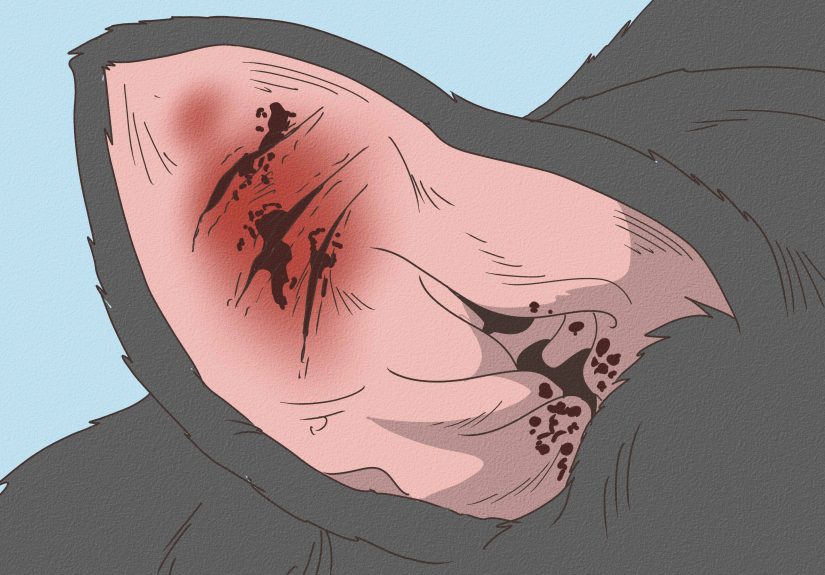
An ear hematoma is a pocket of blood (or bloody fluid) that forms between the skin and cartilage of the ear flap (pinna).
It usually happens when a small blood vessel breaks after repeated head shaking, scratching, or trauma.
The result is a swollen, spongy ear flap that may feel warm and tender.
What It Looks and Feels Like
- Visible swelling on the ear flapoften on the inner surface but can balloon the whole ear
- Soft, squishy, or doughy texture (sometimes firmer as it clots)
- Pain or sensitivity when touched
- Ear droop from the extra weight
- Head shaking and ear scratching that keeps “re-injuring” the area
Why Dogs Get Ear Hematomas (The Real Culprit Is Usually Itch)
Most ear hematomas are a symptom, not the original problem.
The hematoma forms because something made your dog shake and scratch hard enough to rupture vessels in the pinna.
Common Underlying Causes
- Ear infections (otitis externa)bacterial and/or yeast; often very itchy and painful
- Allergiesenvironmental or food allergies can inflame the ear canals and trigger chronic itch
- Ear mites (more common in puppies and multi-pet homes)
- Foreign materialgrass awns, debris, or excessive wax
- Traumarough play, bite wounds, blunt impact
- Less commonclotting disorders or systemic disease that affects vessels
Translation: fixing the “balloon ear” without fixing the itch is like mopping the floor while the sink is still overflowing.
You might feel productive, but you’re going to be right back here tomorrow.
Is an Ear Hematoma an Emergency?
Usually it’s urgent, not ER-levelmeaning you should schedule a vet visit soon (often within 24–72 hours) to reduce pain and prevent scarring.
But there are times you should treat it like an emergency.
Go to an Emergency Vet If You See:
- Severe pain, screaming, or sudden extreme distress
- Heavy bleeding, an open wound, or suspected bite injury
- Head tilt, loss of balance, repeated falling, or neurologic signs
- Swelling so large it blocks the ear canal and your dog can’t tolerate touching the ear at all
- Signs of serious infection (fever, lethargy, foul discharge, rapidly worsening swelling)
Can a Dog Ear Hematoma Heal on Its Own?
Sometimes, small hematomas can reabsorb over weeks.
However, “can” doesn’t mean “should.”
Leaving it alone often means the ear heals with thicker scar tissue and a wrinkled look (the dog version of cauliflower ear).
Meanwhile, your dog may be uncomfortable the whole timeand if the underlying ear problem isn’t treated, the hematoma can enlarge or recur.
A reasonable takeaway:
Even if you’re hoping for conservative management, a vet exam is still the smart move
to diagnose and treat the underlying itch (infection, allergies, mites, etc.) and to discuss whether medical management is appropriate.
At-Home Care: What You Can (and Shouldn’t) Do
Let’s be blunt in a loving way: at-home care is supportive care.
It’s about reducing self-trauma, protecting the ear, and getting to the vetnot playing backyard surgeon.
What NOT to Do at Home
- Do not lance or drain the hematoma yourself (high infection risk, painful, likely to re-fill, can worsen scarring)
- Do not tightly wrap the ear in a way that cuts off circulation or traps moisture against the skin
- Do not put random drops in the ear canal (especially if the eardrum status is unknown)
- Do not give human pain meds (many are toxic to dogs)
Safe At-Home Steps That Actually Help
1) Stop the Shake-Scratch Cycle
The fastest way a hematoma grows is repetitive head shaking and scratching.
Put on an E-collar (cone) or a comfortable inflatable collar to prevent claw damage while you arrange care.
2) Keep Your Dog Calm and the Ear Protected
High-energy zoomies + floppy ear + hematoma = a percussion instrument no one asked for.
Limit rough play and intense exercise until your vet visit.
3) Gentle Cold Compress (Optional, Short-Term)
If the swelling is very new and your dog tolerates it, a cool compress applied gently for a few minutes can reduce discomfort.
Don’t press hard, don’t use ice directly on skin, and stop if your dog is stressed.
4) Keep the Ear CleanBut Only the Outside
You can wipe the outer ear flap with a damp cloth if there’s surface debris.
Avoid deep cleaning of the ear canal unless a veterinarian has already instructed you on what product to use and how.
5) Document It
Take a photo today and again tomorrow.
Changes in size, redness, or droop help your vet assess speed of progression and response to treatment.
Vet Care: Diagnosis and Treatment Options (What Your Vet Is Actually Trying to Achieve)
Veterinary treatment focuses on three goals:
(1) empty the pocket, (2) prevent it from refilling, and (3) treat the underlying cause
(ear infection, allergies, mites, trauma).
What to Expect at the Vet Visit
- Ear exam of both the ear flap and the ear canal
- Ear cytology (microscope check for yeast/bacteria) and sometimes culture
- Otoscope exam (may require sedation if painful)
- Aspiration (drawing fluid with a needle) to confirm the swelling is blood/fluid, not an abscess or mass
- Plan for underlying diseasemedication for infection, parasite control, allergy management
Treatment Option 1: Needle Aspiration (Drain with a Needle)
In aspiration, the vet removes fluid using a syringe.
It can provide quick pressure relief, but the hematoma often refills because the “space” remains and vessels may keep oozing.
Some protocols add a steroid injection into the pocket to reduce inflammation.
Best fit: smaller or early hematomas, dogs who can’t tolerate anesthesia, or as a short-term step.
Downsides: multiple repeat visits, higher recurrence compared to surgery, and potential scarring if it keeps refilling.
Treatment Option 2: Drain Placement or Cannulization
Some veterinarians place a small drain or catheter to allow continued drainage.
This can reduce repeated needle sticks and help the ear flap collapse back down.
Bandaging and strict aftercare are often required.
Treatment Option 3: Surgery (The “Most Reliable” Fix for Many Dogs)
Surgery aims to drain the hematoma and then eliminate the dead space so fluid can’t reaccumulate.
Common techniques include an incision on the inner ear flap and multiple sutures (“quilting” or “tacking” sutures) that gently press skin and cartilage together while healing.
Some surgeons use button sutures, splints, or other methods depending on hematoma size, chronicity, and ear shape.
Why surgery is often recommended:
lower recurrence, faster resolution, and better cosmetic outcome (less crinkling) when performed early.
Treatment Option 4: Newer or Specialized Techniques
Specialty centers may offer minimally invasive approaches (for example, specific drain systems or newer techniques described in surgical literature).
These options can be helpful in recurrent cases or when owners want to minimize tissue traumaavailability varies by region and practice.
So… Which Treatment Is “Best”?
The best dog ear hematoma treatment depends on:
- Size and how much the ear flap is distorted
- How long it’s been there (fresh vs. chronic/clotted)
- Dog temperament (tolerance for handling and aftercare)
- Medical risks (anesthesia safety, other conditions)
- Owner logistics (repeat visits vs. one-and-done approach)
- Underlying cause severity (infection/allergy intensity)
A common pattern:
small/early hematoma may start with medical management,
while larger or recurrent hematomas often do best with surgical repairplus aggressive treatment of the ear infection/allergy driving the itch.
Aftercare: The Part That Makes or Breaks Success
Ear hematoma repair isn’t just a procedureit’s a short project.
Strong aftercare dramatically reduces recurrence and complications.
Typical Aftercare Instructions
- E-collar until fully healed (yes, even if your dog gives you a look like you betrayed them)
- Medication as prescribed: pain control, anti-inflammatories, antibiotics/antifungals if infection is present
- Ear medication for the underlying otitis, if diagnosed
- Bandage/head wrap only if your vet recommends it and shows you how to keep the ear canal open and the wrap dry
- Recheck visits to monitor swelling, drain output (if present), and healing
Complications to Watch For
- Refilling swelling or new pockets forming
- Bad odor, discharge, increased redness, or heat (infection concerns)
- Sutures or drains being scratched out (cone compliance matters)
- Persistent head shaking (underlying itch still active)
Prevention: How to Keep “Pillow Ear” from Returning
Preventing ear hematomas is mostly about preventing the itch-and-shake behavior that causes them.
Practical Prevention Tips
- Treat ear infections earlydon’t wait until the smell could peel paint
- Manage allergies with your vet (diet trials, meds, environmental control, or immunotherapy when appropriate)
- Parasite preventionespecially in young dogs or households with new pets
- Ear cleaning routine only as recommended (over-cleaning can irritate ears)
- Grooming for dogs with heavy ear hair or recurrent ear issues
- Avoid rough ear trauma during play, and address bite wounds promptly
FAQ: Quick Answers to Common Questions
Can I treat a dog ear hematoma at home without a vet?
You can provide supportive care (cone, calm, gentle protection), but definitive treatment and diagnosis should be veterinary-led.
At-home draining is not recommended due to pain, infection risk, and high recurrence.
Will my dog’s ear go back to normal?
Many dogs recover very well, especially with timely treatment and good aftercare.
Delayed treatment increases the chance of thickened, wrinkled “cauliflower” ear from scar tissue.
Why does it keep coming back?
Most repeat hematomas happen because the underlying problem (ear infection, allergies, mites) still triggers shaking and scratching.
Recurrence can also happen if the pocket isn’t fully eliminated or aftercare (cone/bandage/meds) isn’t followed.
Is surgery always necessary?
Not always. Some cases respond to aspiration plus medication, but surgery is often the most reliable option for large or recurrent hematomas.
Your vet can help you weigh recurrence risk, cost, healing time, and cosmetic outcome.
Conclusion: The Smart, Kind Plan
If your dog has an ear hematoma, the best approach is simple:
protect the ear at home, get a veterinary diagnosis, choose the treatment that fits your dog’s case, and treat the itch that caused it.
The hematoma is the headline, but the ear infection or allergy is usually the real story.
Address both, and you’re far more likely to get a comfortable dog and an ear that still looks like it came from the factory.
Owner Experiences: What It’s Like in Real Life (500+ Words)
Below are a few realistic, common scenarios owners describe when dealing with dog ear hematomas.
These aren’t “one size fits all,” but they’ll help you recognize patternsespecially the part where everyone learns that the cone is not optional.
Experience 1: “It Happened Overnight” (The Ear Infection Surprise)
One of the most common stories starts with, “He was fine yesterday.”
A dog develops a smelly ear or mild head shaking for a week, and it’s easy to assume it’ll pass.
Then one morning the ear flap is suddenly swollen and heavy.
At the vet, the ear canal is inflamed, the cytology shows yeast and bacteria, and the dog’s been shaking hard enough to rupture a vessel in the pinna.
In these cases, owners often feel relieved to finally have an explanationbut also shocked at how quickly the hematoma appeared.
The biggest “aha” moment is realizing the hematoma is a symptom of something deeper, and that treating the infection (with the correct ear meds) is what stops the cycle.
Many dogs like this do well after the hematoma is drained or surgically repaired, but only if the infection treatment is consistent and the cone stays on.
Experience 2: The Repeat Offender (Allergies Running the Show)
Another classic: the dog whose ears “always act up.”
Owners describe seasonal flare-upsspring and fall are the worstand the dog scratches and shakes even when there isn’t a dramatic smell.
A hematoma pops up, gets treated, and then months later… encore performance.
When allergy-driven otitis is the root cause, owners often succeed only after switching from “reaction mode” to an actual plan:
a veterinary-guided diet trial if food allergy is suspected, or long-term allergy control (meds, ear maintenance, rechecks).
The experience is usually less about one procedure and more about learning the dog’s triggers.
Once the itch is managed, hematomas become far less likely to return.
Experience 3: “We Tried to Wait It Out” (And the Ear Got Crinkly)
Some owners choose conservative management for a small hematomaespecially if the dog is anxious at the vet or anesthesia is a concern.
Sometimes it resolves, but the most common regret is not the waiting itselfit’s that the ear ends up thicker and wrinkled.
Owners describe the ear feeling “stiffer” or looking “folded,” and while the dog may not care cosmetically, it can slightly change how the ear sits and how air circulates in the canal.
When people share this experience, they often emphasize that they wish they’d at least treated the ear infection or itch sooner, because the dog kept shaking during the waiting period and the hematoma grew.
The lesson tends to be: if you do go conservative, the supportive steps (cone, calm, controlling itch) matter a lot.
Experience 4: Post-Procedure Reality (The Cone, the Bandage, and the “Why Is My Dog So Dramatic?”)
After drainage or surgery, owners often expect instant normal.
What they get is a dog who thinks the cone is a personal insult.
Many describe a 48-hour phase of mild sulking, bumping into furniture, and learning to eat sideways.
But as pain control kicks in and swelling decreases, dogs usually feel much betteroften within a couple of days.
Owners who have the smoothest recoveries tend to do the same things: they keep the cone on, they don’t “test fate” with rough play too soon, and they show up for rechecks.
People who struggle most often admit they removed the cone “just for a minute,” and the dog immediately scratched or shook hard enough to cause swelling again.
It’s funny in hindsight, but in the moment it’s expensive.
The shared wisdom: if your vet says cone for two weeks, treat it like a seatbeltannoying, essential, and the reason you don’t end up back at the clinic on Monday.
If you’re in the middle of this right now: you’re not alone, your dog isn’t broken, and with the right plan you can usually get comfortable healing and a good-looking ear.
Focus on the itch, protect the ear, and let your vet handle the parts that require medical tools and sterile technique.