Table of Contents >> Show >> Hide
- Why Food Gets Stuck in Wisdom Tooth Sockets
- The Big Rule: Timing Matters
- How to Remove Food from Extracted Wisdom Teeth Sockets: 14 Steps
- Step 1: Confirm how many hours post-extraction you are
- Step 2: Wash your hands like you’re about to perform “mouth surgery” (because you kind of are)
- Step 3: Check for red flags before you try anything
- Step 4: Start with the gentlest optionplain water “sip and let it fall”
- Step 5: Use warm salt water once you’re allowed to rinse
- Step 6: Rinse after meals (gently) to prevent buildup
- Step 7: Brush carefully, but don’t ignore your mouth
- Step 8: If you were given an irrigation syringe, only start when your surgeon says
- Step 9: Prepare the syringe solution (warm salt water is the usual choice)
- Step 10: Position the syringe gentlyaim beside the socket, not into it like a dart
- Step 11: Flush in short bursts and let the water drain out naturally
- Step 12: Don’t chase perfectionsome “stuff” is normal during healing
- Step 13: Adjust your menu to stop food from getting trapped
- Step 14: Know when to call your dentist or oral surgeon
- Troubleshooting: Common “Is This Normal?” Moments
- Preventing Dry Socket While Keeping Sockets Clean
- Real-Life Recovery Experiences (What People Wish They Knew)
- Conclusion
Getting your wisdom teeth out is already annoying. The last thing you need is a rogue grain of rice setting up camp in your healing socket like it paid rent.
The good news: most “food stuck in the socket” situations are normal, fixable, and way less dramatic than they feel. The key is doing it gentlybecause your #1 job after an extraction is protecting the blood clot (your body’s tiny but mighty “healing bandage”).
Quick safety note: This article is educational and not a substitute for your oral surgeon’s instructions. If your surgeon’s handout says something different, follow that. If you have worsening pain, fever, foul taste, or swelling that’s getting worse, call your dental office.
Why Food Gets Stuck in Wisdom Tooth Sockets
Wisdom tooth extraction sites (especially lower ones) can leave a deeper “pocket” for a while. During early healing, tiny bits of soft food can collect there.
This doesn’t automatically mean infection or dry socket. Usually, it’s just debris that needs gentle flushing once you’re allowed to rinse.
What You Should Not Do (Seriously)
- Don’t pick the socket with a toothpick, fingernail, or “just this one time” bobby pin.
- Don’t do aggressive swishing in the first dayyour blood clot is not glued in with industrial adhesive.
- Don’t blast it with a high-pressure water flosser unless your surgeon explicitly okayed it.
- Don’t panic if you see white or yellowish tissue. Healing tissue can look weird and still be normal.
The Big Rule: Timing Matters
Most aftercare instructions follow a common pattern:
protect the clot first (especially in the first 24 hours), then keep the area clean gently as healing progresses.
Some people receive a curved irrigation syringe and are told to start flushing sockets around days 3–7. If you weren’t given one, don’t assume you need it.
How to Remove Food from Extracted Wisdom Teeth Sockets: 14 Steps
Step 1: Confirm how many hours post-extraction you are
If you’re still within the first 24 hours, your main goal is clot protection. Focus on soft foods, careful chewing away from the site, and minimal mouth activity.
If you’re beyond 24 hours, gentle rinsing is usually allowed (but follow your surgeon’s timing).Step 2: Wash your hands like you’re about to perform “mouth surgery” (because you kind of are)
You’re working near an open healing area. Clean hands reduce the chance of introducing bacteria. Soap + water for 20 seconds is plenty.
Step 3: Check for red flags before you try anything
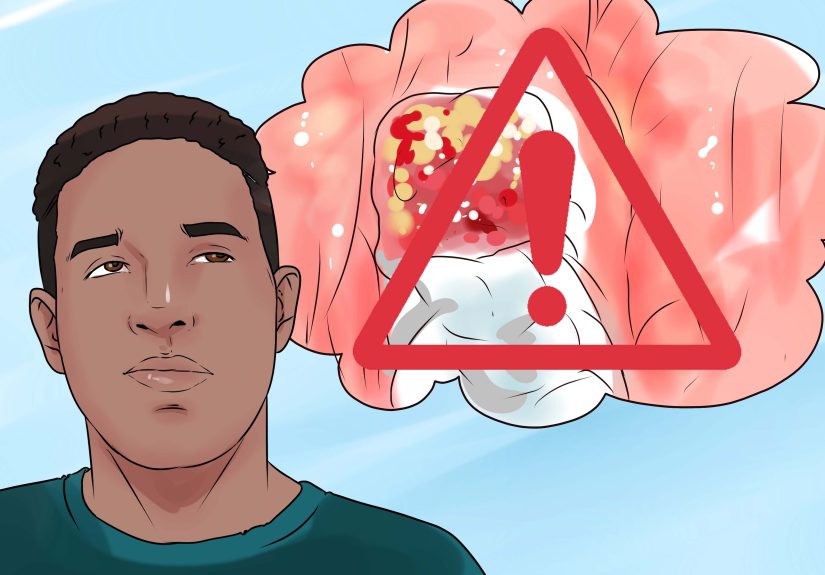
If you have heavy bleeding, severe worsening pain, fever, pus, or swelling that’s rapidly increasing, skip DIY flushing and call your dentist/oral surgeon.
Also call if pain suddenly spikes around days 2–5 and radiates to your ear or jaw (possible dry socket).Step 4: Start with the gentlest optionplain water “sip and let it fall”
Take a small sip of water, tilt your head so water drifts over the area, and let it roll out of your mouth into the sink. No dramatic gargling.
Think “lazy river,” not “category-five hurricane.”Step 5: Use warm salt water once you’re allowed to rinse
A classic mix is about 1/2 teaspoon of salt in 8 ounces (1 cup) of warm water. Warmnot scalding.
Salt water helps clean debris and supports a healthy healing environment. Gently move it around your mouth and let it fall outdon’t spit hard.Step 6: Rinse after meals (gently) to prevent buildup
The easiest way to remove food from wisdom tooth sockets is to prevent a buffet from forming in the first place.
After eating, do a gentle warm salt-water rinse to flush out tiny particles before they settle.Step 7: Brush carefully, but don’t ignore your mouth
Keeping your teeth clean matters because bacteria love a messy neighborhood. Use a soft toothbrush and clean the rest of your mouth normally.
Near the extraction site, be extra gentle and avoid jabbing the socket.Step 8: If you were given an irrigation syringe, only start when your surgeon says
Many oral surgeons advise starting socket irrigation a few days after surgery (commonly around days 3–7), but instructions vary.
If you weren’t given a syringe, don’t improvise with random tools. Ask your dental office if irrigation is recommended for you.Step 9: Prepare the syringe solution (warm salt water is the usual choice)
Fill the syringe with warm salt water. Avoid harsh mouthwashes unless prescribed.
You want the solution comfortableif it feels like it could cook ramen, it’s too hot.Step 10: Position the syringe gentlyaim beside the socket, not into it like a dart
Place the curved tip near the extraction area and flush gently so water sweeps debris out. Do not force the tip deep into the socket.
The goal is gentle rinsing, not “power-washing your jaw.”Step 11: Flush in short bursts and let the water drain out naturally
Use a few gentle squirts, pause, and let everything drain into the sink. Repeat until the water runs mostly clear.
A small amount of blood spotting can happen early on; if bleeding is heavy or doesn’t stop, call your provider.Step 12: Don’t chase perfectionsome “stuff” is normal during healing
Healing tissue can look white, creamy, or uneven. That doesn’t automatically mean food or infection.
If you’re not sure what you’re seeing (or if there’s a new foul smell + increasing pain), call your dental office instead of scraping.Step 13: Adjust your menu to stop food from getting trapped
For the first week, choose foods that are less likely to crumble into tiny particles. Helpful options include yogurt, eggs, mashed potatoes, soft pasta, smoothies (no straws), and soups (not piping hot).
Try to avoid rice, popcorn, seeds, nuts, chips, and anything with “shrapnel energy” until your provider says you’re ready.Step 14: Know when to call your dentist or oral surgeon
Get professional advice if you have:
- pain that worsens after initially improving
- bad taste or bad breath that doesn’t improve with gentle rinsing
- fever, pus, or significant swelling
- trouble swallowing or breathing (urgent)
- bleeding that won’t slow down
Troubleshooting: Common “Is This Normal?” Moments
“I feel something stuck, but nothing comes out.”
That sensation can be irritation, swelling, a stitch, or healing tissuenot necessarily a chunk of food. Try a gentle warm salt-water rinse after meals.
If the feeling persists and you’re worried, call your dental office to confirm what’s normal for your case.
“It tastes gross back there.”
A mild odd taste can happen during healing. Gentle rinsing and good oral hygiene usually help. A strong foul taste plus increasing pain or swelling can signal infectionget checked.
“When can I stop rinsing?”
Many people rinse after meals for at least a week, sometimes longer for lower wisdom tooth sites. If you’re irrigating with a syringe, you may need to continue until the sockets close significantly,
which can take weeks. Your surgeon’s guidance is the best timeline.
Preventing Dry Socket While Keeping Sockets Clean
Dry socket happens when the blood clot fails to form or gets dislodged, exposing sensitive tissue and bone. Prevention is mostly about avoiding suction and trauma:
no smoking, no straws, no aggressive rinsing early on, and no poking the site.
Real-Life Recovery Experiences (What People Wish They Knew)
If wisdom tooth recovery had a theme song, it would be: “I Didn’t Know That Would Get Stuck There.” The most common story goes something like this:
day one feels manageable because you’re living on pudding and pain medicine, and your mouth is too numb to complain properly. Then day two arrives with mild swelling,
and you start feeling bravemaybe even heroic. You graduate to soft pasta and think, “I’m basically healed.” Your socket disagrees.
A lot of people notice the “food stuck” feeling after their first semi-solid meal. It’s usually not a disaster; it’s just that lower wisdom tooth sites can act like tiny snack traps for a while.
One common example is scrambled eggs: they’re soft and totally allowed, but the little bits can still drift into the pocket. The best move is a gentle warm salt-water rinse after eating.
People who do this consistently usually report less lingering soreness because there’s less debris sitting around irritating the area.
Another classic moment is the rice incident. Rice is small, persistent, and weirdly confident. Many folks swear they can “feel a grain” back there for hours.
Sometimes it really is food; other times it’s swelling or a stitch rubbing the tongue. The mistake people regret is going after it with a toothpick or fingernail.
That’s when you risk disturbing the clot or scratching the healing tissue, which can increase pain and slow healing.
People who were given an irrigation syringe often describe a learning curve: the first time feels awkward, like trying to wash one specific tile in a shower with your eyes closed.
The trick is to keep the water warm (not hot), use gentle pressure, and flush after meals rather than doing a “mega-cleaning” once a day.
Most say they get noticeably more comfortable by day two of irrigatingand the “something stuck” feeling becomes rarer once the pocket starts filling in.
There’s also the “Is this infection?” anxiety spiral. Healing tissue can look white or yellowish, and it can freak people out.
Many people feel calmer after their follow-up appointment when the surgeon confirms that the site looks normal.
A helpful rule of thumb from common patient experiences: if your pain is steadily improving and rinsing helps, you’re probably on track.
If pain suddenly worsens after it had been improvingespecially around days 2–5call your office to rule out dry socket or infection.
Finally, the most underrated wisdom tooth recovery skill is planning meals that won’t sabotage you. People who stick with smoother foods (soups, yogurt, mashed potatoes, soft pasta)
and avoid crumbly or seedy foods early on tend to report fewer “socket clean-out emergencies.” It’s not glamorous, but neither is trying to evict a sesame seed at midnight.
Conclusion
Removing food from extracted wisdom teeth sockets is mostly about gentle timing and simple habits:
protect the clot early, rinse gently after 24 hours (or as directed), irrigate only if/when your surgeon instructs, and avoid foods that love to get trapped.
If something feels offworsening pain, fever, foul taste that doesn’t improveget professional guidance. Your mouth deserves a calm, drama-free recovery.